Canvas Wraps and Framed Prints for a Casual Home Vibe
A relaxed, lived-in look feels right at home across Australia, from a sun-soaked terrace in Sydney to a weatherboard cottage in Hobart. The pieces you choose to hang on the walls play a big part in shaping that easygoing atmosphere, and two options tend to dominate the conversation: canvas wraps and framed prints. Both can deliver an effortless finish, but they bring different textures, costs and practical considerations to a room.
The casual aesthetic leans toward unfussy arrangements, gentle imperfection and pieces that feel collected rather than curated. Canvas wraps often arrive ready to hang and project a contemporary, gallery-leaning mood, while framed prints offer a classic, slightly more dressed-up character. Understanding how each behaves in real Australian homes helps you pick the right finish for your space, your budget and the way you actually live.
Climate, light exposure and the architectural style of your home will influence which option ages well. A north-facing wall in Perth behaves very differently to a shaded hallway in Brisbane, and that matters when you want the artwork to last. Weighing these realities before buying will save you from replacing faded or warped pieces sooner than expected.
The Casual Aesthetic You're After
Casual style draws on coastal influences, soft colour palettes and the kind of art that feels personal. Think of the breezy interiors seen in renovated Queenslanders around Brisbane, where whitewashed walls host pieces that look like they've been gathered over years. Canvas wraps fit this mood with their seamless edges and modern feel, while framed prints lend a touch of warmth through visible borders and natural timber mouldings.
The key is choosing a finish that whispers rather than shouts. A bright coastal print on a wrap can feel crisp and clean, whereas the same image inside a thin oak frame reads softer and more traditional. Both can work in a relaxed home, so the choice often comes down to the textures already sitting on your shelves and the level of formality you want from each wall.
If you're working with a tight floor plan typical of inner-city apartments in Melbourne or Sydney, oversized framed pieces can crowd a room more quickly than wraps. Wraps tend to recede visually because there's no frame catching the eye, leaving the artwork to do the talking. For renters and anyone who moves often, this also means fewer nail holes and lighter pieces to transport.
What Canvas Wraps Bring to the Room
Canvas wraps, sometimes referred to as gallery-wrapped prints, wrap the image around a wooden stretcher frame so the edges form a clean, finished border. There's no glass, no matting and no additional framing needed, which makes them particularly appealing when you want an unfussy look. They tend to look contemporary, slightly artistic and well-suited to photography, abstract pieces and bold graphic prints.
In Australian homes with strong natural light, canvas wraps handle glare beautifully. Without a sheet of glass to reflect harsh afternoon rays pouring through a west-facing window, the image remains visible from every angle. This is helpful in open-plan living areas where light shifts throughout the day, especially in beachside properties around Byron Bay or along the Mornington Peninsula.
They are also lighter than framed equivalents of the same size, which matters when you're hanging above a bed or on a plasterboard wall that wasn't built for heavy loads. A 60 by 90 centimetre wrap might weigh a fraction of a glazed frame, making installation simpler. For anyone updating a rental in Adelaide or a small unit in Perth, this practical advantage often tips the scales.
The Enduring Charm of Framed Prints
Framed prints carry a longer heritage and bring a sense of polish that wraps cannot quite replicate. The frame itself becomes part of the artwork, adding texture, colour and a defined edge to whatever sits inside. Timber mouldings in walnut, oak or natural pine pair beautifully with the warm timbers and earthy tones common in Australian interiors, particularly in renovated bungalows across suburbs like Newtown or Fitzroy.
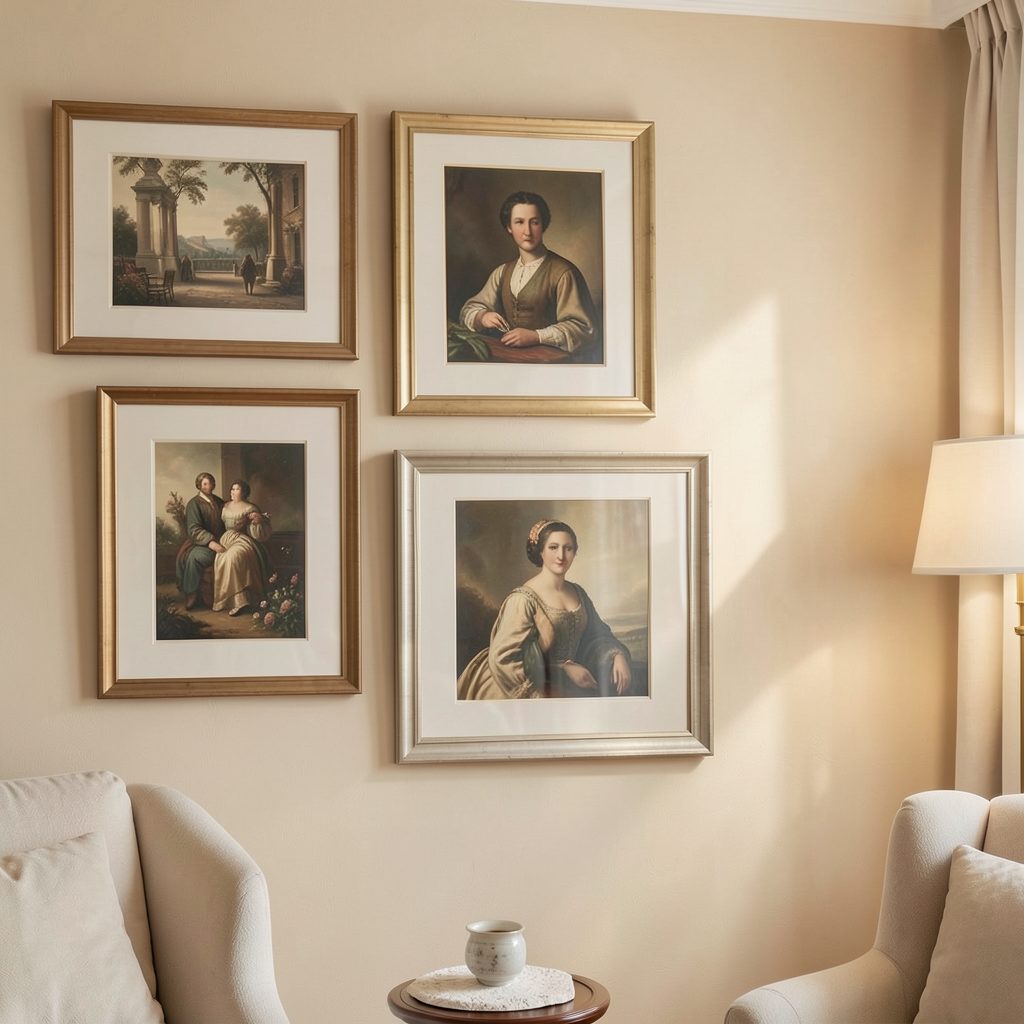
Frames also allow for matting, which adds breathing room around an image and makes smaller prints feel substantial. A modest A4 print can look far more considered inside a generous white mat and a slim black frame. This layered approach suits traditional or eclectic interiors and gives you more flexibility to refresh the look by swapping the frame without reprinting the artwork.
When you're investing in original artwork, limited editions or archival photography, frames with UV-protective glass or acrylic make a real difference. Conservation glazing keeps pigments stable, which matters in our harsh light. If you're preserving special pieces for the long term, it helps to understand best conservation methods suited to Australian conditions, including humidity and direct UV exposure.
Weight, Humidity and Heritage Homes
Heritage homes, from Victorian terraces in Sydney's inner west to workers' cottages in Fremantle, often feature brick or lathe-and-plaster walls that demand careful anchoring. Framed prints with glass can become surprisingly heavy, especially at larger sizes, and require solid fixings rated for the wall type. Canvas wraps are easier on older walls and rarely require anything beyond standard picture hooks.
Humidity is another factor, particularly in coastal regions and tropical Queensland. Wrapped canvases can bow slightly in very humid rooms, and timber frames may expand or contract with seasonal changes. Bathrooms, laundries and rooms that open onto outdoor entertaining spaces need extra thought. Choosing prints on quality, acid-free paper and framing them with sealed backs offers better protection in these zones.
Australians also live with high UV indexes that would surprise many European decorators. Direct sun bleaches both prints and canvas dyes faster than you might expect, so the placement of any artwork deserves a moment of thought. Hanging pieces slightly away from the brightest window or using sheer linen curtains to filter light extends the life of both wraps and framed images considerably.
Styling Around Furniture and Light
The furniture underneath your artwork matters as much as the pieces themselves. A low-slung modular sofa, a recycled timber dining table or a rattan armchair all send different signals about the look you want. Canvas wraps sit beautifully in contemporary settings with clean lines, while framed prints complement more layered, collected interiors with vintage furniture and well-worn textiles.
Light plays a quiet but powerful role. Softer, indirect light flatters most artwork and creates a calm mood suited to bedrooms, reading nooks and the kind of quiet corners people retreat to after a long day. Position pieces away from glare spots and consider how evening lamps will fall across the surface. Wraps handle spotlights well, whereas framed glass can produce distracting reflections in low light.
Spacing also shapes how casual a wall feels. Tight grids and rigid alignment read structured and slightly formal, while looser arrangements with varied heights feel relaxed and easy. If you're building a wall from scratch, it pays to map out the layout first. A useful walkthrough on crafting an eight-piece display can guide you through spacing decisions without committing to a single nail hole.
Budget-Friendly Choices from Local Stockists
Australian printers and framers offer plenty of options that won't stretch the budget. Chains like Officeworks and Big W carry ready-made frames in standard sizes that suit mass-produced prints, while independent framers in cities like Adelaide and Brisbane can customise mouldings for original artwork. Online printers based locally can also produce canvas wraps and photographic prints at competitive prices.
For casual styling, you don't need to invest in the most expensive option. Many homeowners mix a few quality pieces with affordable wraps and frames to build walls that feel layered and personal. Supporting local artists and printers keeps money in the Australian art economy and often results in more interesting pieces than mass-produced alternatives. Galleries in Collingwood, Surry Hills and Fortitude Valley regularly stock work that translates beautifully to either canvas or paper.
When weighing cost, remember that framed prints often include the price of the frame, matting and glazing, which pushes the total higher than a wrap of the same size. If budget is the main driver, wraps generally deliver more size for your dollar. Frames, however, tend to hold their perceived value better over time and can be reused with new prints when you feel like a refresh.
Mixing Both for a Relaxed Gallery Wall
The most relaxed gallery walls usually mix canvas wraps with framed pieces, alongside other wall objects such as mirrors, woven pieces and small shelves. Combining finishes adds depth and visual interest, preventing the wall from looking too uniform or too busy. A large wrap can anchor the centre of a layout, with smaller framed prints and matted works arranged around it.
Variety in frame styles also helps. Mix slim modern mouldings with chunkier vintage timber frames for a collected feel that suits casual Australian interiors. The mix softens the wall and gives the eye places to rest. If you're unsure how formats compare aesthetically, a quick look at the difference between formats in gallery styling can clarify why certain combinations work better than others.
Ultimately, the choice between canvas wraps and framed prints comes down to personal taste, the architecture of your home and how much maintenance you're willing to take on. Both formats bring their own strengths, and combining them often produces the most inviting, easygoing result. Take your time choosing pieces that genuinely speak to you, and your walls will feel personal for years to come.
If you're ready to refresh your walls, start by browsing local artists and printers who can guide you through paper choices, frame profiles and canvas finishes. Many Australian studios offer sample packs and design consultations to help you visualise pieces in your own space. Subscribe to our weekly newsletter for fresh styling ideas, seasonal gallery guides and practical tips on building a home that feels quietly beautiful.