How to Protect Artwork in a Humid Bathroom
A bathroom can benefit from artwork, but warm air, condensation, splashes, and changing moisture levels create a demanding environment for paper, canvas, wood, and metal. The same steam that softens a room’s atmosphere can gradually distort a print, loosen a frame joint, or encourage mould growth behind glazing.
The safest approach combines careful artwork selection, stable indoor conditions, suitable framing, and sensible placement. A beautiful piece should support the room without being exposed to the most aggressive sources of moisture.
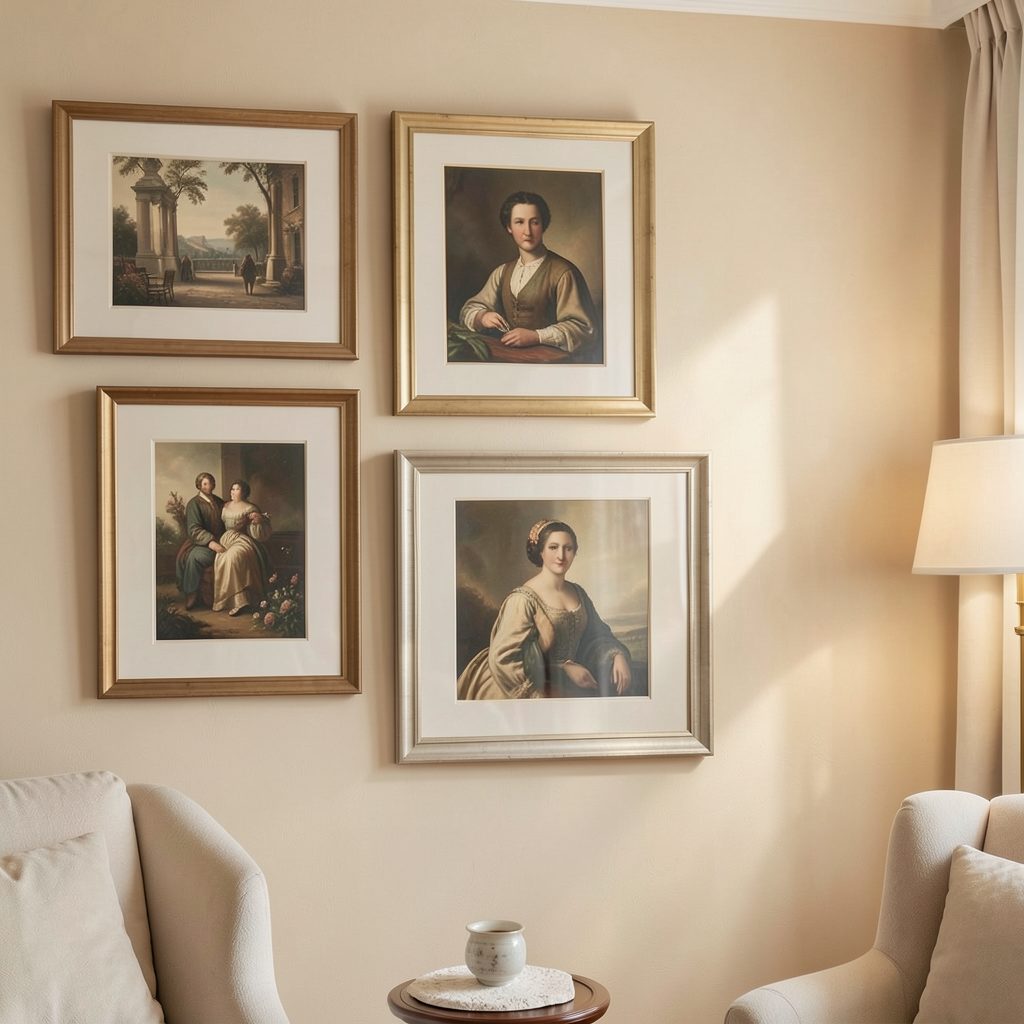
For further ideas on arranging artwork throughout the home, browse gallery wall ideas before deciding whether your bathroom needs one large work or a smaller, more restrained arrangement.
Why bathrooms are difficult for artwork
Humidity affects organic materials because they absorb and release moisture from the surrounding air. Paper may cockle or ripple, canvas can slacken or tighten, and wooden frames may swell at their joints. Repeated cycles of dampness and drying are particularly harmful because they create ongoing physical stress.
Condensation is an additional concern. When warm, moist air meets a cool framed surface, water can form on the glazing or migrate into the frame package. Inadequate airflow behind the artwork then creates a dark, stagnant space where mildew and foxing may develop.
Choose resilient artwork and materials
For a bathroom, favour sealed ceramic pieces, metal wall art, acrylic works, and professionally varnished paintings. Well-sealed photographic prints or giclée reproductions on synthetic substrates generally withstand moisture better than unprotected works on cotton rag or ordinary paper.
Original watercolours, antique prints, unvarnished oils, and delicate works on paper deserve a drier location. If you love the look of a paper artwork, use a high-quality reproduction and frame it with conservation materials rather than placing a vulnerable original near a shower.
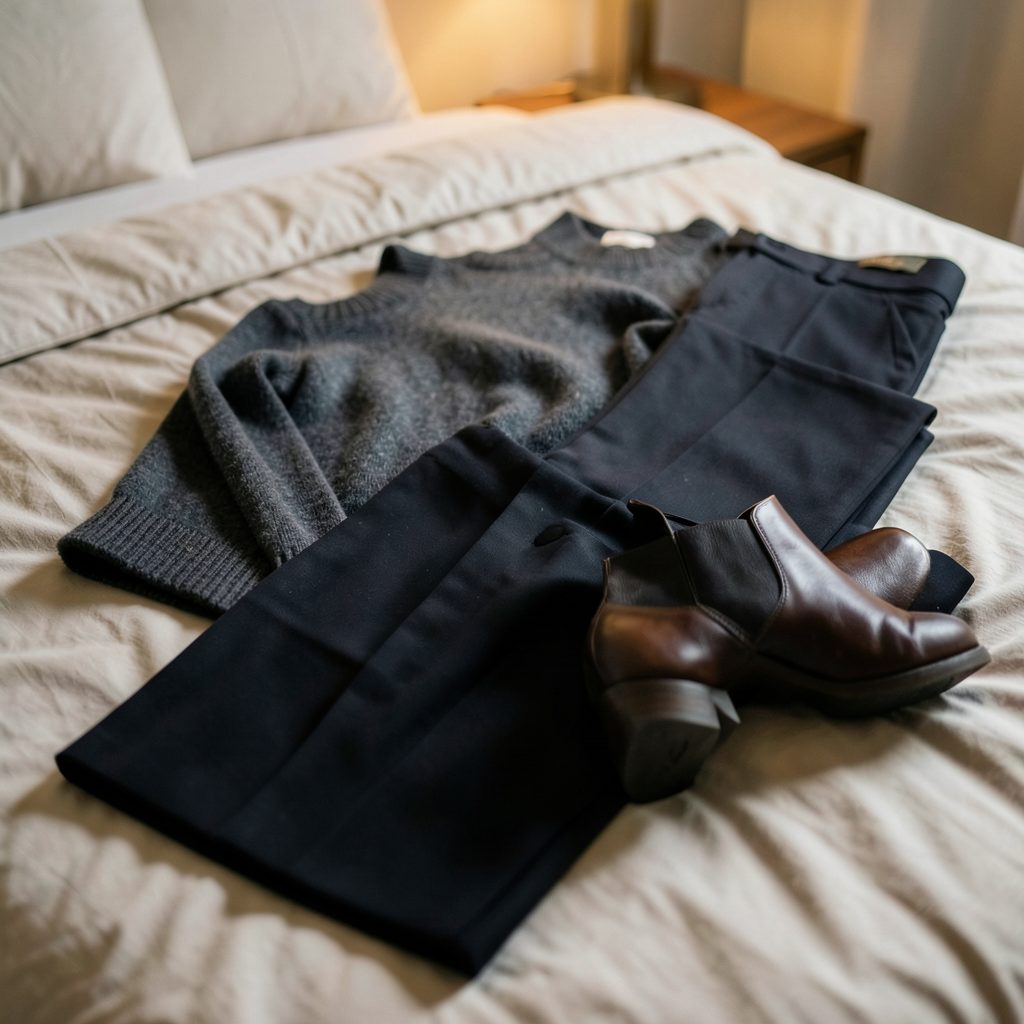
A simple composition can be especially effective in a bathroom. The restrained approach used in this bedside styling guide also translates well to a small washroom, where one considered piece is often safer and more elegant than a crowded gallery wall.
Control moisture before hanging art
Good ventilation is the first line of defence. Run the extractor fan during a shower and for at least 20 minutes afterward, or open a window when weather and privacy allow. Repair dripping taps, dry wet surfaces, and avoid hanging artwork where steam collects against a wall.
Aim for relatively stable humidity rather than chasing a perfect number. A small digital hygrometer can reveal whether the room stays consistently damp. As a general guide, keeping relative humidity around 40–60% is preferable for most framed artwork; persistent readings above this range call for better ventilation or a dehumidifier.
A dehumidifier should be positioned well away from the artwork and electrical splash zones. It can help in poorly ventilated rooms, but it should support, rather than replace, an effective extractor system.
| Artwork or display type | Bathroom suitability | Protective approach |
|---|---|---|
| Sealed ceramic or porcelain | High | Mount securely and keep away from direct spray |
| Metal artwork | High | Choose rust-resistant finishes and inspect fixings |
| Varnished canvas | Moderate | Use a ventilated frame and avoid steam-heavy walls |
| Sealed photographic print | Moderate to high | Use conservation glazing and a moisture-resistant backing |
| Unprotected paper or watercolour | Low | Keep outside the bathroom or use a high-quality reproduction |
| Antique or irreplaceable artwork | Very low | Display in a controlled, dry interior instead |
Use archival framing and protective glazing
A conservation-quality frame creates separation between the artwork and the humid room. Ask for acid-free, lignin-free matboard, a sealed backing, and spacers that keep the glazing from touching the artwork. These details reduce the chance of moisture transfer and prevent the image from sticking to the glass.
UV-filtering acrylic or glass helps slow fading, particularly in a bathroom with strong daylight. Acrylic is lightweight and less likely to shatter, although it can attract dust and scratch more easily. Standard glass may be suitable for a low-risk position, but it offers less protection from ultraviolet exposure unless specifically treated.
Avoid placing artwork directly against a cold exterior wall. A small gap behind the frame allows air to circulate and reduces the risk of trapped condensation. Use stable hanging hardware rated for the frame’s weight, since damp conditions can weaken unsuitable adhesive strips and low-quality hooks.
Place and clean artwork safely
The safest position is usually a dry wall outside the direct path of shower spray, bath splashes, and sink overspray. Keep framed pieces several feet from the shower where possible, and avoid the wall immediately above a radiator or towel warmer, where rapid heat changes can stress materials.
Mirrors need similar care. If you are using a mirror as part of the scheme, these small-room mirror tips can help with placement while keeping reflective surfaces away from direct water. Choose a bathroom-rated mirror with sealed edges, especially in a room with frequent steam.
Never spray cleaner directly onto glazing or a frame. Apply a small amount of suitable glass cleaner to a lint-free cloth, then wipe gently while keeping liquid away from edges and joints. Dust the frame with a dry, soft brush, and inspect the lower edge periodically for swelling, spotting, or discolouration.
Build a simple conservation routine
A short seasonal inspection can prevent minor moisture exposure from becoming permanent damage. Look for ripples in paper, cloudy glazing, loosened corners, rust on fixings, mould-like spots, or a musty smell. Any of these signs means the work should be moved to a dry area and assessed before cleaning or reframing.
Use these practical habits to keep bathroom artwork in good condition:
- Run ventilation during bathing and leave it on afterward to clear residual steam.
- Keep artwork away from direct spray, wet towels, radiators, and exterior cold spots.
- Choose sealed surfaces, conservation matboard, spacers, and moisture-resistant backing.
- Check a hygrometer regularly and respond to sustained humidity above the recommended range.
- Photograph valuable pieces and retain receipts, provenance, and framing details for insurance.
If mould appears on an original, avoid wiping it yourself. Cleaning can spread spores and push contamination deeper into paper or fabric. A qualified paper or paintings conservator can identify the material, assess structural damage, and recommend safe treatment.
Thoughtful conservation does not require sacrificing style. A single glazed print, a sealed sculptural object, or a carefully positioned mirror can give a bathroom the character of a gallery while respecting the limits of the environment. Choose the artwork with the room’s moisture profile in mind, improve ventilation first, and invest in framing that keeps beauty protected for years to come. Explore Focus LDN for more considered artwork and home styling inspiration before creating your next display.