Using Narrow Art Panels to Accent a Doorway or Wall Niche
A slim art panel can give an overlooked architectural detail a clear visual purpose. Placed beside a doorway, within a recessed wall, or at the end of a narrow hall, it adds height, colour and personality without making the room feel crowded.
This approach suits the compact proportions common in Australian apartments, where a full gallery wall may overwhelm a passage or reduce precious storage and circulation space. With the right scale, frame and hanging height, a narrow artwork becomes a quiet focal point that connects adjoining rooms.
Choose The Right Proportion
Begin by measuring the available wall width, including the clearance needed around door trim, light switches and handles. A panel should feel intentionally slim rather than squeezed into a leftover gap. For most residential interiors, a piece between 20 and 40 centimetres wide works well beside a standard doorway.
Height is often more important than width. A vertical canvas or framed print can echo the lines of a door, drawing the eye upwards and making a low-ceilinged room appear more generous. In Sydney and Melbourne apartments, where living areas frequently open directly onto compact corridors, this vertical emphasis can create a stronger sense of flow.
Leave enough breathing room between the artwork and the architrave. A gap of around 10 to 20 centimetres usually prevents the composition from looking attached to the door frame, although a very narrow passage may require a smaller margin.
Frame The Transition Between Rooms
A doorway is a natural visual boundary, so artwork placed beside it should relate to both spaces. Look for a colour, texture or motif that appears in the room you are leaving and the room you are entering. A muted ochre panel might connect a neutral living room to a warm-toned dining area, while a blue botanical print can link a hallway with a coastal bedroom.
For a refined result, choose a frame that repeats an existing finish. Black timber can echo window frames, brushed metal can relate to kitchen hardware, and pale oak can soften white walls. Matching every detail is unnecessary; repeating one material two or three times is enough to establish continuity.
When the doorway leads to a bathroom or laundry, select a sealed print, glazed artwork or properly protected canvas. Brisbane and northern Queensland homes may experience higher humidity, so unsealed paper and untreated timber can buckle or develop surface damage over time.
Make A Wall Niche Feel Intentional
A niche often looks unfinished when it contains a single small object with no relationship to its surroundings. A narrow art panel gives the recess a deliberate centre and can make the architectural feature appear designed rather than incidental.
If the niche is deep, position the artwork slightly forward instead of pushing it against the back wall. This creates a soft shadow around the panel and gives the display more depth. For a shallow recess, a flat framed print or slim stretched canvas will keep the area visually clean.
Consider painting the niche a shade lighter or darker than the surrounding wall. A tonal contrast can highlight the artwork without requiring a dramatic feature colour. In rental homes, removable wallpaper or a carefully selected panel may offer a less permanent alternative, but check the terms of the tenancy agreement before making changes. Australian rental rules differ between states and territories, and permission requirements can vary.
Select Artwork With A Strong Vertical Rhythm
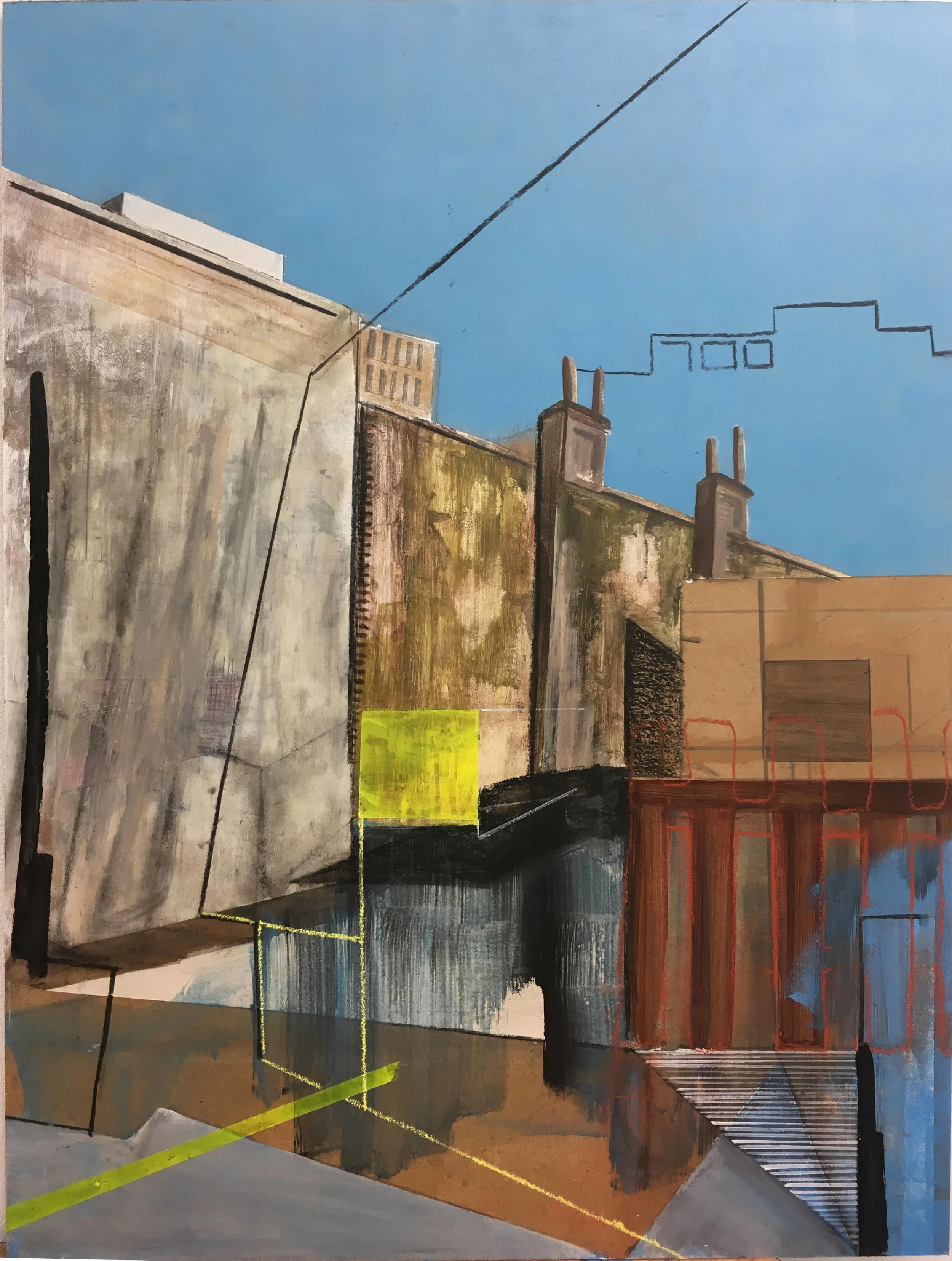
Narrow formats suit artwork with a clear vertical structure. Botanical studies, architectural sketches, elongated abstracts, textile pieces and minimalist figure drawings all work well because their composition reinforces the shape of the wall.
A single panel is often enough beside a door, but two slim works can create a balanced pair in a taller niche. Keep the gap between them modest, usually 5 to 10 centimetres, and align their outer edges with nearby furniture or trim. This gives the arrangement a disciplined gallery feel.
For inspiration on combining different visual styles, browse the best types of artwork and display formats before committing to a particular subject. The goal is to choose a piece that supports the room’s atmosphere rather than competing with it.
Work With Australian Light And Materials
Strong Australian sunlight can fade prints, photographs and painted surfaces, especially near north- and west-facing windows. Position delicate works away from direct sun where possible, or choose UV-filtering glazing for valuable pieces. This is particularly useful in bright homes in Perth, Adelaide and regional coastal areas.
Matte paper and low-reflective glass are practical choices for hallways, where ceiling lights can create distracting glare. If the wall is close to a kitchen or entryway, a wipeable acrylic glazing may be more forgiving than ordinary glass.
The local market makes it easy to source affordable frames in standard metric sizes through Australian framing shops, online print retailers and homeware chains. A custom frame is worthwhile for unusual panel dimensions, but a ready-made frame with a quality mount can produce a polished result at a lower cost.
Hang Panels Securely And Precisely
Use the centre of the artwork as your main reference point rather than automatically aligning its top edge with the door. In most rooms, the centre should sit around 145 to 155 centimetres from the floor, adjusted for furniture, ceiling height and household members.
Lightweight panels may suit adhesive hanging systems, but avoid relying on them in hot, humid or dusty conditions without checking the product rating. For heavier framed art, use a suitable wall anchor and identify whether the wall is plasterboard, brick or masonry before drilling. Brick apartment walls often require different fixings from plasterboard partitions.
In a rented property, removable hooks can be useful, yet they are not suitable for every frame or surface. Follow the manufacturer’s weight limit and retain the packaging or instructions. If installing art in a shared apartment corridor or near a fire door, never obstruct access, signage or required clearances under building and fire-safety rules.
Build A Calm, Cohesive Display
A narrow panel should have visual support nearby, even when it remains the only artwork on that section of wall. A slim console, a small plant, a wall sconce or a textural runner can anchor the composition without filling the passage.
Keep surrounding objects restrained. Too many decorative pieces can turn a clean architectural accent into a congested display, particularly in narrow Australian hallways where shoes, bags and everyday traffic already compete for space.
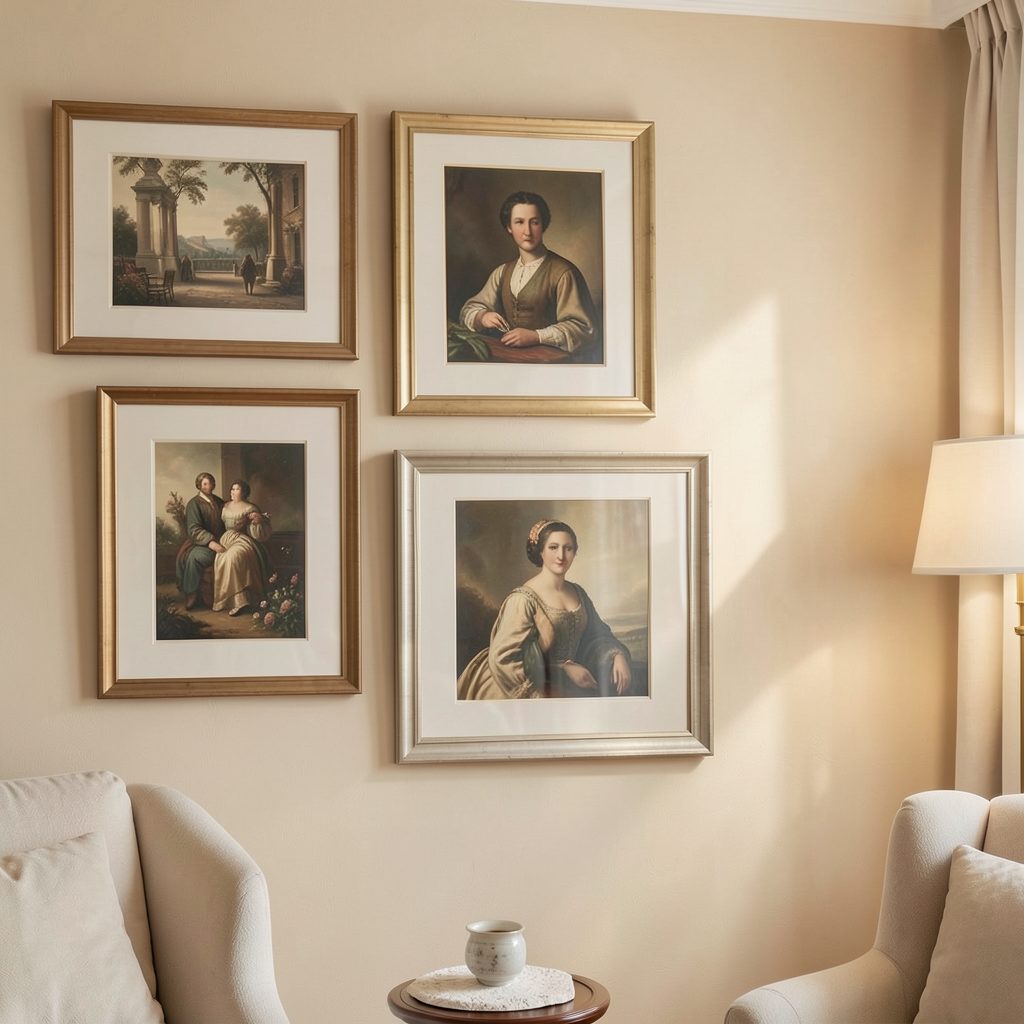
If you are developing a broader arrangement elsewhere in the home, use gallery wall guidance to coordinate spacing, frames and artwork scale. The doorway panel does not need to match every piece, but shared tones or frame profiles will help the whole home feel considered.
A Simple Styling Checklist
Before drilling or ordering a custom frame, stand back and assess the panel from the main viewing points in the room. Check it from the hallway, living area and doorway itself, since a work that looks balanced front-on may feel too close to the trim from an angle.
Use painter’s tape to mark the proposed outline. This inexpensive step is especially valuable in compact apartments, where even a few centimetres can affect how comfortably people move between rooms.
- Measure the wall, trim and available clearance
- Test the artwork size with paper templates
- Check sunlight, humidity and glare
- Choose fixings suited to the wall surface
A final styling check should include the practical details that are easy to overlook. Make sure the door opens freely, the panel cannot be knocked by passing bags or furniture, and the frame finish relates to at least one existing element.
A slim art panel can transform an awkward strip of wall into a deliberate moment of design. Select a meaningful image, frame it carefully and give it enough space to breathe, then live with the arrangement for a few days before making further adjustments. Subscribe to Focus LDN for more considered ideas on gallery walls, apartment decorating and stylish everyday interiors.