The best way to hang a three-piece panel set in a living room
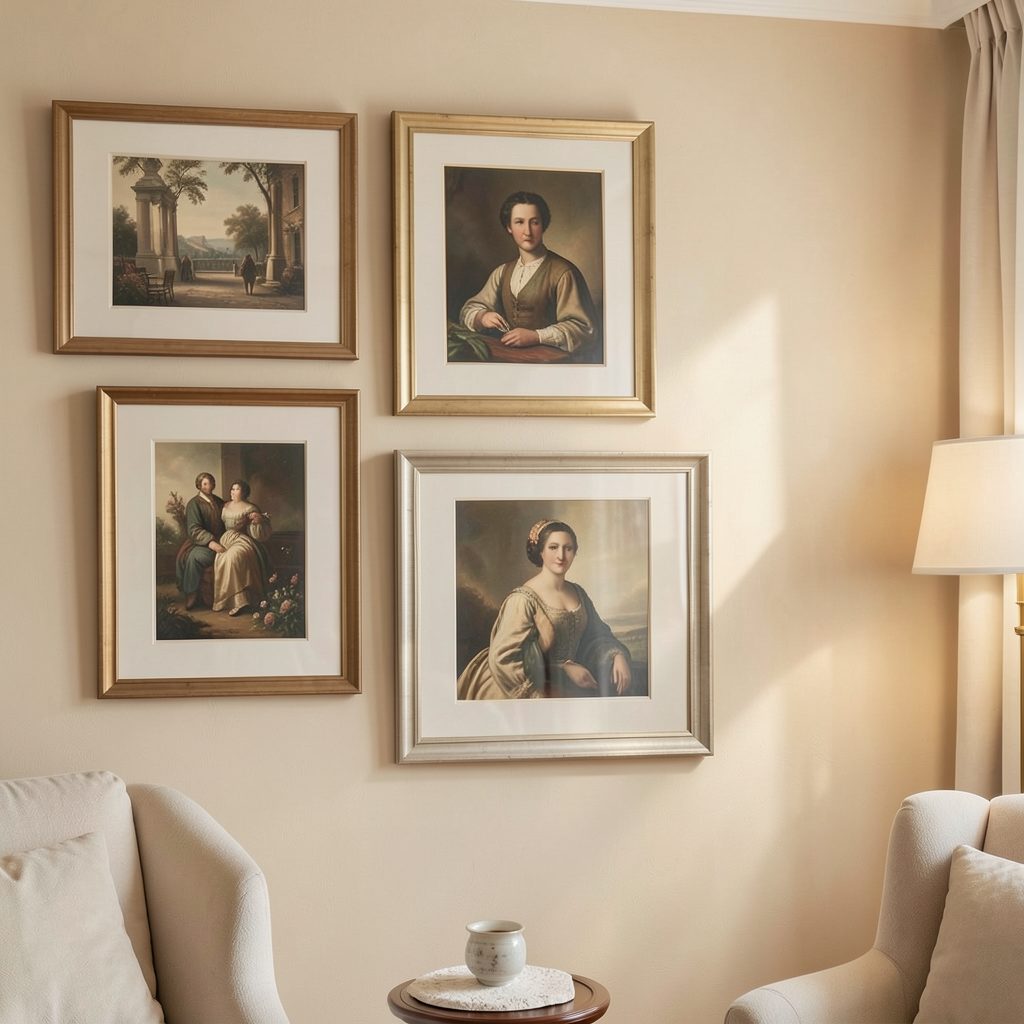
A three-panel set brings the polish of a gallery wall without the clutter of a crowded display. The secret is to treat all three pieces as one composition, establishing a single centre line, a shared bottom line and consistent gaps before the frames go near the wall.
First, view the room from the doorway and identify its strongest visual anchor. This approach works well in Australian lounge rooms, from compact Sydney flats to Melbourne terraces, where the right scale can soften brick, timber and plasterboard without crowding the space.
Plan the composition before hanging
Start by deciding what the panels should centre on. Above a sofa, the set usually follows the sofa’s middle rather than the room’s mathematical centre. If a fireplace or television already commands the wall, use that fixed feature as the anchor and make sure the artwork supports it instead of competing.
Next, lean the frames on the floor in viewing order, label their positions and photograph them from your normal seat. Adjust the spacing while they are still movable. This quick rehearsal catches awkward overlaps and shows whether the colours feel balanced before a single hole is drilled.
A reliable hanging checklist
Use this sequence when you are ready to mark the wall:
- Measure the complete set, including the outside edges of each frame, and mark its centre.
- Draw one level reference line in pencil, checking it with a spirit level or laser.
- Keep equal gaps between the panels, usually 5 to 8 centimetres for a clean modern look.
- Align the lower edges when the panels match, then refine the spacing by eye.
- Set the bottom edge about 15 to 20 centimetres above the sofa back.
- Check the total width against the furniture, aiming for roughly two-thirds of the sofa’s width.
- Mark every fixing point before lifting or leaning anything against the wall.
The exact measurements can change with frame depth, panel height and ceiling height, but consistency matters more than a fashionable number. For a mixed-height set, hang from a shared centre line, keep the gaps equal and let the larger panel establish the visual rhythm.
Measure the wall for Australian homes
Measure the wall in metres and centimetres, then sketch the sofa, panels and nearby furniture to scale. A three-panel set often looks best when its total width is around two-thirds to three-quarters of the sofa, although ceiling height and frame size should have the final say.
Check what sits behind the wall before drilling. Many Australian terraces have solid brick or masonry, while newer apartments commonly use plasterboard; masonry anchors, cavity fixings or a stud may be needed, and the correct choice depends on the frame weight.
If you rent, obtain the landlord’s written permission and avoid removable adhesive hooks on painted walls unless they are rated and used carefully. In compact apartments where a bathroom opens to the lounge, check the wider sightline too; our bathroom styling ideas can stop nearby finishes from pulling focus.
Set the height, spacing and centre line
The panels should feel connected to the seating rather than floating above it. A 15 to 20 centimetre gap works well above a typical sofa back, but a taller seat may need more breathing room. Centre the complete arrangement over the sofa, then sight it from the doorway to confirm that the outer panels appear symmetrical.
Use masking-paper templates to mark the frame positions, secure them with low-tack tape and transfer the fixing points with a pencil. Two people make this easier: one can hold each template level while the other checks the reference line and marks both sides. On an uneven wall, adjust the frame or use small shims behind the fixing point rather than forcing all three pieces into a flat position.
Style the panels around the lounge room
Coordinate the frames with the larger furnishings rather than adding more objects to the wall. A slim console, a low cabinet or a pair of lamps can anchor the display, while nearby timber, textile and greenery colours should either echo the artwork or provide a calm contrast.
Australian homes often receive strong daylight, particularly through east- and north-facing windows. Keep paper and canvas panels out of prolonged direct sun, use sheer curtains to soften glare and check the arrangement at different times of day. Warm lamp light in the evening will reveal whether the colours feel too cool against the room.
Melbourne and Sydney have energetic small-gallery scenes that are useful sources of colour and framing ideas. For local inspiration, Focus LDN’s guide to the best places is a good starting point for exhibitions, openings and artists whose work can inform your own display.
Finish with lighting, care and a final look
Step back from the wall after hanging and view the set from every usual position in the room. Check the centre line, gaps and shadowing, then make small adjustments before tightening the fixings. A picture light or discreet wall lamp can add atmosphere, provided it does not create reflections on glass or acrylic.
Dust the frames gently with a soft, dry cloth and avoid spraying cleaner directly onto the artwork. During humid Australian summers, keep the panels away from persistent condensation and allow good airflow around the wall. This protects the frames and helps the colours stay true.
Browse Focus LDN for more practical apartment decorating ideas, gallery-wall guides and stylish home living inspiration, and subscribe for fresh articles delivered to your inbox.