Styling a Bathroom Shelf with Small Art and Decorative Objects
A bathroom shelf is a small decorating opportunity with a surprisingly large visual effect. It can soften hard tile, add personality to a practical room, and create a polished backdrop for everyday essentials. The key is to treat the shelf as a compact composition rather than a place to store everything within reach.
Small artwork and decorative objects work especially well in bathrooms because they introduce scale and character without demanding a full wall makeover. With a considered palette, moisture-aware materials, and a little empty space, even a narrow ledge can feel collected and intentional.
Start With The Shelf And Surroundings
Before choosing accessories, assess the shelf itself. A thick wooden ledge brings warmth to white tile, while glass or painted shelving creates a lighter, more minimal effect. The wall color, mirror, fittings, and floor should guide the overall mood so that the display feels connected to the room.
Measure the usable width and depth, then leave room for practical items such as hand soap or folded washcloths. A shelf that is completely covered will make the bathroom appear crowded. Keeping roughly a quarter of the surface clear gives the arrangement breathing room and makes cleaning easier.
The shelf does not need to match every finish in the room. A brass frame can echo a tap, for example, while a ceramic vessel introduces contrast. Aim for two or three related materials rather than a collection of unrelated colors and textures.
Choose Art That Can Handle The Setting
Bathrooms contain humidity, temperature changes, and occasional splashes, so artwork needs thoughtful protection. Use prints behind glass or acrylic, sealed paper, ceramic plaques, small metal works, or photographs mounted in moisture-resistant frames. Avoid placing unprotected originals directly beside a bath or shower.
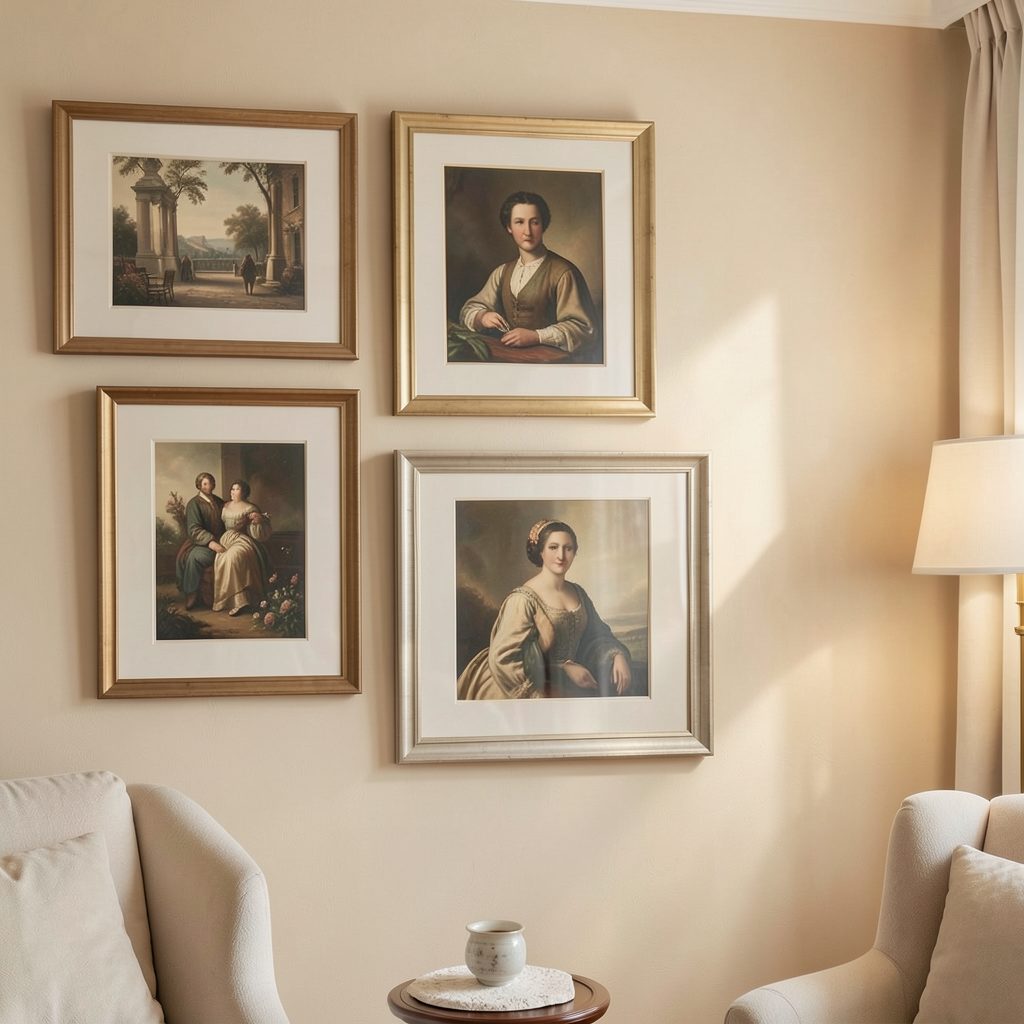
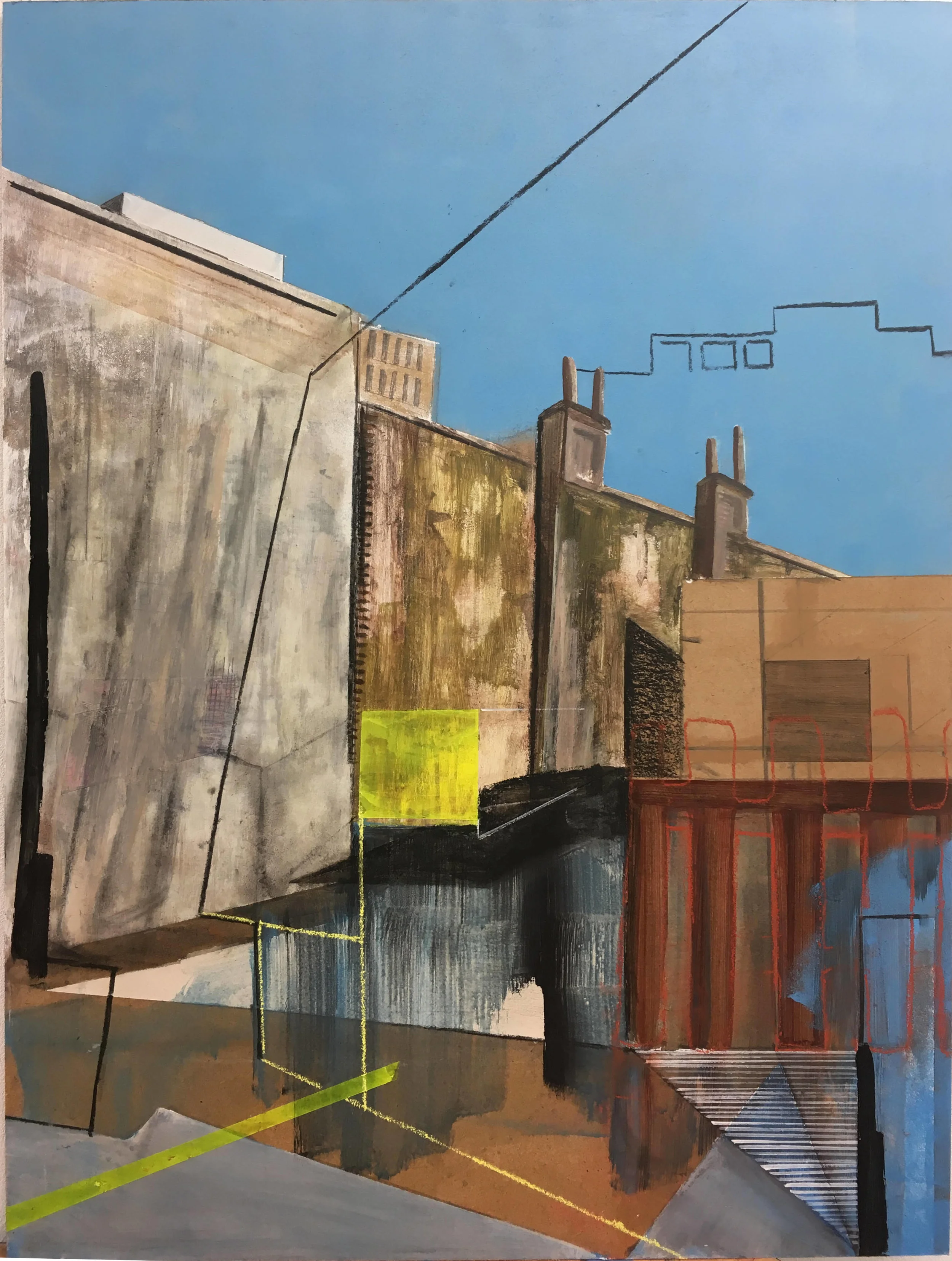
A tiny landscape, abstract study, botanical print, or line drawing can anchor the display. Choose an image with enough contrast to remain visible against the wall, but avoid artwork so bold that it competes with the mirror. A small piece leaning against the wall often feels relaxed, while a framed work hung just above the shelf creates a more finished arrangement.
Unusual proportions can make a small display more distinctive, particularly when a narrow print or panoramic image fills an awkward space. Explore these framing techniques to make unconventional artwork look deliberate rather than difficult to place.
Build A Balanced Object Group
A successful bathroom shelf arrangement usually combines height, shape, and texture. Start with the tallest piece at one side or slightly off-center, then add a medium object and a low horizontal item. This creates movement without making the display feel symmetrical or rigid.
Useful decorative objects include a small bud vase, lidded ceramic jar, stone dish, amber bottle, sculptural candleholder, or smooth wooden object. Select pieces that have a purpose when possible. A beautiful soap dispenser or tray can serve the room while contributing to its visual style.
Keep repeated shapes to a minimum. Several round vessels may look flat when grouped together, whereas a rounded vase beside a rectangular frame and a shallow dish creates stronger contrast. Odd-numbered groupings often feel natural, but the more important principle is variation with restraint.
| Shelf Element | Useful Role | Suitable Materials | Styling Note |
|---|---|---|---|
| Small framed print | Adds personality and a focal point | Sealed wood, metal, acrylic | Lean or hang it slightly off-center |
| Ceramic vessel | Introduces height and softness | Stoneware, porcelain | Use for a stem, cotton buds, or display |
| Shallow tray | Groups small essentials | Stone, wood, lacquer | Prevents loose items from looking scattered |
| Lidded jar | Conceals practical contents | Ceramic, glass, bamboo | Repeat one finish elsewhere in the room |
| Small plant | Brings color and life | Glass, glazed ceramic | Choose a humidity-tolerant variety |
Work With Color And Texture
A limited palette helps small bathroom displays appear calm. Begin with the dominant room colors, then choose one accent shade for art or accessories. Black, cream, pale wood, muted green, and warm terracotta are versatile choices, while cobalt or burgundy can add a stronger editorial note in an otherwise neutral space.
Texture keeps a restrained palette from looking dull. Pair glossy tiles with matte pottery, smooth glass with woven fibers, or a crisp print with a rough stone vessel. These subtle changes are particularly effective in minimalist bathrooms, where there are fewer objects competing for attention.
Soft furnishings can support the shelf styling without matching it exactly. A small bath mat or textile in a related tone can connect the display to the floor; browse these bathroom rug ideas for ways to add warmth and pattern without overwhelming a compact room.
Arrange For Everyday Use
Decorative styling should respect the practical rhythm of the bathroom. Keep frequently used products toward the front or at one end of the shelf, and place fragile artwork away from areas where water is likely to splash. A tray makes several small objects easier to move during cleaning and gives functional items a defined boundary.
If the shelf is above a basin, leave enough clearance around the tap and mirror. Reflections can double the visual impact of a display, so check how the arrangement looks from different angles. A group that appears balanced straight on may look too tall or busy in the mirror.
Consider maintenance when selecting details. Dust-resistant ceramics, washable trays, and sealed frames will remain attractive with less effort. Avoid paper labels, untreated wicker, and delicate fabrics unless the shelf is far from direct moisture.
Create A More Curated Display
The final edit is often more important than the first selection. Step back and remove one object if the shelf feels crowded. Look for a clear focal point, a visible section of wall, and a connection between the display and the room’s larger decorating scheme.
Layering can make a shallow shelf feel dimensional. Place a print at the back, a medium vessel in front of one corner, and a low dish across the remaining space. Vary the distance between pieces instead of lining everything up evenly, but keep enough order that the arrangement remains easy to use.
Refresh small details seasonally or whenever the room begins to feel stale. Replace a stem, rotate the artwork, or switch a colorful vessel for a neutral one. These small changes preserve the character of the bathroom while keeping the shelf from becoming invisible through familiarity.
Practical Styling Recommendations
- Choose sealed, glazed, or moisture-resistant materials for anything near a bath or sink.
- Limit the display to three or five main pieces, with one clear focal object.
- Combine a vertical artwork or vessel with a low tray to create varied height.
- Repeat one color or finish from the mirror, tap, tile, or flooring.
- Leave open space so the shelf remains easy to clean and use.
A well-styled shelf can make a bathroom feel more personal without adding clutter. Begin with one small artwork, build around it with useful decorative objects, and edit until every piece has enough room to be appreciated. For more gallery-inspired home ideas and thoughtful ways to display art, subscribe to Focus LDN’s email updates and bring a little more intention to the rooms you use every day.