How to style a windowsill with mini canvases in a home office
Mini canvases bring colour and personality to a home office without the weight of large artwork. Sized for a narrow ledge, these little pieces can sit behind a monitor, beside a lamp or above a compact desk. The key is to make the sill feel deliberate rather than crowded.
The surface matters as much as the art. Older terrace homes in Melbourne and Sydney often have deep timber or stone sills, while newer apartments may have only a slim strip of space. Measure the usable width before choosing anything, and keep the arrangement low enough to preserve daylight and the view beyond the glass.
Light is especially important in Australia. North-facing windows can deliver strong year-round sun in Sydney, Melbourne and Brisbane, and repeated exposure may fade printed images or damage canvas surfaces. Plan the display around that reality instead of treating the ledge as an ordinary shelf.
A coordinated group also helps the office feel polished. Warm neutrals, coastal tones or earthy colours sit comfortably with rendered brick, pale timber and white walls common in Australian interiors. Choose a clear focal point, then use smaller canvases to echo its colours without competing with it.
Measure the ledge and check the light
Start with a paper template of each sill, including the window frame, hinges and blind cords. Mark the available depth and approximate width of the open area. A group that looks balanced on paper can become lopsided if one canvas sits too close to a sloping edge or another is hidden behind the desk.
Place the largest piece near one end rather than in the centre when the sill is narrow. This creates a visual anchor and leaves breathing room for the eye to travel. Aim for at least five centimetres of clear space at each end, even when using a compact arrangement.
Check the sill at several times of day for glare, reflected heat and shadows from blinds. UV-filtering window film can help protect both art and eyes, while rotating lightweight pieces occasionally reduces uneven fading. Move the canvases away from the lowest edge if condensation appears during humid weather.
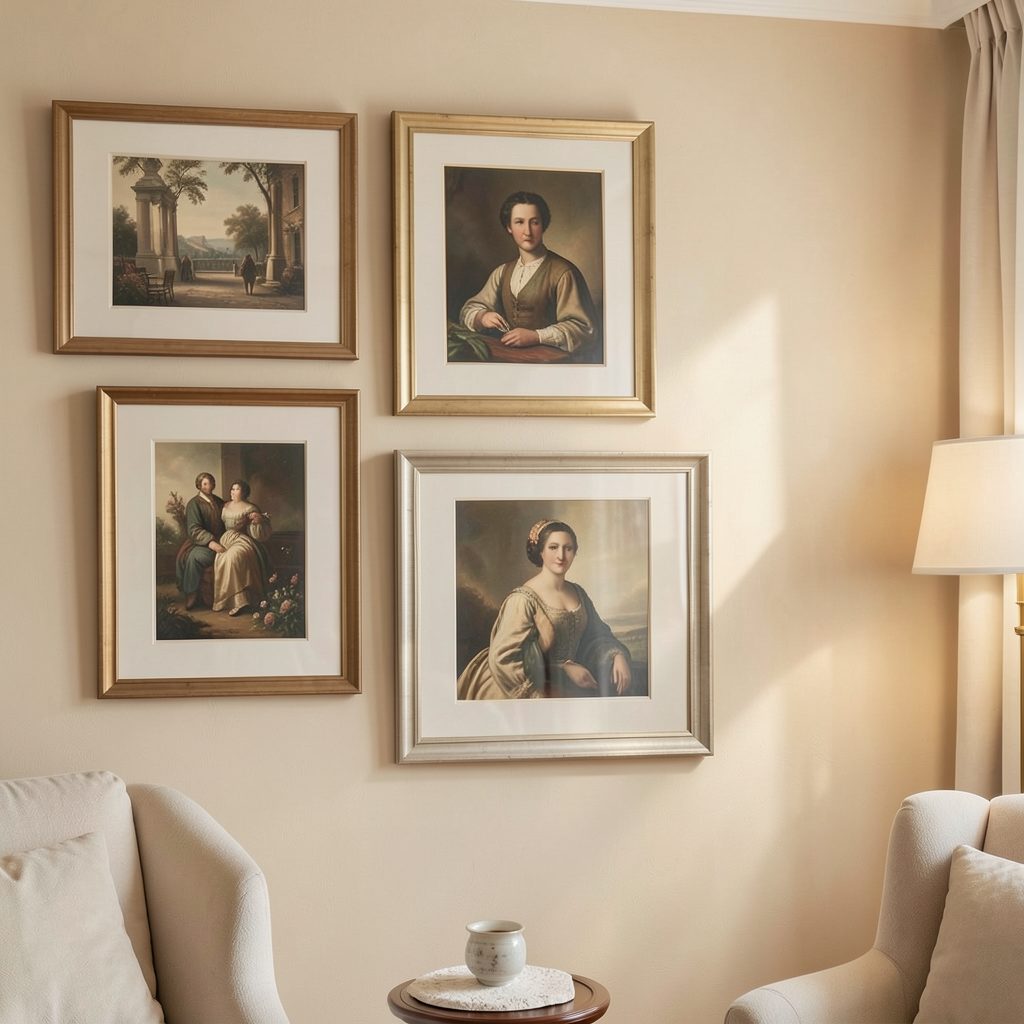
On an unusually deep ledge, the spacing and anchoring principles in gallery wall planning can translate well when the proportions are scaled down.
Build a balanced mini gallery
Odd-numbered groups usually feel relaxed on a windowsill. Three canvases create a calm display, while five can fill a wider ledge without becoming rigid. Vary the heights slightly and keep the larger work in the middle or at one end. The goal is gentle rhythm, not a perfectly aligned row.
A simple grouping artwork in fives approach can be adapted to smaller pieces by repeating the same gaps and visual weight. Keep the colours related, mix orientations where possible and leave enough space for each canvas to remain visible.
Support the artwork so it cannot slide. Small clear acrylic bumpers, felt pads or removable adhesive blocks work on most clean, level surfaces; check the product before use on painted timber or rental-apartment sills. Keep handles, sash locks and cleaning access clear, especially if the window opens.
Choose canvases for your space
Most mini canvases range from around 15 by 20 centimetres to 30 by 40 centimetres, but formats vary. Bring the measurements with you or compare dimensions online, including the canvas depth. A piece that appears small in a product photo can overpower a shallow sill once its stretcher bars are visible.
Choose a mix of orientation if the ledge allows it. Two upright rectangles beside one landscape can make the window feel layered, while three matching shapes create a neat, no-fuss effect. Keep the palette to two or three neighbouring colours for a cohesive look, then introduce contrast through the subject or scale.
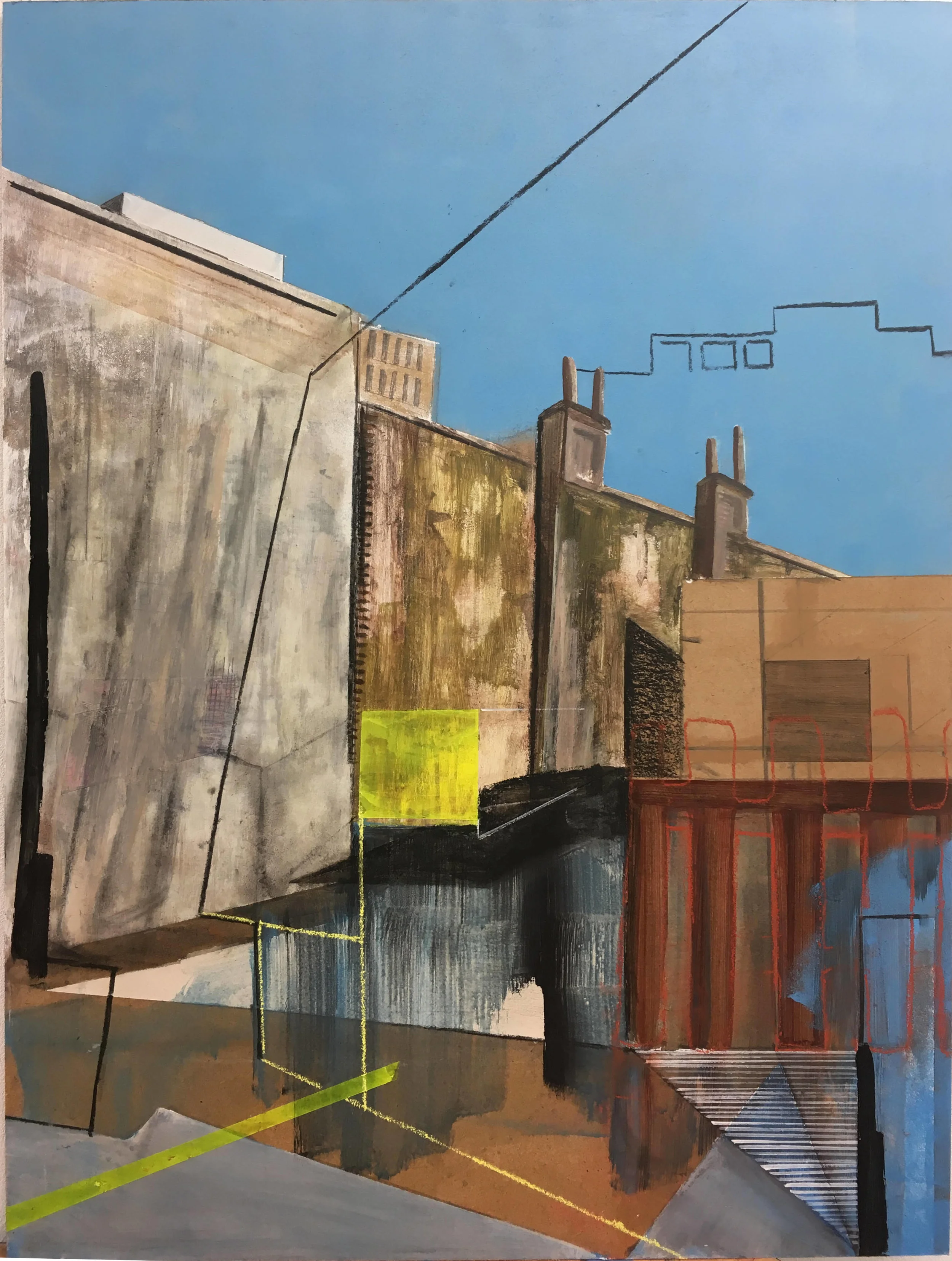
Local work can give the display a genuine sense of place. Australian artists often explore botanicals, coastal scenery, abstraction and outback-inspired colour. Visit neighbourhood studios in Melbourne’s Collingwood and Fitzroy or Sydney’s Surry Hills, or browse established online galleries that list consumer prices in Australian dollars with GST included.
Add texture without clutter
A windowsill is an ideal place for one small object to bridge art and décor. A timber block, ceramic vessel or woven tray can add warmth, but it should support the arrangement rather than compete with it. A trailing plant is another option, provided its leaves do not touch damp canvas or obscure the smallest piece.
In a working office, resist filling every gap. Keep the area nearest the desk relatively open for a lamp, speaker or daily essentials. Hide charger leads along the wall, and position the art above the monitor rather than directly behind it to avoid distracting reflections.
Test the display in your office
Photograph the proposed layout before purchasing, using paper templates or images cut to the correct scale. View the mock-up from your chair as well as from standing height. If the composition only works at one angle, simplify it; a good windowsill display should read clearly while you work.
Live with the arrangement for a few days before adding more. Note where sunlight falls, whether the sill collects dust and whether the canvases need extra support. You can explore gallery art for pieces that fit the measured space, but filter by size before choosing a favourite. The finished effect should feel like a beaut, no-fuss addition to the room.
Choose one focal canvas and a complementary smaller piece, then use the paper-template method to test the arrangement before they arrive. Subscribe to Focus LDN for practical decorating ideas and fresh inspiration for calm, characterful Australian spaces.