How to Hang Art in a Closet-to-Home-Office Conversion
Turning a wardrobe, spare closet or compact storage room into a home office creates a useful work zone without taking over the rest of the house. Once the shelves are removed and a desk is installed, artwork can make the new nook feel intentional rather than improvised.
Hanging art in a small office requires more planning than simply filling an empty wall. You need to work around doors, shelving, task lighting and limited viewing distance, while choosing pieces that support concentration. In Australian homes, where apartments and smaller rooms are common in Sydney, Melbourne and Brisbane, a carefully arranged wall can deliver plenty of character without making the workspace feel crowded.
Assess The New Office Walls
Begin by studying the wall surfaces after the closet fittings have been removed. Patch screw holes, smooth uneven plaster and repaint before choosing artwork. A clean backdrop makes even a modest print or photograph look considered, while a damaged wall can make a gallery arrangement appear untidy.
Check where the door swings, where power points sit and how much wall remains above the desk. In a narrow conversion, the wall facing the chair often has the strongest visual impact, but a side wall may be safer if the main surface is interrupted by shelving. Mark the desk width with painter’s tape so you can judge the available art area before drilling.
Plan Around The Desk
The centre of a single artwork should generally sit close to eye level when you are seated, rather than at standard standing gallery height. Aim for the visual centre to fall around 145–155 centimetres from the floor, adjusting it to suit your chair and monitor position. This keeps the piece visible without forcing you to look sharply upwards.
Leave enough space between the artwork and desk accessories. A framed print should usually sit at least 15–25 centimetres above the desk surface, allowing room for a lamp, notebook or small plant. If your office is in a converted robe beneath a staircase or in a compact Melbourne terrace, this breathing space will help the nook feel less compressed.
Choose Art That Supports Focus
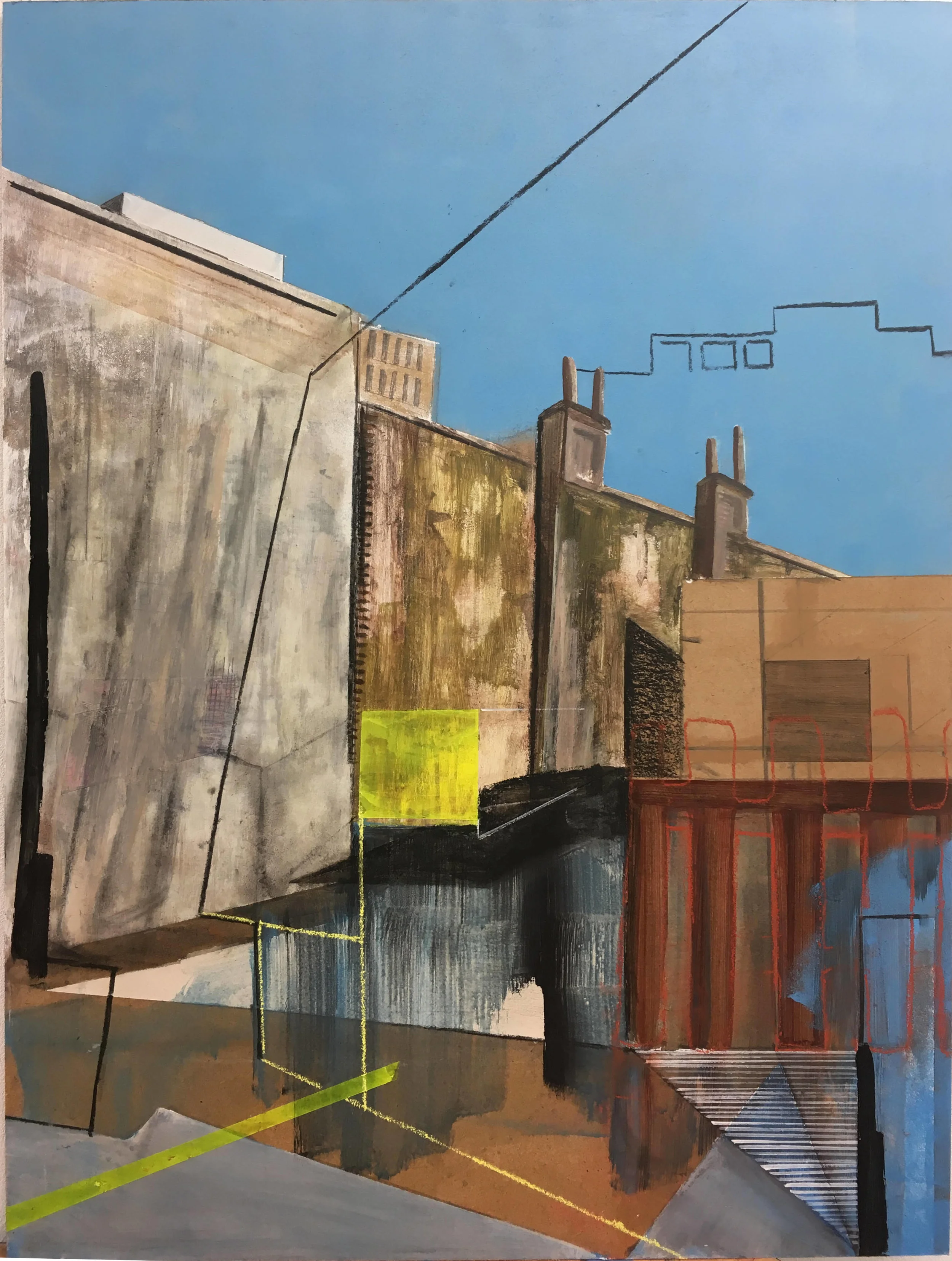
A home office benefits from artwork with a clear visual rhythm. Abstract forms, architectural photography, botanical studies and restrained line drawings can add interest without competing with emails or video calls. Soft neutrals suit minimalist interiors, while a single saturated colour can echo a desk chair, rug or storage box.
Avoid placing highly detailed pieces directly behind the monitor if they create visual noise during the working day. Instead, use one quiet focal image above the desk and reserve more expressive works for a nearby side wall. A small photographic print from a local artist or a work sourced through a Sydney or Melbourne gallery can give the office a stronger connection to place.
Build A Compact Gallery Wall
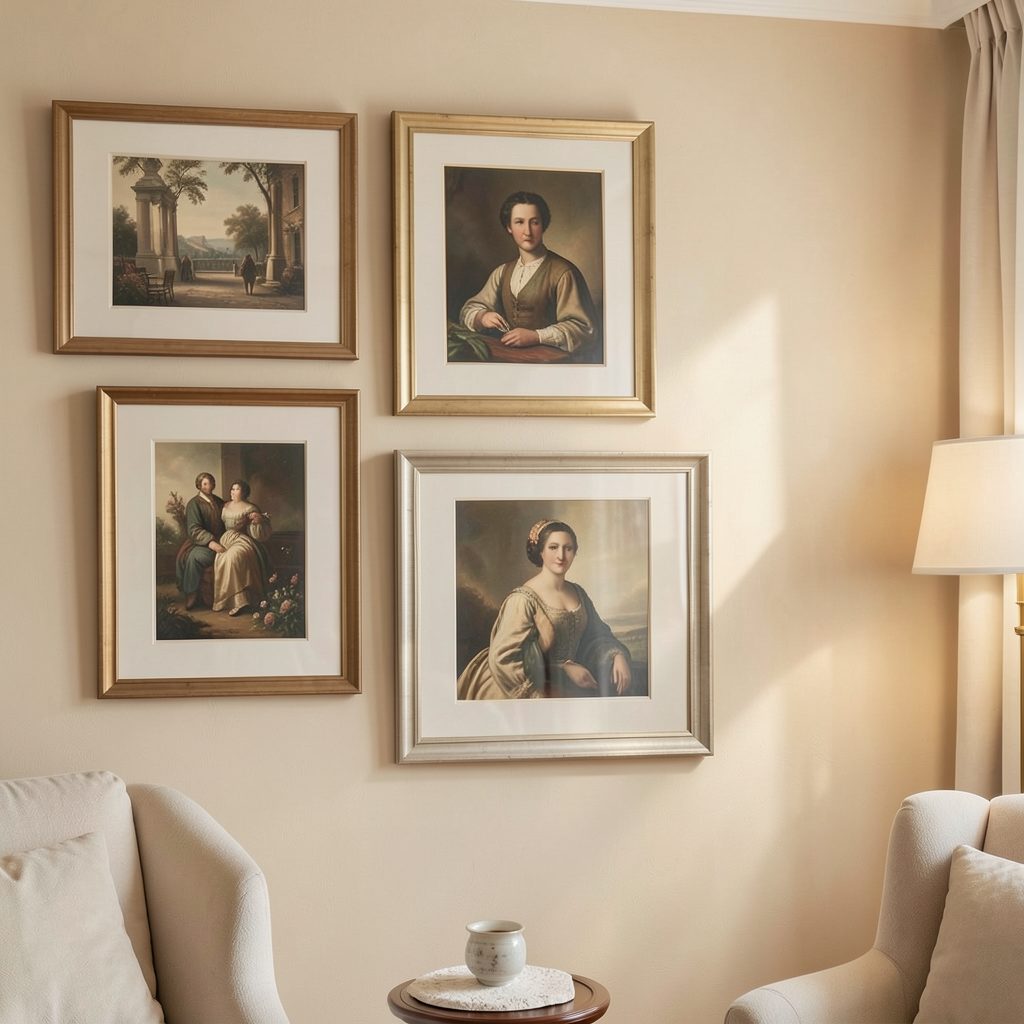
A gallery wall can work beautifully in a closet-to-home-office conversion when its dimensions follow the furniture below. Keep the overall arrangement slightly narrower than the desk, or align its outer edges with the desk corners for a structured look. Three to five small works are often enough for a compact office.
Lay the frames on the floor first, using paper templates if the wall is awkwardly shaped. Keep gaps consistent, usually between five and eight centimetres, and begin with the largest piece before balancing it with smaller works. For further guidance on proportion and spacing, this gallery wall guide offers useful ideas for creating a cohesive display.
Select Frames For A Small Space
Frame finishes can make the office feel either calm or visually busy. Pale timber works well with white walls and Scandinavian-inspired furniture, while black frames add definition to a monochrome scheme. Brass or aged metal can suit a more traditional Australian interior, especially where the room includes timber flooring or heritage details.
Use one consistent frame colour when the wall is narrow or the art varies in style. A mixed-frame display can be successful, but repeat at least one element, such as the mat colour, frame depth or artwork palette. Ready-made frames from Australian retailers such as Kmart, IKEA and Officeworks can be useful for inexpensive prints, while custom framing is worthwhile for original works or unusual sizes.
Hang Art Safely And Precisely
Choose fixings according to the wall rather than the frame alone. Plasterboard may need a hollow-wall anchor, while masonry walls in older Sydney apartments can require a suitable drill bit and plug. If you are renting, removable hanging strips may work for lightweight prints, but check their weight rating and test them discreetly first.
Use two fixing points for wider frames to reduce tilting, and check every measurement with a spirit level. In Brisbane or coastal areas such as Perth, humidity and salt air can affect paper, wood and metal over time. Keep valuable artwork away from direct sun, air-conditioner outlets and damp corners, and use glazing with UV protection where possible.
Connect The Display To The Room
Art should relate to the rest of the office through colour, texture or subject. A green botanical print can connect with a potted plant, while a black-and-white photograph may repeat the tone of a desk lamp or shelving brackets. These quiet links make the conversion feel designed rather than decorated in isolation.
Think about the view from the rest of the home as well. If the office occupies a former linen cupboard near a hallway, choose a display that looks polished when the door is open. For additional inspiration around placement and atmosphere, explore these artwork display ideas before finalising the wall.
Practical Details Worth Prioritising
A successful office artwork arrangement should be attractive, stable and easy to live with. Use these practical checks before making the final holes:
- Keep artwork clear of chair backs, cupboard doors and adjustable monitor arms.
- Choose lightweight frames for plasterboard and heavier works for securely fixed masonry.
- Leave enough negative space around a gallery wall to prevent a cramped appearance.
- Use archival mounts or UV-filtering glazing for original works and works on paper.
- Repeat one colour from the artwork in a cushion, desk accessory or nearby storage box.
- Photograph the arrangement before drilling so you can review its balance from the doorway.
- Dust frames regularly and inspect fixings after moving furniture or changing the desk layout.
A converted closet often becomes warmer than the rest of the house because air circulation is limited. Keep artwork away from heat-producing equipment, allow ventilation around the desk and avoid storing damp coats or textiles beside framed pieces. These small precautions matter in Australia’s varied climate, from humid Queensland summers to dry inland conditions.
Take time to live with the arrangement before adding more pieces. The best office walls leave room for the eye to rest and for the workspace to evolve. Once the art is positioned, finish the nook with a focused light source, comfortable chair and a small amount of closed storage so the display remains the visual feature.
For more considered decorating ideas, artwork placement guidance and gallery-style interiors, browse Focus LDN and subscribe to the email updates. A thoughtfully hung piece can turn the smallest work zone into a calm, personal part of the home.