Choosing eye-level art for a bedroom with a platform bed
Choosing Eye-Level Art for a Bedroom with a Platform Bed starts with how the room feels in use, not a measurement copied from an empty wall. A platform bed raises the mattress and headboard, so a picture’s centre may feel higher than intended when you sit up to read.
Eye level is a moving target. It changes when you lie down, stretch your feet to the floor, or sit against the headboard, and it can shift with a thicker doona or new mattress. Tape the proposed position on the wall and view it from the pillow and doorway.
In compact Australian apartments, where bedrooms often double as studios, artwork must also make sense at a distance. A composition that looks intimate from bed may disappear across the room, while one that appears strong from the doorway can overpower the pillows. Testing both viewpoints prevents a display designed only for close inspection.
Start with the sightline you actually have
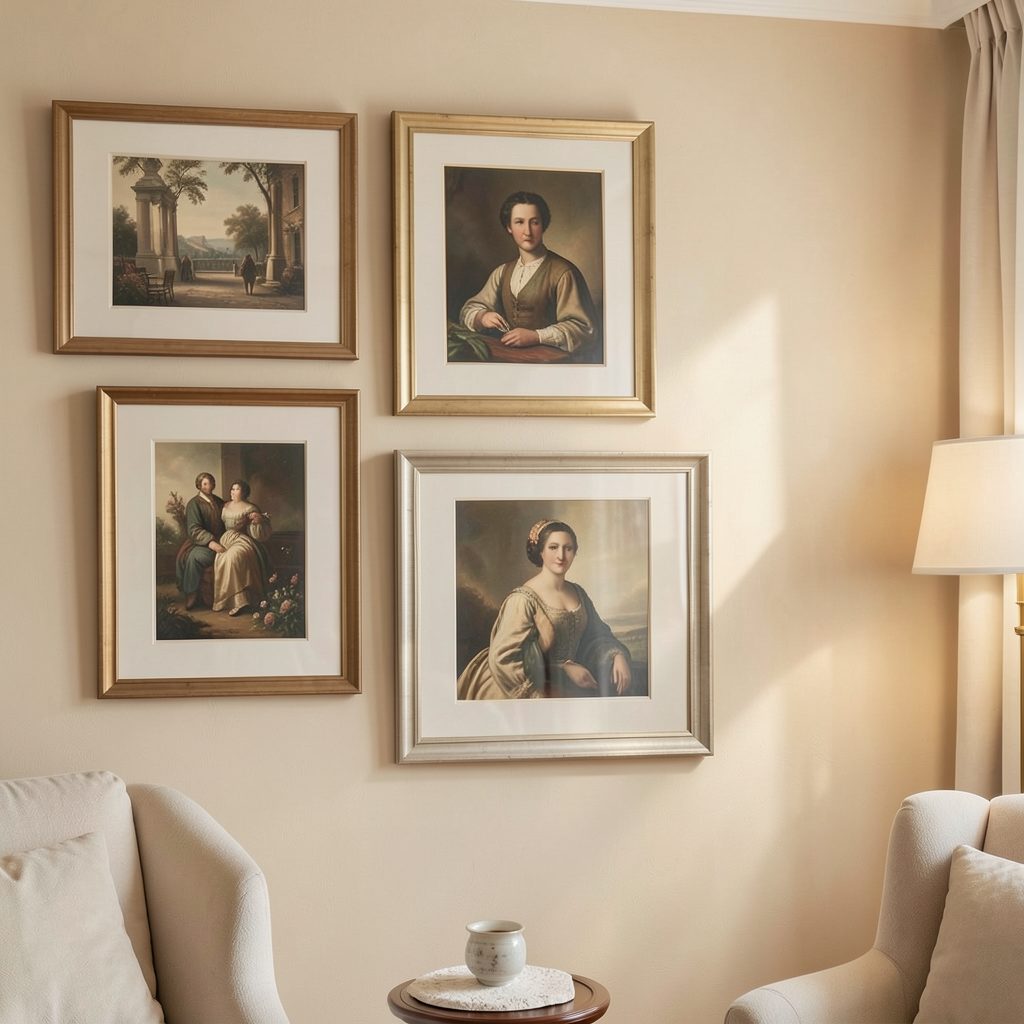
Stand or sit in the position you use most, then mark your eye level lightly with removable tape. For one large work, place its visual centre close to that line; for a pair or small arrangement, align the centre of the whole composition rather than each object separately.
The familiar 145 to 155 centimetre gallery benchmark is useful, but not a rule. A high platform frame can make that height feel low, whereas a low frame may need a slightly higher composition. Leave roughly 15 to 25 centimetres between the top of the headboard and the artwork, adjusting for the angle you will actually view from the pillow.
If the room is a converted study, small-space decorating ideas can balance the bed with its other functions. In Sydney, Melbourne and Brisbane, small apartments make this visual connection more important than perfect symmetry.
Match the artwork to the bed
Measure the bed rather than relying on mattress size alone. Most Australian queen and king mattresses are about 153 centimetres wide, but platform frames can be considerably wider. As a starting point, let the artwork group span about two-thirds to three-quarters of the headboard; one wide print can create the same effect as a triptych without adding visual busyness.
If the wall is narrow, choose a vertical piece or diptych rather than forcing a broad horizontal format. For a large timber platform, an oversized canvas may balance the bed, while a delicate frame can look underscaled. Make paper templates at the planned size, tape them to the wall, and leave them for a day.
Build a palette for rest
Begin with the colours already present in the bedding, walls and bedside tables. The art can echo one muted tone, introduce a darker anchor or add a single saturated accent without turning the bedroom into a coordinated showroom. A little contrast helps the artwork remain legible against the wall.
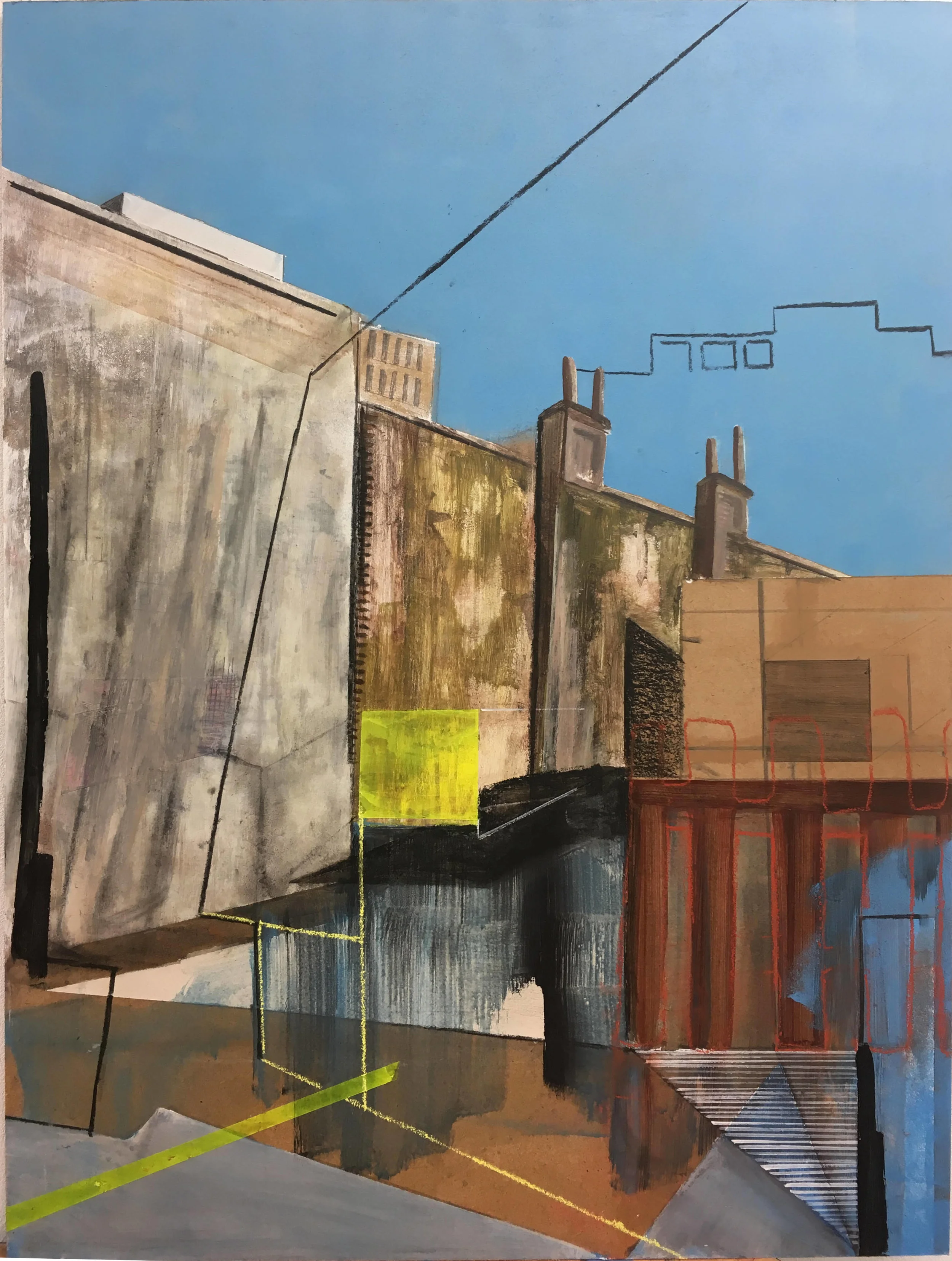
Australian buyers can explore originals and limited-edition prints through local galleries, artist studios and weekend markets in Melbourne and Sydney, plus online collections from Australian makers. Choose imagery that feels restorative: botanical forms, abstract colour fields or spare landscapes usually settle more easily into a sleeping space than crowded figurative scenes.
Keep frames visually light
A slim frame in black, warm timber, brushed metal or off-white can support the artwork without competing with the bed. The best profile depends on the image: pale expanses benefit from a darker outline, while colourful work may suit quiet timber or a neutral surround. Match the finish to one room detail rather than every object.
Mats can create breathing space, but avoid making them so wide that the image appears remote. Glass with anti-reflective coating is useful where lamps or daylight create glare, and museum-style acrylic is safer in a busier family home. For a collection of small works, discreet captions inspired by gallery label examples can add context without turning the bedroom into a museum.
Plan lighting for both moods
Check the wall at different times before choosing its final position. Australian windows can admit strong morning or afternoon light, and a frame that looks right at midday may reflect after dark. Turn off the overhead light, view the piece from bed, and note whether the image disappears in shadow.
A warm LED lamp at about 2700K creates a softer evening atmosphere than a cool ceiling fixture. Position it so it washes the artwork at an angle rather than shining directly into the sleeper’s eyes, and use a dimmer when the wall has an art light. If the arrangement includes a new wall fitting, have a licensed electrician handle the wiring and check that it meets Australian electrical requirements.
Check Australian rental and apartment rules
In a strata apartment, read the lease and ask the owner or agent before drilling, hanging heavy frames or altering a light fitting. Owners’ corporation rules can cover common property, external walls and fire-safety provisions, while consent requirements differ between NSW, Victoria and Queensland. Permission may be needed even when the artwork will later be removed.
Use two secure hanging points rated for the frame’s weight and wall type, and never rely on a single adhesive hook above a bed. In an older Australian property, check its history before penetrating a wall that may contain asbestos, and use a professional if uncertain. These checks protect the artwork, occupants and lease.
Coordinate art with the whole room
Repeat one colour from the artwork in the bedding, but keep the larger visual rhythm simple: art above, pillows below, and a narrow band of wall between them. Cushions can soften a severe platform frame, while a slim lamp or small table can balance the composition without crowding the path around the bed.
If the headboard wall is too short for a satisfying arrangement, place a salon-style group on the adjacent wall at seated eye level and let the bed remain the room’s horizontal anchor. The broader bedroom styling guide offers useful ways to connect scale, texture and lighting before the frames go up.
Choose one focal wall, mark the centre at seated eye height, and view the arrangement from both the pillow and doorway before buying. Select the artwork, frame, lighting and fixing method as one plan rather than separate decisions.
Join the Focus LDN email list for practical bedroom styling, gallery-wall guidance and art-display inspiration for stylish Australian homes. Subscribe, save the ideas that suit your space, and make your next decorating choice with confidence.