Decorating a Studio with Art That Doubles as a Headboard
A studio apartment asks every wall and surface to work harder. When the sleeping area shares space with the living room, a conventional headboard can feel bulky, while a blank wall may leave the bed looking unfinished. Artwork offers a more flexible solution: it defines the bed, adds personality, and creates a focal point without consuming valuable floor space.
Large-scale paintings, framed textile panels, photographic prints, and carefully arranged smaller works can all become part of the sleeping zone. The right composition gives the bed visual presence while preserving the open, gallery-like feeling that makes a studio feel larger.
The key is to treat the artwork as architecture. Its scale, colors, frame depth, lighting, and relationship to nearby furniture should be considered together. A successful arrangement feels intentional from every angle, whether viewed from the entry, sofa, kitchenette, or bed.
Start With The Bed’s Visual Boundary
Before choosing art, decide where the sleeping zone begins and ends. In a compact apartment, the bed may sit against the longest wall, beside a window, or in a shallow alcove. Artwork can reinforce that boundary by creating a strong horizontal band behind the pillows.
A single oversized canvas works especially well when the bed is the main feature of the wall. Choose a piece that is slightly narrower than the mattress and bedside tables combined, or extend the artwork beyond the mattress edges without overwhelming the room. The bottom edge should sit low enough to relate to the pillows, while remaining safely above the head of the bed.
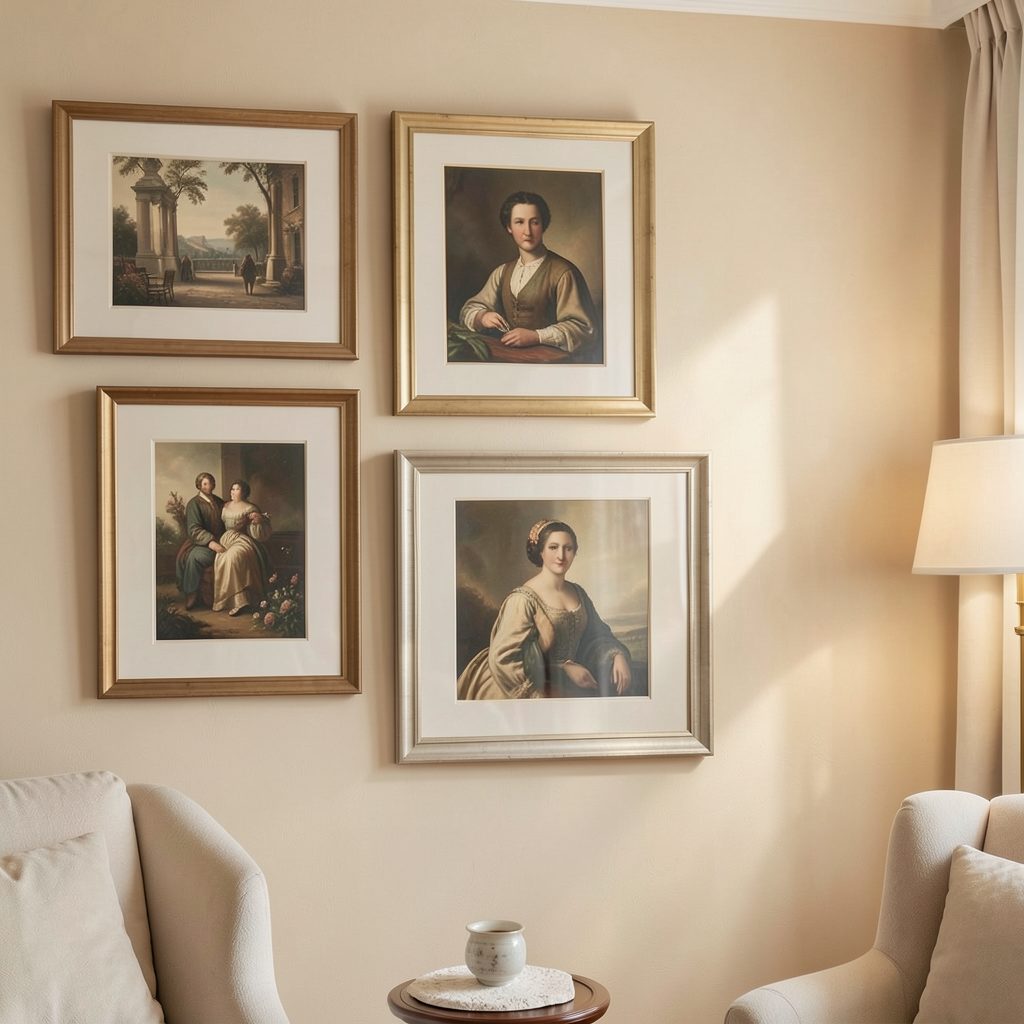
For a softer effect, use two or three vertical works aligned across the wall. Matching frames create order, while varied artwork inside a consistent frame style gives the composition a collected quality. Leave enough breathing room around the arrangement so it reads as a focal point rather than visual clutter.
Choose Artwork That Can Carry The Room
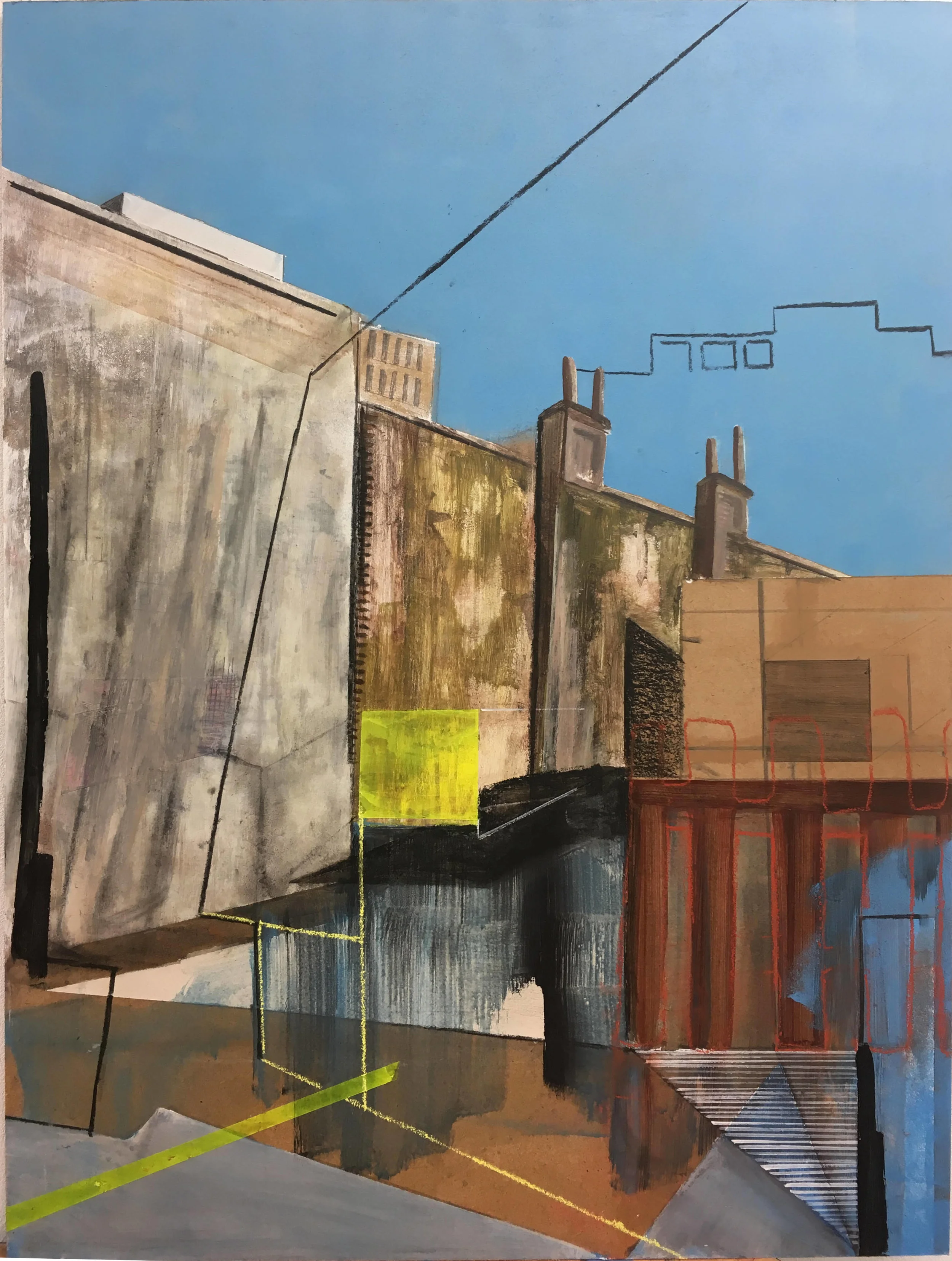
A studio benefits from art with a clear presence. Subtle pieces can disappear against pale walls, while overly busy works may compete with bookshelves, kitchen cabinetry, or a television. Look for an image with one dominant shape, a limited palette, or a texture that can be appreciated from close range.
Abstract paintings are a natural choice because they do not impose a literal theme on the sleeping area. Landscapes, architectural photography, botanical studies, and graphic textile art can work just as well. If the studio already contains colorful furniture, let the headboard artwork repeat one or two existing tones rather than introducing an unrelated palette.
Consider the mood created by the surface. Linen-mounted prints and raw wood frames bring warmth to a minimalist room. Glossy photography adds a sharper, more urban character. Thick canvas or sculptural mixed-media pieces make the bed feel grounded, though they should be securely installed and kept away from areas where they could be knocked.
Balance The Art With Textiles And Flooring
Art above the bed becomes more convincing when the rest of the room supports its colors and scale. Bedding should echo a minor shade from the artwork rather than match it exactly. A neutral duvet allows a saturated painting to stand out, while patterned pillows can connect the sleeping zone to the living area.
Floor coverings are equally important because they visually anchor the bed. A low-pile rug placed partly beneath the bed can define the sleeping area without creating a trip hazard. For ideas on coordinating pattern, texture, and color underfoot, explore these rug decorating ideas before finalizing the palette.
Keep the relationship between wall and floor relaxed. If the artwork has strong geometric lines, a softly textured rug can provide contrast. If the artwork is muted and painterly, a striped or subtly patterned rug may add enough structure to prevent the studio from feeling flat.
| Artwork Approach | Best For | Frame Or Mounting Choice | Studio Effect |
|---|---|---|---|
| Oversized canvas | A bed on a single uninterrupted wall | Deep canvas or slim gallery edge | Bold, calm focal point |
| Three aligned prints | Renters or frequently changing decor | Matching slim frames | Structured and adaptable |
| Framed textile | Soft, tactile interiors | Shadow box or floating mount | Warm and distinctive |
| Diptych | Wide beds and long walls | Two coordinated frames | Architectural and balanced |
| Leaning artwork | Low-commitment styling | Secure picture ledge | Casual, layered atmosphere |
Work With The Studio’s Sightlines
In an open-plan apartment, the headboard wall is visible from several directions. Stand at the entry and examine whether the artwork still looks balanced when the bed is partially obscured. A piece that works beautifully from the pillow may feel too narrow or too low when viewed from the kitchen.
Use the art to guide movement through the room. A horizontal painting can draw the eye toward the sleeping area, while a vertical pair can emphasize ceiling height. If the bed is positioned near a partition, align the artwork with a nearby cabinet, pendant, or window mullion to make the layout feel deliberate.
The wall behind the bed does not have to be completely isolated. A small shelf, wall sconce, or narrow ledge can frame the artwork, provided these elements do not crowd it. Keep bedside objects restrained so the main composition remains legible.
Make A Rental-Friendly Installation
Heavy art needs dependable support, especially above a bed. Check the weight of the frame and use suitable wall anchors rather than relying on a single lightweight nail. For renters, a picture ledge, rail system, or freestanding screen can provide flexibility without requiring extensive drilling.
A large piece can also be mounted on a slim plywood panel or decorative wall board, allowing the artwork and backing to move together. This approach is useful when the bed needs to float slightly away from the wall or when the existing surface is uneven.
Avoid placing fragile glass, sharp-edged frames, or unstable leaning pieces directly above where you sleep. Acrylic glazing is lighter than glass and can reduce risk in a compact room. Always test the stability of shelves and ledges before adding ceramics, candles, or other decorative objects.
Layer Lighting Around The Headboard Art
Lighting determines whether the artwork feels like a considered feature or a dark patch on the wall. Wall-mounted reading lamps on either side of the bed provide useful symmetry, but their position should respect the artwork’s edges. Adjustable sconces can illuminate the surface without washing out glossy prints.
A picture light gives a more gallery-inspired effect and works particularly well above a single painting. Choose a warm color temperature to keep skin tones, wood, and textiles comfortable in the evening. If the artwork includes reflective glass, angle the fixture carefully to avoid glare.
Ambient lighting elsewhere in the studio should support the same mood. A floor lamp near the sofa, a dimmable pendant, or concealed LED lighting behind a ledge can create layers without making the sleeping zone feel overlit. The result should be restful at night and visually clear during the day.
Add Personality Without Losing Calm
The artwork behind the bed can express a collector’s taste while remaining connected to the rest of the apartment. A framed poster from a favorite exhibition, a small artist’s print, or a textile purchased during travel can make the space feel personal. For display inspiration beyond the bedroom, browsing guidance on gallery opening attire can even reveal interesting color combinations, materials, and contemporary styling cues.
If you create artwork yourself, a studio apartment is an ideal place to test a rotating display. Replace one central piece seasonally, or keep the main work fixed and change smaller companions around it. Artists and makers can also submit your art for consideration, turning a private decorating project into part of a wider creative community.
Keep the final arrangement edited. Two meaningful pieces usually have more impact than six unrelated ones. Repetition in frame finish, mat color, or subject matter helps a mixed collection feel cohesive, while a small amount of asymmetry keeps it from appearing overly staged.
A Practical Styling Checklist
Begin with the bed, then build outward so the artwork supports the room instead of dictating every decision. These simple checks help preserve proportion, safety, and visual calm:
- Select artwork that is substantial enough to be seen from the studio’s main entry point.
- Keep the composition centered on the bed or intentionally aligned with a nearby architectural feature.
- Repeat one or two artwork colors in bedding, cushions, curtains, or a rug.
- Use secure hardware, lightweight glazing, and stable shelves for anything above the bed.
- Add warm, adjustable lighting so the art remains visible without disrupting sleep.
A studio headboard does not need to be a separate piece of furniture. With the right scale and installation, a painting, print, or textile can define the sleeping area while preserving every inch of floor space. Choose one compelling focal work, support it with thoughtful materials, and let the rest of the room remain quiet enough for the art to lead. Start with the wall behind the bed, and turn that overlooked surface into the most expressive part of the apartment.