Using Sculptural Wall Art to Add Depth to a Flat Surface
A blank wall can make an apartment feel unfinished, especially when the room relies on clean lines and a restrained colour palette. Sculptural pieces introduce projection, texture and changing shadows, giving a flat surface a sense of movement without filling it with visual clutter.
This approach suits Australian homes particularly well, from compact Sydney apartments to generous Melbourne terraces. The right relief artwork can soften hard plaster, complement natural light and create a gallery-style focal point while keeping the room practical for everyday living.
Choose Relief That Suits the Room
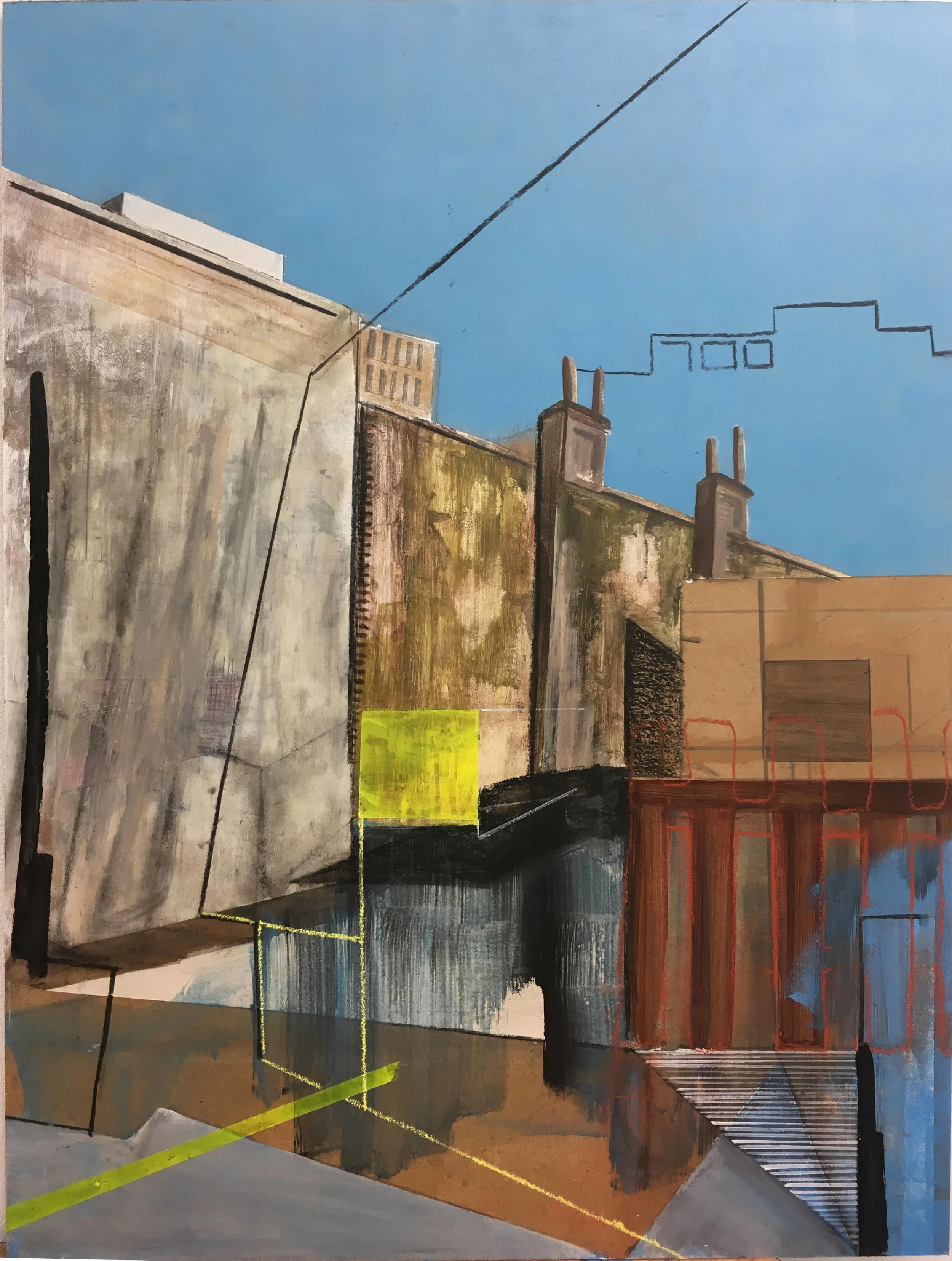
Sculptural wall art can take many forms: carved timber, folded metal, ceramic panels, woven fibre, plaster reliefs and layered paper constructions. A shallow piece works well above a console or bed, while a deeper object needs more breathing room and should be positioned where people will not brush past it.
Consider the room’s existing surfaces before buying. Ribbed timber can echo cabinetry, a rough ceramic work can balance polished stone, and a matte plaster design can calm a wall painted in warm white. For ideas on combining statement works with a broader collection, explore the best places to discover art that could shape your display.
Scale matters as much as texture. A small sculptural object may look lost above a wide sofa, while an oversized work can overwhelm a narrow hallway. Aim for a piece that occupies roughly two-thirds of the furniture width beneath it, leaving enough wall around the edges for the form to stand out.
Use Light to Create Movement
Relief artwork changes throughout the day because its edges catch and release light. In a Brisbane or Sydney apartment with strong northern exposure, deep grooves may cast crisp shadows by morning and softer patterns later in the day. In Melbourne, where overcast afternoons are common, pale textured surfaces can help preserve brightness without relying on glossy finishes.
Avoid placing delicate paper, untreated timber or dyed textile works in direct western sun. Australia’s intense ultraviolet light can fade pigments and dry natural materials over time. Sheer curtains, UV-filtering window film or a position perpendicular to the window can protect the artwork while preserving its dimensional effect.
Artificial lighting also deserves attention. A small wall washer or adjustable picture light can emphasise raised edges after sunset. Keep the beam angled across the surface rather than pointing directly at it; grazing light reveals texture more effectively and prevents a shiny glare on varnished metal or glass.
Build a Layered Gallery Composition
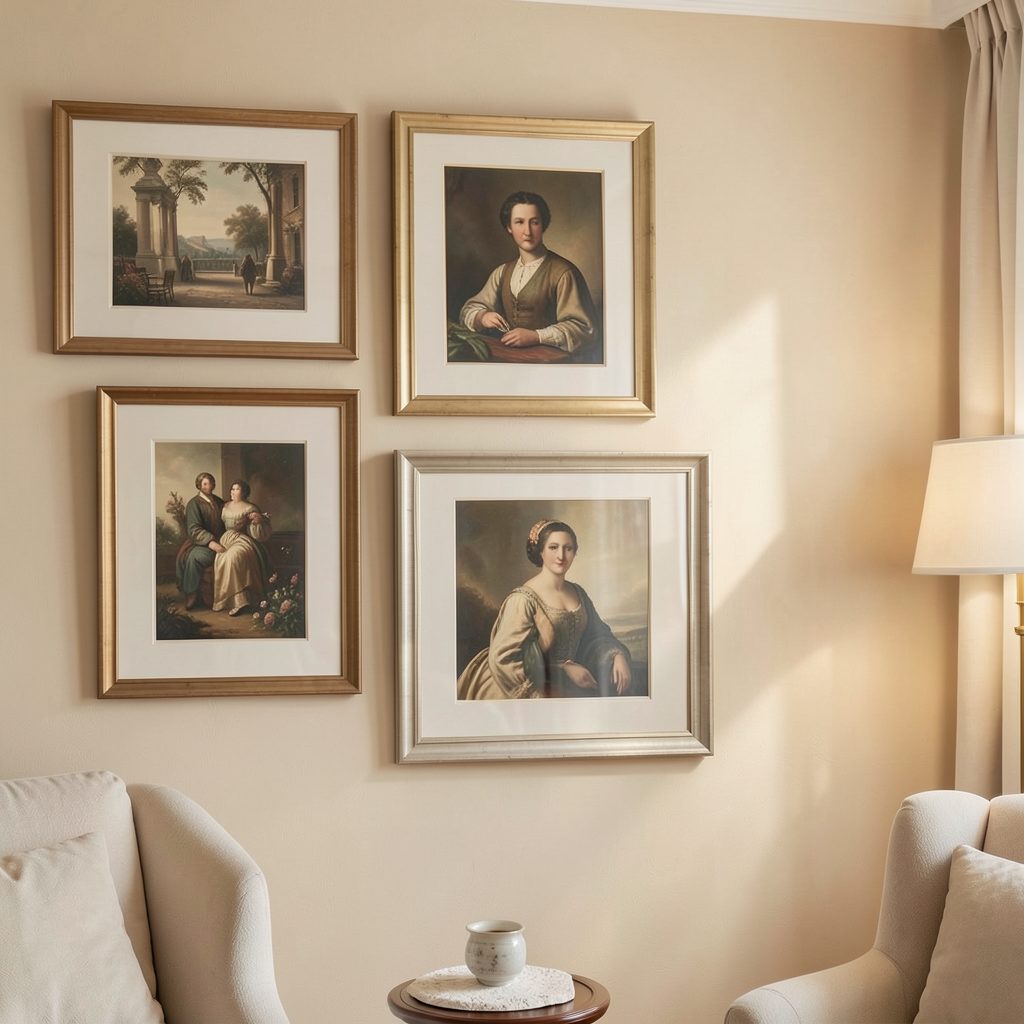
A sculptural piece does not need to stand alone. It can anchor a gallery wall surrounded by flatter works, creating contrast between raised and recessed surfaces. Place the strongest three-dimensional work slightly off-centre, then balance it with framed prints, photographs or small paintings in quieter colours.
Leave generous gaps around the dimensional object. Standard framed art can usually sit closer together, but relief pieces need visual space and physical clearance. A grouping with inconsistent depths can look intentional when its outer edges form a loose rectangle, even if the individual pieces vary in shape.
For a minimalist arrangement, use two or three related works instead of a dense salon wall. Repeating a material, such as blackened steel or pale timber, creates cohesion. Repeating the exact shape too often can make the display feel manufactured, so vary scale and orientation while keeping the palette controlled.
Select Materials and Frames Carefully
Frame selection can either support the sculptural quality or flatten it. Shadow-box frames, floating mounts and deep-set timber surrounds allow an artwork to sit away from the backing board. They are especially useful for woven works, folded paper and low-relief ceramics that need a defined edge.
Australian interiors often suit materials with a tactile, natural character: spotted gum, recycled hardwood, linen, rattan and hand-finished clay. In coastal homes, however, salt air and humidity can affect untreated metal and timber. A sealed surface and corrosion-resistant hardware will help the piece remain stable in areas such as Perth, Wollongong or the Gold Coast.
If you are combining several objects, keep the frame finishes related rather than identical. Natural timber can sit comfortably beside brushed brass, while glossy black may compete with a highly textured work. A useful ultimate guide can help refine the relationship between artwork, framing and the wider room scheme.
Install It for Safety and Stability
Before drilling, check whether the wall is plasterboard, brick, concrete or a lightweight partition. The fixing method must suit both the wall and the object’s weight. Heavy relief panels may require studs, masonry anchors, a French cleat or professional installation rather than a standard picture hook.
Renters should check their agreement and state or territory rules before making alterations. Australian tenancy regulations vary, and some homes permit minor picture hooks while others require written approval for larger fittings. In strata apartments, building by-laws may also restrict drilling into shared walls or require consideration of services concealed behind them.
Measure twice and mark the centre line with painter’s tape before lifting the artwork into place. Keep low-hanging pieces away from busy walkways, children’s play areas and beds where an insecure object could become a hazard. In bathrooms, use materials rated for moisture and keep artwork away from direct shower spray.
A Practical Styling Checklist
Start with the function of the wall and the behaviour of the people using the room. A hallway needs a shallow profile, a bedroom benefits from quiet texture, and a living room can accommodate a larger focal piece. In compact apartments, the best works are often those that add character without taking up floor space.
Use these quick checks before purchasing:
- Measure the wall and the furniture below it
- Note direct sun, humidity and evening lighting
- Check the artwork’s depth and total weight
- Confirm fixing requirements with the supplier
Then assess how the piece will relate to the rest of the room:
- Repeat one colour from nearby textiles or furniture
- Pair raised surfaces with flatter framed works
- Leave clear space around strong textures
- Keep the overall palette limited and calm
A paper template cut to the artwork’s dimensions can reveal whether the scale feels right before installation. Tape it to the wall for a day and view it from the sofa, doorway and dining table. This simple step is particularly helpful in open-plan Australian apartments, where one wall may be visible from several zones.
Treat the finished arrangement as part of the architecture rather than an accessory added at the end. With thoughtful scale, directional lighting and secure installation, sculptural artwork can give a plain surface depth, warmth and a distinctly personal gallery presence.
Bring texture into your home with one considered piece, then build around it slowly. Subscribe to Focus LDN for more practical guidance on gallery walls, apartment decorating and stylish everyday living.