How To Display Art On A Bookshelf With Style
A bookshelf can do far more than hold novels. With a considered arrangement of framed prints, ceramics, photographs and small collected pieces, it becomes a compact gallery wall with depth, movement and plenty of personality. This shelfie setup works in a living room, bedroom, hallway or even a quiet corner of a home office.
The most successful displays feel collected rather than crowded. They balance tall and short pieces, leave some breathing space and use colour to connect artworks with the rest of the room. A few well-chosen objects usually create a stronger result than filling every available centimetre.
Australian homes bring their own practical considerations. Apartment shelves in Sydney or Melbourne may need to work around limited floor space, while coastal homes in Brisbane, Perth or the Gold Coast can experience strong sunlight and humidity. Rental-friendly styling also matters, especially when drilling into walls or modifying built-in shelving is not an option.
Think of the shelf as a horizontal composition. Your books, artwork and decorative objects should relate to one another while still allowing the eye to move across the arrangement. Once the basic structure is right, changing a print or moving a vase can refresh the room without a full redesign.
Build A Strong Visual Starting Point
Begin by deciding which item will anchor the display. This might be a large framed artwork, a striking photograph, a mirror or a sculptural object. Place it slightly off-centre rather than directly in the middle, then build smaller pieces around it. An asymmetrical arrangement often feels more relaxed and contemporary.
If the shelf is long, create two or three visual groups instead of spreading objects evenly from end to end. Each group can include a combination of books, a frame and one decorative accent. Repeating a material, such as timber, brass or black metal, helps the separate clusters feel connected.
Scale is especially important on narrow shelves. A small print can disappear beside a tall stack of books, while an oversized frame may dominate the whole unit. Prop artwork against the back of the shelf and place a smaller frame in front for a layered effect. This gives the display depth without requiring wall hooks.
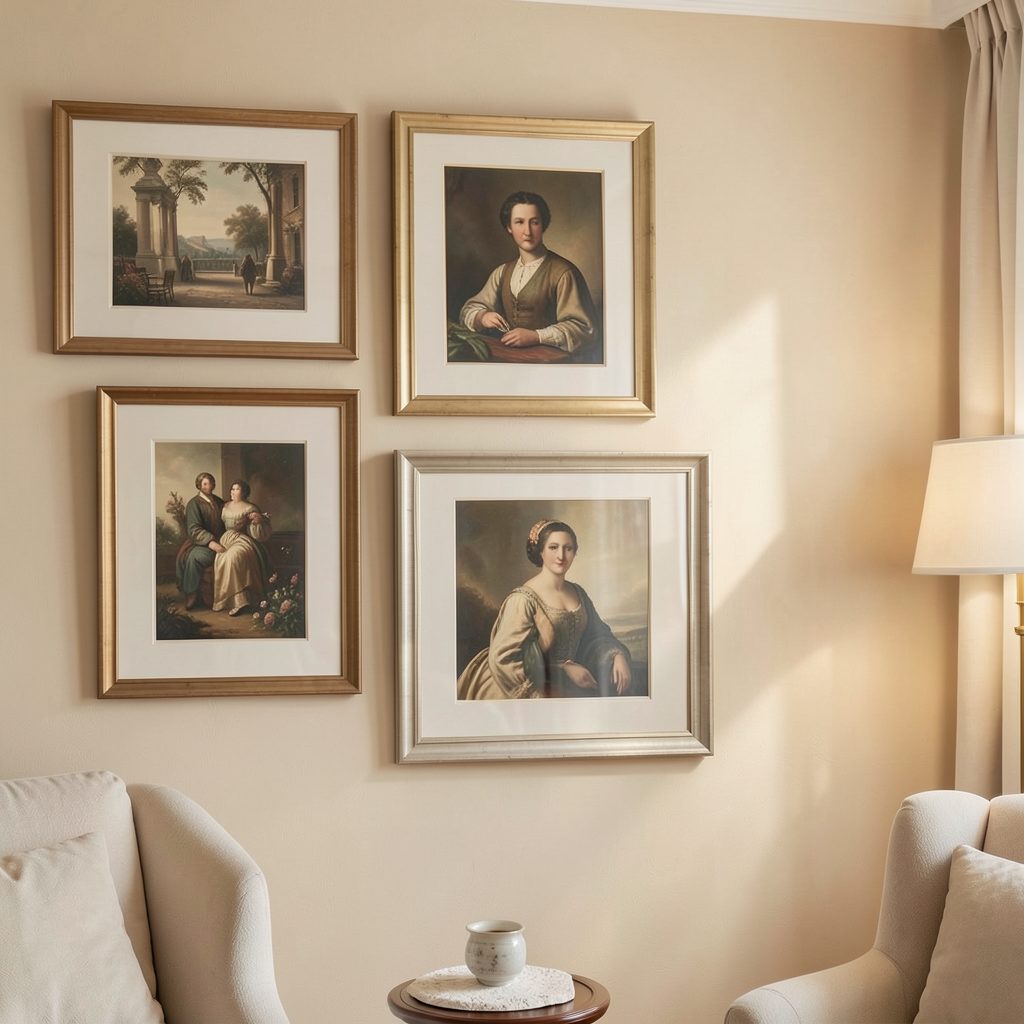
For broader guidance on arranging artwork throughout a home, this gallery wall guide is a useful reference before you start editing your shelf.
Layer Frames, Objects And Books
Books are an easy way to create height and a sense of rhythm. Stack two or three horizontally beneath a small object, then place taller books vertically beside them. Vary the direction of the spines so the arrangement looks natural rather than overly styled. Neutral covers can create a calm foundation, while a few colourful titles introduce energy.
Frames do not need to match perfectly. A black frame can sit comfortably beside pale oak, brushed metal or a painted vintage frame if the artwork shares a colour connection. For a minimalist interior, keep the frame finishes restrained and let the prints provide contrast. In a more eclectic home, mix textures while maintaining a consistent visual scale.
Leave small gaps between the groupings. Negative space gives the eye somewhere to rest and prevents the shelf from becoming a collection of unrelated items. A trailing plant, rounded ceramic vase or small lamp can soften the straight lines of books and frames, though each should earn its place.
| Display approach | Best for | Styling effect | Practical note |
|---|---|---|---|
| Leaned artwork | Renters and frequent refreshes | Relaxed and layered | Use a discreet stopper on slippery shelves |
| Stacked books with a small frame | Narrow shelves | Neat and balanced | Check that the stack is stable |
| Oversized single print | Minimal rooms | Strong focal point | Leave generous space around it |
| Mixed frames and objects | Eclectic interiors | Collected and personal | Repeat one colour or material |
| Art with a plant or vase | Living areas and bedrooms | Softer, more organic | Keep foliage away from delicate paper |
Choose Art For Australian Homes
Light is a major factor when displaying artwork in Australia. A shelf near a north-facing window can receive intense sun, particularly in summer, which may fade posters, photographs and watercolours. Position delicate pieces away from direct rays, use UV-filtering glazing where worthwhile and rotate valuable works occasionally.
Humidity and coastal air also deserve attention. In beachside areas such as Manly, St Kilda or Fremantle, paper and untreated timber may react to moisture over time. Avoid pushing frames tightly against damp external walls, and keep artwork away from air-conditioning outlets where rapid temperature changes can cause problems.
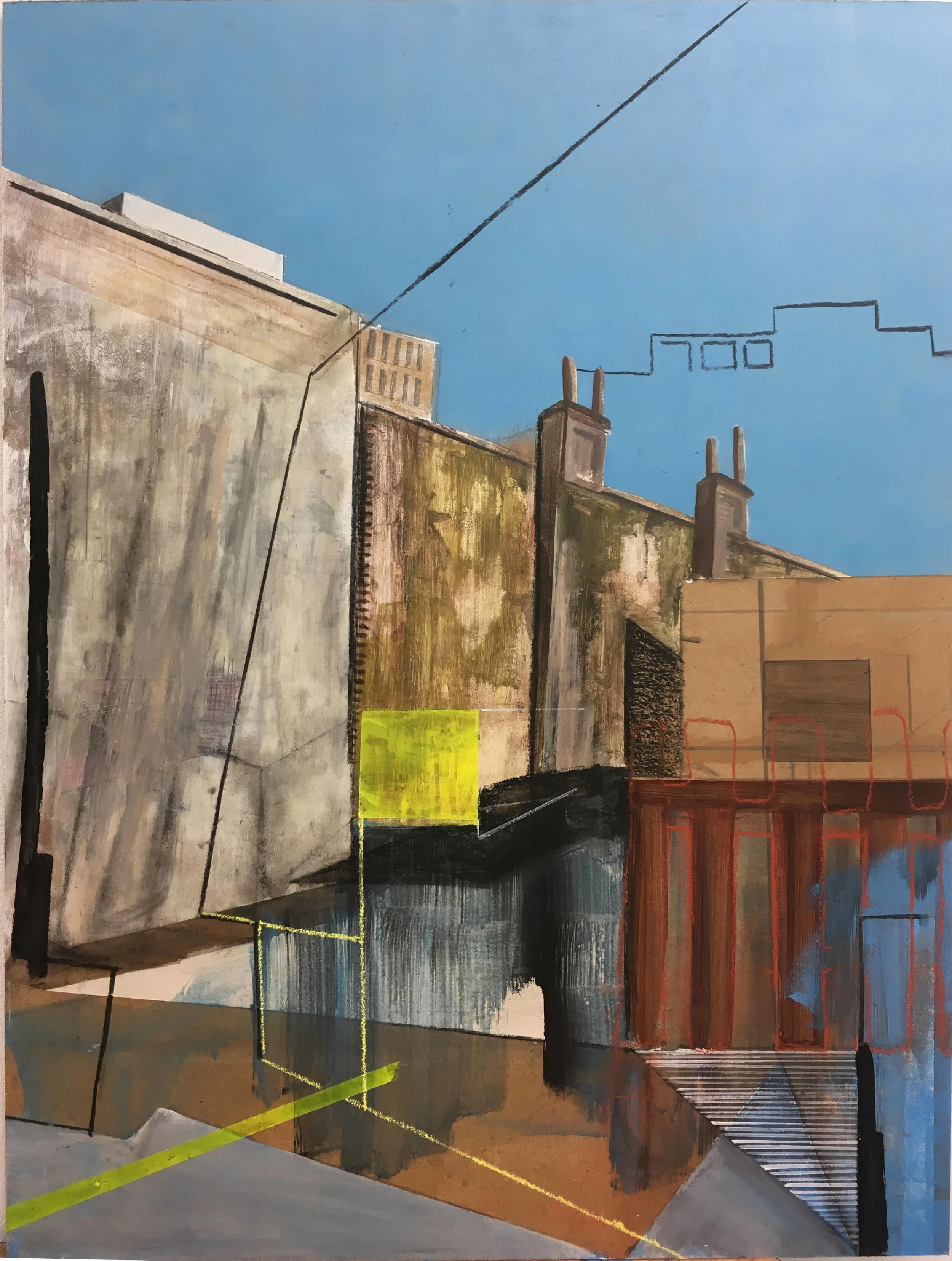
The local art market makes it possible to build a display with character at many price points. Look through emerging artists at Melbourne gallery openings, browse design markets, or find affordable photographic prints from Australian creators online. For a broader look at exhibitions and artwork presentation, explore local gallery inspiration when choosing pieces with a stronger sense of place.
Style Small Shelves With Intention
A shallow picture ledge is ideal for a compact apartment or rental because it provides display space without demanding a large piece of furniture. Start with one larger print at the back, add a smaller frame in front and finish with one low object. This three-layer formula is simple but gives the shelf enough variation to feel finished.
For a bathroom shelf, select art that can tolerate warmth and moisture. Framed botanical prints, abstract graphics and sealed photographic reproductions are safer choices than unprotected originals. Keep paper well away from splash zones, and consider acrylic glazing instead of glass if the shelf sits in a high-traffic area.
A bedroom shelf benefits from quieter colours and fewer objects. Soft landscapes, line drawings and black-and-white photography can create a restful mood. In a child’s room or guest room, changeable prints allow the space to evolve without replacing the entire arrangement.
When styling a rented home, removable picture ledges, leaning frames and freestanding bookcases are practical alternatives to permanent installation. Bunnings supplies affordable shelf hardware and frame options across Australia, while op shops and Gumtree can be useful for finding second-hand timber frames with more character than new budget versions.
Keep The Arrangement Easy To Refresh
A shelfie should be simple to edit as the seasons, artwork and room styling change. Photograph the arrangement when it feels balanced, then use that image as a guide after dusting or moving furniture. Keep spare prints, postcards and small frames together so you can make a quick update without starting from scratch.
A Practical Shelf Styling Checklist
- Choose one anchor piece before adding smaller objects
- Repeat a colour, finish or material across the shelf
- Mix vertical books with horizontal stacks
- Keep fragile artwork away from direct sun and moisture
For a polished result, remove one item after the shelf appears finished. This small edit often creates the breathing room that makes the remaining pieces look more intentional.
Useful Objects For Layering
- A low ceramic bowl or sculptural vessel
- A small plant in a simple pot
- A timber, metal or acrylic bookend
- A postcard or photograph in a petite frame
The best display will feel connected to the people who live in the home. Include travel finds, local prints, inherited objects or books you genuinely enjoy, then balance them with enough open space to keep the arrangement calm.
Start with one shelf, one favourite artwork and a short stack of books. Share your finished arrangement with the Focus LDN community, and subscribe to the email updates for fresh ideas on gallery walls, stylish interiors and thoughtful artwork display.