Art Subjects For A Home Gym That Inspire Movement
A home gym should feel energising before a workout begins. The artwork you choose can establish that mood through colour, rhythm and visual direction, turning a spare bedroom, garage corner or apartment nook into a space that encourages action rather than passive lounging.
The best subjects for art in a home gym that inspire movement are usually connected to the body, landscape, sport and natural energy. They do not need to look literal or overly motivational. A carefully chosen photograph, abstract print or Australian landscape can make exercise feel more intentional while still fitting the wider style of your home.
Choose Images With Visual Momentum
Artwork with diagonal lines, repeated forms and sweeping curves naturally suggests movement. Think of a runner captured mid-stride, swimmers cutting through water, cyclists climbing a road or dancers extending through space. These subjects create a sense of direction, which can subtly encourage you to move in the same way.
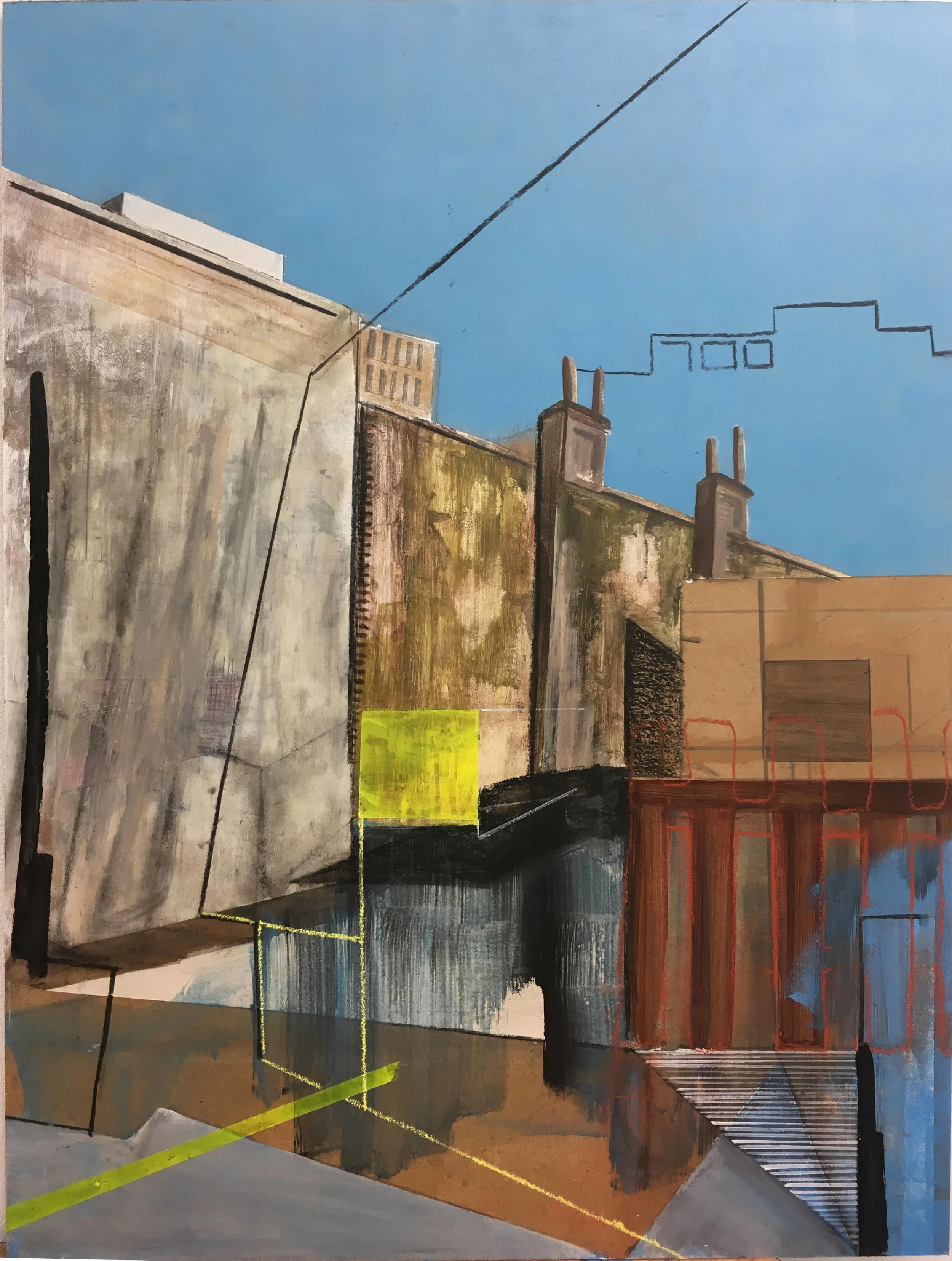
Abstract art can achieve the same effect without showing a person or sport. Brushstrokes that travel across the canvas, layered colour fields and energetic geometric patterns work well above a rowing machine or beside a stretching area. Reds, burnt orange and yellow can feel invigorating, while cobalt, eucalyptus green and deep blue offer a calmer sense of concentration.
Avoid images that are too visually crowded, especially if the room already contains resistance bands, weights and equipment. A single strong composition often has more impact than a busy cluster of small prints. In a compact Sydney or Melbourne apartment, one generously scaled artwork can provide a gallery feel without making the gym look cluttered.
Match The Subject To Your Training Style
The most convincing artwork reflects how you use the room. A print of ocean waves may support a calm mobility or yoga zone, while a high-contrast image of a track or mountain trail may suit interval training. When the subject relates to the activity, the decoration feels considered rather than added as an afterthought.
For strength training, look for subjects that communicate structure and endurance: sculptural forms, architectural details, rocks, trees or athletes in controlled poses. For cardio, choose open landscapes, roads, water and images with a clear horizon. Ballet, martial arts and contemporary dance photography can bring grace and precision to a stretching space.
Australian references can make the room feel more personal. A photograph of a coastal path near Bondi, a graphic interpretation of the Great Ocean Road or an abstract work inspired by the red centre can connect exercise with familiar places. Local galleries, independent print studios and Australian online art retailers offer plenty of options beyond generic sports posters.
| Training focus | Suitable art subjects | Useful visual qualities |
|---|---|---|
| Cardio | Roads, runners, waves, open landscapes | Direction, speed, expansive space |
| Strength | Rock formations, trees, sculpture, athletes | Stability, vertical lines, grounded tones |
| Yoga and mobility | Water, clouds, botanicals, slow gestures | Soft curves, breathing room, muted colour |
| Dance and martial arts | Movement studies, poses, shadows | Balance, rhythm, expressive silhouettes |
| General home gym | Abstract shapes and layered colour | Energy without a literal theme |
Create A Gallery Wall With Restraint
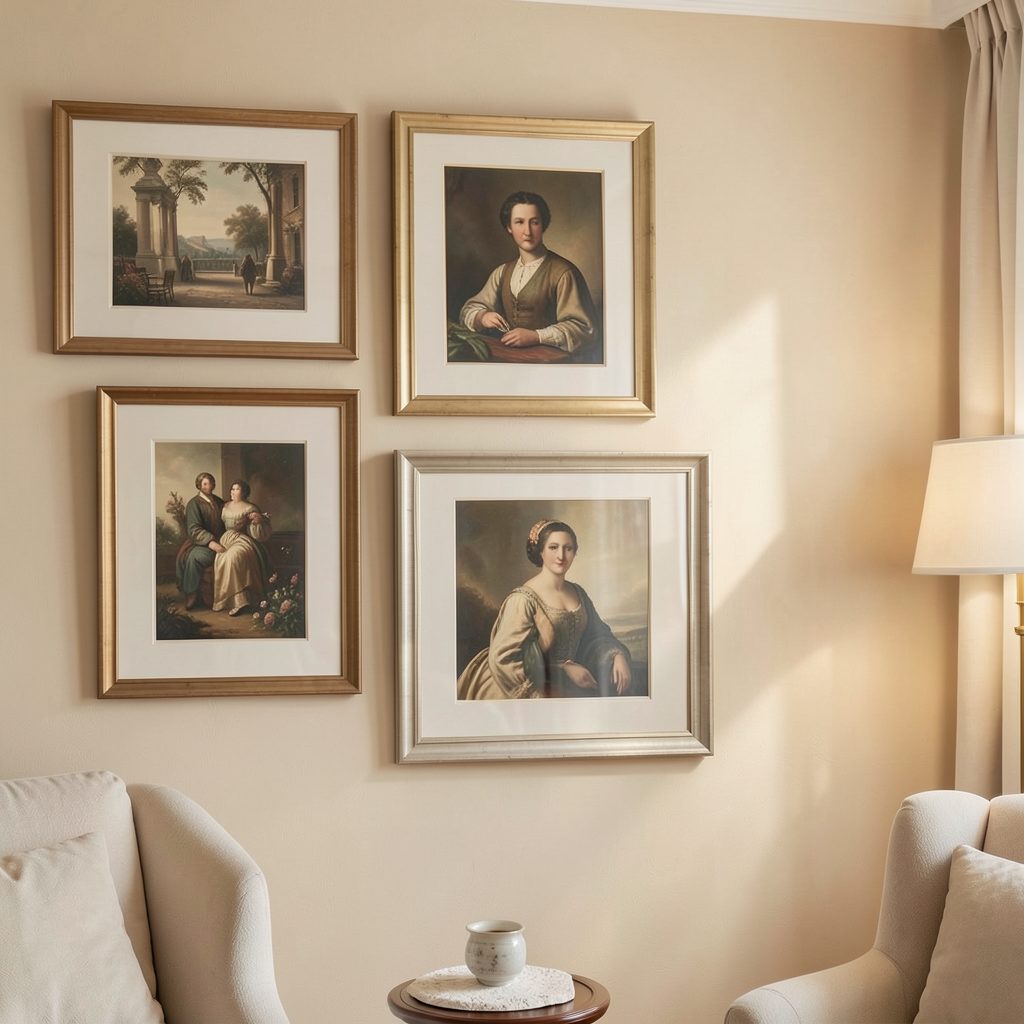
A gallery wall can work beautifully in a home gym when it is arranged with enough breathing space. Combine one movement-focused image with supporting pieces such as a small abstract, a typographic work or a minimal line drawing. Keep the palette connected so the arrangement feels like one visual statement.
For a clean interior, use matching frames in black, white or pale timber. A restrained arrangement inspired by minimalist styling can prevent the gym from drifting into a commercial fitness-studio look. This is particularly helpful when the room also functions as a study, guest room or laundry area.
Consider the wall behind the equipment as a backdrop. A gallery wall should remain visible from the main training position, but frames should not sit where kettlebells, resistance cords or raised arms could hit them. Use secure fixings suited to plasterboard or masonry, and avoid hanging glass directly above a bench where it could become a hazard if dislodged.
Use Colour To Shape Energy
Colour has a powerful role in exercise spaces, but the strongest result usually comes from choosing one dominant accent rather than covering every wall in intense shades. A mostly neutral room with artwork in rust, saffron or electric blue can feel lively while remaining polished.
Natural Australian light should guide your choice. A north-facing room may receive strong sun for much of the day, so archival prints should be protected from direct glare and fading. In Brisbane or other humid coastal areas, consider sealed frames and stable backing materials, particularly if the gym is near a bathroom or poorly ventilated garage.
You can also borrow colour from the rest of the home. If your living room uses warm timber and olive tones, continue those shades in the gym through landscape photography or botanical studies. If the home has a monochrome apartment aesthetic, a vivid abstract artwork can act as a deliberate focal point without requiring a complete redecoration.
Place Art Where It Supports The Routine
The ideal position depends on the movement in front of it. Hang artwork at eye level when you are standing, but lower it slightly if it will be viewed mainly from a rowing machine or floor mat. A large horizontal piece suits a wall facing a treadmill, while a vertical artwork can emphasise height beside a squat rack or storage unit.
Mirrors and art need to coexist thoughtfully. A mirror is practical for checking form, yet placing it opposite a highly detailed artwork can make the room feel visually restless. Use the artwork on an adjacent wall, or select a simple subject that remains attractive when reflected.
Treat the display as part of the room’s architecture. A framed photographic series can lead the eye along a long garage wall, while one sculptural print can anchor a compact home gym beneath a floating shelf. For broader ideas about displaying personal collections, explore art in the home before deciding whether your gym needs a single statement piece or a connected arrangement.
The artwork should also be easy to live with. Dust from flooring, chalk residue and changing temperatures can affect a display, so choose wipeable glazing and avoid delicate unframed paper near active equipment. If you are drawn to collecting work from emerging artists, starting an art collection can help you build a meaningful group over time rather than buying unrelated prints in a hurry.
Begin with the wall you see most often during a workout and choose one subject that makes movement feel appealing. Look through local Australian galleries, independent makers and well-made reproduction prints, then frame the piece securely and give it enough space to lead the room. Subscribe to Focus LDN for further ideas on gallery walls, stylish interiors and thoughtful ways to display art throughout your home.