Styling a minimalist bathroom with black and white art
A minimalist bathroom can feel polished without becoming cold. The right combination of monochrome artwork, restrained materials, and carefully chosen accessories turns a functional room into a calm, gallery-like space. Black and white art is especially effective because it adds visual character while keeping the palette controlled.
The key is to treat the bathroom as part of the home rather than an isolated utility room. Consider its wall colour, lighting, fittings, mirrors, and textiles as one composition. A small collection of well-positioned pieces will usually create more impact than a crowded display.
Moisture, limited wall space, and changing light make bathroom decorating slightly different from styling a living room. With durable frames, suitable artwork, and a clear arrangement, you can create a sophisticated monochrome interior that remains practical every day.
Build a calm monochrome foundation
Begin with the permanent features of the room. White tiles, pale stone, and soft grey walls create an airy background, while black taps, cabinet handles, or a dark mirror frame provide definition. If the bathroom already includes patterned tiles, keep the artwork especially simple so the room does not feel visually busy.
Warm white is often more inviting than a stark, blue-toned white. It works well with natural wood, brushed brass, and off-white ceramics. For a sharper gallery aesthetic, pair bright white surfaces with deep black accents and crisp photographic prints.
Balance is more important than using equal amounts of black and white. A mostly pale bathroom with a few dark details will feel spacious, while large black frames or graphic artwork can anchor an oversized wall. Repeating one dark element in several places helps the design feel intentional.
Choose artwork that suits the room
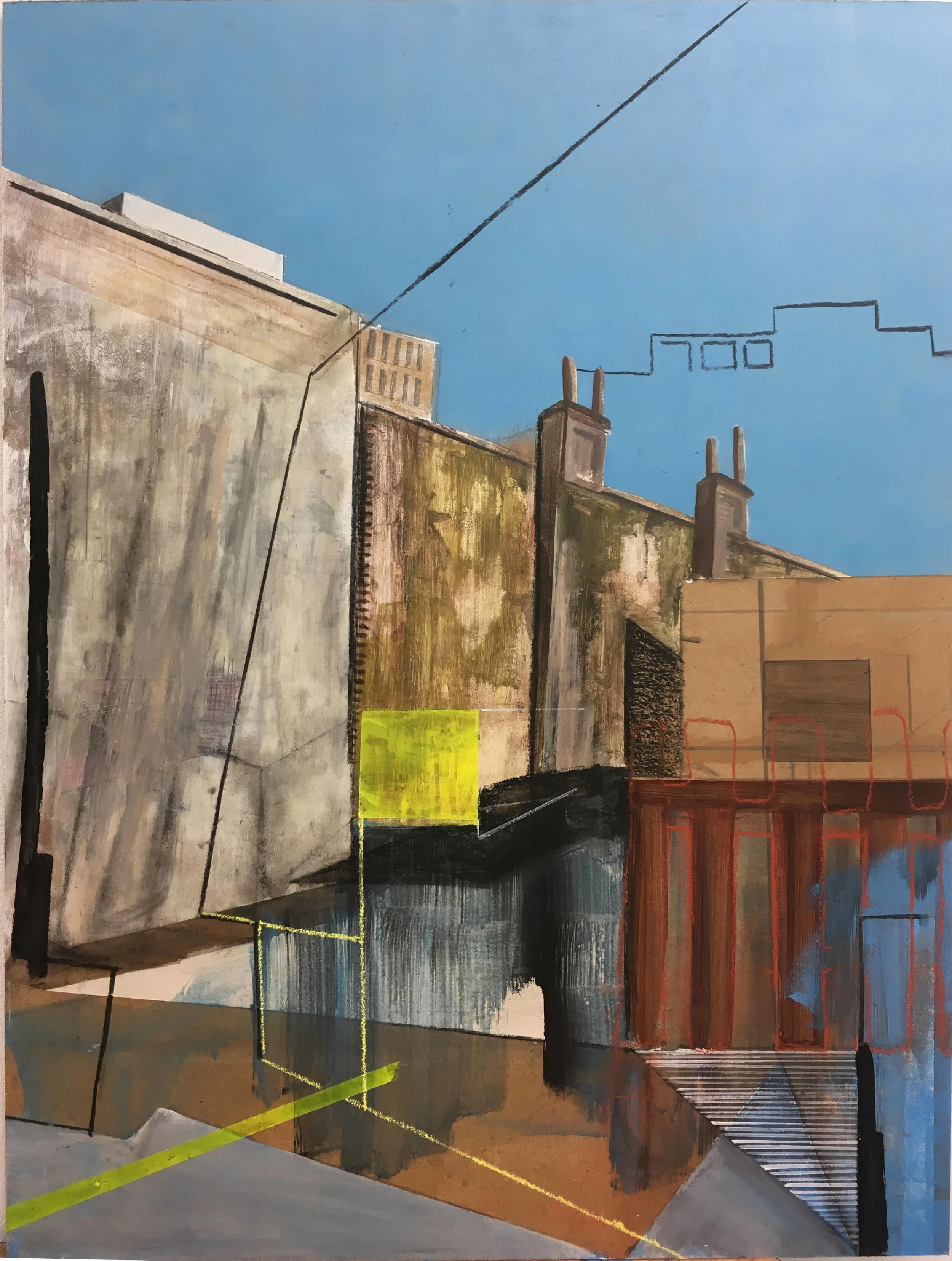
Bathrooms benefit from artwork with a quiet visual rhythm. Line drawings, architectural photography, abstract ink studies, botanical silhouettes, and black-and-white photography all work well with minimalist interiors. Select pieces that have enough contrast to be seen clearly but avoid images with excessive detail if the room is compact.
Think about the atmosphere you want to create. A soft charcoal landscape can make a bathroom feel restful, while a geometric print gives it a more contemporary edge. A pair of related images often looks more refined than a random assortment, particularly above a vanity or beside a freestanding bath.
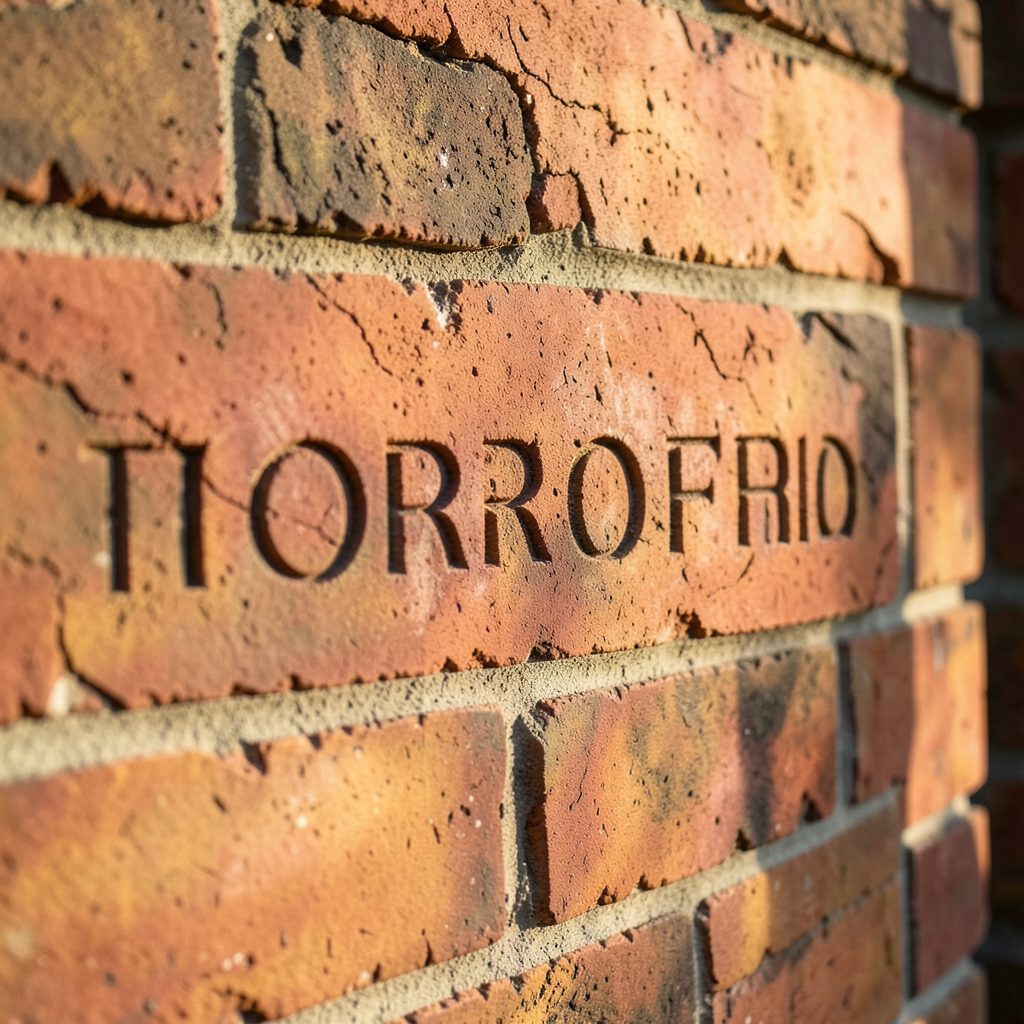
Original works, limited-edition prints, and affordable reproductions can all suit this style. Tactile pieces can add depth to a restrained palette; for example, the textural character of brick engraving can inspire artwork choices that feel architectural without introducing bright colour.
Select frames and protective finishes
Frame choice determines how artwork connects with the rest of the bathroom. Slim black frames create a graphic outline and suit modern fittings, while white frames blend into pale walls for a lighter effect. Natural oak or ash can soften a high-contrast scheme and prevent the room from feeling too stark.
Glass should be chosen with humidity in mind. Standard paper prints need protection from condensation, particularly in bathrooms with limited ventilation. Consider sealed frames, acrylic glazing, or professionally mounted artwork designed for environments where moisture levels fluctuate.
Avoid placing valuable or irreplaceable work directly beside a shower or bath. Even a well-ventilated room can produce steam, and repeated exposure may cause paper to ripple or mould to develop. Position art on a dry wall whenever possible, and use secure fixings suited to tile, plaster, or masonry.
| Bathroom area | Artwork approach | Frame direction | Styling note |
|---|---|---|---|
| Above a vanity | One medium print or a pair | Slim black or white | Align with the mirror or basin |
| Beside a freestanding bath | Vertical photograph or abstract | Dark wood or black | Leave breathing room around the tub |
| Open wall near the door | Small gallery arrangement | Consistent matching frames | Keep the composition compact |
| Above a low cabinet | Horizontal artwork | Pale wood or black | Repeat a tone from the hardware |
| Narrow wall section | Single line drawing | Minimal metal frame | Use vertical proportions |
Arrange a small gallery wall
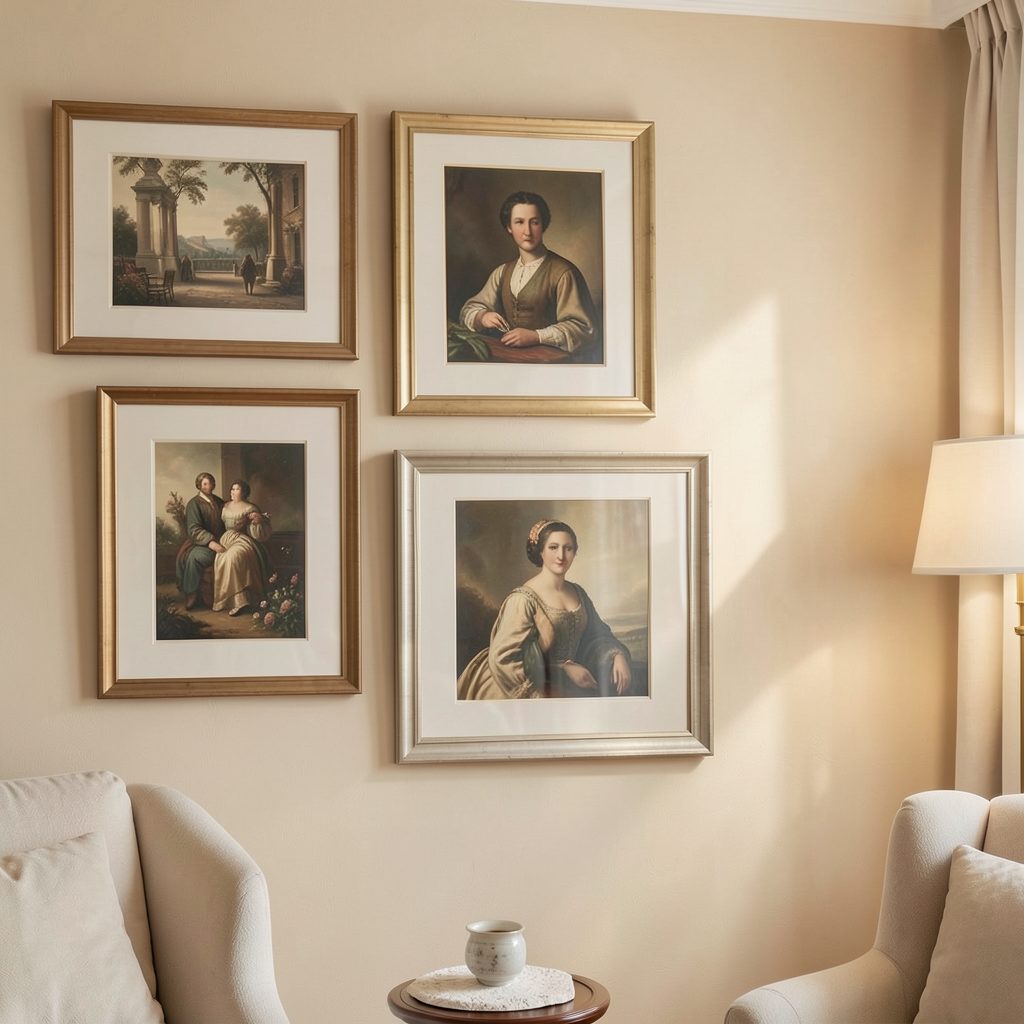
A bathroom gallery wall should feel edited rather than expansive. Three to five pieces are usually enough for a small room, while one statement work may be the strongest choice above a broad vanity. Start by measuring the available wall and marking the outer limits with painter’s tape.
Lay the framed pieces on the floor before making holes. Combine different sizes, but maintain a consistent relationship between them, such as equal spacing or a shared central axis. A symmetrical arrangement feels serene; an offset layout feels more relaxed while still appearing considered.
Keep the lowest artwork comfortably above splash level and avoid placing frames where they interfere with cabinet doors, towel hooks, or lighting. When planning a more complete display, use these principles alongside a practical guide to starting an art gallery, especially if you want the arrangement to evolve over time.
Add texture without adding clutter
A minimalist scheme needs texture to avoid looking flat. Introduce it through folded towels, a stone soap dish, ribbed glass, woven storage, or a small wooden stool. These details should support the artwork rather than compete with it, so choose a limited range of materials and repeat them subtly.
A bath mat or runner can make the room feel more comfortable, especially where the floor is made from smooth tile. Look for a low-pile, washable design in charcoal, ivory, or a muted natural shade. Ideas for bathroom rugs and decor can help you coordinate floor textiles with the room’s wider palette.
Plants can provide a restrained touch of green, but they are optional. A single fern, eucalyptus stem, or sculptural plant in a monochrome pot adds life without disrupting the black and white scheme. Keep foliage away from artwork and choose varieties that tolerate humidity and indirect light.
Use lighting to shape the artwork
Lighting changes how black and white art reads throughout the day. A print that looks crisp in daylight may appear flat beneath a cool ceiling fixture. Use warm, diffused bulbs where possible, then add focused lighting near the mirror for practical tasks.
Picture lights can look elegant above a larger framed piece, provided they are rated for the bathroom environment and installed safely. Wall sconces on either side of a mirror create a balanced glow and help illuminate nearby artwork. Avoid strong glare on glass by checking the reflection from several positions in the room.
Reflective surfaces also affect the composition. Mirrors can double the impact of a dark frame or create competing lines, so consider the reflection before fixing artwork in place. The best arrangement looks deliberate both directly and in the mirror.
Keep the display fresh and functional
Minimalist bathroom design depends on clear surfaces and easy maintenance. Dust frames regularly, wipe condensation from nearby walls, and check fixings every few months. If a print begins to curl or the frame shows signs of moisture damage, move it promptly to a drier location.
Use these practical choices when refining the room:
- Choose artwork with strong shapes and a limited tonal range.
- Keep frames consistent in finish or proportion.
- Leave generous space around each piece.
- Protect paper prints with sealed glazing and reliable backing.
- Repeat black, white, or natural wood in towels and accessories.
A carefully styled bathroom should feel restful rather than staged. Let one or two artworks provide the focal point, then use texture, lighting, and functional objects to complete the setting. For more ideas on gallery walls, artwork display, and stylish home living, subscribe to the Focus LDN email updates and bring fresh decorating inspiration into your inbox.