styling a reading nook with a small gallery wall behind the chair
A quiet corner with a comfortable seat, a small stack of unread novels, and a tight cluster of framed images above it can feel like a private retreat inside a busy home. In Australian apartments, where open-plan living dominates, carving out such a moment often comes down to clever use of an underused wall.
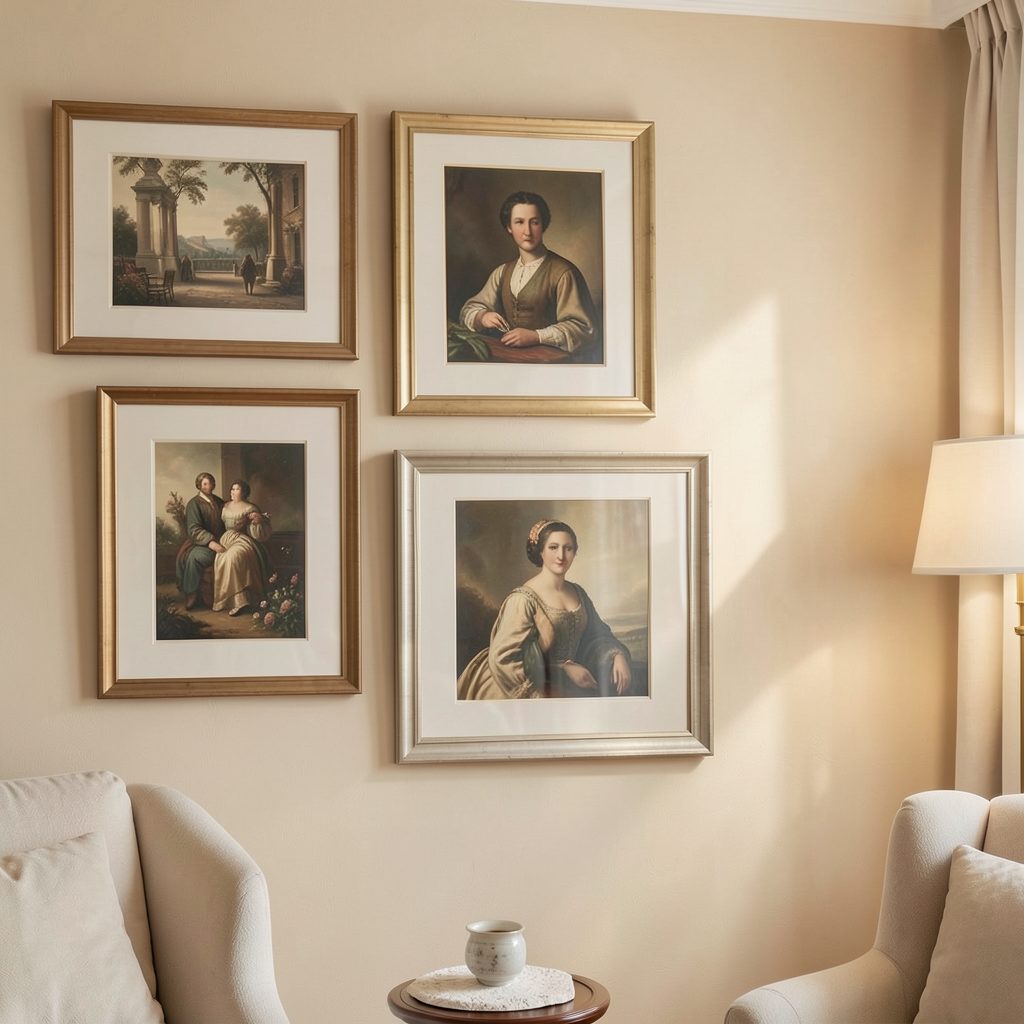
Pairing an armchair with a narrow gallery wall behind it shifts the whole feeling of a corner from forgotten to intentional. Two to four pieces, hung close together, sit within the width of an average chair and create that tucked-away feeling Sydneysiders and Melburnians chase in heritage terraces and newer builds alike.
Climate plays a part too. Softer furnishings and artworks do better away from harsh western sunlight, which fades prints quickly during long Australian afternoons. Many framers in Brisbane and Adelaide offer UV-resistant glazing, and it is worth asking when ordering locally.
What follows is a practical walkthrough: choosing the chair, curating the art, planning the hang, layering light, and finishing with the small objects that make a reading nook feel lived in.
picking the chair and the corner that will hold it
Start with the seat. A reading chair should let your shoulders relax and your feet rest flat on the floor, otherwise you will not return to it often enough. A low-slung accent chair pairs well with a thicker floor cushion for cross-legged reading on cooler Canberra evenings.
Think about the wall behind the chair before you commit. A reading nook benefits from a wall not broken up by windows, light switches, or wide door architraves, since a neat row of frames looks scattered when interrupted. In tight apartments, the spot beside a hallway bookshelf or under a stairwell void often works beautifully and is frequently overlooked.
Once the corner is locked in, measure the chair and add roughly thirty centimetres on each side to set the canvas for your mini gallery wall. Bring a tape measure when you browse stores like Domayne, Freedom, or the furniture floors of West Elm in Chadstone and Chatswood, so you can check dimensions against your sketch before committing.
curating artwork for a tight cluster
A small gallery wall behind a chair works best when every piece feels related but not identical. A simple edit is to choose one anchor image, perhaps a larger print, and surround it with smaller works that echo its palette. Australian readers tend to respond well to coastal scenes, native botanical illustrations, and quiet abstract shapes in earthy ochres and eucalyptus greens.
Source pieces that are easy on the eye from a seated position. Avoid fine text, busy patterns, or harsh contrasts, because you will spend more time looking up at the wall than at the book in your lap. Soft watercolours, charcoal sketches, and muted photography sit gently behind a chair and reward long gazes between chapters.
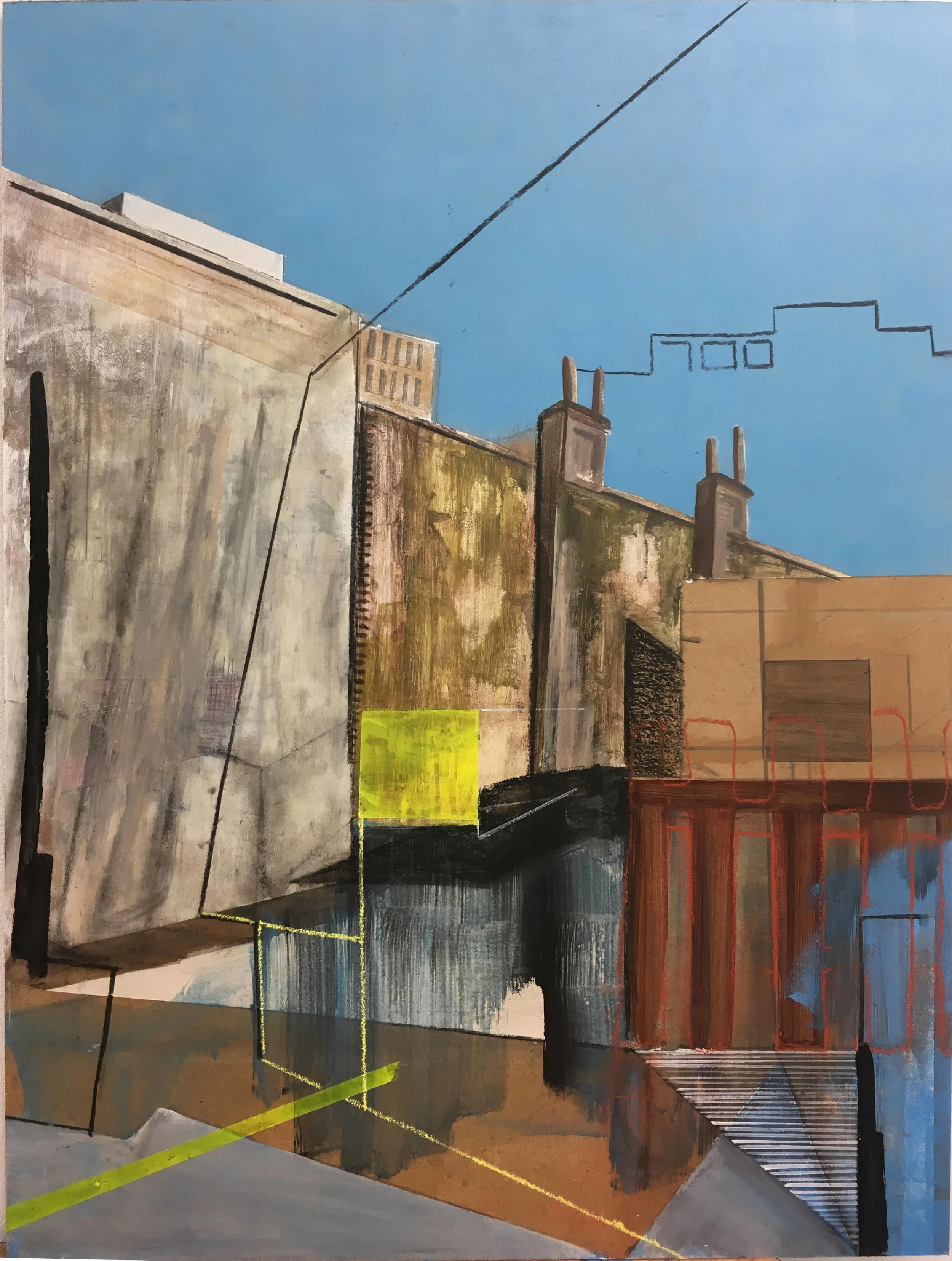
For inspiration on choosing pieces that hold their own in a small setting, browse curated selections of art prints before you commit. Many Australian readers also turn to local makers on marketplaces such as The Other Art Fair or studio open days in Collingwood and Surry Hills. Aboriginal art centres in the Northern Territory and Western Australia sell licensed prints that bring depth and story into a corner without dominating the room.
planning the arrangement and hanging the frames
A useful starting point is to lay the frames on the floor in front of the chair and shuffle them until the grouping feels balanced. Aim for the centre of the arrangement to sit at eye level when you are seated, which usually lands around 120 to 140 centimetres from the floor in most Australian homes. The article on arranging artwork for tight groupings covers the spacing and weight distribution that prevent a small wall from looking top-heavy.
Mix frame finishes rather than matching them all perfectly. A combination of natural timber, slim black, and warm brass reads as collected rather than catalogue-coordinated. If your chair is upholstered in a solid colour, bring in a frame finish that picks up an accent from the cushion or throw, tying the corner together without much extra effort.
Hang with two hooks per frame for heavier pieces, and use picture wire rather than D-rings where possible, especially in older brick homes in Sydney and Melbourne where plaster repairs are costly. A laser level takes the guesswork out of keeping frames plumb on slightly uneven walls, a common issue in Queenslanders and Victorian terraces alike.
lighting the nook without overwhelming it
A reading nook rarely needs the main ceiling light. A floor lamp behind the shoulder of the chair, an adjustable wall sconce, or a small table lamp on a side stool all keep the light close to the page and gently wash the wall. Warm bulbs in the 2700 to 3000 kelvin range feel easiest on the eyes during late afternoons when many Australians finally settle in to read.
Think about how the light falls across the gallery wall. A picture light mounted above the frames adds a gentle wash that draws attention to the artwork after dark and makes the corner feel like its own small room. For renters, clamp-on or adhesive picture lights from Bunnings and Spotlight leave walls untouched when the lease ends.
Run an extension cord neatly along the skirting if the nearest power point is across the room, and choose cable covers in pale colours to blend with most Australian skirting boards. For a deeper look at layering light with darker furniture tones, the post on balancing dark and light explores how to keep a snug corner from feeling heavy.
finishing touches that make the corner yours
The final layer is the most personal and easiest to change with the seasons. A reading nook earns its keep when it is the first place you want to sit when you walk in the door, and these small choices seal that feeling.
quick edits to lift the corner
- a chunky knit throw in deep charcoal or rust for winter in Hobart and the Blue Mountains
- a stack of three to five books turned face out so their spines double as colour
- a low vase of dried banksia or eucalyptus from a weekend farmers' market
- a small ceramic dish for rings, reading glasses, or hand cream
styling cues that tie the gallery to the chair
- repeat one colour from the artwork in the cushion or throw
- choose a frame finish that matches a metal accent on the lamp
- angle a floor lamp so its warm pool of light covers both chair and frames
- keep the lowest frame at the same height as the chair's shoulder line
Treat the chair, the wall, and the small objects around them as a complete composition, and the corner will reward you with quiet hours for years.
Browse the rest of focusldn.com/journal for more ways to turn overlooked spots into the most-loved corners of an Australian home, and subscribe to the email list for weekly styling ideas delivered straight to your inbox.