The quiet power of one statement art piece in a minimalist bedroom
When apartment living means every square metre earns its keep, the bedroom becomes a sanctuary worth investing in. Across Sydney's harbour-side terraces and Melbourne's inner-north conversions, homeowners are rediscovering restraint. A single, considered artwork gives a room its centre of gravity without overwhelming the senses, and chosen with intention, it reshapes the mood of the entire space.
The principle behind a statement piece in a minimalist scheme is borrowed from gallery design. Walk through the Art Gallery of New South Wales or the National Gallery of Victoria and you rarely see busy walls competing with the work. Each piece is given elbow room, lit carefully and positioned at eye level.
What follows is a practical guide to choosing, hanging and styling a single artwork so it carries the room. From wall dimensions to the way Australian light shifts through the seasons, these details decide whether the piece feels like a focal point or an afterthought.
Picking an artwork that earns the wall
Start by measuring the wall above the bed or opposite the doorway, since the largest blank surface is where the eye lands first. A common error in Australian apartments is choosing something too small for the proportions of a double bedroom, where ceilings can run close to three metres in older Edwardian conversions.
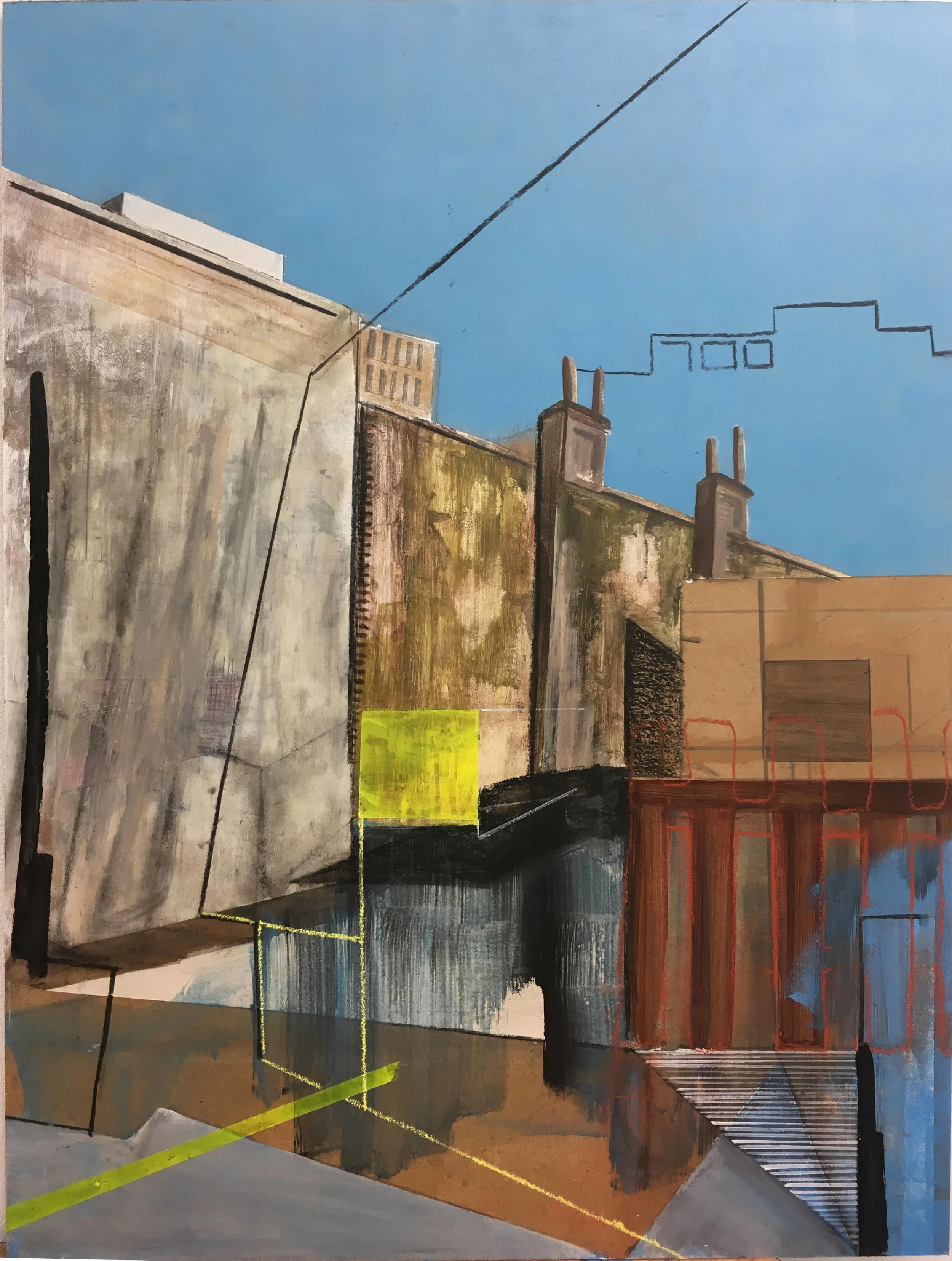
Subject matter matters more than medium when reducing visual noise. Linework, restrained photographic palettes or a single large-scale abstract settle more easily into a minimalist setting than figurative or text-heavy compositions. For renters in Brisbane or Perth, where leases often outlast a decade of redecorating, think about portability. A few hundred Australian dollars can still produce impressive impact when the eye has nothing else to compete with.
Scale, height and where to hang the piece
The centre of the artwork should sit roughly 145 to 155 centimetres from the floor, around average Australian eye level. Hanging higher disconnects the work, hanging lower can feel cramped. Above a headboard, leave 15 to 25 centimetres so the bed and the art read as a pair rather than a stack.
If the wall is unusually wide, a diptych or a single horizontal canvas fills the stretch without becoming busy. A long, low piece suits a low-slung bed frame in a Brunswick warehouse conversion, while a tall vertical format suits the narrow proportions of a Surry Hills terrace. Centring the work on the bed is safest, but calm asymmetry suits minimalist styling too. Just ensure any pendant or sconce sits in dialogue with the work.
Frames, materials and hanging hardware
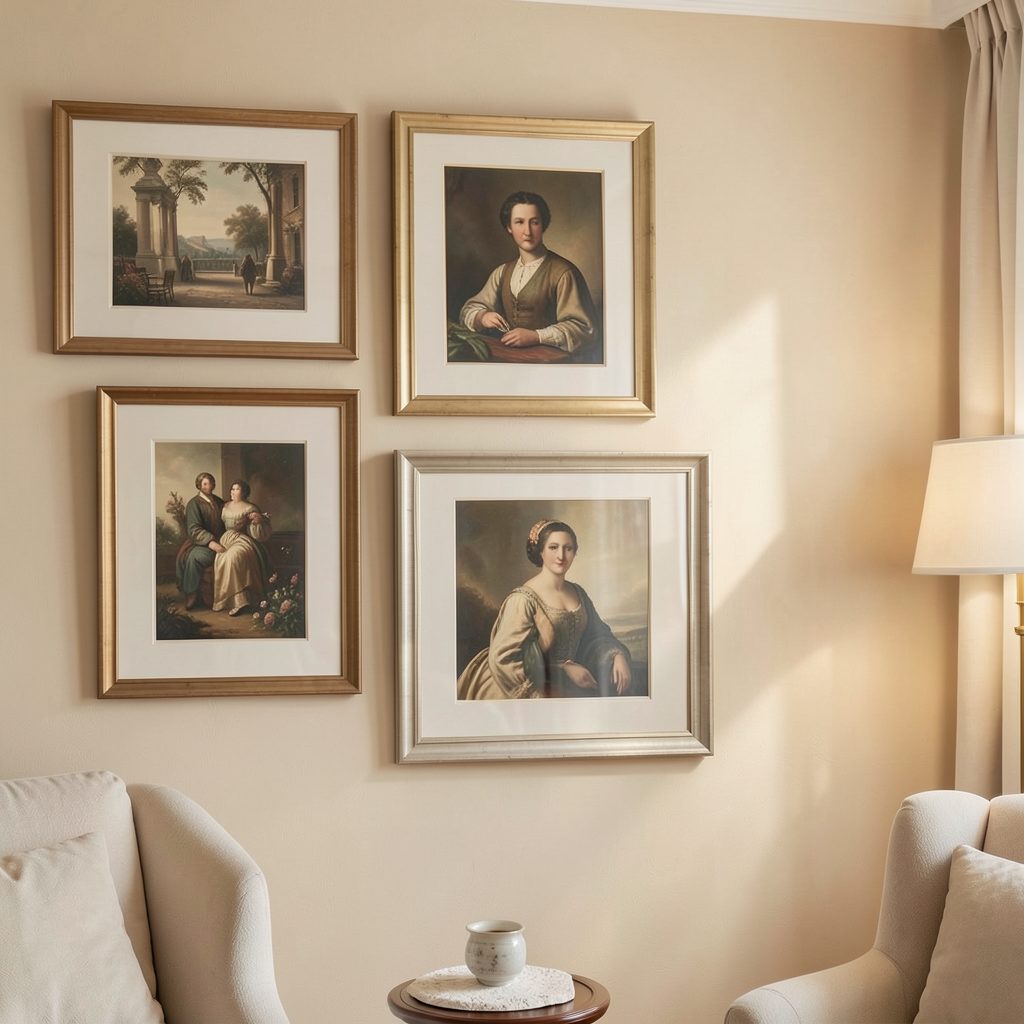
In minimalist schemes, a thin black, white or natural oak frame lets the piece speak, while ornate gilded edges fight the cleanliness of the room. A deep float frame adds a subtle shadow line that brings presence without weight to larger works.
Australian rental rules around picture hanging tend to be more permissive than tenants assume. Plasterboard anchors and renter-friendly hooks sold at local hardware chains hold substantial weight without visible damage, which matters at bond inspection. Check your state's residential tenancy authority guidelines, particularly for heritage-listed Victorian apartments in inner Melbourne, where drilled fixings can require body corporate consent. Use two D-rings and a level regardless of how heavy the frame is.
Building the bedroom around the piece
Once the artwork is chosen, every other element should defer to it. Begin with the bed, the room's second focal point. A low platform bed in ash, oak or black steel keeps the visual floor clean and gives the artwork headroom. Heavy ornate bedheads always compete with the art, the opposite of what minimalist styling calls for.
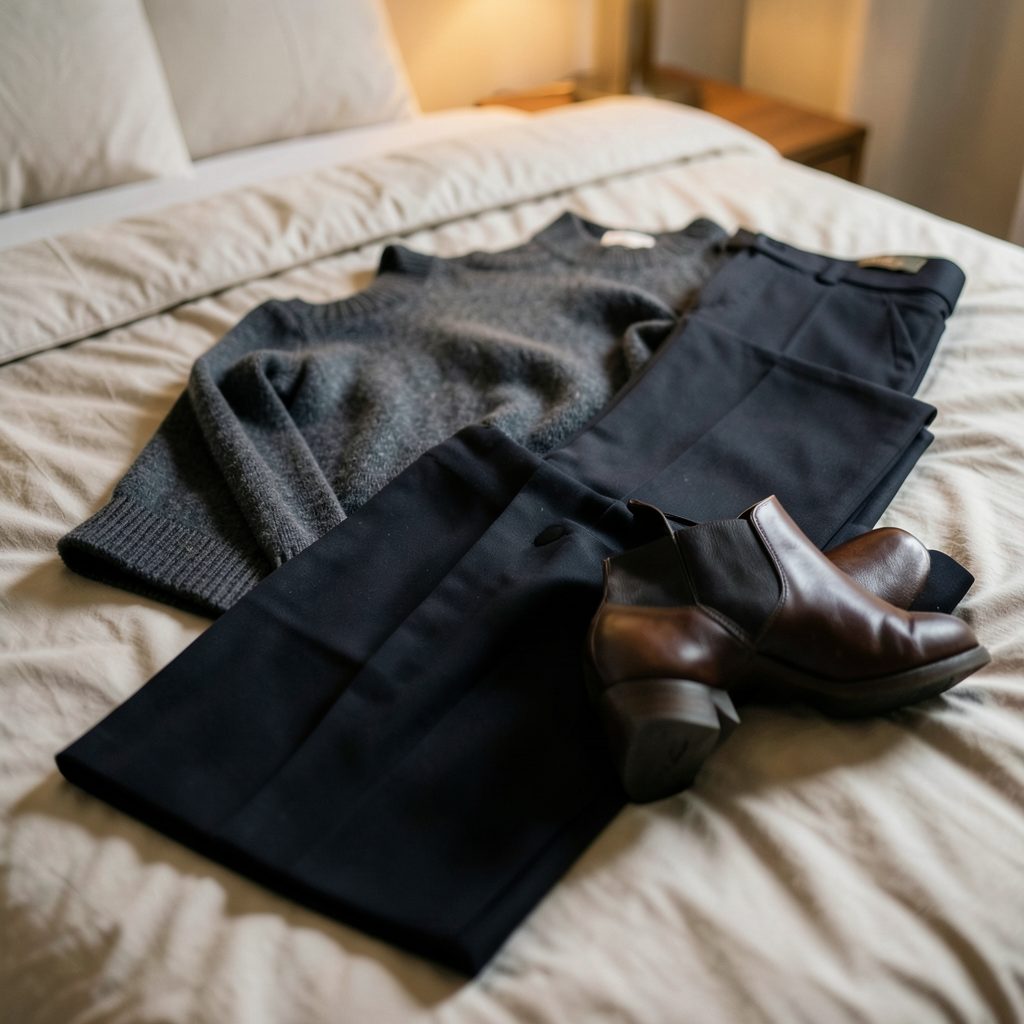
Bedding should be simple and tonal. Linen in stone, off-white, taupe or charcoal lets the artwork's colours sing without drawing the eye away. Resist pattern, which fragments the stillness that makes minimalist rooms feel restorative. Floor-to-ceiling joinery in a matte finish keeps the room visually quiet, and built-ins with no visible handles preserve the calm. Where you rent and cannot alter the wardrobe, choose shaker or slab fronts rather than mirrored panels.
Let the light do the work
Australian bedrooms are blessed with strong natural light. North-facing rooms in Sydney and Adelaide get brilliant but sometimes harsh light, while east-facing spaces in Melbourne enjoy a softer morning wash. Position the artwork out of direct sun, particularly if it is a print or watercolour, since paper fades quickly under the local UV index.
For dedicated lighting, picture lights or a single wall washer placed slightly above the work create depth without glare. Warm-dim LEDs around 2700 Kelvin keep the tones gentle and flattering in the hours before sleep. Sheer curtains in linen or cotton filter light without bleaching walls, and a layered blockout curtain for sleep keeps the artwork protected.
A floor worth standing on
The floor is the silent foundation holding the composition together. A low-pile wool rug in cream, grey or clay sits well under a minimalist bed and looks good against the timber boards common in Australian homes. Hard floors with a single soft rug keep the surface visually quiet while softening acoustics.
If starting from scratch, look to rugs decor for ideas on layering tones and textures without adding clutter. The right rug anchors the bed, prevents the floor from feeling clinical and ties everything above it into one composition. Cork tiles, polished concrete or warm oak boards can also carry a minimalist bedroom, whether you live in a new-build in Parramatta or a Queenslander in Paddington.
Living with the piece year after year
The most liberating part of styling around a single artwork is that the rest of the room can be refreshed without dismantling the focal point. Swap throws, change bedding tones, rotate cushions or swap bedside lamps without disturbing the work itself. Treat the art as the quiet constant.
To take this further, explore fresh home styling ideas that pair statement art with simple, durable furniture. Australian homes are often rented longer than expected, and adaptable schemes travel well, from an inner-city Sydney flat to a Brisbane townhouse or a coastal Perth apartment.
When the bedroom feels resolved, carry the same restraint into the hallway, living area and study. A single anchor artwork tends to cascade through neighbouring spaces with quiet confidence, anchoring dining nooks, hallways and home libraries the same way it shapes the bedroom itself.
For ongoing inspiration, curated galleries and home styling guides suited to Australian apartments of every size, visit the Focus LDN homepage and keep the journey going.