Styling A Kitchen Backsplash With Framed Art Instead Of Tile
A kitchen backsplash does not have to be a permanent field of subway tiles, stone or patterned ceramic. Framed artwork can bring colour, personality and a gallery-like finish to the wall behind a bench, particularly in homes where the kitchen connects directly with the dining or living area. Learn more about The Psychology Of.
This approach works best when the artwork is treated as part of the room’s practical design. Cooking splashes, steam, grease and changing temperatures all affect what can be displayed, so the right frame, glazing and placement matter as much as the image itself.
In Australian homes, this can be especially useful for renters, apartment owners and renovators working with compact layouts. A Melbourne terrace kitchen, a Sydney apartment or a Brisbane home with higher humidity may each need a slightly different arrangement and level of protection.
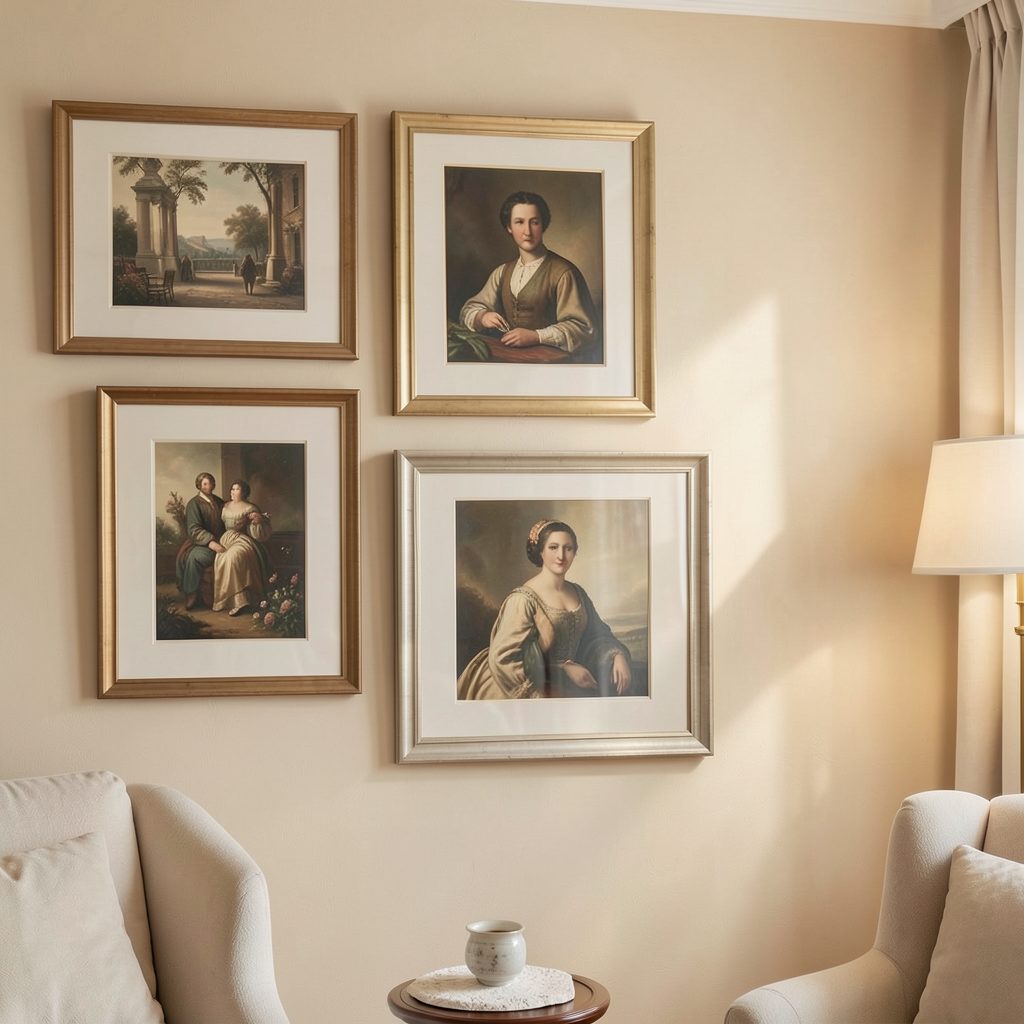
The aim is not to imitate a traditional gallery wall exactly. Instead, select a small, deliberate group of prints or paintings that balances the cabinetry, benchtop and surrounding finishes without making food preparation feel crowded.
| Approach | Best For | Practical Consideration |
|---|---|---|
| One large framed print | A calm, minimalist kitchen | Leave generous space around it |
| Two matching artworks | Narrow walls or apartment kitchens | Use consistent frames and spacing |
| Small salon arrangement | Open-plan rooms with more wall area | Keep the composition away from direct heat |
| Leaning artwork | Renters and frequent refreshes | Secure it against movement and spills |
| Framed textile or photograph | Softening glossy cabinetry | Choose washable or protected glazing |
Choosing The Right Wall
The safest location is usually a side section of wall rather than the area directly behind the cooktop or sink. A wall beside a pantry, near the breakfast nook or above a low open shelf can still read as a backsplash feature while reducing contact with water, oil and heat.
If the only available wall is behind the bench, keep the artwork away from the hottest cooking zone. Induction cooktops still generate heat through pans and steam, while gas burners send heat upwards. A framed print placed beside the cooktop is generally easier to protect than one positioned above it.
For inspiration on creating a cohesive display, browse Focus LDN for ideas about minimalist interiors, gallery walls and artwork placement. The same principles used in a living room can be adapted to a kitchen by reducing the number of pieces and choosing more durable materials.
Planning Scale And Composition
Begin by measuring the usable wall area, including the distance between overhead cupboards, open shelving and the benchtop. A single artwork should usually occupy around two-thirds of the available width, while a pair can fill a longer stretch without looking sparse.
In a narrow Australian apartment kitchen, vertical artwork may make better use of the wall than a wide landscape. In a larger Brisbane or Adelaide kitchen, two or three related prints can create rhythm across a broad wall, especially when the cabinetry is simple and neutral.
Use paper templates before drilling. Tape the shapes to the wall and live with them for a day, checking the view from the cooking area, dining table and hallway. The centre of the arrangement should feel connected to nearby eye level rather than placed too high beneath the ceiling.
Selecting Frames And Glazing
Frame material has a strong effect on the mood. Pale oak suits warm timber cabinetry, black frames sharpen a white kitchen, and brushed metal can echo stainless-steel appliances. For a relaxed coastal scheme, consider light timber with botanical prints, beach photography or muted abstract artwork.
Moisture-resistant finishes are preferable to untreated timber in kitchens. Acrylic glazing is lighter and less likely to shatter than glass, which can be useful above a busy bench or in a family home. It also reduces the risk of injury if an artwork is accidentally knocked.
The guide to choosing a frame can help you compare proportions, materials and border widths. A wide mount can give a small print more presence, while a slim frame keeps a group of botanical or food-themed illustrations looking clean and contemporary.
Protecting Artwork From Kitchen Conditions
Avoid valuable originals, delicate watercolours and unsealed works in areas exposed to cooking vapour. Archival prints behind acrylic, sealed photographic paper and commercially produced posters are more forgiving options for everyday spaces.
A clear protective coating on the frame can make dust and light splashes easier to remove, but it will not make artwork waterproof. Keep a soft microfibre cloth nearby and clean the glazing gently, without spraying cleaner directly onto the frame edges or paper.
Ventilation is equally important. Use the rangehood while cooking, open windows when practical and avoid placing artwork beside a kettle, dishwasher vent or sink where condensation regularly collects. In humid Queensland conditions, these precautions help reduce mould and paper warping.
Matching Art To The Kitchen Palette
Artwork can repeat one colour from the room without copying every finish. A rust-coloured abstract print might pick up terracotta cookware, while green botanical artwork can connect white cabinets with indoor plants. The strongest combinations usually include one dominant tone, one supporting shade and plenty of quiet space.
For a sophisticated gallery-inspired look, try black-and-white photography with a warm timber frame, or a set of small line drawings in matching mounts. Kitchens with colourful splashback cabinetry can benefit from restrained artwork, while plain joinery gives you room to introduce stronger pattern.
Consider the view beyond the kitchen as well. In an open-plan Sydney apartment, the artwork may be visible from the lounge, so its palette should relate to the sofa, rug or dining chairs. Repeating a material across rooms creates continuity without making every area look identical.
Practical Details To Check
Before buying the artwork, check how the display will function during daily routines. A frame that looks beautiful in a styled photograph may become awkward if it blocks a power point, catches on cupboard doors or sits where grocery bags regularly pass.
For a rental, removable picture-hanging strips can work with lightweight acrylic frames, provided the wall surface and product weight rating are suitable. Homeowners can use secure hooks, French cleats or a slim picture rail, particularly in homes where children or pets may brush past the display.
Useful measurements to take
- Wall width between cupboards or corners
- Distance from the benchtop to the frame
- Clearance from cooktops, kettles and taps
- Frame depth beside walkways and doors
Materials worth considering
- Acrylic glazing for lighter, safer hanging
- Sealed timber or powder-coated metal frames
- Laminated prints for easy surface cleaning
- Acid-free mounts for longer-lasting paper
Creating A Display That Can Evolve
A kitchen art wall does not need to remain fixed for years. Keep a few interchangeable prints in storage and rotate them with the seasons, changing from leafy botanical studies in summer to graphic still lifes or warmer-toned abstracts in winter.
In Australia, local makers and independent print studios offer an accessible way to personalise the space. Look for Australian botanical illustrations, coastal photography, ceramic-inspired abstracts or works referencing native flora. Supporting local artists can also produce a more distinctive result than choosing generic mass-market kitchen signs.
For a smaller display, use two frames with related proportions rather than filling every centimetre. A pair of prints above a coffee station, breakfast bench or dining ledge can deliver the character of a gallery wall while keeping the kitchen visually calm.
A framed artwork backsplash gives a kitchen a softer, more personal finish than a conventional tiled surface. Choose the least exposed wall, protect the artwork from heat and moisture, and let the frame echo materials already present in the room. For further styling ideas and new decorating features, visit Focus LDN and subscribe to its email updates for practical home inspiration.