Styling a bathroom with botanical prints for a fresh feel
There's something quietly transformative about walking into a bathroom that feels like a leafy conservatory. Botanical prints are an easy way to soften tiles, add colour, and create a spa-like atmosphere without knocking down a single wall. For Australians in the middle of a bathroom reno or simply refreshing a tired space, art can do as much heavy lifting as new tapware.
Local homes already have a relationship with green things, from the gum out the front to the fiddle-leaf fig propped in the lounge. Carrying that energy into the wet areas of the house feels natural, especially when humidity is on your side. A well-chosen gallery of leaves, fronds, and wildflowers can turn a purely functional room into a calming retreat, and the prints themselves are easier to swap than a tile splashback.
| Botanical theme | Best suited to | Mood | Frame suggestion |
|---|---|---|---|
| Australian natives (wattle, banksia, waratah) | Powder rooms, small ensuites | Earthy, grounded | Raw timber or black oak |
| Tropical palms and monstera | Larger family bathrooms | Lush, resort-like | Whitewashed maple |
| Ferns and soft greenery | Narrow vanity walls | Calm, understated | Thin brass or brushed gold |
| Wildflower meadow | Above a freestanding bath | Romantic, painterly | Distressed white |
| Botanical line drawings | Above towel rails or behind glass | Modern, graphic | Slim black aluminium |
Curating prints that suit the space
Begin with the wall you actually see when you step inside. In many Australian homes, especially the older art deco flats around Sydney's eastern suburbs or the weatherboard cottages of inner Melbourne, the bathroom is narrow and the longest uninterrupted wall runs alongside a mirror. Pick a single hero print for that wall before building outwards.
Local flora translates beautifully onto paper. Eucalyptus, kangaroo paw, and wattle studies feel instantly at home in a Brisbane or Perth bathroom and avoid the clichéd monstera-and-palm look that appears on every international mood board. Seek out prints from Australian designers such as Holly Rankin, or small studios found at the Saturday Glebe markets, for something with a real sense of provenance.
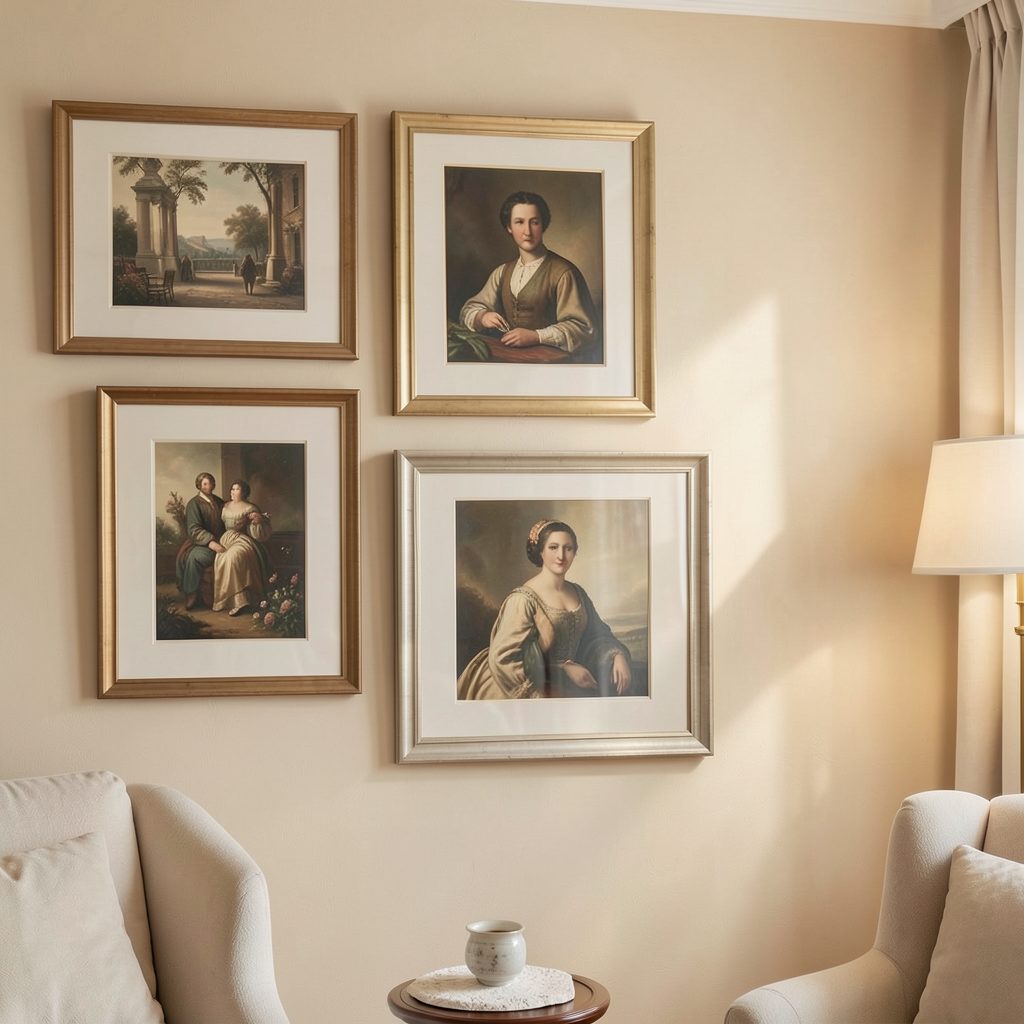
When sizing, work backwards from the wall rather than the print. A common mistake is hanging a single A3 sheet above a wide vanity and leaving it floating in negative space. For a standard 1500mm vanity, two A3 prints or one large A2 piece will look considered. If you are starting from scratch and want to coordinate the whole room, the minimalist bedroom furniture approach to scale applies equally well here: pick one anchor piece and let everything else echo it.
Placement and the bathroom layout
Hanging art in a bathroom means contending with splash zones. Avoid placing a print directly behind the shower head, even if the frame is sealed, because steam finds its way into every join over time. The wall opposite the shower, or above the toilet where moisture is minimal, is usually safer.
In a Queenslander with high ceilings, a vertical stack of three slim prints draws the eye upward and makes the room feel taller. In a compact apartment bathroom in Melbourne's CBD, a horizontal diptych above the towel rail keeps proportions calm. Always mark nail positions with masking tape first, then hold the arrangement up before committing; this avoids the dreaded trip to Bunnings to patch misdrilled holes.
Heights matter more than most people realise. The centre of the arrangement should sit roughly at eye level, around 145 to 155 cm from the floor, so the prints can be enjoyed from the doorway without anyone craning their neck.
Frames, glazing, and the humid factor
Frames make or break a botanical wall. Thin profiles in black, brass, or natural timber keep the focus on the artwork itself. Heavy ornate mouldings can shrink the room visually and fight with the greenery, which is the last thing you want in a small ensuite. Many Australians source frames from IKEA Richmond, a local framer like Frames of Melbourne, or the framing aisle at Bunnings, where standard sizes are easy to swap seasonally.
Glazing is non-negotiable in any bathroom. Standard glass fogs up and warps paper over months of steam. Opt for acrylic or UV-protective Perspex, which is lightweight and far more forgiving in a humid environment. For higher-end pieces, consider conservation glass with a moisture-resistant backing board to extend the life of the print.
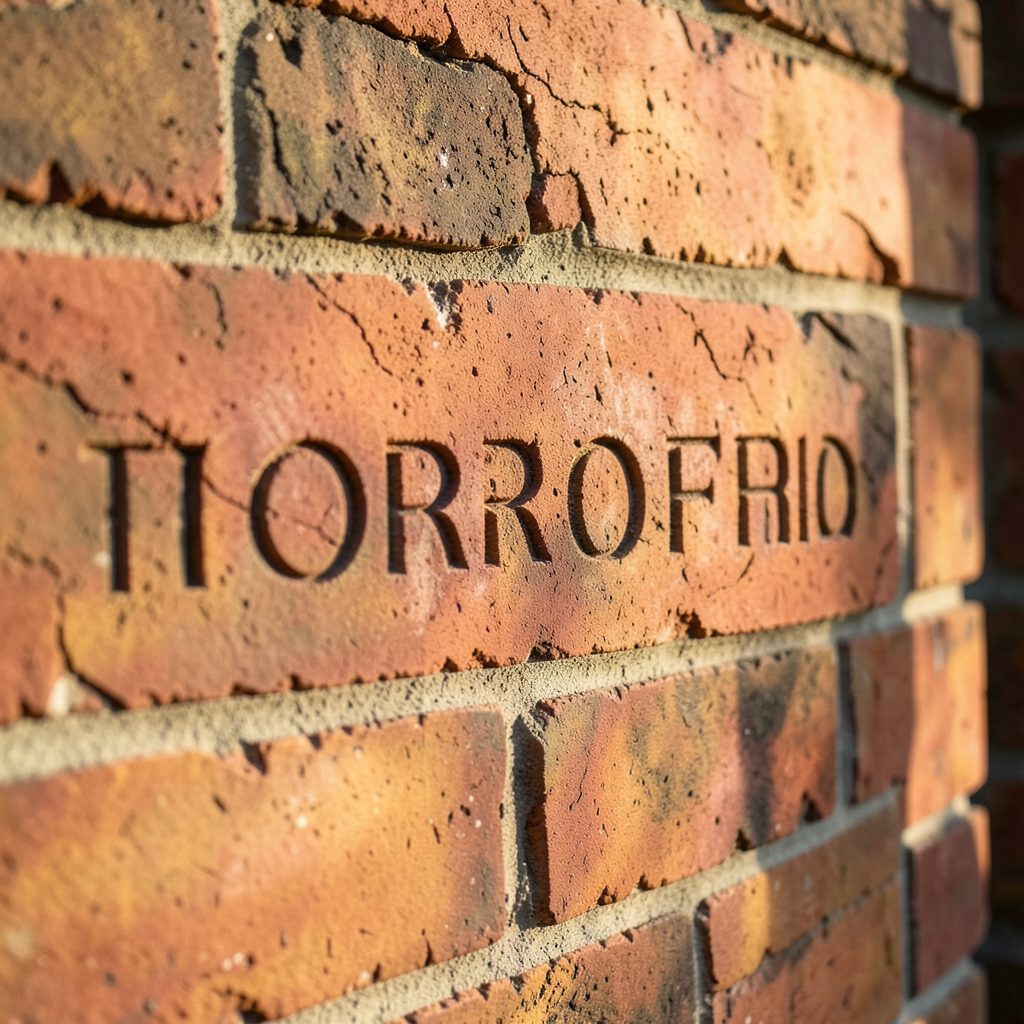
A less conventional but striking option for a powder-room feature wall is custom engraved brick signage, which pairs beautifully with botanical art in heritage homes. It anchors the gallery wall without overwhelming it, particularly in a Victorian terrace renovation in Adelaide or Fremantle, where original brickwork is often celebrated rather than hidden behind tiles.
Layering with plants, towels, and textures
Artwork does not live in isolation, and a botanical gallery wall works best when the rest of the room joins the conversation. A trailing pothos on a high shelf, a small fern on the vanity tray, or a sprig of eucalyptus tied to the tap with twine echoes the prints in three dimensions. In a humid climate like Cairns or coastal NSW, these choices thrive without much extra effort.
Textiles tie the palette together. Choose towels in sage, terracotta, or chalky white to pick up tones from the prints. A ribbed bath mat in natural jute or undyed cotton adds warmth underfoot, especially on the cool porcelain tiles common in new Australian builds. Resist the urge to match everything perfectly; a little variation feels more like a curated home than a catalogue page.
If your bathroom leads into a bedroom, carry one or two of the prints' colours through the bedlinen and cushions. This quiet trick makes the apartment flow, particularly in studio layouts where the bathroom is visible from the main living space.
Caring for prints in Australian conditions
Humidity is the enemy of paper art, and Australian bathrooms swing from dry in winter to tropical in summer. Keep a window cracked or an extractor fan running during showers to reduce steam build-up, and wipe the inside of the glass regularly with a soft microfibre cloth. Avoid hanging prints directly above a heated towel rail, where the temperature cycling can curl paper over time.
Direct sunlight through a frosted window will fade inks faster than people expect. Rotate prints seasonally if they sit in a strong light path, or use a UV-filtering film on the window glass. For renters, 3M Command strips rated for the frame weight are a reliable option that will not cost the bond at the end of the lease, a very real concern in the Sydney and Melbourne rental markets.
Ready to give your bathroom a fresh, leafy feel? Start with one hero print from an Australian artist, build the rest of the wall around it, and treat the space like a small gallery. For more ideas on how art can shape a calm, considered home, subscribe to the Focus LDN journal for weekly inspiration delivered straight to your inbox.