Art That Energises a Home Gym or Yoga Space
A home gym or yoga corner should feel like a place you want to enter, not a storage zone filled with equipment. Art can shift the mood before a workout begins, giving the room a visual rhythm that supports stretching, strength training, breathwork or a quick morning mobility session.
Selecting art for a home gym or yoga space to inspire movement involves more than choosing an energetic print. Scale, colour, subject matter, framing and placement all influence how the room feels in use. The right piece can make a compact apartment studio seem intentional while keeping the atmosphere calm enough for meditation.
Australian homes bring their own considerations. Strong summer sunlight can fade paper and textiles, coastal humidity may affect materials, and many Sydney, Melbourne and Brisbane apartments have limited wall space. Art needs to work with the room’s practical conditions as well as its design style.
Think of the artwork as part of the workout environment. It should encourage focus without becoming visual noise, and it must remain safe around weights, resistance bands, mirrors and moving bodies. A considered arrangement will make daily exercise feel more inviting.
Match the Artwork to the Type of Movement
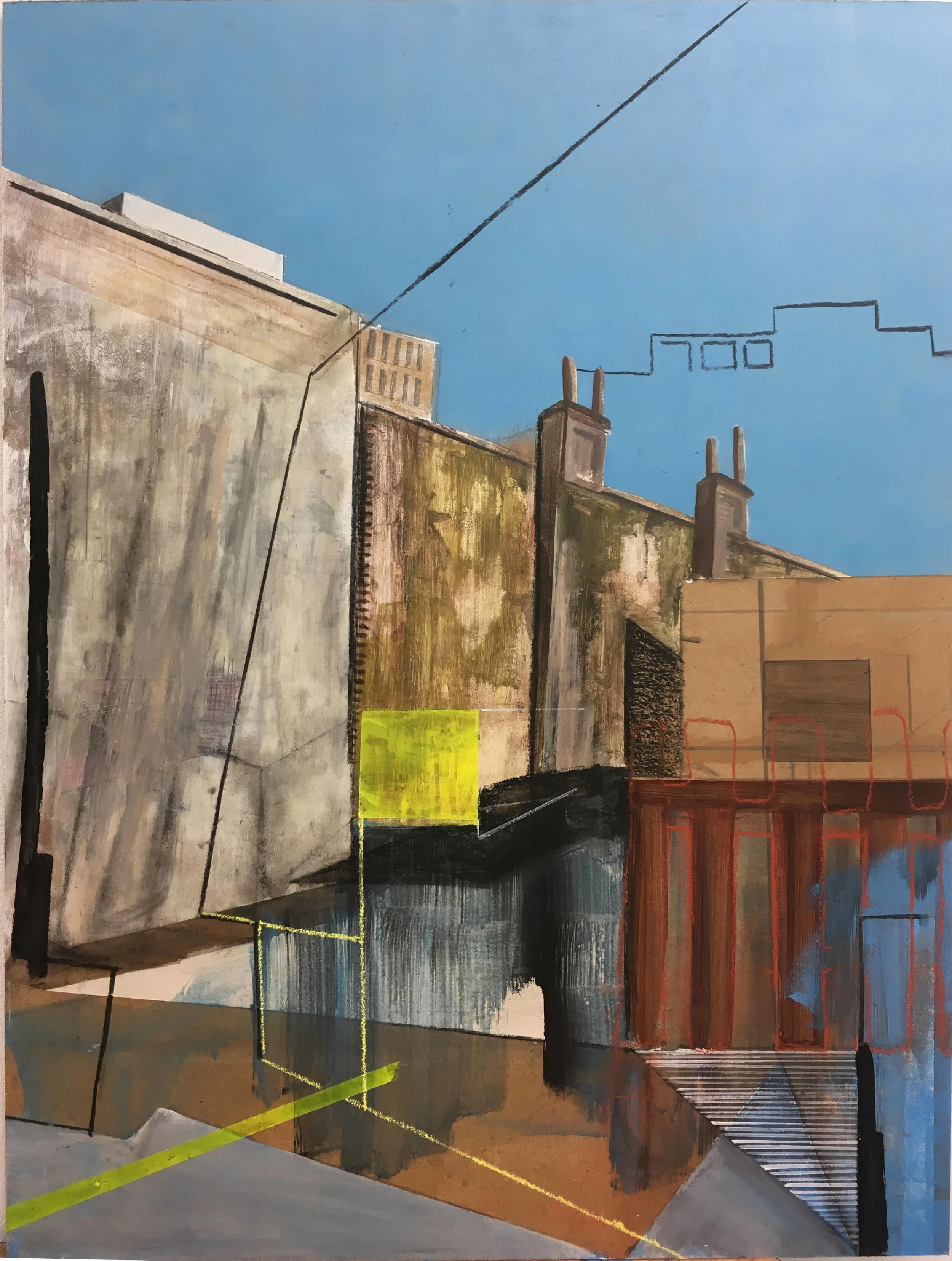
Dynamic exercise suits artwork with direction and momentum. Abstract brushstrokes, layered geometric forms and prints featuring sweeping lines can suggest speed without showing a literal athlete. These motifs work well beside a treadmill, rowing machine or free-weight area, where the room already has an active visual energy.
Yoga and Pilates spaces usually benefit from a quieter language. Soft botanical studies, coastal landscapes, sculptural forms and restrained line drawings can support concentration. A muted palette of sand, eucalyptus, clay, charcoal or ocean blue feels naturally connected to the Australian landscape while remaining easy on the eyes during a long stretch.
Choose Colour with Purpose
Colour can influence the perceived temperature and pace of a room. Warm terracotta, coral and ochre bring vitality to a north-facing Melbourne room, while blue-green, chalky white and pale timber can soften a bright space in Perth or Brisbane. Use one strong shade in a print, then repeat it subtly in a cushion, towel or storage basket.
A home gym does not need a wall of motivational slogans. If text appeals to you, choose one carefully designed typographic work with generous spacing. Abstract colour fields or expressive photography often have greater longevity and allow the space to evolve as your decorating style changes.
Get the Scale Right
A small artwork can disappear above a large bench or equipment unit. As a guide, select a piece that occupies roughly two-thirds of the furniture width beneath it, or create a compact grouping with a similar visual footprint. Oversized work can be especially effective in an apartment gym, where one confident statement is cleaner than several scattered decorations.
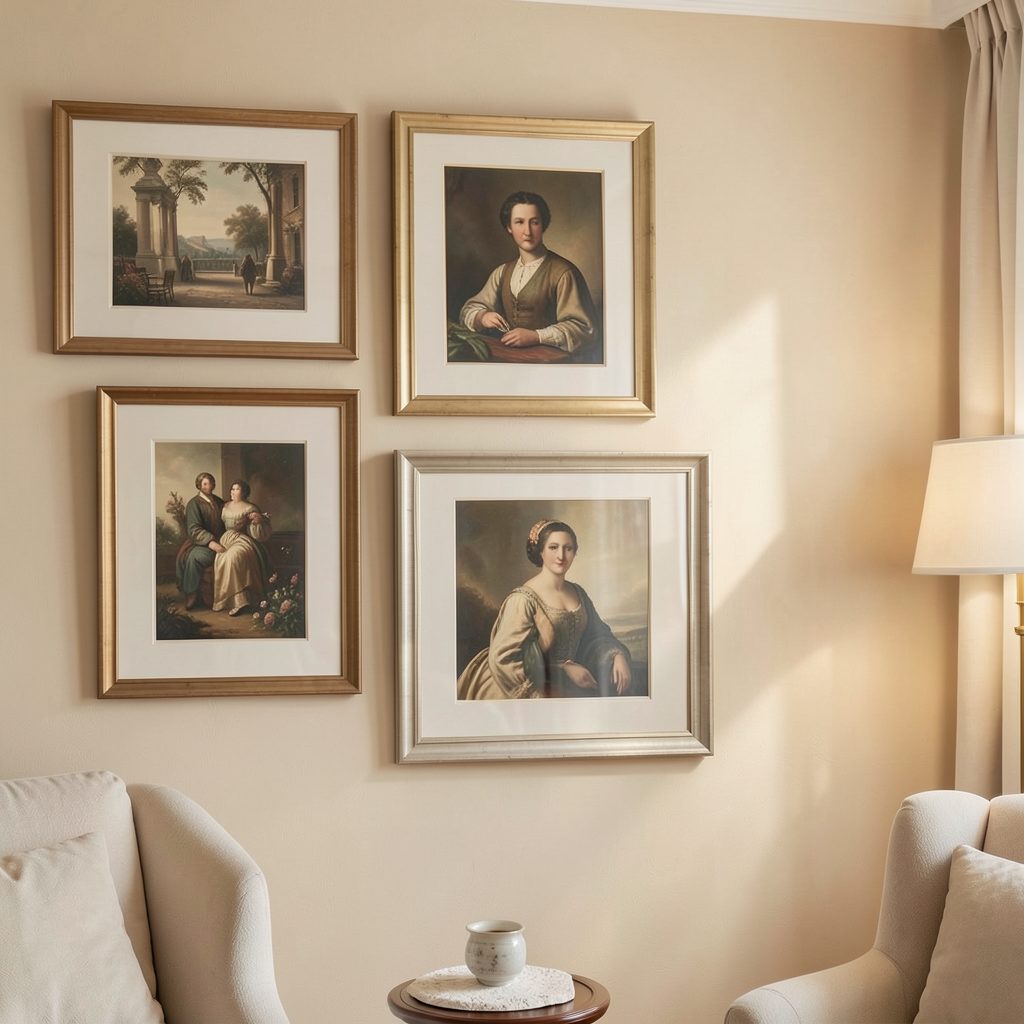
For a gallery arrangement, keep the composition disciplined. A set of three related prints can mark a movement sequence, such as reach, balance and release. Before making holes, place paper templates on the wall with removable tape and view them from the position where you usually exercise. This is a practical way to refine gallery wall spacing before committing.
Select Frames for Safety and Atmosphere
Lightweight acrylic glazing is a sensible choice near kettlebells, dumbbells and busy circulation paths. It is less likely to shatter than standard glass and can reduce the risk of injury if a frame is knocked. Secure larger works with appropriate wall fixings rather than relying on a single small hook, particularly in plasterboard apartments.
Frame material helps define the room’s character. Pale oak and ash suit Scandinavian or coastal interiors, black frames sharpen a minimalist studio, and brushed metal adds a more urban feel. In a humid bathroom-adjacent yoga area, keep valuable paper works away from direct steam and choose sealed frames with a stable backing.
Work with Light, Mirrors and Empty Space
Avoid positioning artwork where it competes with a mirror used for checking alignment. Reflections can make a small room feel crowded, while glossy glazing may catch harsh glare during an afternoon workout. Hang a piece on a side wall, opposite a plain surface, or beside the entry so it is visible when you arrive without interrupting exercise.
Australian sunlight deserves particular attention. UV exposure through an unshaded window can fade pigments quickly, especially in rooms that receive strong western light. Consider UV-filtering glazing, blinds or rotating less valuable prints seasonally. Leave enough blank wall around a focal work so the room retains a sense of breathing space during floor-based movement.
Make the Display Practical for Australian Homes
Renters should check their agreement before installing permanent hooks or picture rails. Australian tenancy rules differ between states and territories, and some alterations require the owner’s approval. Removable hanging systems can be useful for lighter works, though their weight limits must be followed precisely. Apartment residents may also need to consider strata or body corporate rules when drilling into shared or external walls.
Shop with the local market in mind. Australian print studios, emerging artists and independent galleries offer work suited to local interiors, often with archival papers and domestic framing options. A print bought from a Melbourne artist, a ceramic wall piece from Brisbane or a coastal photograph made in Sydney can give the room a sense of place without looking themed. For a broader source of visual ideas, browse gallery art inspiration before deciding on a final direction.
Keep everyday habits at the centre of the display. If you practise barefoot yoga before work, avoid low projections near the mat. If the room doubles as a laundry or guest area, choose art that tolerates regular cleaning and does not make the space feel permanently dedicated to exercise. Secure cables, keep artwork clear of vents and leave a safe route around equipment.
A successful movement space feels personal, calm and ready to use. Choose one artwork that sets the emotional tone, then build around it with restrained supporting pieces, useful lighting and enough clear wall to let the room breathe. Subscribe to Focus LDN for more ideas on gallery walls, thoughtful framing and stylish ways to make everyday rooms work harder.