How to use mirrors and art together to expand a dark corridor
A dark corridor can make an apartment feel smaller than it really is, especially when the entrance hall has few windows and several closed doors. A mirror can redirect borrowed light, while artwork gives that light a purpose. Together, they create depth, rhythm and a more considered arrival.
Mirrors should never feel like isolated decorating objects. Their shape, frame and position need to relate to the artwork nearby, the corridor’s proportions and the direction of the light. This turns a practical problem into a cohesive gallery-style display.
The most successful schemes are planned in stages: identify the light source, measure the available walls, select the mirror and then choose art with the right scale. This approach works whether you live in a compact Sydney rental, a Victorian terrace or a modern Melbourne apartment.
Start with where the light comes from
Stand in the corridor at different times of day and note where daylight enters. A large mirror positioned opposite a doorway or window can carry that brightness deeper into the space. Mirroring another dark wall will do very little, so work from the available light rather than the largest empty surface.
Place the main mirror where it reflects an attractive view without creating glare. A full-length mirror may reflect doors, ceiling lights or shoes, while a wide landscape-shaped mirror can capture more of the room. Test several positions with a inexpensive pane before committing to a finished mirror.
Smaller mirrors can form a repeated rhythm along a long passage. This guide to using four mirrors shows how several modest reflective surfaces can add light and dimension without making the corridor feel busy.
Choose a mirror that suits Australian conditions
Look for a clear, undistorted reflection and a frame that feels substantial enough for the space. Thin frameless mirrors suit minimalist interiors, while timber or metal frames can connect with warmer, layered decoration. Avoid ornate frames in narrow hallways, where heavy visual detail can make the walls appear closer together.
Australian sunlight can be intense, particularly as it moves through the northern sky. Keep artwork out of direct beams, where fading and reflected heat can damage paper, textiles and timber. A mirror may catch that sunlight, but the art should sit beyond the strongest glare.
For renters, adhesive mounting hooks and removable strips are useful options. Check the product weight rating and avoid fixing anything over a door, near an electrical fitting or where it could reduce the clear passage between rooms.
Let the artwork create a visual route
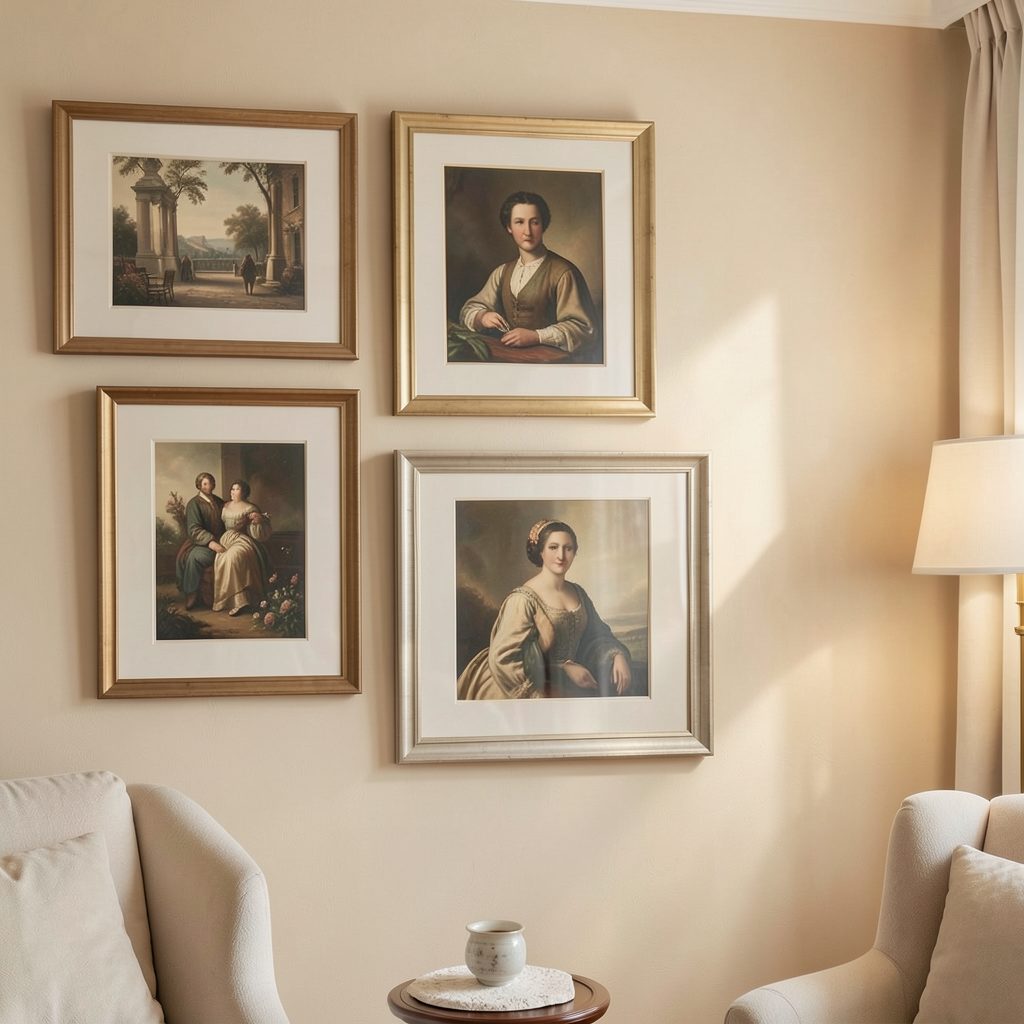
A single large artwork can make a strong statement at the end of a corridor, where it becomes the focal point for anyone entering. Hang it at roughly eye level, accounting for the mirror’s visual height so the two elements feel balanced. If several pieces are used, keep the gaps consistent to create a calm gallery wall.
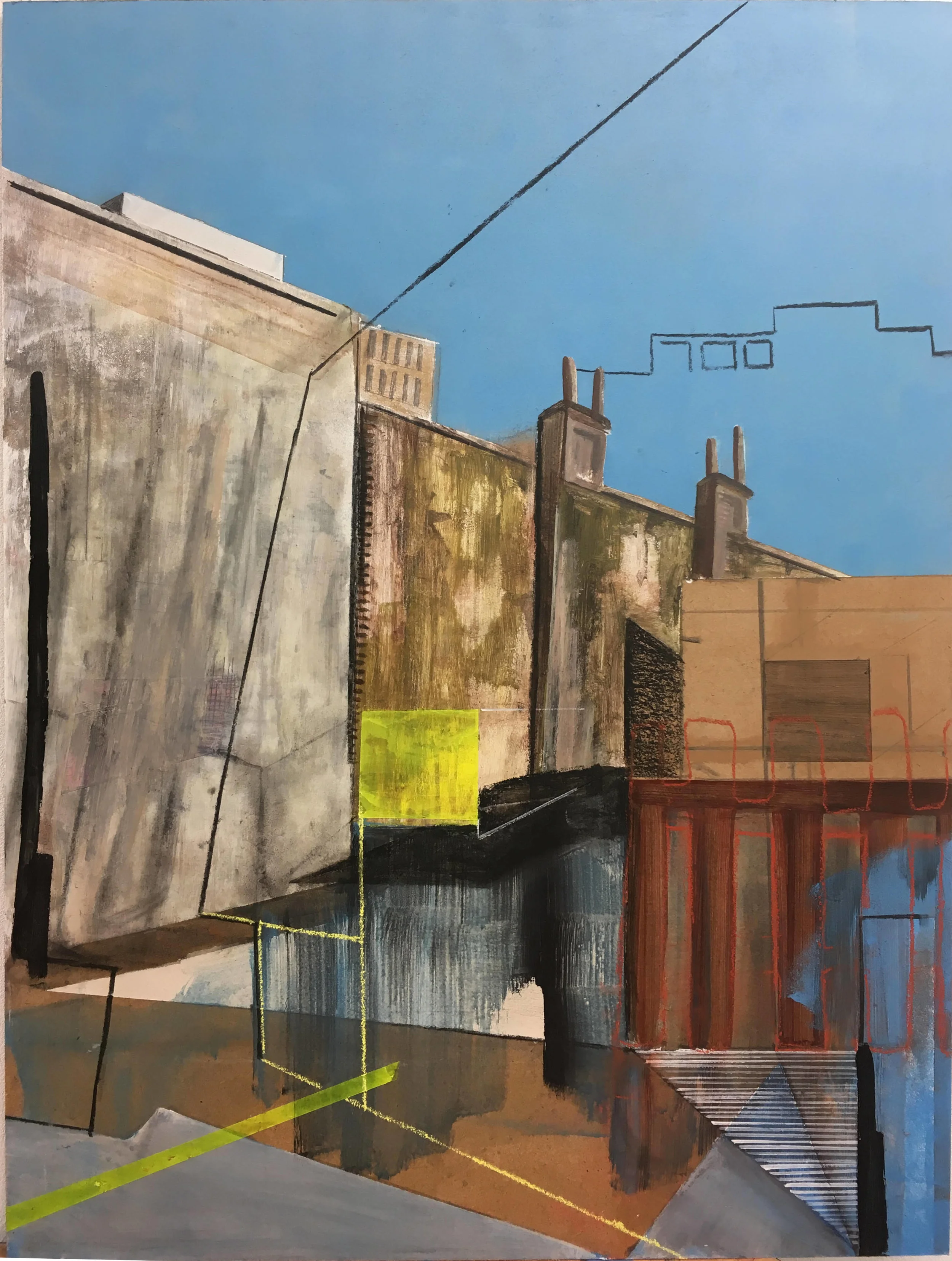
The subject matter should complement the reflected space. Artwork featuring botanical forms, coastal colours or soft abstract shapes can enliven a plain corridor without competing with the mirror. A restrained palette repeated across both the art and the frame will make the display feel intentional.
Try placing the largest piece first, then add smaller works beside it. This “largest, then lightest” approach gives the eye a clear starting point and allows the arrangement to continue naturally along the wall.
Match scale, frames and finishes
Scale matters more than the number of pieces. A tiny print beside a large mirror can look accidental, while similarly sized elements create a unified composition. Measure both objects and compare their proportions before drilling holes or applying hooks.
Frames provide another way to connect the artwork and mirror. Repeating one finish, such as matte black or natural timber, creates continuity even when the shapes differ. Alternatively, pair a frameless mirror with softly toned timber frames for a lighter, less formal result.
Many Australian homes use metric measurements and have ceiling heights around 2.4 to 2.7 metres. These dimensions can guide your choices: a tall vertical mirror works well in a standard hallway, while an oversized square frame may suit a wider entrance with generous wall space.
Work with awkward architecture and rental rules
Some corridors narrow near a staircase, intersect with a sloping ceiling or sit beside built-in cupboards. Rather than forcing a standard arrangement, use the wall with the longest uninterrupted run. For attic conversions and other irregular spaces, the advice in styling a dormer can help you adapt artwork to unusual proportions.
Vertical artwork uses space efficiently in a narrow passage. Pair one tall piece with a slim mirror, or position a mirror above a low console and hang a small work nearby. Keep the arrangement lower and broader in an area with a sloping ceiling so nothing appears to press against the roofline.
Australian apartment renters may also need approval from a landlord or strata committee before making permanent changes. Photograph the finished arrangement, use removable fixings where possible and leave doors, ventilation and escape routes unobstructed.
Make a practical decorating plan
Set a modest budget in Australian dollars and distinguish between the essential pieces and optional extras. Frame mouldings can be sourced from places such as Bunnings or an Australian framing specialist, while secondhand prints and local artist editions may provide more distinctive options.
- Measure the corridor’s length, width and ceiling height in millimetres.
- Position the mirror where it can reflect daylight or an attractive view.
- Choose artwork that shares a colour, material or frame finish with the mirror.
- Place the largest piece at the natural focal point and build the arrangement around it.
- Maintain a clear walking route and keep framed work away from direct sunlight.
- Test the layout with paper templates or painter’s tape before mounting anything.
Check every item from the main doorway before installation. That first view reveals imbalance, awkward gaps and reflections that are easy to miss while standing directly in front of the wall.
Turn the corridor into a brighter arrival
Begin with one mirror and one artwork, then judge them together at different times of day. The mirror should introduce depth and light, while the artwork should give the eye somewhere meaningful to land. Once those two elements work, add smaller pieces only if the wall has room to breathe.
Choose the mirror, select the art and prepare the wall this weekend. Measure first, test the placement and secure every fixture properly, creating a corridor that feels brighter whenever someone comes home.