A Practical Guide to Rotating Artwork in the Kitchen
A kitchen display should make the room feel more considered without getting in the way of breakfast preparation. If you are working out how to use floating shelves for rotating artwork in a kitchen, start with one protected section of wall, a consistent frame treatment and plenty of breathing room. The shelves then work as a flexible exhibition rail rather than a permanent home for one print.
Australian kitchens bring their own demands: intense summer light, humid weather, tiled splashbacks and walls that may be brick, sandstone or plasterboard. Measure in millimetres, note the benchtop height and aim for a display that complements daily routines. A compact arrangement changed every few months will usually feel calmer than an overcrowded gallery wall.
Start with the wall and sightlines
Stand at the room’s main entrance and mark where your eye naturally lands. A useful display sits within everyday sightlines, yet remains clear of cupboard doors, the tap and cooking zones. On a compact kitchen wall, choose two or three shelves rather than one long ledge; repeating the same length gives calm while leaving gaps for future work.
Measure the full display zone in millimetres and note the Australian benchtop height below it. In a Sydney terrace, the wall may be brick, sandstone or rendered masonry; in a Melbourne apartment, neighbouring walls can be close, so depth matters. Shallow ledges around 150–200 mm suit smaller rooms. For spacing and fixing decisions, the practical floating shelf basics guide offers a useful starting point.
Choose shelves for Australian conditions
Solid timber, sealed plywood and powder-coated metal each create a different mood. Timber adds warmth, metal reads crisp and slim, and a pale shelf can disappear against a light wall. Whichever material you choose, keep the profile quiet and repeat one frame finish across the artwork. The restraint shown in minimalist shelf styling keeps changing pieces visually connected.
Kitchen humidity matters. Brisbane summers and coastal Queensland weather can swell untreated timber, encourage mould around paper edges and dull unprotected surfaces. Look for sealed shelving, moisture-resistant backing and UV-stable acrylic glazing, then leave airflow around each frame. Avoid loose paper or thin, open canvases near the splashback.
West-facing windows can deliver fierce sun in an Australian summer, especially between breakfast and lunch. Rotate vulnerable prints away from direct light, keep works in sleeves when they are not displayed and test a spot at midday. Colour may shift on the wall itself, so check the paper and frame under the same conditions they will face each day.
Mount the shelf securely
Fix the shelf into a stud or use an anchor rated for masonry and the combined load; a row of framed art weighs far more than a few mugs. Brick veneer is common in Australian homes, while older terraces may need suitable masonry fixings. Bunnings is a familiar source for tools and hardware, but follow the shelf maker’s load guidance rather than guessing.
Before drilling, trace cables and check for pipes behind tiled areas. Use a spirit level and masking tape to mark both shelf positions, then check the fixing points with a detector. Add discreet anti-tip restraints for frames in a busy family kitchen. If the wall type or load is uncertain, a qualified tradesperson can make the installation safer without changing the design.
Keep floating shelves well away from a gas cooktop, rangehood flames and steam from the sink. Apartment owners and renters should check their lease or building rules before altering an external wall in a Melbourne flat. Leave access to switches, splashback edges and cabinet hinges; neat styling should never compromise safe movement through the kitchen.
Style the artwork as it changes
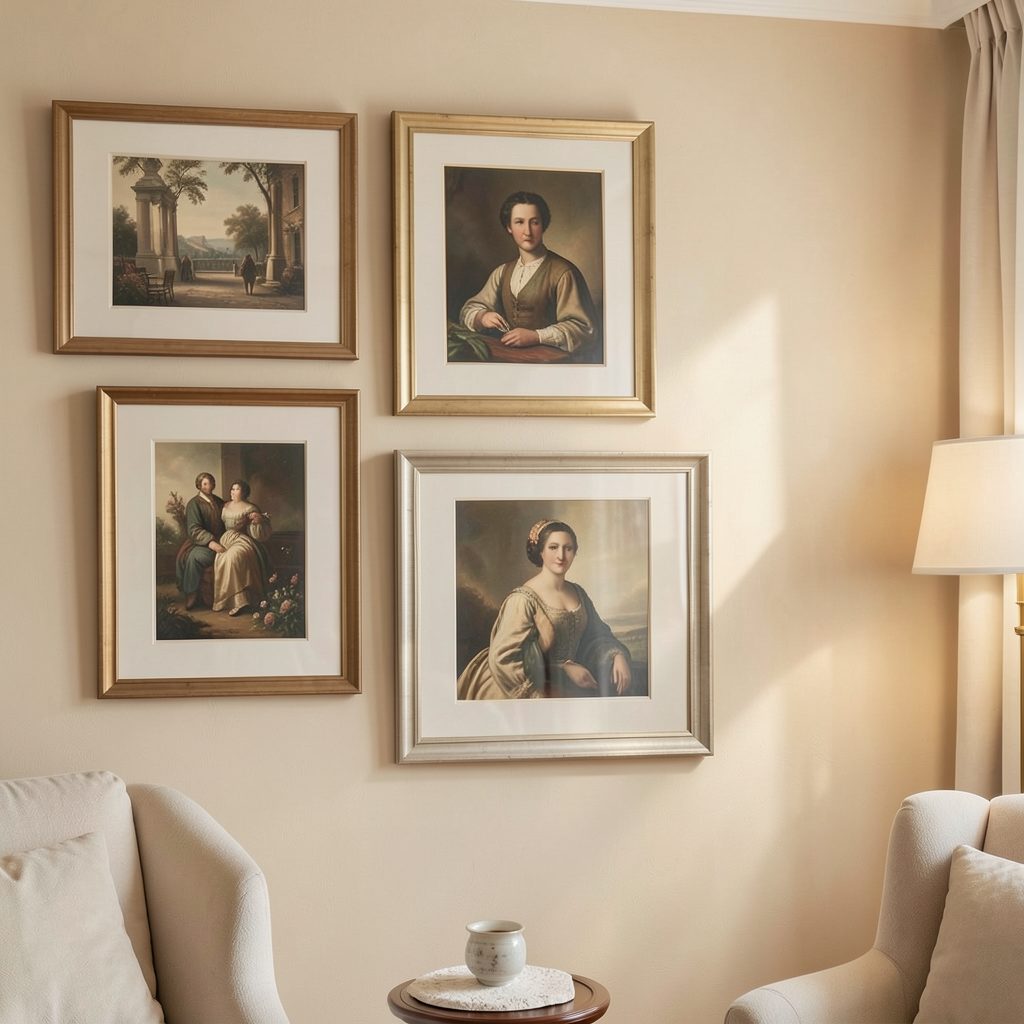
Build each arrangement around one anchor piece, either centred or placed on the first shelf. Let smaller works step down in scale, but leave at least a hand-width of open shelf between frames. A repeated bottom alignment creates order, while a salon-style mix gives a collected look. Keep daily objects elsewhere so the ledges read clearly as a small kitchen gallery.
Frames do most of the visual work. Mix portrait and landscape formats without matching every edge, repeating a common timber, black metal or off-white finish instead. Australian A-series framing makes A2 and A3 sizes convenient, and an online frame options guide can help you compare mouldings, glazing and mat colours before ordering.
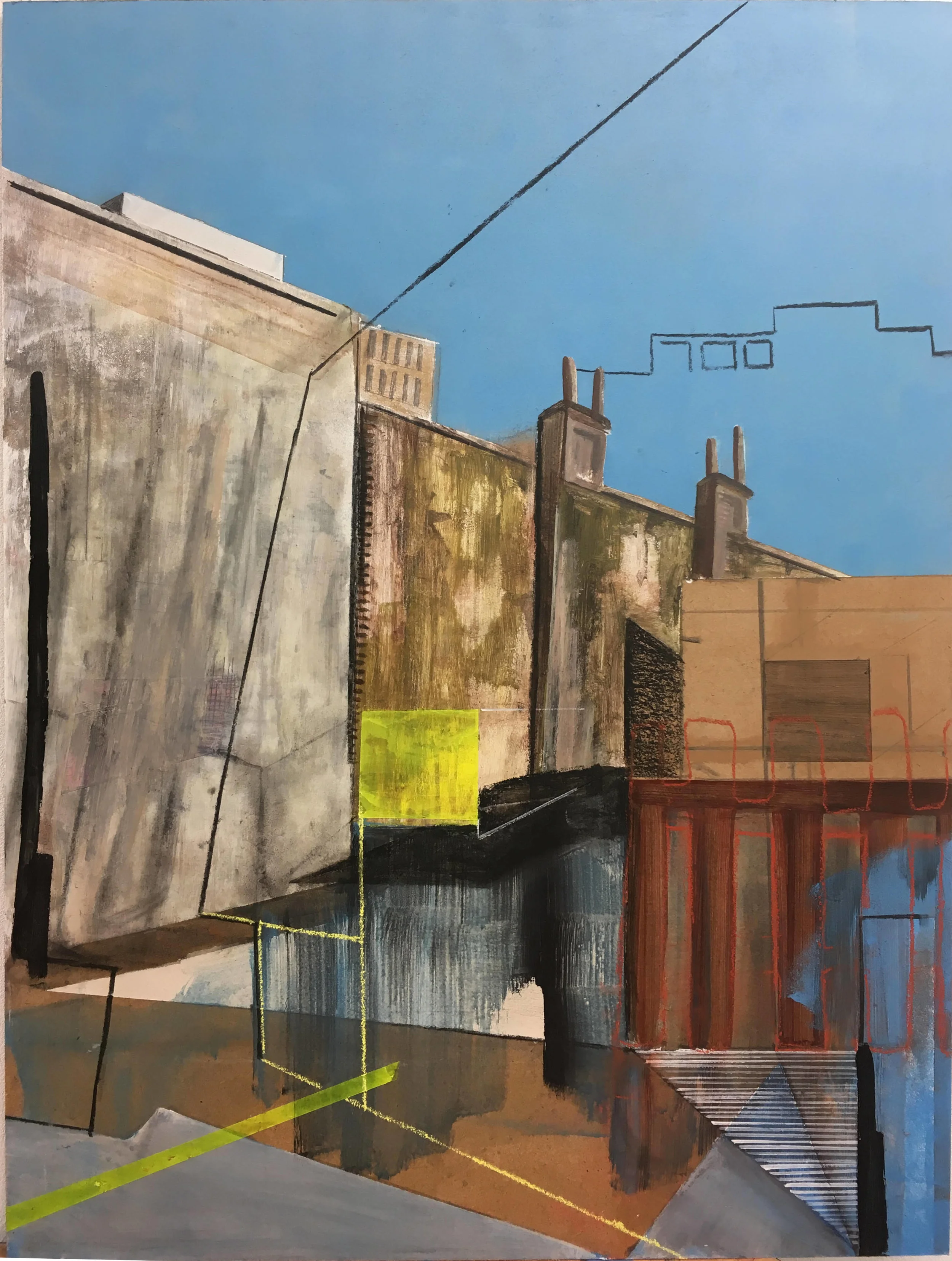
Choose art that earns its place at breakfast: a restrained palette, a useful scale or one memorable detail. Digital prints, photographs and reproductions are practical because they can be swapped, whereas oil and pastel need stricter light and grease protection. Save one shelf position for something new rather than filling every gap during the first installation.
Keep the rotation manageable
Store rotated work flat or upright in acid-free sleeves, with a small inventory noting size, artist, frame and hanging direction. Label the back of each frame in pencil so a later change is quick. Wipe shelf tops with a damp cloth and check fixing tightness as Australian seasons move through heat and humidity.
Set a calendar rhythm rather than waiting for a perfect display. Refresh the arrangement after a new local acquisition, a gallery opening or the change of season. Australian light changes strongly through summer, so a quarterly review helps you catch fading, decide which prints deserve another season and bring forward work that was hidden in a darker corner.
When you rotate, remove every piece before resetting the grouping. Reset one shelf at a time, keep repeated colours across the set and photograph the finished wall. That simple record makes future swaps faster and prevents a fresh print from forcing the whole display back into clutter.
Choose one protected wall, measure it today and install a pair of shelves you can load without crowding. Subscribe to Focus LDN for practical gallery-wall, framing and home-living ideas for Australian readers.