Using Floating Shelves to Display Art in Small Spaces
Small rooms often need decoration that adds personality without consuming valuable floor area. Floating shelves create a slim, flexible platform for framed prints, photographs, small canvases, ceramics, and sculptural objects. They bring artwork into the room while preserving clear walkways and an airy visual rhythm.
The best arrangements feel curated rather than crowded. A narrow ledge can support a changing collection, connect separate areas of an apartment, or turn an overlooked wall into a compact gallery display. With careful sizing, spacing, and lighting, even a modest shelf can have the presence of a full art wall.
Why Floating Shelves Suit Compact Rooms
A floating shelf has a lighter appearance than a freestanding bookcase or deep cabinet. Because its brackets are hidden, the line looks clean and architectural, which suits minimalist interiors and gallery-inspired decorating. The shallow depth also prevents artwork from projecting too far into a passage, beside a bed, or above a small desk.
Shelves offer more flexibility than permanently hanging every piece. You can lean artwork against the wall, layer a smaller print in front of a larger one, and rotate objects when the room needs a refresh. This approach works particularly well for renters or anyone who enjoys changing their interior style seasonally.
Select The Right Shelf And Wall
Measure the wall before choosing a shelf. In a narrow entryway, a ledge between 60 and 90 centimetres wide may be enough for two small frames. Above a sofa or console, a longer shelf can anchor the furniture, but it should remain visibly narrower than the piece below it so the arrangement does not feel top-heavy.
Depth matters as much as length. A shelf around 10 to 15 centimetres deep accommodates standard frames without overwhelming the room. Check the wall construction and use suitable fixings, especially if you plan to display glass-fronted frames, stoneware, or several layered pieces. A secure shelf keeps the display elegant and protects the artwork.
Use the furniture beneath the shelf as a visual guide. Leave enough breathing room above a desk, headboard, or basin for comfortable use, while keeping the art close enough to feel connected. A consistent vertical gap creates order; a slightly looser gap can make a more relaxed, collected arrangement.
Create A Layered Art Composition
Begin with one larger anchor piece, then add two or three smaller works that vary in scale. Lean the anchor against the wall and overlap a smaller frame in front of it by a few centimetres. This creates depth without requiring a dense gallery wall. For a restrained look, keep the palette connected through a shared colour, frame finish, or subject.
Mixing artwork with small objects can make a shelf feel more personal. A slim vase, handmade vessel, candleholder, or small plant introduces texture and breaks up a sequence of rectangles. Keep decorative objects lower than the main artwork or place them at the edge so they support the composition rather than competing with it.
| Display approach | Best for | Visual effect | Useful guideline |
|---|---|---|---|
| Single ledge with one print | Very narrow walls | Calm and spacious | Choose a frame with strong proportions |
| Layered frames | Desks, bedrooms, and consoles | Collected and dimensional | Use varied sizes with one linking colour |
| Two parallel shelves | Larger blank walls | Structured and gallery-like | Align the shelves carefully |
| Art with objects | Living rooms and entries | Warm and personal | Leave open space between groups |
| Short shelf in a corner | Awkward or unused areas | Purposeful and compact | Keep objects shallow and lightweight |
Coordinate Frames, Colour, And Texture
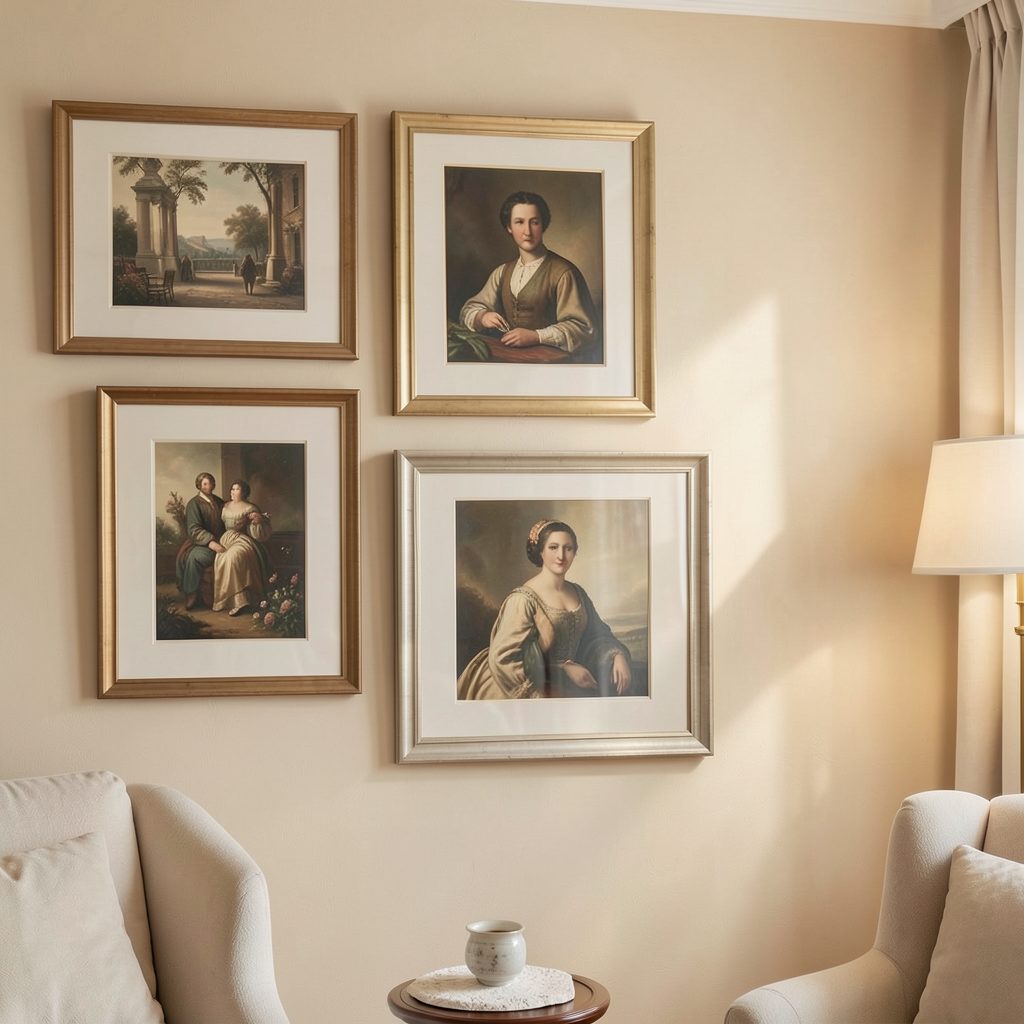
Frame selection can determine whether a small display feels polished or busy. Light oak adds warmth to white walls, black frames create graphic contrast, and brushed metal can complement contemporary furniture. If the artwork already contains strong colour, a simple frame usually gives it enough room to stand out.
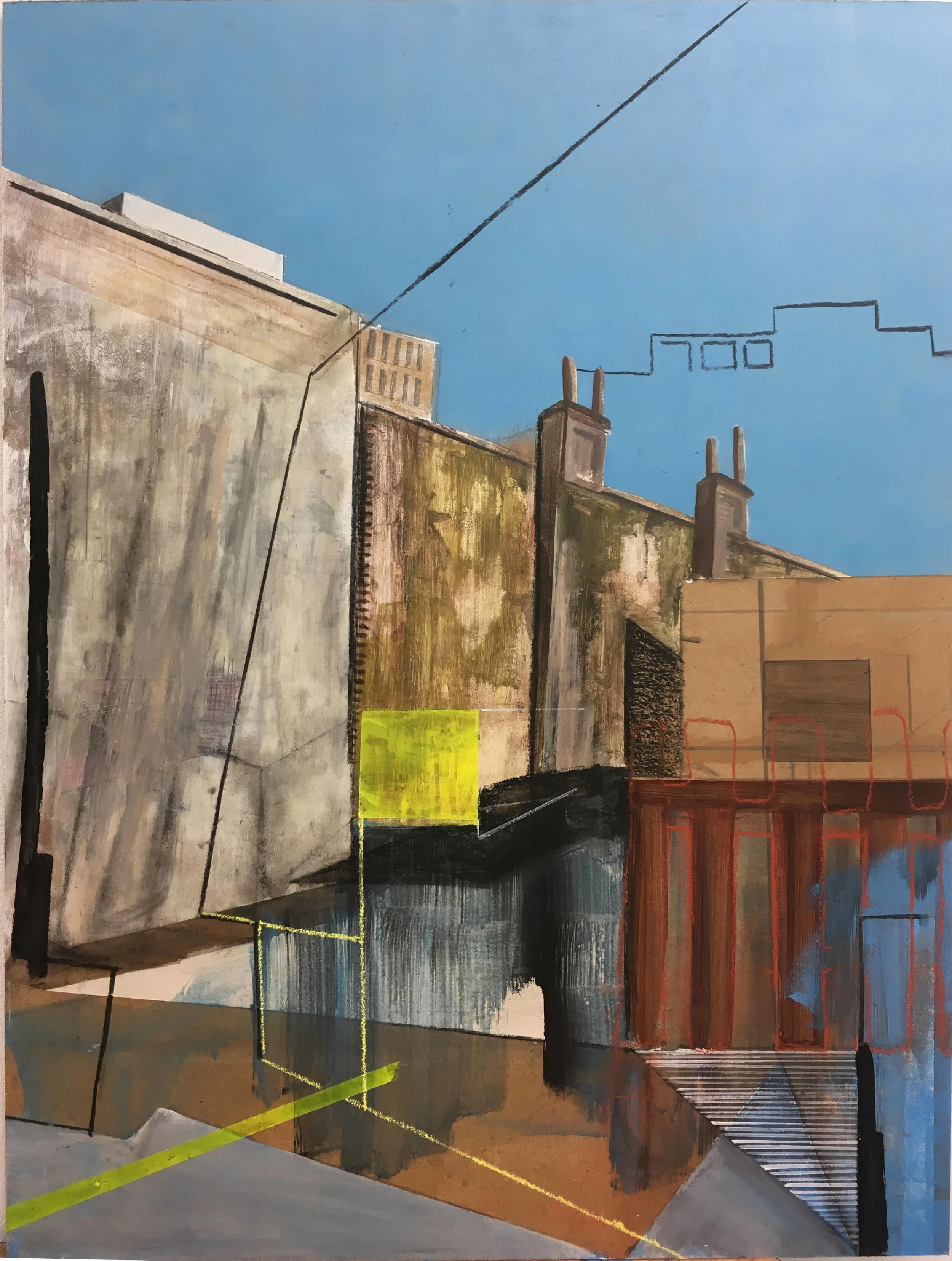
A tonal arrangement can make a tiny room feel larger. Try soft black, cream, and natural wood, or combine muted green, clay, and warm white. Matching every frame is unnecessary, but repeating one finish twice helps the collection look intentional. For inspiration beyond the home, browse this selection of gallery art to see how varied works can sit together through scale and spacing.
Matting is another useful tool. A white or off-white mount gives small prints more visual weight and prevents them from disappearing against a painted wall. When the shelf is shallow, choose slim frames and avoid ornate moulding that reduces the usable display surface.
Adapt Shelves To Different Rooms
In a living room, position a shelf above a compact sofa, sideboard, or reading chair. A pair of short ledges can frame a television without making the wall feel dominated by technology. In a bedroom, a shelf above a dresser can hold a calm arrangement of line drawings, personal photographs, and one tactile object. Avoid placing heavy or breakable pieces directly above the pillow area.
Bathrooms benefit from moisture-resistant materials and well-sealed artwork. Choose a painted wooden shelf, powder-coated metal, or treated bamboo, and keep paper prints away from direct steam. A small botanical print, abstract work, or monochrome photograph can add character without filling the room with visual clutter.
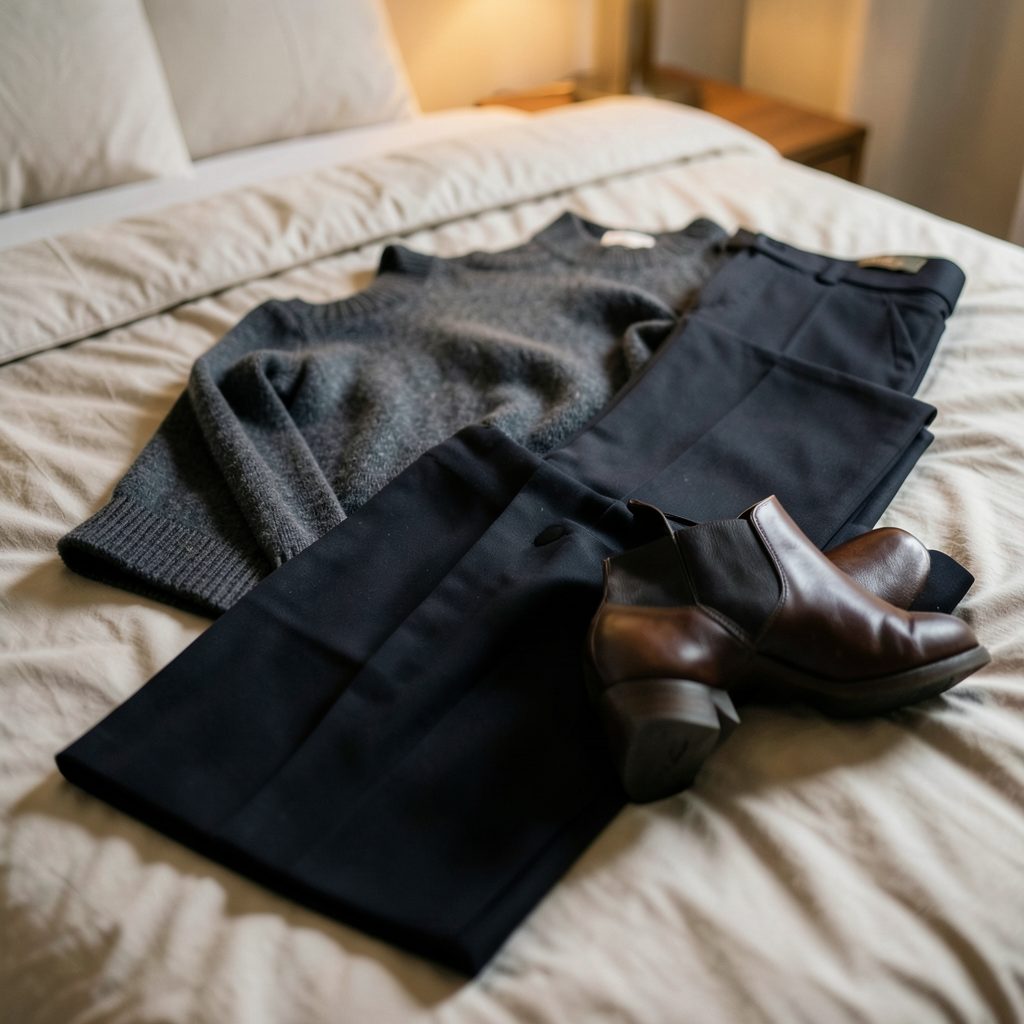
For an entryway, use a shallow shelf to display one welcoming artwork and a small bowl for keys. If the area connects to a more formal entertaining space, a display inspired by gallery opening attire can guide a refined palette of black, ivory, metallic, and understated colour.
Recommendations For A Polished Display
- Keep the shelf visually lighter than the furniture beneath it.
- Limit each ledge to one dominant artwork and a few supporting pieces.
- Repeat a frame finish, accent colour, or material to connect the collection.
- Leave intentional empty space so the display can breathe.
- Secure leaning frames with discreet museum putty in busy or high-traffic areas.
Before fixing the shelf in place, arrange the artwork on the floor or cut paper templates to the same sizes. This makes it easier to test the balance, check sightlines, and avoid unnecessary holes in the wall. Photograph the preferred layout before installation so the display can be recreated after cleaning or moving.
Use Light To Finish The Arrangement
Natural light can make artwork feel vivid, but direct sun may fade prints and damage delicate materials. Place valuable or sensitive pieces away from strong afternoon exposure, and consider UV-filtering glazing where appropriate. In darker rooms, a nearby wall light or adjustable picture light can give the shelf a gallery atmosphere without taking up floor space.
Warm, diffused bulbs generally flatter paper, wood, and ceramic surfaces. Avoid a harsh spotlight aimed straight at glass, as glare can obscure the image. A small lamp on the furniture below can also illuminate the lower edge of the shelf and make the entire arrangement feel layered after sunset.
Treat the display as a living part of the room. Change one print, shift the spacing, or introduce a seasonal object instead of rebuilding everything. Begin with a single well-placed shelf, refine the composition over time, and let your small-space art display grow into a collection that reflects how you live.