How Art Can Make a Narrow Bathroom Feel Wider
A narrow bathroom can feel cramped when every wall is filled with practical necessities: a mirror, towel rail, vanity, shower fittings and storage. Art gives you a way to change that visual balance without moving plumbing or undertaking a major renovation. The right image, frame and placement can make the room feel calmer, longer and more open.
In compact Australian homes, especially apartments in Sydney, Melbourne and Brisbane, bathrooms often have limited natural light and hard reflective surfaces. Artwork softens that utilitarian mood while directing attention towards the room’s most spacious features. It can also introduce colour without overwhelming a small footprint.
The key is to treat art as part of the bathroom’s layout rather than as an afterthought. Scale, sightlines, contrast, moisture resistance and the relationship between the artwork and the mirror all influence whether the room appears wider.
Choose Artwork That Expands The View
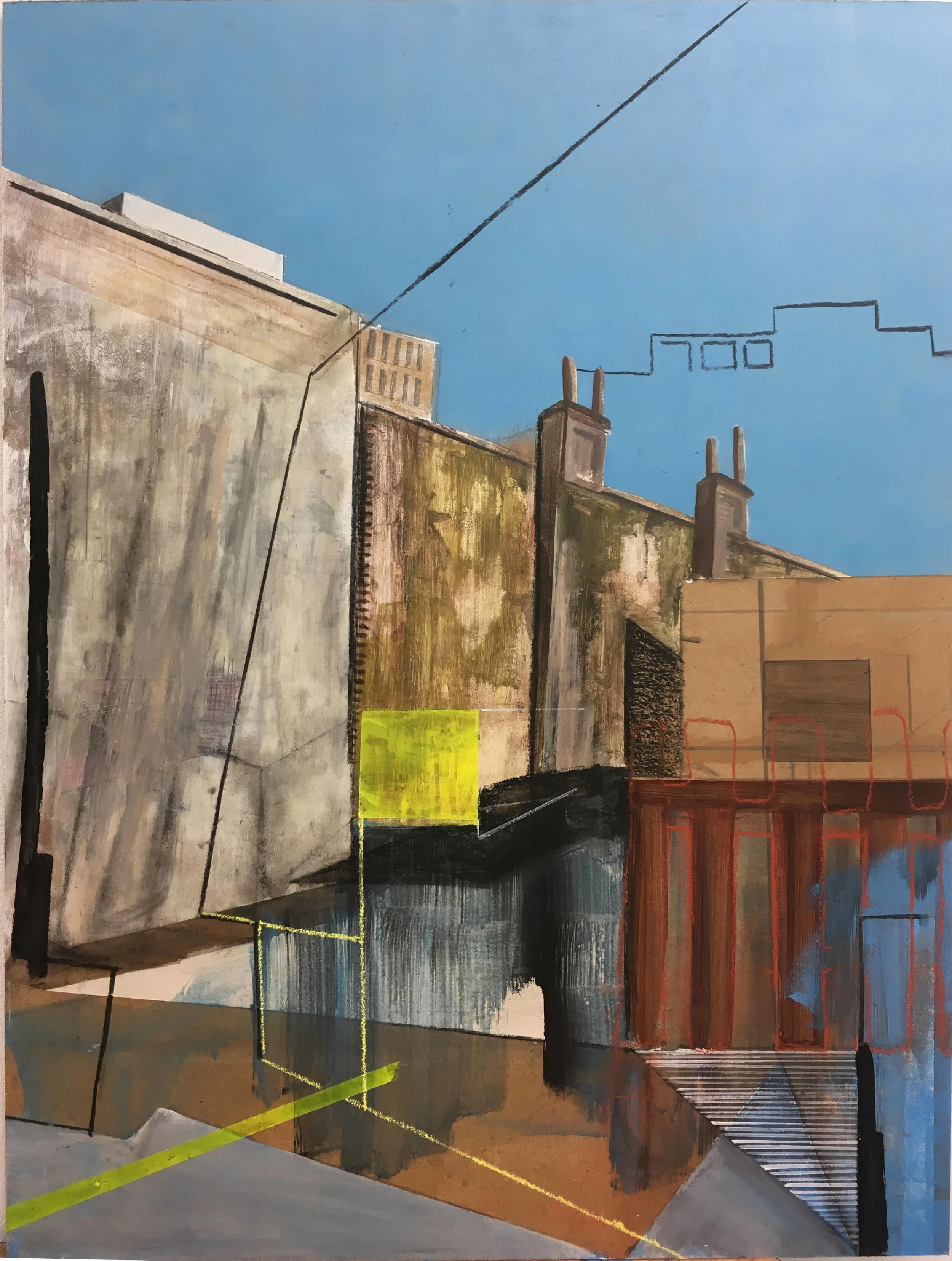
Horizontal artwork is one of the simplest ways to create a wider visual field. A landscape, panoramic photograph or abstract composition with a strong left-to-right movement can stretch the perceived proportions of a narrow wall. Choose a piece that is wider than it is tall, but keep its dimensions comfortably within the wall so it does not look squeezed.
Images with open space work particularly well. Coastal horizons, pale architecture, distant hills and abstract colour blocks can make the eye travel across the room. Australian landscapes are a natural fit: a muted image of the Great Ocean Road, a soft Sydney harbour scene or a desert-toned work can add character while maintaining a sense of airiness.
Avoid crowded illustrations with many tiny details. They give the eye too much to process and can make a small bathroom feel busier. For a restrained gallery-style interior, browse bathroom art ideas that use simple compositions, generous negative space and a limited palette.
Use Placement To Stretch The Walls
Hang a wide piece above the toilet, vanity or a low storage unit, provided it remains clear of splashing water. Centre it with the furniture beneath it rather than with the entire wall. This creates a stable horizontal line and helps the room’s fixtures feel deliberately arranged.
If the bathroom is extremely slim, place art on the longest uninterrupted wall. A single work positioned at eye level can guide attention along the length of the room. Hanging it slightly lower than you would in a living room may make the ceiling feel higher, especially when the upper portion of the wall is painted in a pale tone.
A mirror can reinforce the effect. Rather than placing art directly opposite a mirror, position it where the reflection catches part of the image without creating visual clutter. Reflected artwork can add depth, though avoid displaying anything that makes the room seem crowded from the main doorway.
Build A Light And Cohesive Colour Scheme
Colour affects how far a wall appears to recede. Art with a pale background, soft blue, warm white, sandy beige or gentle grey can blend with the bathroom and make its boundaries less abrupt. This is useful in windowless bathrooms, where strong dark blocks may absorb the limited light from ceiling fittings.
You do not need an all-white scheme. In a Melbourne terrace or a compact Brisbane apartment, a restrained palette of eucalyptus green, clay, cream and charcoal can feel distinctly Australian while remaining visually open. Repeat one colour from the artwork in a towel, soap dispenser or small ceramic accessory to make the room look coordinated.
Glossy tiles already reflect light, so highly saturated or shiny artwork may create too much activity. Matte paper, linen-look prints and softly textured surfaces tend to feel calmer. If you love bold colour, use one vivid accent against a mostly quiet composition rather than filling the entire wall with competing tones.
Select Frames For A Streamlined Finish
A slim frame reduces visual weight and keeps the artwork from becoming a bulky feature in a tight space. Pale timber can warm a white bathroom, while white, brushed metal or light oak frames help a narrow room feel continuous. Black frames work best when repeated in small details such as tapware, lighting or cabinet handles.
Protect the artwork from steam by choosing a glazed frame with a sealed backing and placing it away from the shower’s direct spray. Canvas may be suitable in a well-ventilated room, but unsealed paper, vintage works and valuable originals require greater care. A powerful exhaust fan and regular use after showers are practical protections in humid climates.
Australian renters should also consider how the art will be installed. Rental agreements, strata by-laws and property-manager policies can affect drilling, adhesive hooks and changes to tiled walls. Check the relevant rules before installing anything, and use a removable system with an appropriate weight rating when a permanent fixing is not permitted.
Add Depth Without Filling Every Surface
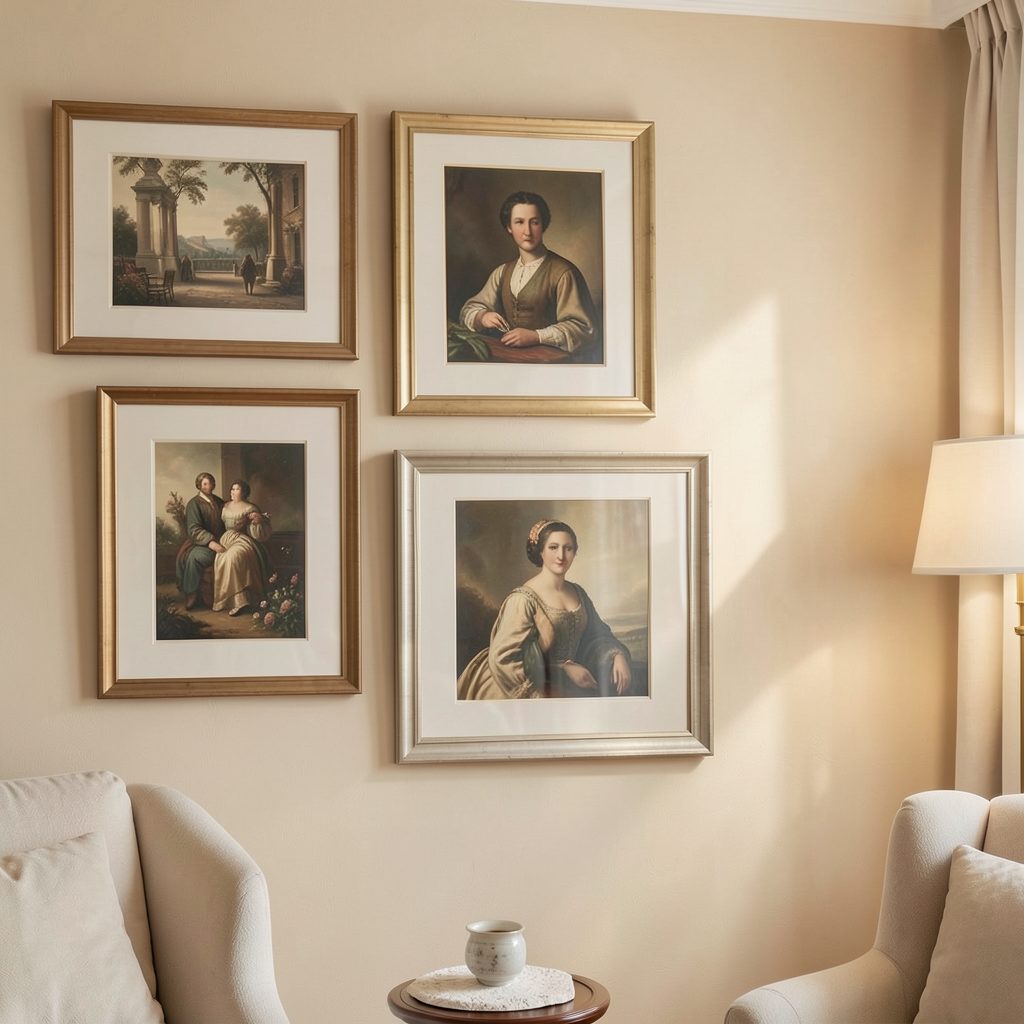
A narrow bathroom benefits from selected layers rather than a collection of small objects. One large print usually creates more visual breadth than several tiny pictures arranged in a vertical column. If you prefer a gallery wall, use two or three works with consistent frames and align their outer edges to form one calm shape.
Art can also work with textiles. A low-contrast bath mat or runner gives the eye a path through the room, while an oversized pattern may shorten the space. Look for rugs and decor in subtle stripes, small-scale geometry or tonal colour to complement the artwork without competing with it.
Keep the floor and vanity relatively clear. Too many bottles, baskets and decorative objects break up the horizontal flow that makes a narrow bathroom feel broader. One sculptural vase with dried Australian foliage can be enough, provided it does not obstruct movement or become exposed to constant moisture.
Create A Practical Gallery-Style Bathroom
Before hanging anything, view the bathroom from the doorway and from the position where you usually stand at the vanity. These are the perspectives that matter most. Mark the proposed artwork with painter’s tape, then leave it in place for a day to assess its scale in morning and evening light.
Art should never obstruct ventilation, cover electrical controls or interfere with access to a window, towel rail or plumbing fixture. In older Australian homes, wall construction can vary considerably, so identify studs, pipes and cables before drilling. In a strata apartment, also account for rules about alterations that affect shared walls.
For a more considered display, pair one horizontal artwork with a wide mirror, a pale wall colour and a simple runner. Further guidance on combining decorative elements can be found in this layering art guide, particularly if you want the room to feel styled without looking overdecorated.
| Art Choice | Effect In A Narrow Bathroom | Best Placement | Practical Note |
|---|---|---|---|
| Horizontal landscape | Makes the wall appear broader | Above the vanity or toilet | Keep away from direct spray |
| Pale abstract print | Adds openness and reflects visual light | Longest clear wall | Works well with white or light timber frames |
| Two coordinated prints | Creates a balanced gallery effect | Side by side above low furniture | Match frame style and outer alignment |
| Dark, high-contrast artwork | Adds drama and definition | On a pale feature wall | Use one strong piece to avoid crowding |
| Textured botanical work | Softens tiles and hard surfaces | Near the vanity or entry | Choose moisture-resistant materials |
Art can change the proportions of a bathroom without changing its footprint. Start with one wide, calm image, keep the frame light, and make the display work with the mirror, lighting and existing finishes. With careful placement and suitable protection from steam, even a compact bathroom can feel more spacious and distinctly your own. Explore Focus LDN for further gallery wall and stylish home decorating ideas.