How to style a picture ledge with rotating seasonal art
A picture ledge turns a narrow band of wall into a flexible display zone for prints, photographs and canvases. Instead of fixing one permanent arrangement, you can refresh the artwork as the light, mood and seasons change while keeping the ledge, frames and spacing consistent.
The key is to treat the ledge as a visual anchor rather than a crowded shelf. Plan a repeatable composition, select pieces with related colours or subjects, and make swaps simple enough to manage. This approach suits apartments, where one ledge can carry the atmosphere of a room without adding visual weight.
Measure the wall and choose the right ledge
Before shopping, mark the available wall width with masking tape and view it from normal sitting height. A ledge around 150 to 200 millimetres deep accommodates standard A4 and A3 frames while leaving enough room for their bases to sit securely. Keep the strip empty at this stage so you can judge the proportions accurately.
Choose a length that either spans a clear architectural bay or creates a deliberate pause between windows, doors or cabinets. Check the wall for studs, wiring and uneven plaster before drilling. If you want the arrangement to work above a sideboard, allow breathing room for objects placed underneath and keep the lowest frame clear of the furniture.
Australian renters often use removable hanging strips rather than permanent fixings. Apartment and strata by-laws may restrict changes to common walls, so confirm permission and test adhesive discreetly where product instructions allow.
Build a repeatable gallery arrangement
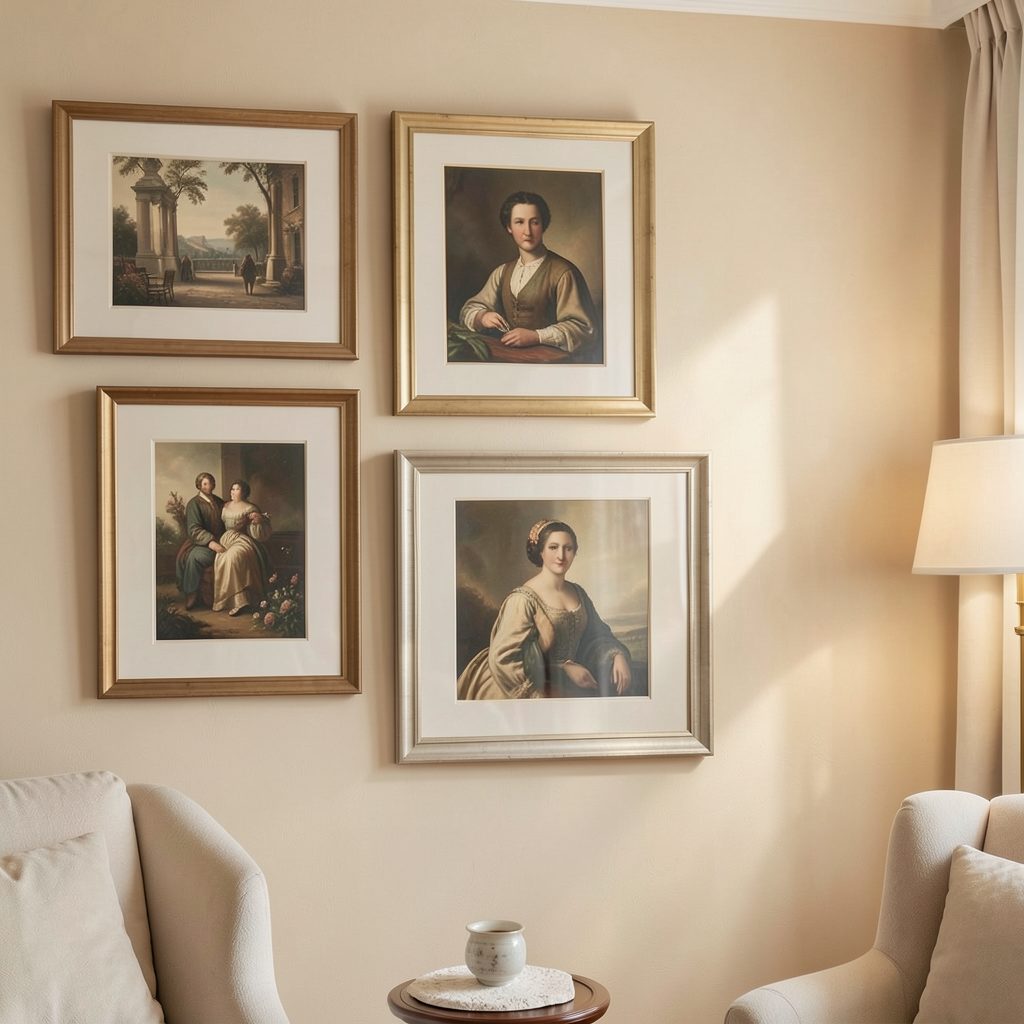
Start with one larger piece and balance it with either a pair of smaller works or a single narrow portrait. Repeated formats, such as three A4 landscapes, create rhythm without making every frame compete. Keep the composition loose enough to accommodate a future seasonal piece of a different size.
Measure gaps rather than trust your eye. For a minimalist effect, a gap roughly equal to a frame width usually feels calm, while wider spacing around a focal image adds rhythm. Leave one section open, and check the grouping from the doorway as well as your usual chair.
Choose art that travels well
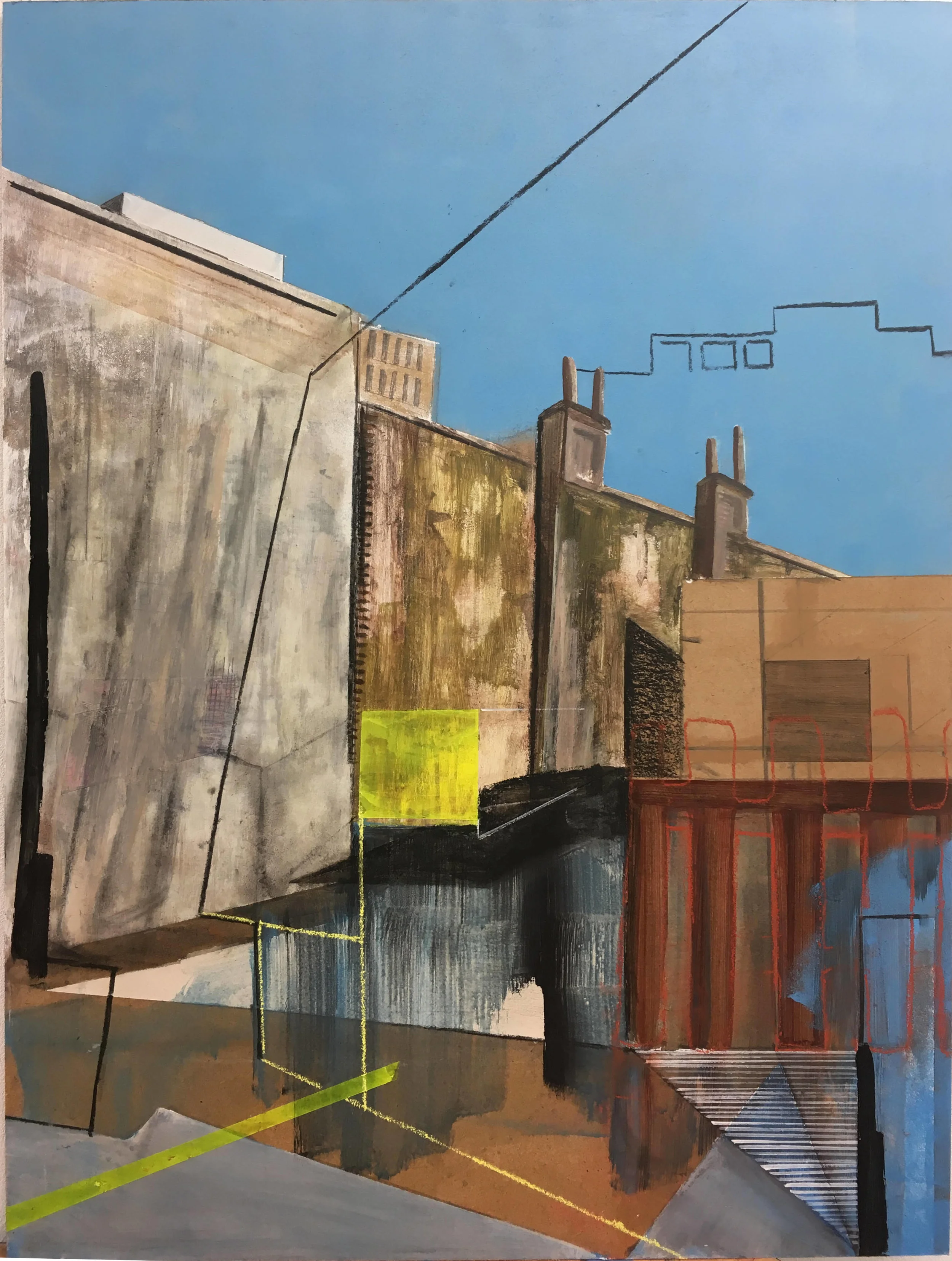
Select works that share a restrained palette, recurring subject or similar visual weight. Botanicals, coastal studies, architectural photographs and abstract colour fields can all shift between spring, summer, autumn and winter without breaking the scheme.
Australian collectors can find original work and limited editions through independent galleries, artist studios, weekend makers’ markets and local print sellers. A3 is a practical format for a ledge, but browse A4, A2 and square editions for stronger proportions. In Melbourne’s compact apartments, a modular set may need to fit above a sideboard; Sydney’s coastal light calls for UV-filtering glazing; and Brisbane’s humidity makes spacer mats and stable framing worthwhile.
For a nearby wall, borrow the spacing logic from this bedroom gallery wall guide. It is especially useful if the ledge sits near a bed and the display must feel restful rather than busy.
The seasonal brief can be kept simple:
| Season | Art direction | Frame treatment | Small ledge accent |
|---|---|---|---|
| Spring | Soft botanicals and pale studies | White or oak frames | A small ceramic vessel |
| Summer | Bright coastal photography and bold abstracts | Light timber or clean white | A woven or linen object |
| Autumn | Earthy landscapes and textured prints | Black, brass or deep brown | A natural stone or branch |
| Winter | High-contrast monochrome work | Charcoal, black or cool grey | A matte ceramic form |
Rotate with the southern seasons
Because Australia moves through spring in September, align the first swap with the Southern Hemisphere calendar rather than northern imagery. Bright coastal photographs and fresh botanicals can introduce spring and summer, while earthy landscapes, monochrome studies and richer tones can carry autumn into winter. The physical ledge stays fixed; only the art and a restrained accent change.
Set a recurring reminder in late August and early February, then allow one final refresh in May or June if the room needs it. Photograph each finished arrangement, note the frame positions and store every piece in a labelled sleeve. This makes the next rotation quick and prevents tiny shifts that gradually make a gallery wall look untidy.
Use frames that feel cohesive
Match frame mouldings by depth or material rather than forcing every detail to match exactly. Thin black profiles, warm timber and simple white mouldings each create a different effect against the wall. Use the same mat colour and a consistent outer size where possible, then vary one element to preserve interest.
Check that each frame stands upright without wobbling and that its feet or easel will sit fully on the ledge. For glass-fronted pieces, ask about UV-filtering acrylic and retain protective film until the frame is positioned. Under the Australian Consumer Law, goods supplied by Australian businesses must meet their description and be of acceptable quality, so keep the invoice and document any transit damage.
Style the ledge like a still life
Treat the artwork as the main event and use the ledge for only one or two low objects. A small ceramic, a bud vase with a single stem, or a stack of two art books can add texture without competing with the frames. Leave enough negative space that every piece remains visible from across the room.
The same restraint works in adjacent rooms. These dining room display ideas show how a horizontal run of art can connect a ledge with shelving or a sideboard without making the space feel overworked. Keep the lowest object low, repeat one material from the frames, and remove anything that accumulates dust.
Build a rotation you will keep
Dust the ledge, frame glass and ceramic accents every few weeks, and check the fixing points whenever you change the display. Use a soft dry cloth, avoid spraying cleaner directly onto artwork, and keep framed pieces away from damp bathrooms or direct afternoon sun. If the ledge is in a bathroom, ventilation and stable humidity matter more than squeezing in extra pieces.
Keep a small kit with cotton gloves, a microfibre cloth, spare hooks, frame spacers and labels for each artwork. Save a photograph of every arrangement and note which pieces work best at different times of day. This simple record makes the display easier to maintain and gives each seasonal change a deliberate rhythm.
Choose one ledge, gather a focal print and two complementary works, and schedule your first seasonal swap. Subscribe to Focus LDN for practical gallery-wall guidance, frame ideas and stylish home inspiration delivered to your inbox.