How to Style a Coffee Table with Miniature Artworks and Sculptural Objects
A coffee table can act as a small, changeable exhibition space rather than a surface for remote controls and half-read magazines. Miniature artworks, ceramics, stone pieces and carefully chosen books bring personality to a living room while keeping the arrangement easy to refresh.
The best displays balance visual interest with everyday function. A low sculpture may echo the shape of a nearby armchair, while a tiny framed print can introduce colour without competing with a large artwork above the sofa. The result should feel collected, not crowded.
This approach suits Australian homes particularly well, from compact Sydney apartments to open-plan Melbourne terraces and relaxed coastal rooms in Brisbane or Perth. With the right scale and materials, a coffee table vignette can feel polished while still accommodating morning coffee, weekend guests and ordinary family life.
Start With The Table’s Proportions
Begin by considering the table as a foundation. A broad rectangular design can support a central tray, a stack of art books and several smaller objects. A round table usually benefits from a looser triangular arrangement, with one taller piece balanced by two lower forms.
Leave generous negative space around the edges. Aim to keep at least one clear area for placing a cup or bowl, and avoid spreading objects evenly like decorations in a shop window. Grouping items in varied heights creates rhythm and makes the display easier to read.
Glass tables need especially controlled styling because every object is visible from above and below. Choose a few substantial pieces rather than many small ornaments. On timber or stone tables, texture can do more of the visual work, allowing a quieter collection of objects.
Build A Small Artwork Composition
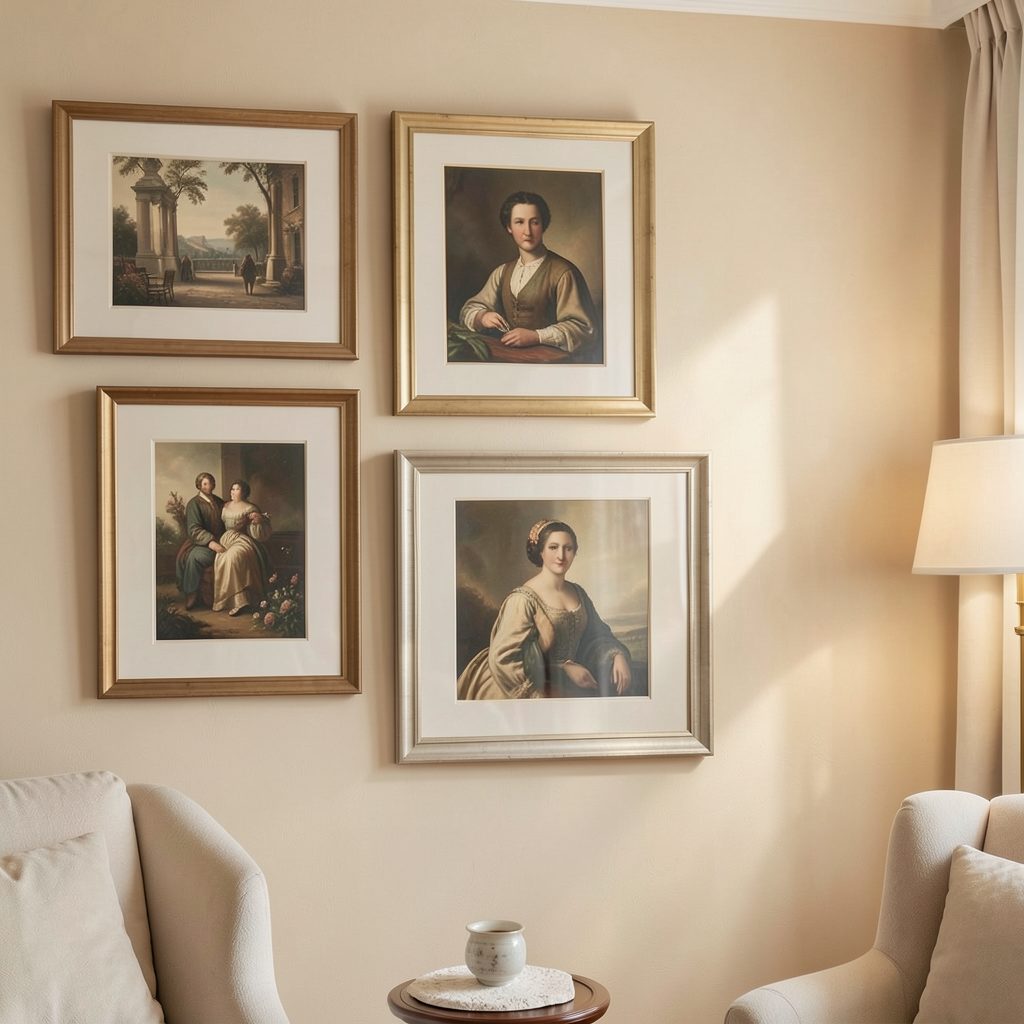
Miniature paintings, photographic prints and small works on paper add a gallery-like quality to a coffee table. Place one piece inside a slim frame and lean it against a stack of books, or use a tabletop easel if the artwork needs greater stability. A framed work should be raised enough to remain visible without becoming a barrier across the room.
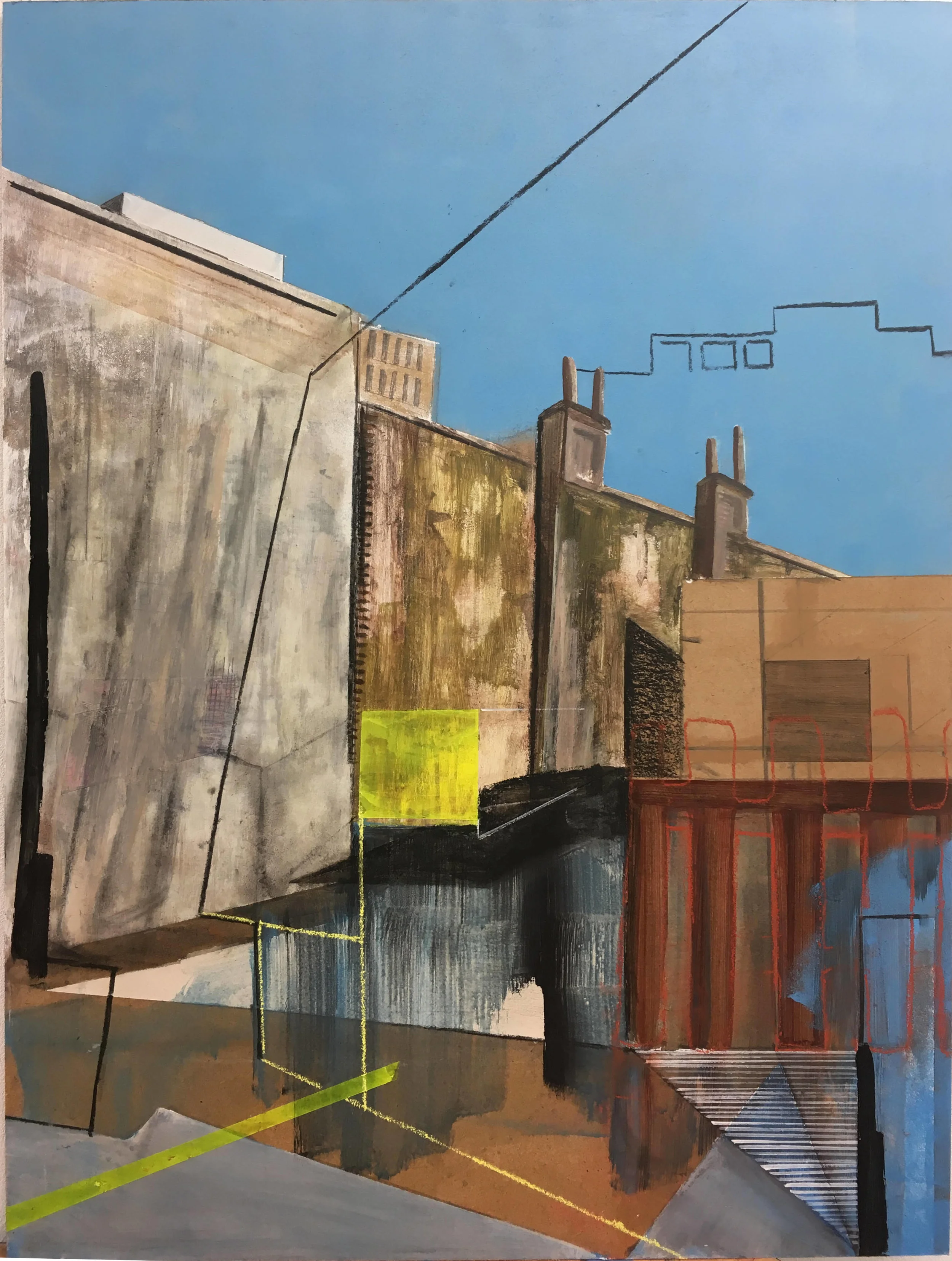
Colour can connect the table to cushions, rugs or artwork on the wall. A warm ochre print might echo a tan leather sofa, while a blue ceramic object can pick up the cooler tones of an Australian landscape painting. For more guidance on balancing a small work with its border, explore these colourful mat ideas.
Avoid matching every colour exactly. Repeated tones can look intentional, but slight variation gives the arrangement a more natural, collected character. In a minimalist interior, one vivid miniature artwork may be all that is needed.
Add Sculptural Objects With Contrast
Sculptural objects give a coffee table display dimensional interest. Try a carved timber form beside a smooth ceramic vessel, or place a rough stone object near a polished metal piece. The contrast between matte and reflective finishes makes a restrained arrangement feel richer.
Scale matters more than price. A single expressive object from a local ceramicist can have greater impact than several generic accessories. Australian makers’ markets, independent design shops and gallery stores often offer small-batch vessels and sculptures that bring a sense of place into the home.
Choose objects with stable bases and rounded edges where possible. This is particularly important in homes with children, pets or narrow walkways. Heavy stone, clay and timber pieces should sit securely rather than wobble whenever the table is used.
Use Trays, Books And Boxes
A tray gives a coffee table vignette a visual boundary and makes the whole arrangement easier to move when guests arrive. Timber, travertine, woven fibre and lacquered metal each create a different mood. Select a shape that relates to the table: a rectangular tray on a long table, or a softly curved tray on a round one.
Art books provide height and introduce another opportunity for colour and pattern. Stack two or three, keeping the largest volume at the bottom and opening the top book to a strong image. A small box can hold matches, coasters or television remotes, helping practical items disappear into the composition.
In Australian homes, where indoor-outdoor living often brings dust and sand inside, easy-to-lift groupings are especially useful. A tray can be cleared quickly before cleaning or moved to a sideboard when the table needs to become a serving surface.
Keep The Arrangement Safe And Livable
A beautiful display still needs to accommodate real life. Keep hot drinks away from delicate paper, unsealed timber and fragile sculpture. Use discreet felt pads beneath ceramics and metal objects to prevent scratches, particularly on stone surfaces such as marble or engineered quartz.
Strong Australian sunlight can fade artworks, book jackets and dyed textiles over time. If the coffee table sits beside a north-facing window, rotate paper pieces periodically and use glazing with UV protection for valuable miniature works. Blinds or sheer curtains can reduce direct exposure without making the room feel dark.
Apartment living also calls for attention to strata by-laws. If a coffee table sits near a shared entry, balcony access or a required circulation path, keep the arrangement contained and avoid objects that could create a trip hazard. In rental properties, removable trays and freestanding displays make it easier to protect surfaces without permanent changes.
Create A Rotating Gallery Moment
Treat the tabletop as a miniature exhibition that can change with the seasons. A pale ceramic vessel and botanical print may suit summer, while darker timber, a textured artwork and a sculptural candleholder can add warmth during cooler months. Rotation prevents the display from becoming background clutter.
Keep a small collection of alternate pieces in a cupboard or on a bookshelf. Swapping one artwork or sculpture can refresh the entire arrangement without buying new furniture. This is also a useful way to display newly acquired work from local exhibitions or emerging artists.
If the idea inspires a broader home collection, learn how to start an art gallery with a considered approach to themes, framing and placement. The same principles apply on a smaller scale: choose pieces with a relationship to one another, then give each work enough room to be appreciated.
Practical Styling Checklist
Before styling, gather more objects than you expect to use and edit them down. The strongest composition usually contains a deliberate mixture of heights, materials and functions rather than a large number of unrelated pieces.
Use this checklist when arranging the final display:
- Select one focal artwork or sculpture to establish the visual centre.
- Combine at least two different heights, such as a low bowl and a taller ceramic form.
- Add one tactile material, including timber, linen, stone, glass or woven fibre.
- Keep a clear landing space for cups, books and everyday items.
- Repeat one colour from the surrounding room without making the palette identical.
- Check the arrangement from standing, seated and walking positions.
- Remove anything unstable, sharp, overly precious or difficult to clean around.
Step back after each edit and consider the room as a whole. The coffee table should support the sofa, rug, lighting and wall art rather than compete with them. A restrained collection often feels more luxurious because every object has a visible purpose.
A miniature artwork display can turn an ordinary living room surface into a personal focal point. Start with one meaningful piece, add sculptural contrast, then refine the arrangement until it feels balanced and practical. Subscribe to Focus LDN for more ideas on gallery walls, artful interiors and stylish everyday living.