How to hang a textile or tapestry when you prefer a framed look
Traditional tapestries and woven wall pieces bring warmth and movement to a room, but their soft edges rarely create the crisp outline associated with framed art. Hanging a textile in a frame lets you keep its tactile character while giving it a deliberate architectural presence.
The key is to treat the fabric as an object with depth rather than a flexible print. Its thickness, condition and structure determine whether it belongs on a flat backing, in a shadow-box frame or across stretcher bars.
Australian homes make this especially worthwhile. Apartments in Sydney and Melbourne often have narrow hallways, while brick terraces and Queensland houses bring very different fixing and climate considerations. A careful measurement and local framer can make the result feel neat rather than precious.
Why a framed finish works
A framed textile gains definition from the contrast between its textured surface and the straight edges around it. A deep frame can cast a subtle shadow, adding depth without making the piece look heavy or museum-like.
The frame also gives practical protection. It can keep dust away, prevent accidental snagging and separate the textile from painted walls. For a hallway or living room, this creates a controlled focal point that works well with both minimalist furnishings and layered, collected interiors.
Choose the right mounting style
Choose the frame depth according to the textile rather than the overall wall. Thick embroidery, appliqué and dimensional weaving need room around the edges, while a thin, flat panel can sit neatly within a narrow timber frame.
Frame formats
- Deep shadow-box frame for dimensional weavings, embroidery and appliqué.
- Slim timber frame for a thin textile that has already been mounted flat.
- Glass-free display case for vulnerable pieces that need protection from dust and handling.
The mounting system should support the textile without restricting its natural movement. Fragile antique fibres should not be pulled tightly across a frame, as this can cause permanent distortion.
Mounting systems
- Acid-free conservation board with textile-safe retainers for stable, flat pieces.
- Stretcher bars for robust modern weaves that can tolerate light tension.
- Shadow-box spacers for embroidery, loose fibres and uneven edges.
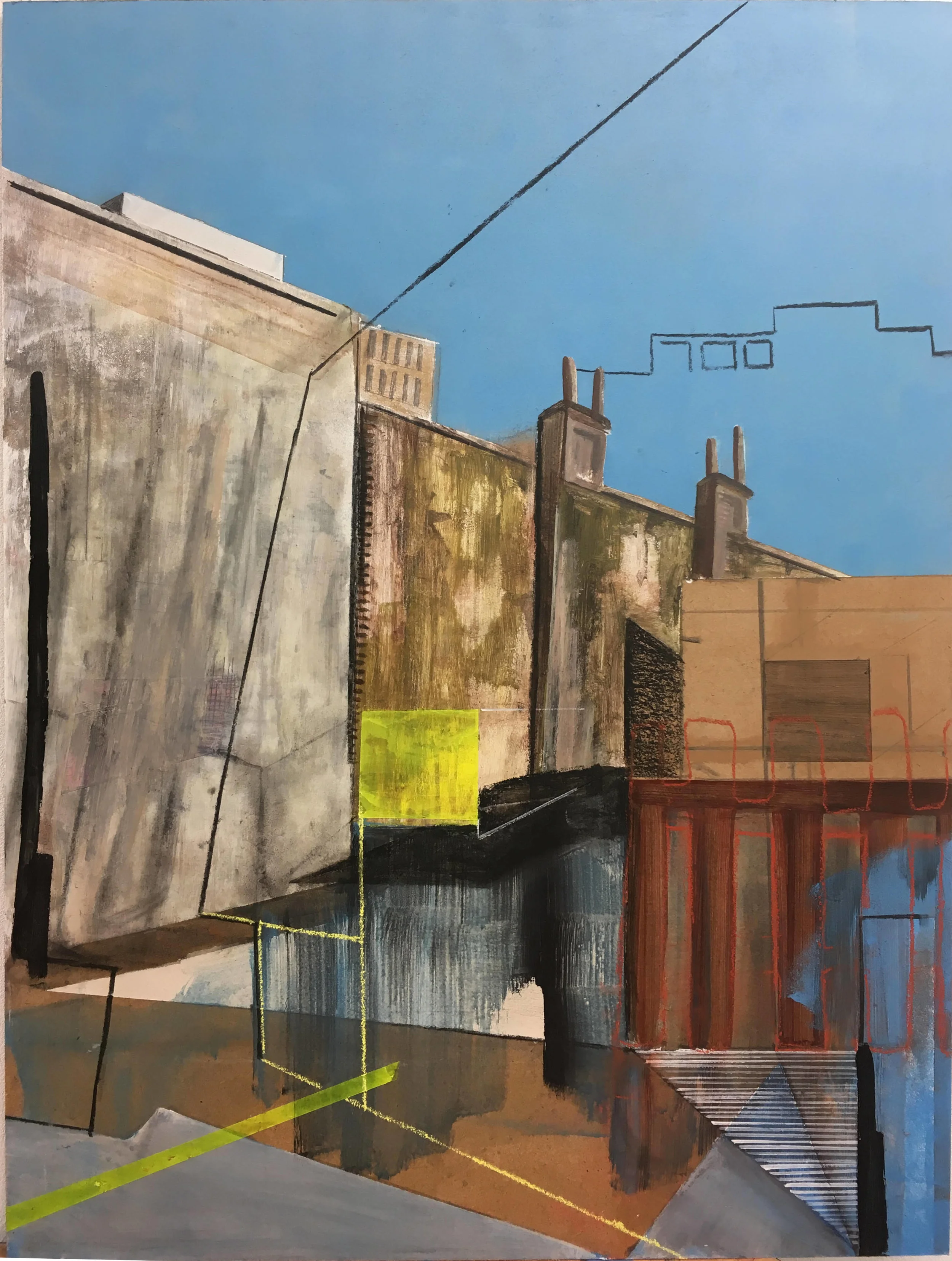
If the woven piece will share a wall with prints or paintings, begin with choosing complementary artwork so its scale, colour and framing feel connected. The textile can remain the centrepiece while nearby pieces echo its palette or texture.
Prepare the textile with care
Avoid attaching fabric directly with ordinary tape, glue or pins. These methods can stain fibres, become brittle or damage the weave when removed. A professional framer should use acid-free tissue, conservation board and suitable mechanical retainers.
Before mounting, check for loose threads, fading, moths or previous repairs. An inherited or historically significant piece deserves assessment from a textile conservator, particularly if it has never been displayed. For modern work, the framer can recommend whether it should remain loose, sit flat or be mounted over stretcher bars.
Keep the textile away from direct sunlight and avoid frequent touching. In some homes, a protective sheet of UV-filtering acrylic will work better than ordinary glass because it reduces glare and does not scratch as easily.
Plan the fixing for Australian homes
First, identify the wall construction and spot the studs or any concealed services. Most Australian apartments use plasterboard, so standard masonry fixings will not hold. Lightweight pieces may work with appropriate cavity anchors, while heavier tapestries need secure hooks fixed into a stud or another suitable structural point.
In a strata apartment, check the building’s rules before drilling and make sure the hanging position avoids doors, light switches and ventilation grilles. A hallway display still has to look schmick, but it should not interfere with circulation or an emergency exit.
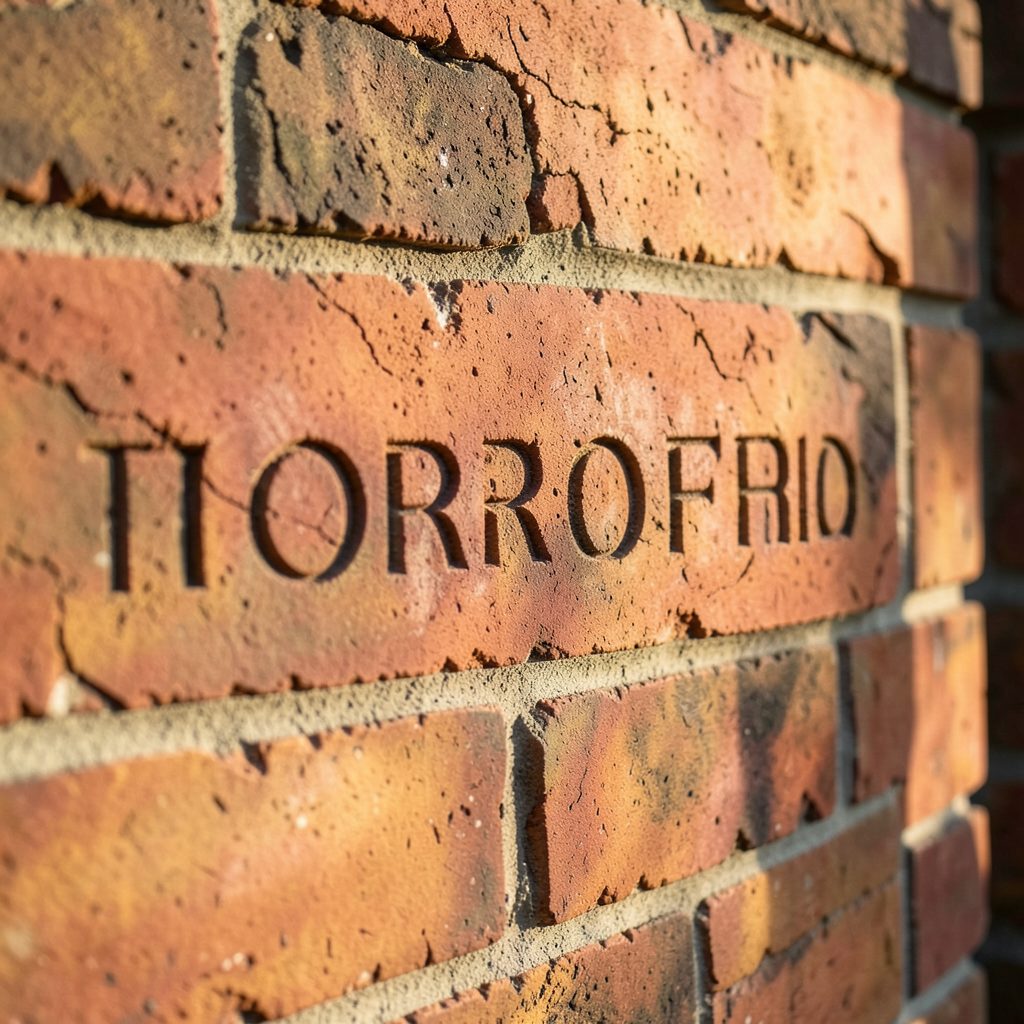
Brick and masonry require a different approach. For an exposed brick wall, brick engraving ideas can help you judge the surrounding visual balance. The hanging itself still needs fixings designed for masonry rather than plasterboard. Independent framers across Melbourne, Sydney and Adelaide often quote custom shadow-box work differently, so get a couple of quotes and confirm exactly what is included.
Climate also matters. Brisbane’s humidity can encourage mould if moisture is trapped against a textile, while Melbourne’s dry winter heating can make fibres brittle. North-facing windows receive strong Australian sunlight, so consider UV-filtering acrylic, a protective backing and enough ventilation around the frame.
Style around the framed piece
Treat the textile as a major visual element rather than a small decorative accent. In a bedroom, it can sit above a low timber bed or serve as a softer alternative to a large headboard. In a living room, place it near a slim console or lounge chair rather than crowding it with numerous small objects.
Balance its depth with simpler surroundings. Pale timber, matte metal, linen upholstery and warm neutral walls allow the weave to remain prominent. Dark cabinetry can create drama, but the frame edge should remain clearly visible so the textile does not disappear into the background.
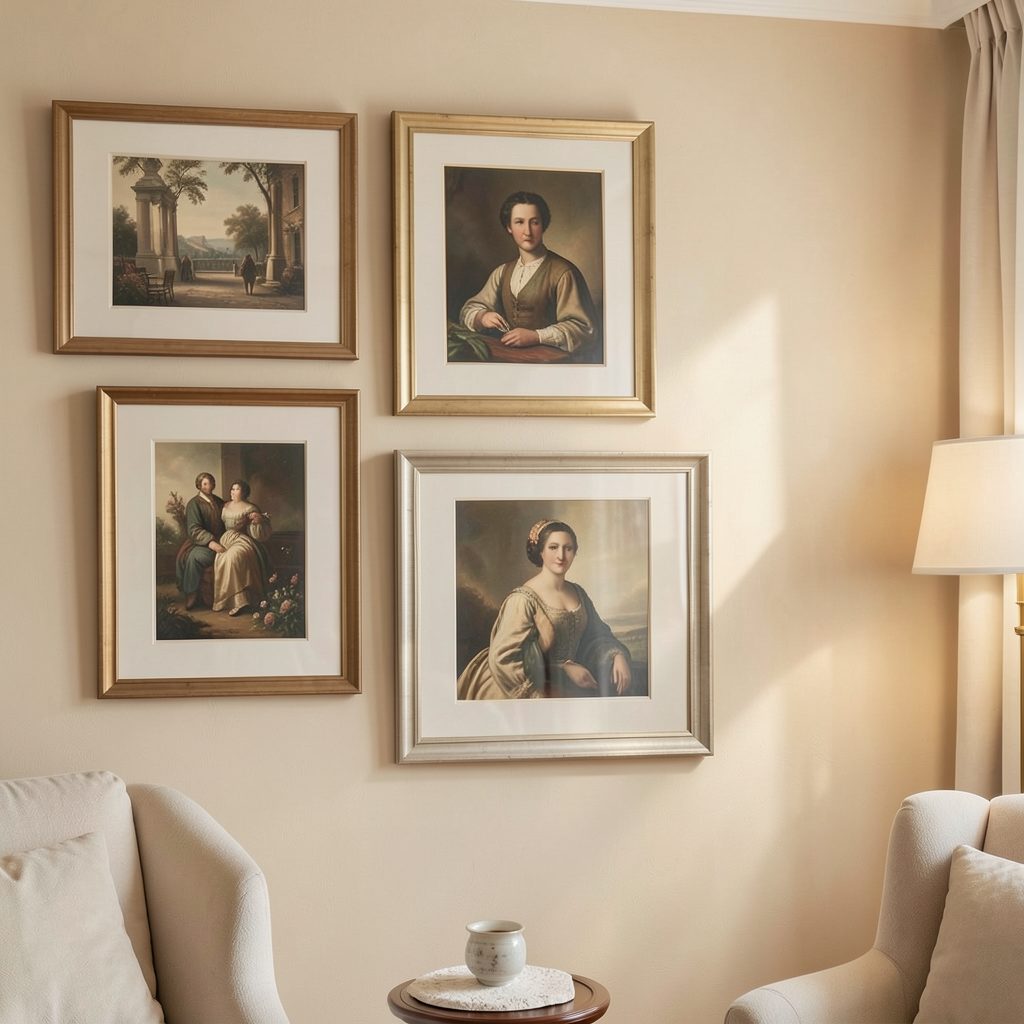
For a gallery-style arrangement, planning a layered display can help you combine the framed textile with photographs, drawings or small prints. Vary frame sizes and finish, then repeat one or two colours from the weaving to make the grouping feel deliberate.
Compare the main display options
The best format depends on the textile’s age, depth and condition. A valuable or fragile piece needs prioritising, while a bold modern weave can tolerate a more architectural approach.
| Display method | Best suited to | Protection | Main consideration | Finished look |
|---|---|---|---|---|
| Deep shadow-box frame | Thick tapestry, embroidery and appliqué | High with spacers and UV-filtering acrylic | Requires sufficient depth and moisture control | Crisp and architectural |
| Slim timber frame | Thin, flat woven panels | Moderate | Offers little room for uneven edges | Light and gallery-like |
| Stretcher bars | Sturdy modern weaves | Moderate | Excessive tension can distort the fibres | Soft and canvas-like |
| Fabric-covered panel | Fibre collages and textile fragments | High with specialist mounting | Requires skilled construction and may be less reversible | Polished and object-like |
For an heirloom, choose reversible conservation mounting and professional advice. For a contemporary work, a deeper frame or stretcher-bar treatment can make the textile feel bold without requiring formal museum conditions.
Install it and make it your own
Measure the finished frame, not just the fabric, and mark its centre on the wall before levelling the fixing. Use at least two secure points, adding a third for a wide or heavy piece. Check the wall for pipes and cables, allow the frame to sit flat and step back to assess the height from across the room.
Choose the mounting format before booking your framer, and subscribe to Focus LDN for practical guidance on gallery walls, frames and stylish home living delivered to your inbox.