How to frame and display children’s artwork beautifully
Learning how to frame and display children’s artwork like professional pieces is less about spending a fortune and more about making thoughtful choices. A simple drawing can become a striking focal point when its colours, scale and presentation are given the same care as a purchased print.
The aim is to preserve the character of the original work while giving it a polished place in your home. A bold preschool painting may suit a generous white mount, while a delicate pencil sketch could look best in a slim timber frame with plenty of breathing room.
Australian homes bring their own practical considerations. Strong sunlight, coastal humidity, compact hallways and rental restrictions can all affect where artwork is displayed. With suitable materials and a flexible layout, a family collection can feel stylish, personal and easy to update.
Start with the artwork
Before choosing a frame, assess the artwork’s size, medium and condition. Finger paint, crayon, watercolour, collage and texta each have different needs. Thick paint may require a deeper frame, while a collage should sit behind a mount or spacer so its surface does not touch the glazing.
Keep the original work flat and dry while you plan the display. If the paper has curled, place it beneath a clean sheet of paper with a light weight on top for a short period. Avoid ironing, taping the front or trimming irregular edges, as those details often carry the charm of a child’s work.
Choose archival materials
Acid-free backing board and archival mounting corners help reduce yellowing and brittleness over time. For treasured pieces, use a conservator-approved hinge rather than ordinary sticky tape. A professional framer can also advise on museum board and UV-filtering glazing when the artwork is especially meaningful.
Acrylic glazing is a practical option for children’s bedrooms, playrooms and busy passageways because it is lighter and less likely to shatter. Standard glass gives a crisp finish, but it can create glare near windows. In sunny Australian rooms, UV protection is particularly useful, especially for works hung in north-facing areas or homes with large sliding doors.
Match the frame to your interior
White and pale timber frames create a clean gallery look, while black frames give colourful drawings a sharper, contemporary edge. Natural oak, ash or Tasmanian timber can soften a minimalist room and work beautifully with linen, rattan and warm neutral walls. Aim for consistency without making every frame identical.
A useful approach is to repeat one feature across the collection, such as the frame colour, mount width or glazing finish. This creates cohesion when the artwork itself varies widely. For a more collected feel, combine two or three frame styles within a restrained palette rather than mixing every available finish.
Build a considered gallery wall
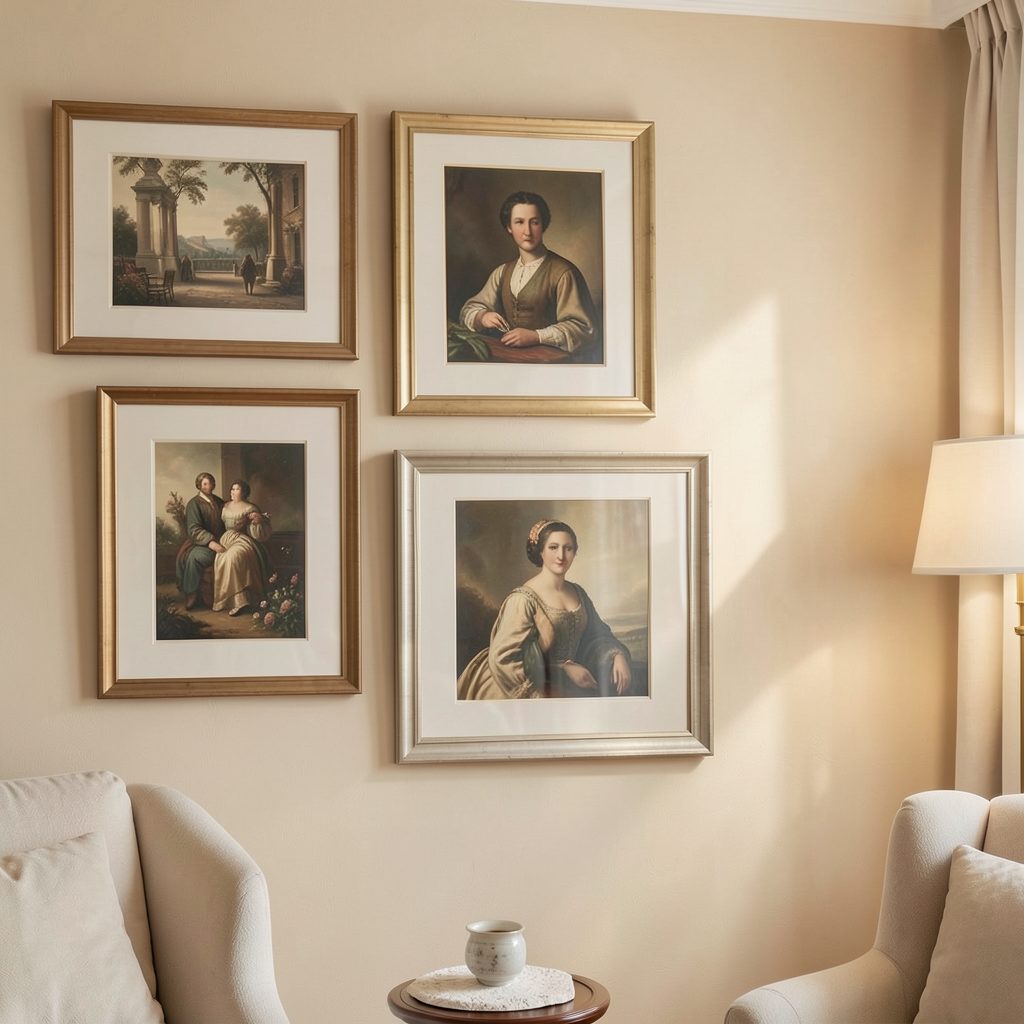
Lay the frames on the floor before making holes in the wall. Arrange the largest or most visually dominant piece first, then balance it with smaller works. Keep the gaps relatively even, usually around five to eight centimetres, and align the group by its outer edges or central axis.
For a detailed approach to spacing, scale and composition, use this gallery wall guide as a reference. A children’s display does not need to be perfectly symmetrical, but it should have a clear visual boundary. In a narrow Australian hallway, a vertical arrangement may work better than a wide cluster; above a low sideboard, a horizontal grouping usually feels more settled.
Make the display personal
Add small identifying details without overwhelming the artwork. A discreet label can include the child’s name, age and year, while a handwritten title can make the display feel like a miniature exhibition. Rotating seasonal pieces keeps the arrangement fresh and gives children a reason to take pride in the space.
Some families create a dedicated picture ledge, allowing framed works to be changed without new holes in the wall. Others use bulldog clips, magnetic rails or a slim corkboard for temporary pieces. In a rental in Melbourne, Brisbane or Perth, removable hanging strips may be useful, although always check the paint finish and weight limits before relying on them.
Protect the collection over time
Keep framed artwork away from direct heat, damp areas and intense afternoon sun. Bathrooms are usually unsuitable for paper pieces because steam can encourage cockling, mould and adhesive failure. Coastal homes in places such as Sydney, Wollongong or the Gold Coast may need extra care with ventilation and moisture control.
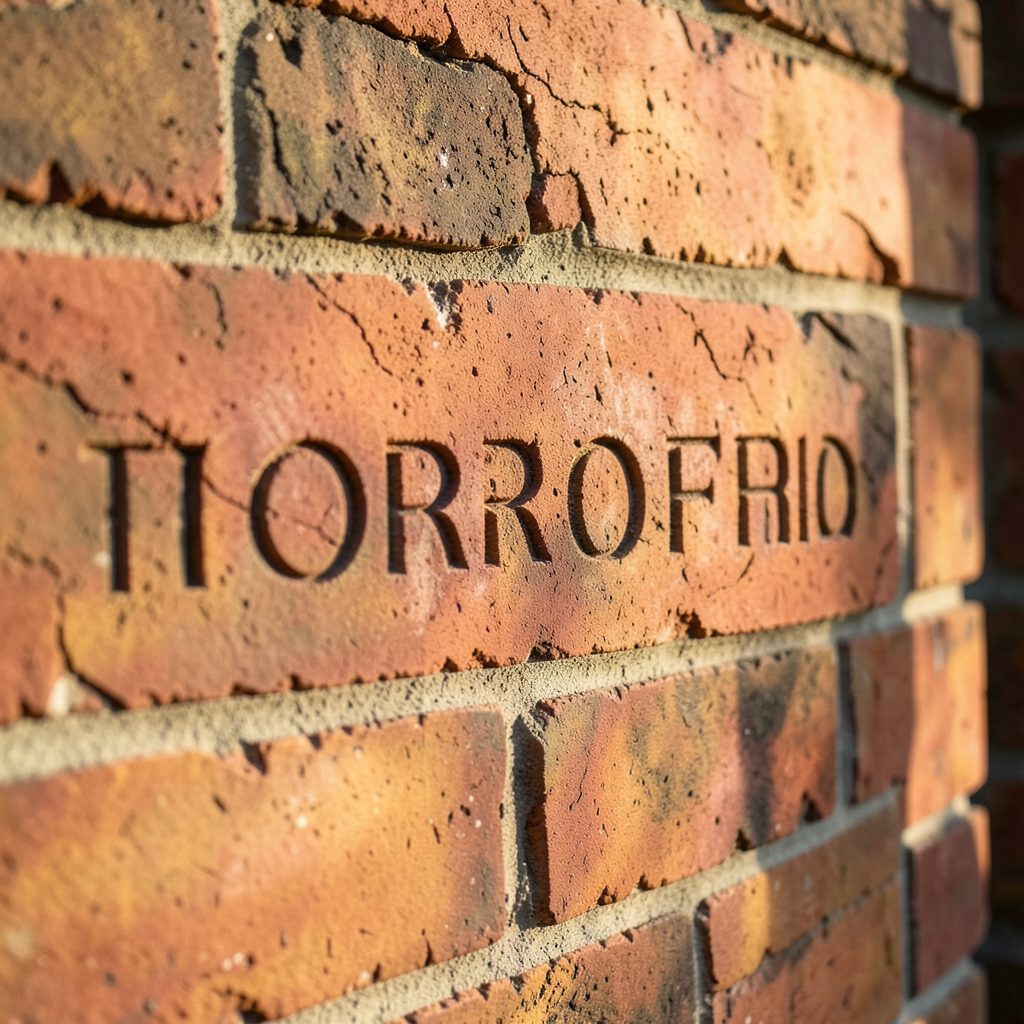
For a meaningful long-term display, keep a digital scan or photograph of every piece and store unframed originals in an acid-free portfolio. You can also create a small family archive with dates and stories attached. If your household enjoys commemorative design, ideas such as brick engraving can inspire a more permanent way to mark a milestone without putting every precious paper artwork on the wall.
| Display choice | Best for | Main benefit | Watch out for |
|---|---|---|---|
| White frame with wide mount | Watercolours, drawings and small paintings | Gives the work a polished gallery presence | Can show dust and marks |
| Natural timber frame | Warm, relaxed interiors | Adds texture and suits neutral rooms | Timber tones should be coordinated |
| Black frame | Bright, graphic or high-contrast artwork | Creates a crisp modern outline | May feel heavy in a small room |
| Picture ledge | Rotating collections | Easy to change without more wall holes | Needs secure fixing and careful positioning |
| Acrylic glazing | Bedrooms, playrooms and hallways | Lightweight and shatter-resistant | Scratches more easily than glass |
| UV-filtering glass | Valuable or irreplaceable pieces | Helps slow fading | Costs more and adds weight |
Choose one or two favourite works for premium framing, then use simpler solutions for rotating creations. This balance keeps the display affordable, especially when children produce a steady stream of new paintings at school, childcare or the weekend arvo craft table.
A well-framed children’s artwork display should feel joyful rather than overly precious. Select pieces with personality, give them room to breathe and let the arrangement evolve as your family does. Start with one special work, find its ideal frame and build the collection around it.