A no-hang gallery on your bedroom dresser
Learning how to display art on a bedroom dresser without hanging anything is easier than many people expect. A chest or dressing table can become a compact gallery by treating its top as a layered display zone rather than a catch-all shelf.
The best arrangements feel deliberate without becoming precious. They balance artwork with practical items, suit the bedroom’s colour palette and remain comfortable to live around. Measure the space, edit nearby accessories and choose a few complementary pieces before adding light or decorative supports.
Prepare the dresser before styling
Begin by clearing the surface completely. This reveals the dresser’s dimensions, existing marks and usable depth while helping you decide whether the arrangement should be symmetrical, layered or centred around one larger work. Photograph the cleared top from a few angles so you can restore useful objects without overcrowding it again.
Measure both the width and depth of the available area, then check the view from your doorway and from a seated position beside the bed. Leave a small gap between the frames and wall so air can circulate, and place a strip of non-slip shelf liner behind each piece to prevent sliding. Keep heavy artwork towards the back of the dresser, away from its front edge.
Build a layered composition
For a single statement piece, centre it against the wall and allow generous space on either side. This works particularly well above a plain dresser because the frame becomes the focal point rather than one element in a crowded arrangement. A mirror placed behind the artwork can add depth without requiring another piece of furniture.
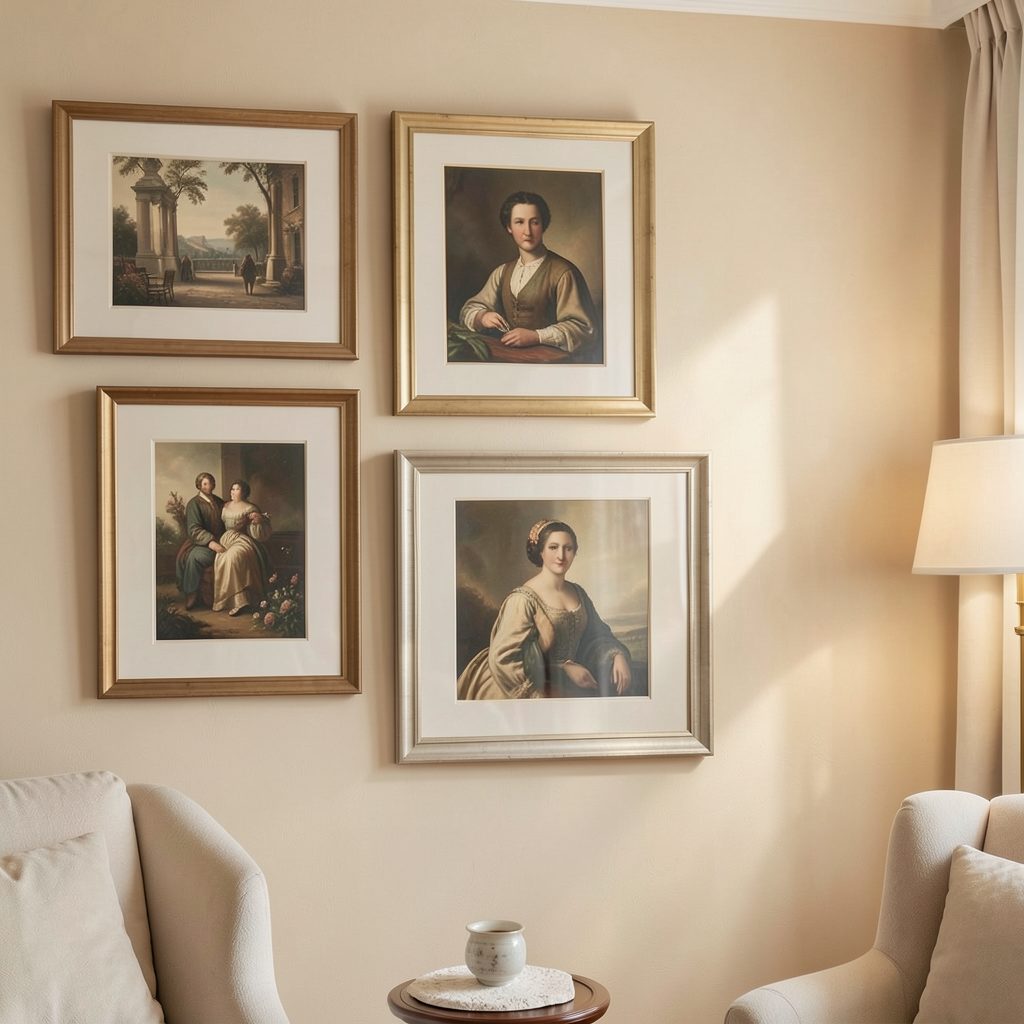
For a collection, arrange three to five works with the largest at the back. Offset the medium-sized pieces slightly, then place a smaller frame towards the front. Unequal heights and alternating directions create visual movement, while a little breathing room keeps the display from looking compressed.
Use books, wooden blocks or other sturdy risers to vary the height of each frame. Avoid excessive overlap; a narrow overlap of around 2–3 cm can look intentional, while covering too much of the artwork weakens the composition. Step back regularly and check whether the arrangement still feels balanced from across the room.
Choose frames that belong together
Matching frames create a crisp, unified look, especially when the artwork varies in size. Matting can make differently shaped pieces feel related, while thin black, natural timber or warm metal frames can complement a range of interior styles. Before buying, compare options in the Focus LDN frame guide and consider the dimensions of the dresser before committing.
Mixing frame styles can suit a relaxed bedroom or eclectic collection. Unite them with a repeated colour, mat board or shared material rather than trying to make every frame identical. Avoid placing delicate paper against damp walls, and leave space around the outer edges so each frame has room to stand securely without looking hemmed in.
Tie the arrangement into the room
Pull one or two colours from the artwork into the bedding, cushions or curtains. Repeating a muted green, warm ochre or charcoal detail elsewhere in the room makes the display feel connected without creating a rigid theme. The dresser should complement the art, not compete with it.
Texture provides another layer of coordination. For a coordinated base, explore the Focus LDN rug collection and look for a rug that shares a tone or material with the frames. A patterned rug beside solid artwork can add personality, while a simple rug allows the composition to remain the main event.
Use a practical display checklist
Once the composition feels right, run through two quick checks. The first focuses on visual balance:
- Give the largest artwork enough space to establish the arrangement.
- Keep the outer edges of the group clear of unrelated objects.
- Check the display from both the doorway and the opposite side of the bed.
The second check protects the furniture and keeps the bedroom usable:
- Reserve part of the dresser for keys, jewellery or a small tray.
- Route lamp cords behind the frames and away from walking areas.
- Use diffused lighting to reduce glare on glass and acrylic glazing.
- Dust the frames and remove anything that could scratch the dresser finish.
Lighting can make a simple arrangement feel finished. Place a small lamp beside or slightly behind the artwork, using warm, dimmable light to soften the frames without creating reflections. Battery-powered picture lights are useful in rental bedrooms where adding a new outlet would be inconvenient.
Account for Australian homes and conditions
Apartments in Sydney, Melbourne and Brisbane often have compact bedrooms, and many Australian renters prefer improvements that leave no permanent holes in the walls. A dresser display suits that practical approach because it can move with the furniture and change whenever the room is rearranged. Keep enough of the top clear to maintain its function as a dressing surface.
Sydney’s coastal humidity and salt air can affect paper, timber frames and painted surfaces. Stable, humidity-resistant glazing and sensible airflow offer better protection than pushing artwork tightly against a cool or damp wall. In Melbourne, position frames away from heating vents and strong afternoon sun; Brisbane homes also benefit from UV-filtering glazing or shades that reduce direct exposure.
Australian framing shops commonly stock A2 and A3 sizes, which makes it easier to find frames for standard prints without a custom order. Weekend markets such as Sydney’s Paddy’s Markets and Melbourne’s Rose Street Art Market are also useful places to discover locally made prints, smaller paintings and affordable paper works. Choosing locally sourced pieces adds character without requiring a large budget.
Make the display yours this weekend
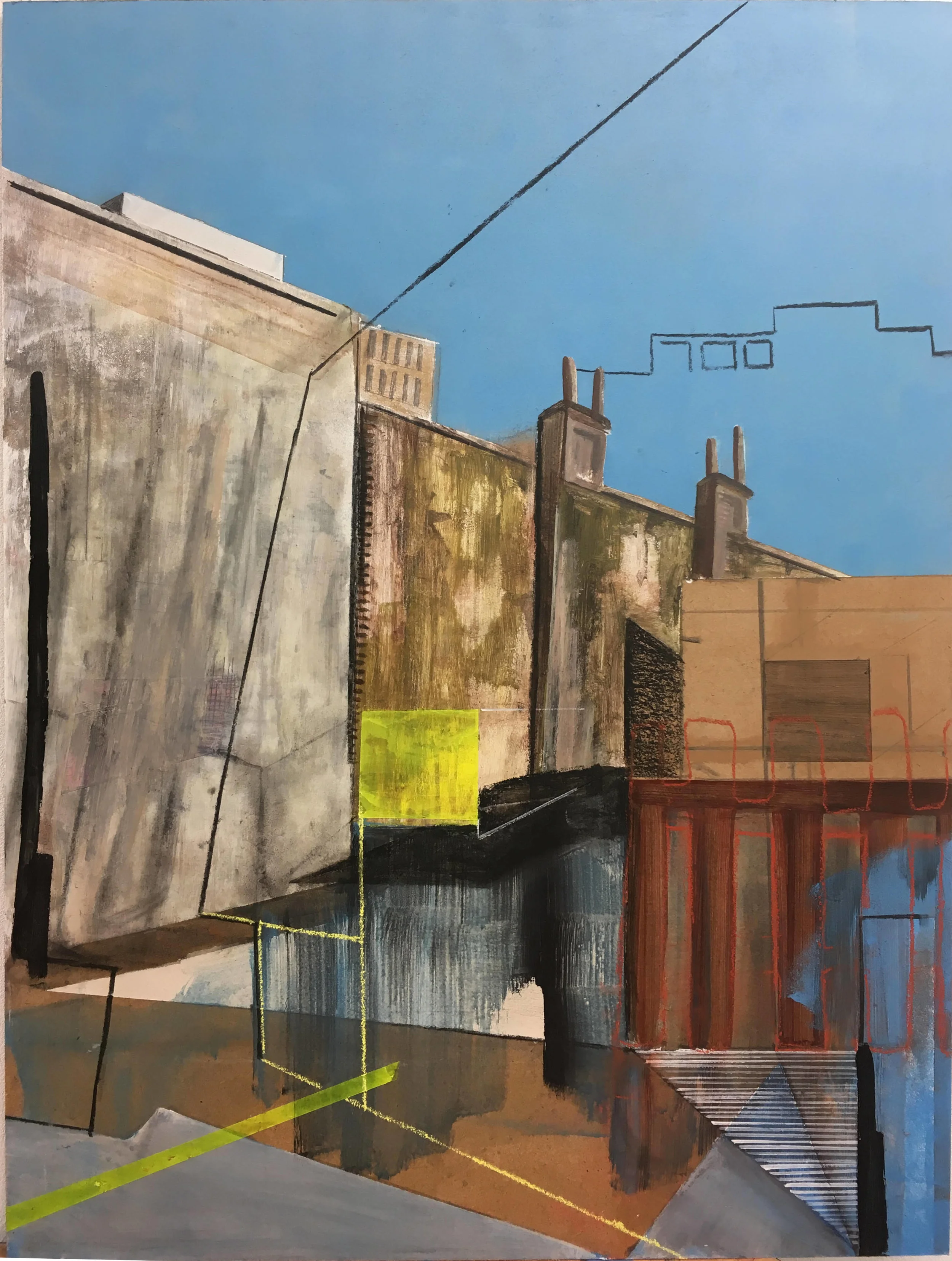
Your dresser gallery does not need to look like a formal museum arrangement. It can include a favourite print, a sentimental snapshot or a small abstract work, as long as the group has a clear centre and enough space around it. Remove visual distractions, refine the spacing and let the artwork establish the room’s focal point.
This weekend, clear the dresser, select three complementary pieces and arrange them using the largest at the back. Add one warm light source, conceal the cords and keep everyday items in a separate tray. Begin with the artwork you already own, then build the rest of the bedroom styling around it.