How To Display One Large Artwork In A Small Room
A single large artwork can give a compact room confidence, character and a clear focal point. The key is making it feel intentional rather than crowded. In a small Australian apartment, the right piece can replace several smaller decorations while keeping the room visually calm.
The most successful arrangements balance scale with breathing space. A painting, photograph or textile does not need to fill every spare centimetre to make an impact. Its colours, frame and position should work with the architecture, furniture and natural light already in the room.
This approach suits the pared-back look found in many Melbourne apartments, Sydney units and renovated Queenslanders. It is especially useful when floor space is limited, walls are shared with storage, or strata rules make major alterations impractical.
Before reaching for a hammer, study the wall from different angles throughout the day. Consider how the artwork will look from the entry, the sofa and the kitchen, then plan the surrounding room so the piece feels like part of the home rather than an object placed on top of it.
Choose Impact Without Visual Weight
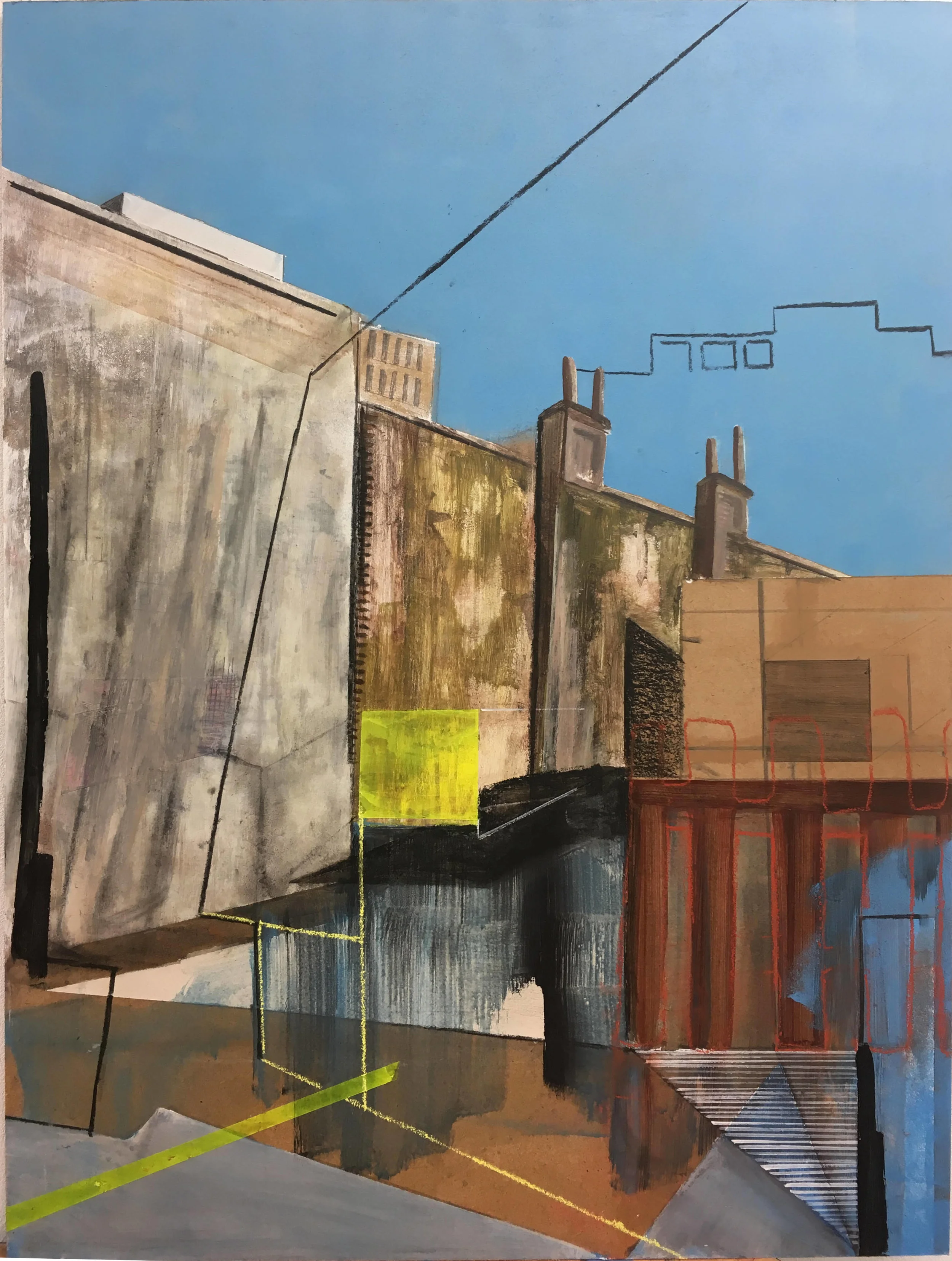
A large artwork does not have to be loud. Pieces with an open composition, soft tonal shifts or generous areas of negative space often suit small rooms better than highly detailed works. A pale abstract, a restrained landscape or a monochrome photograph can occupy a broad wall without making the room feel full.
Look for a work that is substantial enough to anchor the furniture beneath it. Above a two-seater sofa, the artwork can be roughly two-thirds to three-quarters of the sofa’s width. Above a compact bedhead or console, leave enough wall visible at either side to maintain a border of calm.
The subject matter also affects perceived size. A busy city scene or high-contrast geometric print pulls the eye across the entire wall, while a quiet coastal image may recede slightly. This is useful in homes where the wall sits close to a hallway, dining table or balcony door.
Give The Artwork Room To Breathe
Breathing space is one of the simplest ways to stop a large piece overpowering a small room. Keep nearby walls, shelves and side tables relatively edited. If the artwork is above a sofa, allow a clear gap between its lower edge and the back cushions, usually around 15 to 25 centimetres depending on the furniture.
Avoid placing tall objects directly beside the artwork unless they are deliberately balanced. A single floor lamp, slim plant or low cabinet can support the composition, but several competing vertical lines will make the wall feel cramped. In a narrow rental, this restraint can make the room appear wider.
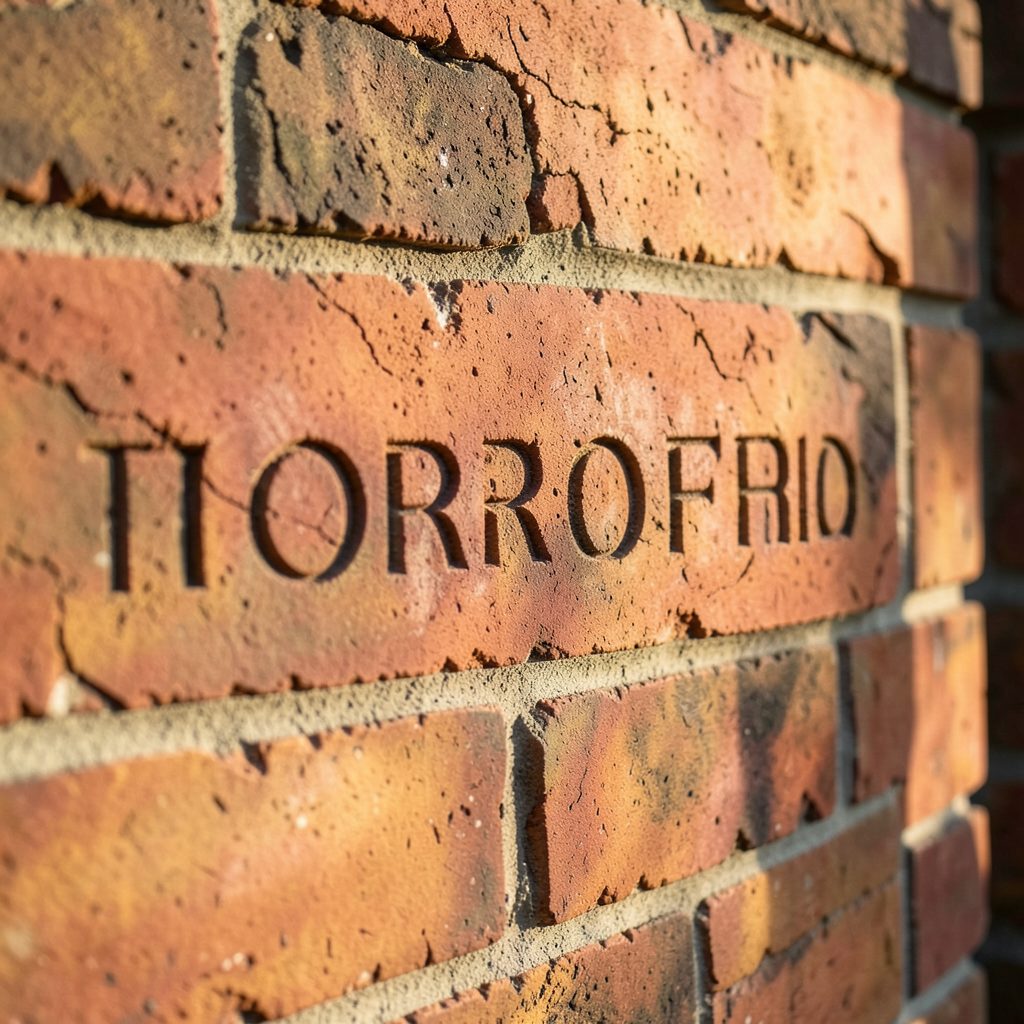
If you are working with a textured or architectural wall, treat its surface as part of the display. The visual language of brick engraving details can inspire a considered relationship between artwork, lettering and masonry, particularly in converted warehouses or exposed-brick Melbourne interiors.
Use The Frame As A Quiet Boundary
The frame should connect the artwork to the room without becoming a second focal point. A slim black frame gives definition to soft or pale work, while natural timber can warm a cool palette and echo oak flooring, cane furniture or a timber dining table. White frames are effective when you want the artwork to blend into a light wall.
In a small room, avoid choosing a heavy ornate frame simply because the artwork is large. A thick profile adds considerable visual mass and can make a narrow wall feel boxed in. If the artwork is already dramatic, a simple frame will usually give it greater presence.
Useful frame and colour choices include:
- A warm timber frame for beige, cream or terracotta interiors
- A narrow black profile for graphic, monochrome or modern work
- A soft white frame for tonal art on pale walls
- A deep frame colour repeated in one cushion or vase
Matting can also help. A broad mount creates a visual pause between the image and the frame, which is particularly valuable when the artwork has strong colour. For a very large canvas, however, a clean edge may feel more contemporary and less formal.
Plan The Light And Hanging Height
Australian sunlight deserves careful attention. A north-facing room can receive strong light for much of the day, while western sun may create sharp glare and heat in the afternoon. Keep valuable works away from direct rays where possible, and use sheer curtains or UV-filtering window treatments in bright Sydney or Brisbane apartments.
Artificial lighting should reveal the artwork rather than wash out the entire room. A directional picture light or adjustable ceiling fitting can create a gentle pool of light after dark. Avoid placing a bright downlight directly above glossy glass, as reflections will obscure the image from the sofa.
For a balanced display, use these practical checks:
- Hang the centre of the artwork around eye level
- Keep the lower edge 15 to 25 centimetres above nearby furniture
- Check sightlines from seated and standing positions
- Use two fixing points for wide or heavy frames
Always check the wall construction before drilling. Plasterboard, brick and concrete require different fixings, and Australian rentals may call for removable hanging systems or a picture rail. In a strata building, confirm whether drilling into shared or unusual wall structures needs approval.
Build A Simple Room Around It
Once the artwork is positioned, resist the urge to decorate every remaining surface. Repeat one or two colours from the piece through a cushion, ceramic object, throw or small rug. This creates cohesion without turning the room into a themed display.
Furniture should support the artwork’s proportions. A low sideboard, streamlined sofa or simple bedhead tends to let a large piece remain dominant while keeping the overall profile low. In a compact Queenslander bedroom, for example, a quiet landscape above the bed can soften timber floors and high ceilings without competing with period details.
Think of the wall as a considered gallery moment rather than the beginning of a collection. If you later want to add smaller works, wait until you have lived with the main piece for a while. A single artwork can be enough, especially when it has a strong relationship with the room’s light and materials.
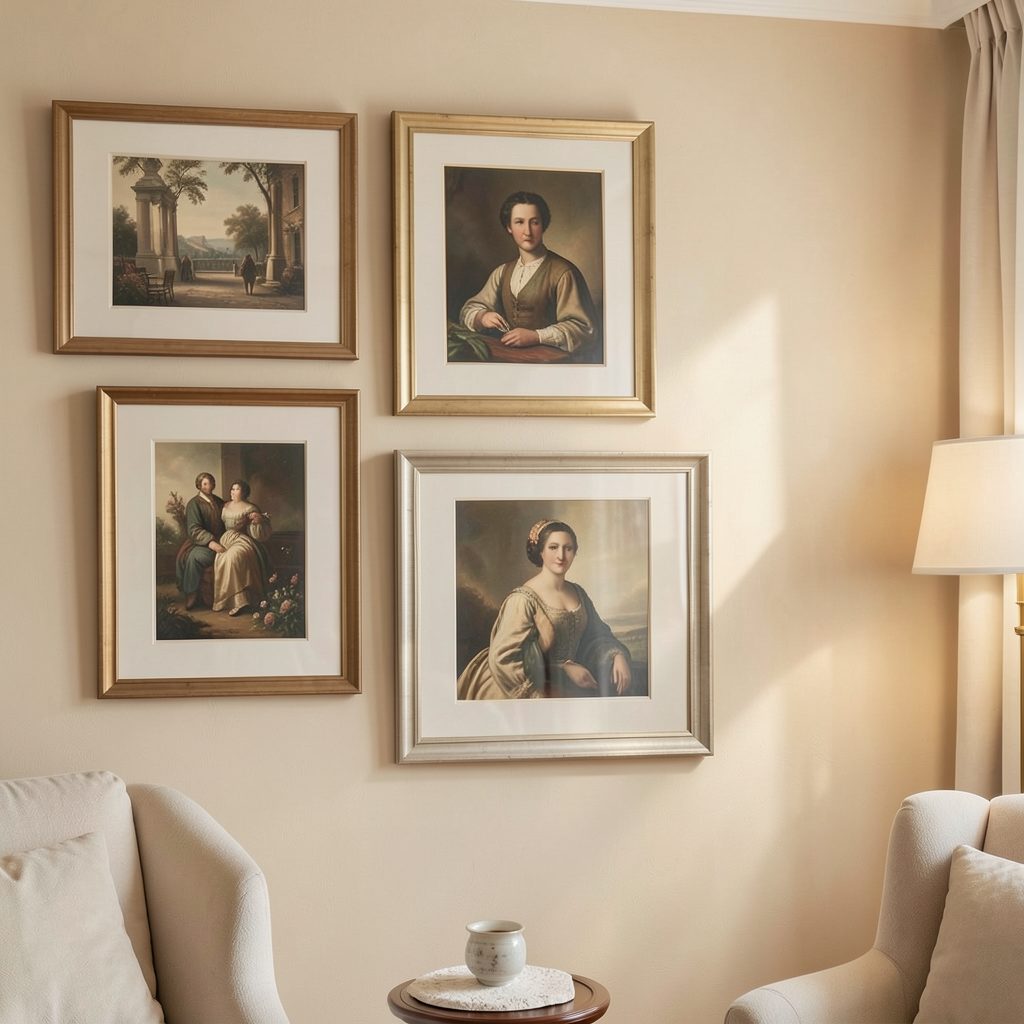
For ideas about arranging art with intention, this gallery wall guide can also help you understand spacing, alignment and visual rhythm, even if you ultimately choose to keep just one work on display.
Take a photograph of the wall before buying hardware, measure the artwork against the furniture and test its position with paper cut to the same size. Then hang it securely, edit the nearby décor and give the piece space to settle into the room. A well-chosen work can transform a small Australian home with one confident, carefully judged gesture.