How to Create a Gallery Wall Over a Radiator Safely
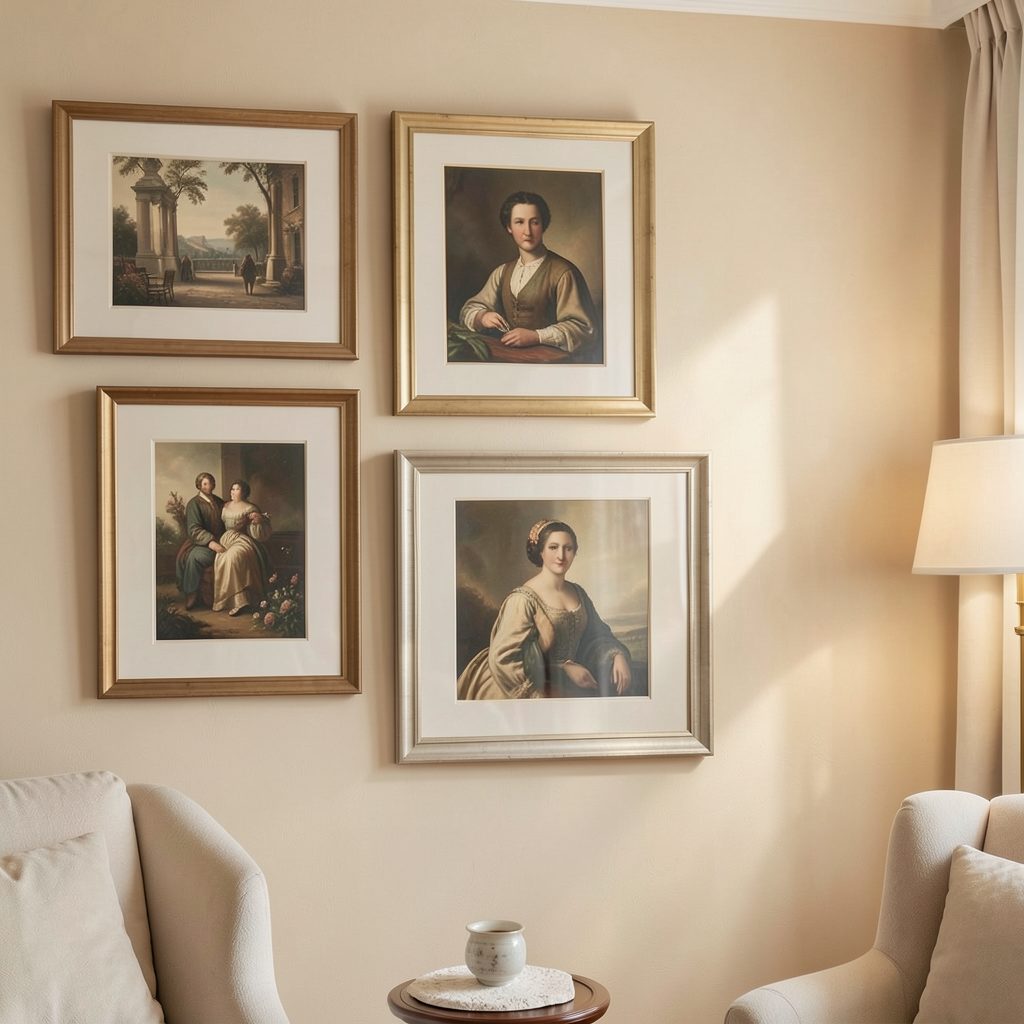
A gallery wall can bring focus and personality to an otherwise overlooked section of a room, including the space above a radiator. The position works especially well in bedrooms, hallways, living rooms, and dining areas where a collection of framed prints can create a strong visual anchor.
Heat, however, changes the rules. Regular exposure to warm, dry air may cause paper to become brittle, fade pigments, loosen canvas, or make wooden frames warp over time. A successful arrangement needs to balance proportion and style with airflow, safe mounting, and suitable artwork.
The goal is a display that feels intentional without trapping heat or placing valuable pieces in a harsh environment. With careful planning, you can create a layered composition that remains attractive and protects the art.
Assess the heat and wall space
Start by observing how warm the wall becomes when the radiator has been running for several hours. A radiator beneath a window may distribute heat differently from a slim vertical model or a heated towel rail. The wall surface, artwork, and frame should never become noticeably hot to the touch.
Measure the radiator’s width, height, and depth, then mark its boundaries on the wall with removable painter’s tape. This gives you a clear working area and helps prevent the lowest frames from sitting directly in the strongest stream of rising heat. Leave enough space for the thermostat, valves, and radiator cover to function normally.
Avoid placing frames so close together that they form a solid barrier above the heater. Warm air needs to rise and circulate around the room. If the gallery wall blocks that movement, the room may heat less efficiently and the artwork may receive unnecessary thermal stress.
Choose art and frames that tolerate the position
For a radiator-adjacent display, choose robust and replaceable pieces rather than irreplaceable originals, antique textiles, or works with delicate surfaces. Reproductions, photographic prints, posters, and commercially produced artwork are practical choices when the area experiences seasonal heating.
Paper should be protected behind glazing, preferably with a mat that keeps the artwork from touching the glass. UV-filtering acrylic or glass can reduce fading from nearby daylight, although it does not eliminate the effects of heat. Avoid unsealed charcoal, pastel, or mixed-media pieces unless they are professionally framed.
Frame construction matters as well. Metal frames are less likely to react to changes in humidity than untreated wood, while sealed wood can work well if it is properly joined and finished. Select slim profiles for a minimalist gallery wall, or combine two or three frame finishes for a more collected look.
Plan the composition before drilling
Use paper templates cut to the size of each frame and attach them to the wall with low-tack tape. Move the shapes around until the arrangement feels balanced from the main viewing position. A central anchor piece can sit above the radiator, with smaller works stepping outward to create a gentle visual spread.
Keep the bottom edge of the composition comfortably above the radiator. The exact distance depends on the heater, frame depth, and manufacturer guidance, but a generous gap is safer than a tightly packed arrangement. Account for the frame’s hardware and hanging wire, which may position the artwork lower than expected.
A useful layout usually has a consistent outer boundary and controlled spacing between pieces. Two to four inches between frames often looks cohesive, though smaller gaps can suit a compact wall. If the radiator is wide, let the artwork echo its horizontal shape rather than creating a narrow vertical cluster that appears disconnected.
| Display choice | Benefits | Points to watch |
|---|---|---|
| Metal frames | Stable and easy to clean | Can conduct heat quickly |
| Sealed wooden frames | Warm, traditional appearance | May expand or warp with temperature changes |
| Acrylic glazing | Lightweight and less prone to shattering | Can scratch and attract static |
| Glass glazing | Clear finish and easy cleaning | Heavier and potentially unsafe if poorly secured |
| Paper prints with mats | Affordable and visually flexible | Need protection from heat, moisture, and fading |
| Canvas without glazing | Textural and contemporary | More exposed to dust and dry heat |
Mount the gallery wall securely
Use fixings suited to the wall rather than relying on generic nails. Masonry, plasterboard, and older lath-and-plaster walls require different anchors, and heavier frames should be supported by two fixing points whenever possible. A level, tape measure, drill, and stud finder will help create a stable installation.
Do not use adhesive hanging strips directly above a radiator. Repeated warming and cooling can weaken the adhesive, causing frames to fall and potentially damage both the artwork and the wall. Picture rails or a properly installed hanging system can be useful if you frequently rearrange the display.
Choose low-profile hardware that keeps frames close to the wall without pressing them against the surface. If the arrangement includes deep shadow boxes, allow additional clearance so warm air can pass behind and around them. After mounting, gently check each frame for movement and confirm that no corner overlaps the radiator controls.
Protect the artwork from moisture and dust
Radiators can dry the air during winter, while nearby windows, kitchens, and bathrooms may introduce fluctuations in humidity. Avoid placing moisture-sensitive art in this location, especially if condensation forms on the window above. A dehumidifier or improved ventilation may help stabilize the wider room, but it should not blow directly toward the frames.
Dust can collect on the top edges of frames and circulate through the rising warm air. Clean the display with a soft, dry microfiber cloth, and inspect the glazing several times each season. Never spray cleaner onto the frame or glass; apply a suitable cleaner to the cloth instead.
The same attention to materials can improve other small spaces. For example, these budget bathroom updates show how finishes, lighting, and carefully chosen details can change a room without overwhelming it. Apply that restrained approach here by keeping the wall visually rich but physically uncluttered.
Style the arrangement with ventilation in mind
A gallery wall does not need to consist entirely of flat framed artwork. One shallow textile, a small mirror, or a slim floating object can break up the rhythm, provided it is safely mounted and kept away from direct heat. Avoid candles, dried foliage, and flammable decorations above an active radiator.
Small sculptures can add depth, but they should sit on a secure shelf or plinth rather than balance on the radiator itself. Explore these small sculpture ideas for ways to introduce three-dimensional interest while preserving a clean gallery-style composition.
For a calmer look, repeat one frame colour and vary the artwork sizes. For a more eclectic wall, mix portrait and landscape pieces while keeping their visual weight balanced. Neutral mats, limited accent colours, and generous negative space will prevent the heating area from appearing crowded.
Check the display through every season
Once the gallery wall is installed, monitor it during both heating and warmer months. Look for changes such as bowed paper, loose corners, warped frames, fogging beneath glazing, or artwork that feels unusually warm. These signs indicate that the display needs more distance, improved ventilation, or different materials.
Recheck the fixings after the first few weeks and again when the heating season begins. Dust the radiator and the frame tops at the same time, and make sure curtains or furniture are not redirecting hot air toward the artwork.
A thoughtful display can make an ordinary radiator wall feel considered and personal. Browse the beginner gallery guide for further help with selecting artwork, arranging frames, and developing a cohesive visual language, then install your collection with enough space for both the room and the art to breathe.