Build a Memorable Entryway Gallery Wall for Less
A narrow entrance often has to handle keys, mail, school bags and parcels without looking chaotic. Creating a memorable entryway gallery wall on a tight budget is less about expensive art than deliberate scale, spacing and a few repeated colours. It should catch the eye on arrival, then disappear into the home’s everyday rhythm.
Start by measuring the wall and noting doors, hooks, skirting boards and nearby furniture. Australian terraces and compact Sydney or Melbourne apartments often leave only a slim vertical strip to work with, while Brisbane homes may offer a broader breezeway wall. A small, tightly edited arrangement usually looks more confident than a crowded collection.
Plan the wall before you buy
Photograph the empty wall from the doorway and tape a paper template of your proposed layout to it. Test the footprint at eye level, allowing space for a console, bench or shoe rack. This matters in Australia because the front entrance frequently doubles as the family drop zone, so artwork should not compete with bags or keys.
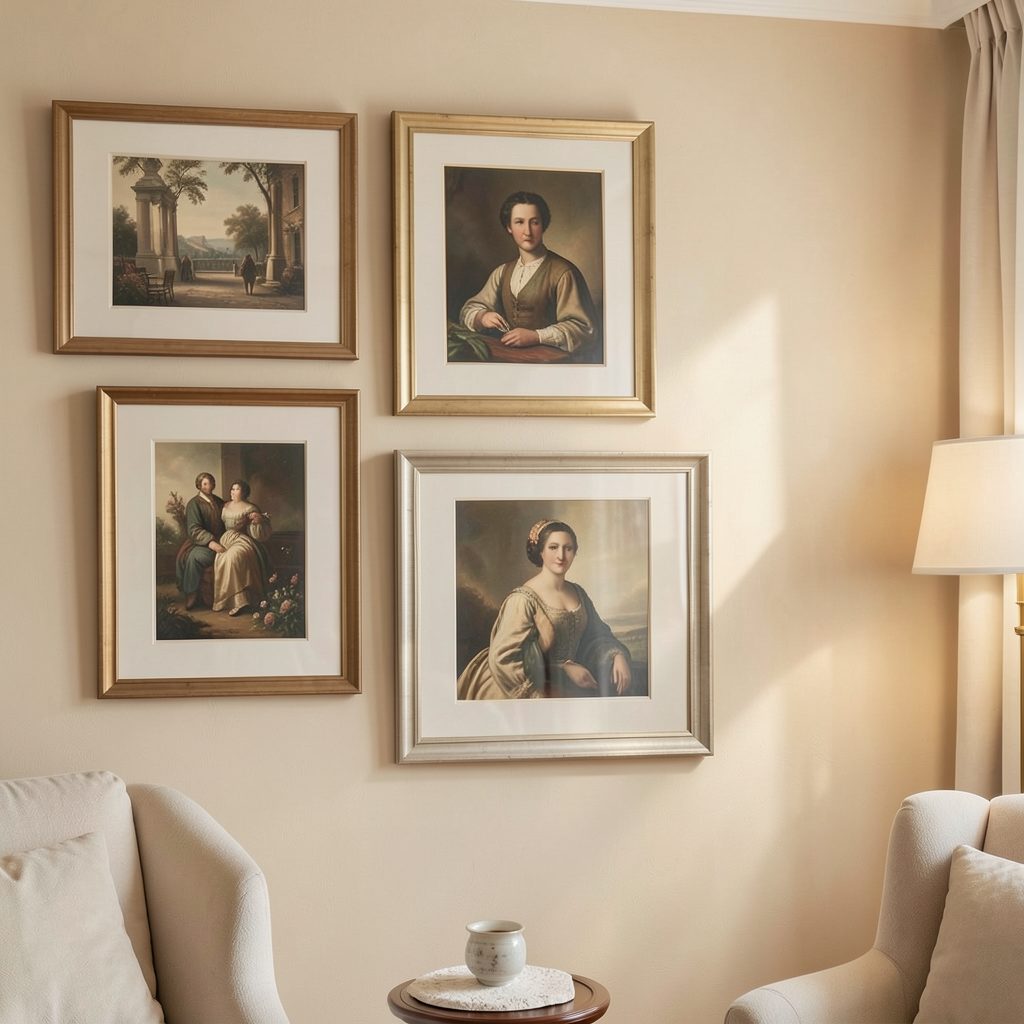
Choose one clear structure: a grid for calm order, a salon-style cluster for personality, or a loose vertical arrangement for a narrow passage. If you are deciding between styles, this guide to curate a balanced wall explains how to balance scale and rhythm. Place the largest piece slightly off-centre rather than making every item equal.
Set a firm spending limit and divide it between art, frames and fixings. A $40–$70 anchor print, several smaller works, reused frames and removable hanging hardware can create a layered display for roughly $150–$250. The exact total matters less than resisting extra pieces that weaken the composition.
Find artwork without museum prices
Start with Australian maker markets and artist stalls, then ask for smaller, unframed editions. Melbourne’s Rose Street Artists’ Market, Sydney’s Paddy’s Markets and Brisbane’s Jan Powers markets can expose you to original work and affordable print ranges, with prices easier to negotiate than framed gallery pieces. Compare the artist’s unframed price with framing quotes from local shops before deciding.
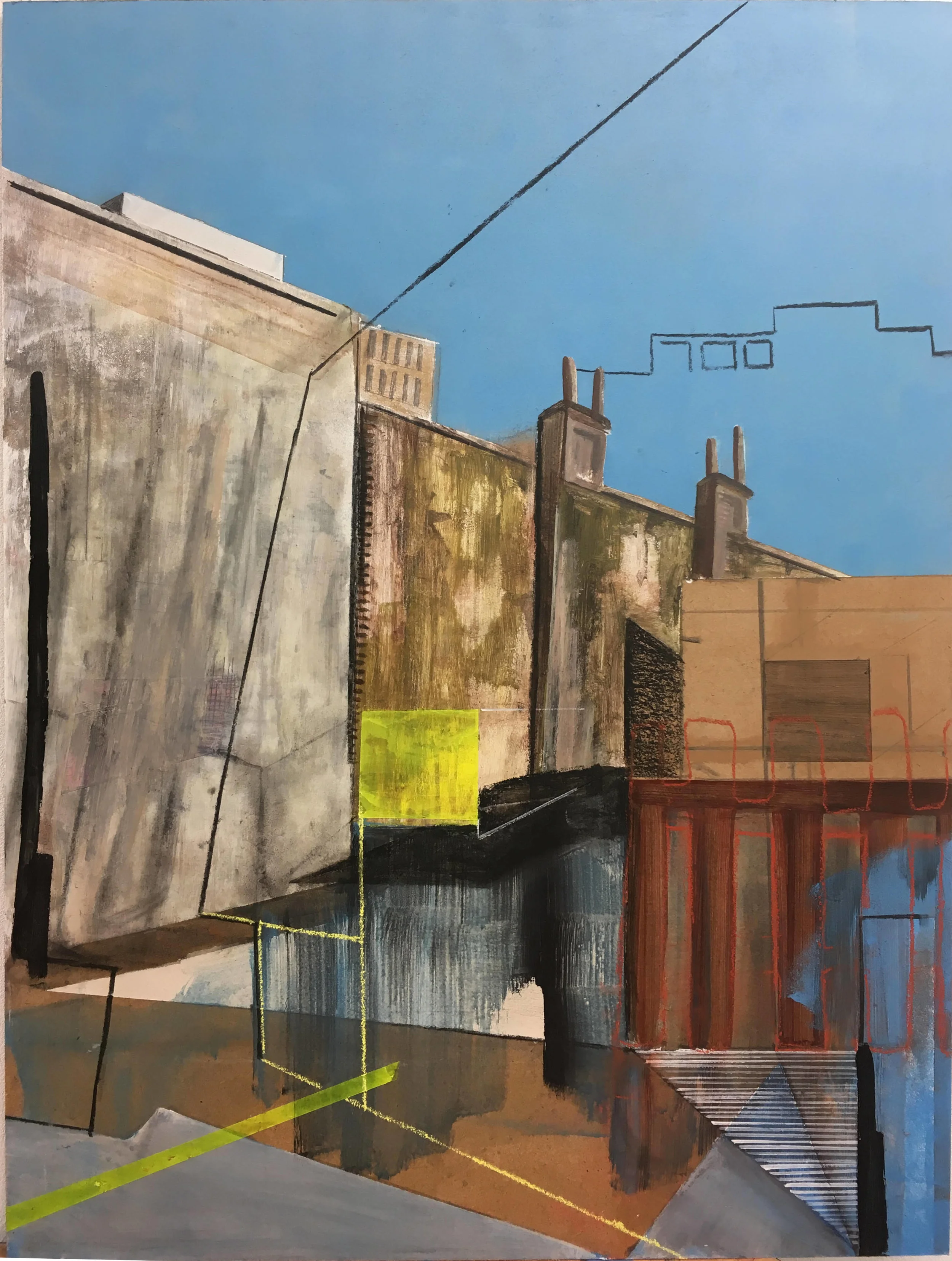
Op shops, charity shops and local resale platforms are useful for older prints, botanical studies and empty frames already sized for common pictures. For a personal focal point, use a photograph you have taken yourself, or commission a simple graphic rather than buying a mass-produced image. Check Australian copyright rules before reproducing other people’s work.
The Australian Consumer Law provides statutory guarantees for goods sold by Australian businesses, including guarantees of acceptable quality. Keep the receipt, check the frame for scratches and glass cracks, and raise problems promptly. Buying from an Australian artist or established dealer gives you clearer recourse than an unverified overseas marketplace.
Build one coherent frame story
Repeat colour and shape before spending on matching frames. Pull two or three tones from the artwork, then repeat them in the mouldings or mount boards; one dark frame and one timber frame can look deliberate even when their styles differ. Better still, paint inexpensive thrifted frames in the same satin finish.
Australian A3 and A4 paper sizes make it practical to hunt for standard frames, but old frames may hold smaller European or US formats. Measure the visible opening, not just the outside, and check the rebate depth for a mat. Buying frames slightly too large can work with a custom mount, while a frame that is too small cannot.
For a tactile layer, experiment with introducing texture through woven matting, timber offcuts behind small prints, or a strip of linen behind a minimalist photograph. Texture should support the palette rather than become another focal point. Test each material beside the artwork in daylight because gloss, paper and metal can look different under changing light.
Hang the arrangement with care
Mark the centre point and use a level to transfer the paper template onto the wall. Keep roughly 5–8 cm between frames for a clean rhythm, and view the arrangement from the doorway rather than standing directly in front of it. If there is no furniture below, placing the visual centre around 150–160 cm from the floor often feels natural.
Renters need to check both the lease and building rules before making holes. NSW residential tenancy rules generally require landlord consent for alterations and permanent attachments, while strata committees may also limit drilling or adhesive products. Use removable, weight-rated hooks for light pieces only; for glass or substantial frames, ask permission and use fixings appropriate for studs or masonry.
Choose lighting that flatters the wall without adding a new electrical project. A warm 2700–3000K picture light or battery-powered LED spotlight creates a welcoming glow, while keeping pieces out of direct Australian sun helps reduce fading. In humid coastal homes, leave paper away from splash zones and ensure frames are not pressed against damp walls.
Spend wisely on art and hardware
Split the budget into artwork and finishing kit, then buy the anchor piece first. Add smaller items around it so you can judge scale before committing to more frames.
Artwork choices
- One larger print or personal photograph
- Three small works in related colours
- Two inexpensive botanical or abstract prints
- A thrifted frame for the focal piece
Finishing kit
- Removable hooks rated above each load
- A level, pencil and masking tape
- Two matching mount boards or offcuts
- One warm, low-glare light
Use unframed art to reserve the largest share of the budget, then add frames and fixings only after the paper template fits. Shop sales and end-of-line ranges at Australian frame suppliers can lower costs further, but always check the return policy before cutting a mount.
Make the entrance feel welcoming
A strong display needs only a few coordinated decisions: one dominant piece, a limited palette, mixed scale and even spacing. Personal items can make the arrangement memorable, but keeping the wall edited lets the entrance remain functional as keys, shoes and daily deliveries accumulate.
Choose your anchor work this week, measure the wall before buying anything else, and set the total budget in your notes. Subscribe to Focus LDN for practical guidance on gallery walls, apartment decorating and stylish home living, then bring your pieces together and enjoy the welcome your new arrangement creates each time you step inside.