How to Curate a Themed Gallery Wall in Three Easy Steps
A themed gallery wall can give a room the character of a carefully edited exhibition without making it feel formal or overworked. The secret is to connect the artwork through a shared idea, palette, subject, or atmosphere while allowing each piece enough space to remain distinctive.
This approach works in almost any setting, from a narrow hallway to a calm bedroom or a compact living room. With a clear theme and a simple arrangement plan, you can create a display that feels personal, balanced, and easy to update.
The process can be reduced to three stages: define the story, gather complementary artwork, and install the collection with intention. The details below will help you move from an empty wall to a polished home gallery.
Choose A Theme And Mood
Begin with a broad idea rather than a rigid rule. A coastal collection might include shells, blue-toned abstracts, seascapes, and photographs of architectural details. A botanical gallery could combine pressed leaves, plant studies, floral paintings, and line drawings. The theme should give your collection direction without making every piece look identical.
Mood is just as important as subject. Decide whether the wall should feel serene, energetic, nostalgic, sophisticated, or playful. Soft neutrals and faded greens create a quieter impression, while saturated reds, graphic black-and-white prints, or bright primary colours bring more visual energy.
Look at the room before choosing artwork. Existing upholstery, rugs, lamps, and decorative objects can suggest a useful colour family. Pulling one or two shades from the space into the artwork creates continuity, while a contrasting accent can give the display a stronger focal point.
Build A Balanced Art Mix
A successful themed display needs variation. Combine different formats, such as photography, illustrations, paintings, typography, textile art, or small three-dimensional objects. A collection made entirely of identical prints can appear flat, even when the subject is appealing.
Vary scale as well. Choose one larger anchor piece, then support it with medium and small works. The biggest artwork does not have to sit in the centre; placing it slightly off-centre often produces a more natural composition. Repeated colours, shapes, or motifs will connect the pieces across the arrangement.
Before buying anything, lay your selections on the floor. Move them around until the group feels cohesive from a distance. Remove anything that seems to belong to a different story, even if you love it individually. Curating involves editing as much as collecting.
Select Frames And Plan The Layout
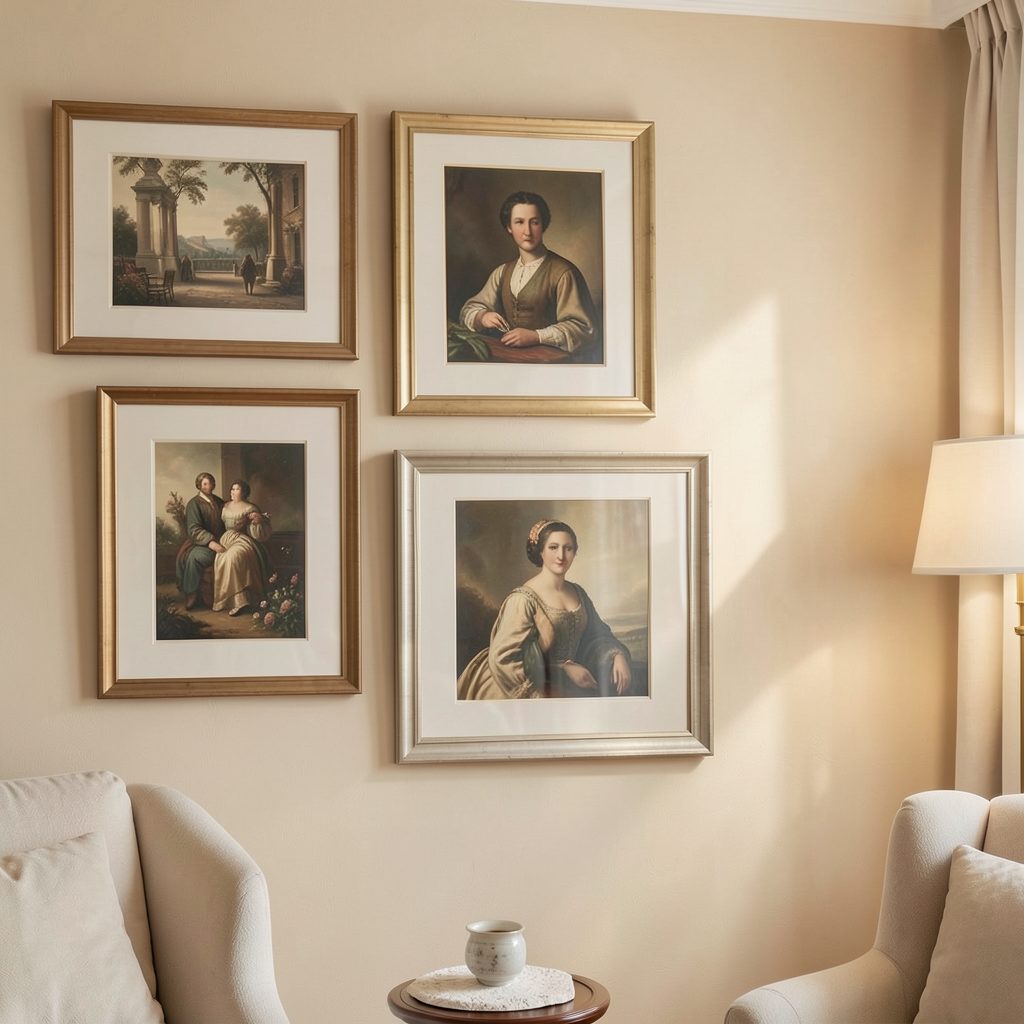
Frames are part of the design language. Matching frames create a clean, minimalist gallery wall, while a mix of wood, metal, painted finishes, and ornate details can give a collected interior a more relaxed feel. For a refined result, repeat at least one frame material or finish throughout the arrangement.
Mat boards can provide breathing room around smaller prints and make an assortment of sizes feel more unified. White mats keep the display crisp, while warm ivory, pale grey, or muted colours can make the composition softer and more layered.
Measure the wall and use paper templates to test your layout before making holes. Keep the gap between frames consistent, usually between five and ten centimetres. A common centre line around eye level helps the collection feel grounded, particularly when the wall is above a sofa, console, or bed.
Arrange The Collection With Confidence
There are several reliable layouts for a themed art display. A structured grid works well with similarly sized frames and gives a room a calm architectural quality. An organic salon arrangement is more flexible and suits mixed artwork, while a vertical column can make a low-ceilinged space appear taller.
Use the largest work as an anchor, then build outward with smaller pieces. Keep visual weight in balance: a dark or detailed print may need a lighter piece nearby, while a large pale artwork may need stronger colour or texture beside it.
| Layout style | Best for | Key spacing advice | Overall effect |
|---|---|---|---|
| Structured grid | Matching frames and equal sizes | Keep horizontal and vertical gaps identical | Calm and orderly |
| Organic cluster | Mixed artwork and frame styles | Maintain a consistent outer boundary | Collected and creative |
| Vertical column | Narrow walls and entryways | Align edges carefully | Tall and elegant |
| Linear shelf display | Flexible, changeable collections | Overlap frames slightly for depth | Relaxed and layered |
Step back regularly as you work. A composition that looks balanced close up may feel too heavy from across the room. Photographing the arrangement can also reveal awkward gaps or an overly dominant corner.
Connect The Wall To The Room
The artwork should feel related to its surroundings, but it does not need to match every object. Echo a tone from the gallery wall in a cushion, vase, lampshade, or throw. This small repetition makes the display feel integrated rather than attached as an afterthought.
Consider the wall’s practical setting. In a bedroom, softer imagery and generous spacing can support a restful atmosphere. In a hallway, a narrower arrangement with stronger contrast can create an inviting visual moment. Small rooms benefit from pale frames, reflective glass, and artwork with open compositions. These small bathroom ideas can also help when adapting a compact display for a bathroom, where scale and moisture-resistant materials require extra care.
Lighting will affect the final result. Avoid placing delicate works in direct sunlight, and use adjustable picture lights or directional ceiling spots when possible. Warm lighting enhances earthy colours, while neutral bulbs preserve the appearance of bright whites and cooler tones.
Refine The Display Over Time
A gallery wall does not have to be completed in one shopping trip. Starting with a few meaningful pieces often creates a more authentic result than filling every space immediately. Leave room for future discoveries, travel photographs, small artworks from emerging artists, or handmade pieces with personal significance.
Use these practical checks before finalising the arrangement:
- Keep the central visual area close to eye level.
- Repeat at least one colour, material, or subject across the collection.
- Leave enough negative space for each artwork to be appreciated.
- Check the wall from doorways and seating areas, not just straight on.
- Use secure fixings suited to the wall type and frame weight.
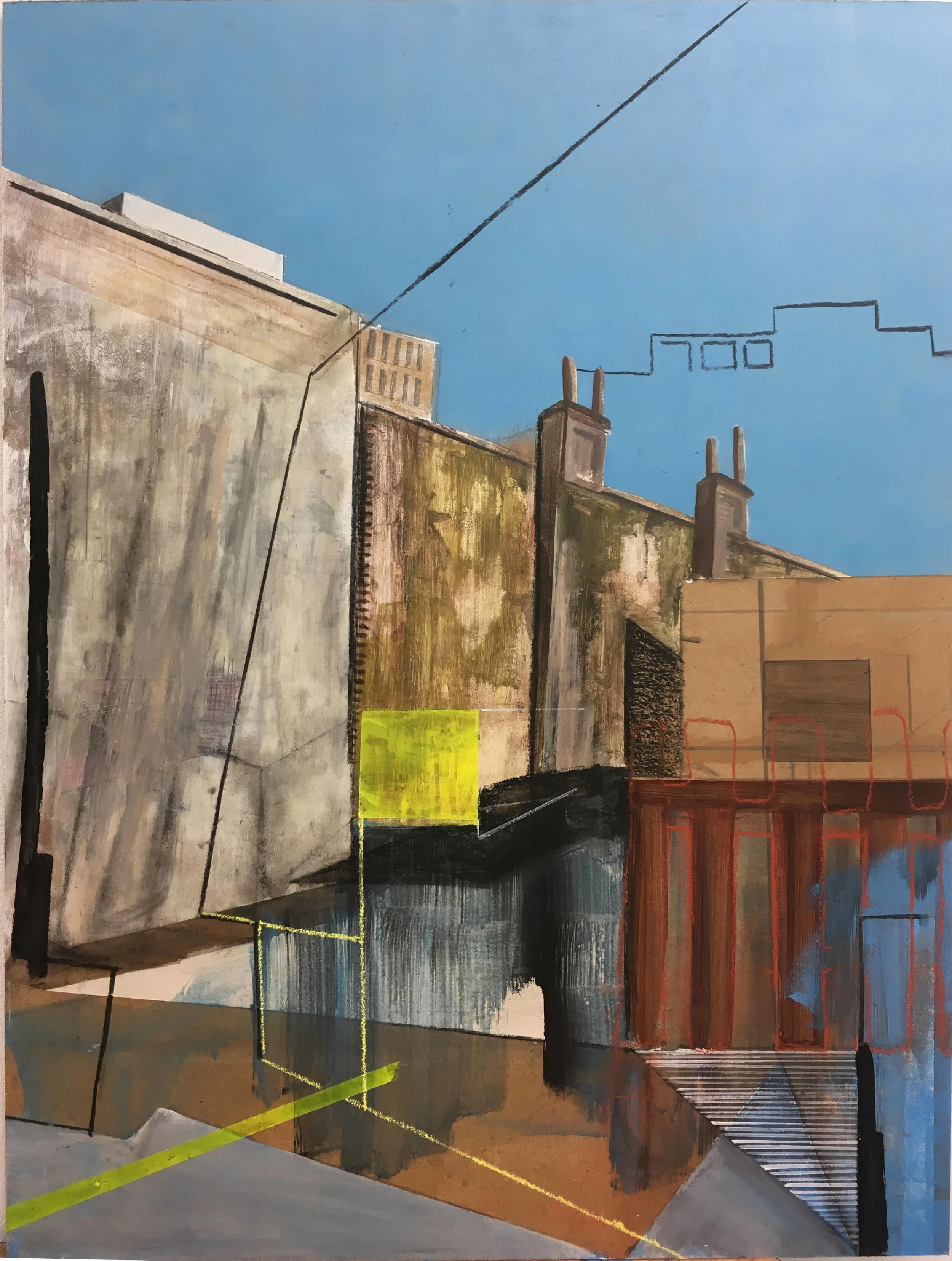
If you are building a collection around original work, explore artists whose practice fits your theme and colour direction. Focus LDN readers can also submit your artwork for consideration, adding another route to discovering distinctive pieces for a home display.
A themed gallery wall becomes most successful when it reflects genuine interests rather than following a strict decorating formula. Choose work that has a shared emotional thread, edit the group carefully, and let the room guide the scale and rhythm. Start with your strongest piece, create a simple paper plan, and give the collection time to evolve into a display that feels unmistakably yours.