How to Choose Artwork That Works Above a Radiator Cover
The wall above a radiator cover can become a natural focal point, but it needs more thought than an ordinary picture-hanging spot. Heat, airflow, limited wall width and the visual weight of the cover all affect which artwork, frame and arrangement will look right.
In Australian homes, radiator covers are most likely to appear with hydronic heating in cooler parts of Melbourne, Canberra, Hobart and the Southern Highlands. Even when the heater is used for only part of the year, selecting art for this position means balancing style with ventilation, material durability and safe clearance.
Start With Heat And Airflow
Before choosing a print or painting, check how warm the wall and radiator cover become during normal use. Artwork should never block vents, controls or the upward movement of heated air. Follow the heater and cover manufacturer’s clearance instructions, as the safe distance varies between systems.
A canvas may appear robust, but prolonged heat can dry fibres, distort stretcher bars and accelerate fading. Paper works are more vulnerable to curling, adhesive failure and colour change. A piece positioned above a cover should have room to breathe, with a gap between the frame and the top surface rather than resting directly on it.
Match The Artwork To The Wall
The right scale depends on the width of the radiator cover and the furniture nearby. A single work usually looks considered when it occupies around two-thirds to three-quarters of the available width. A tiny print can disappear above a broad cover, while an oversized canvas may make the heating zone feel cramped.
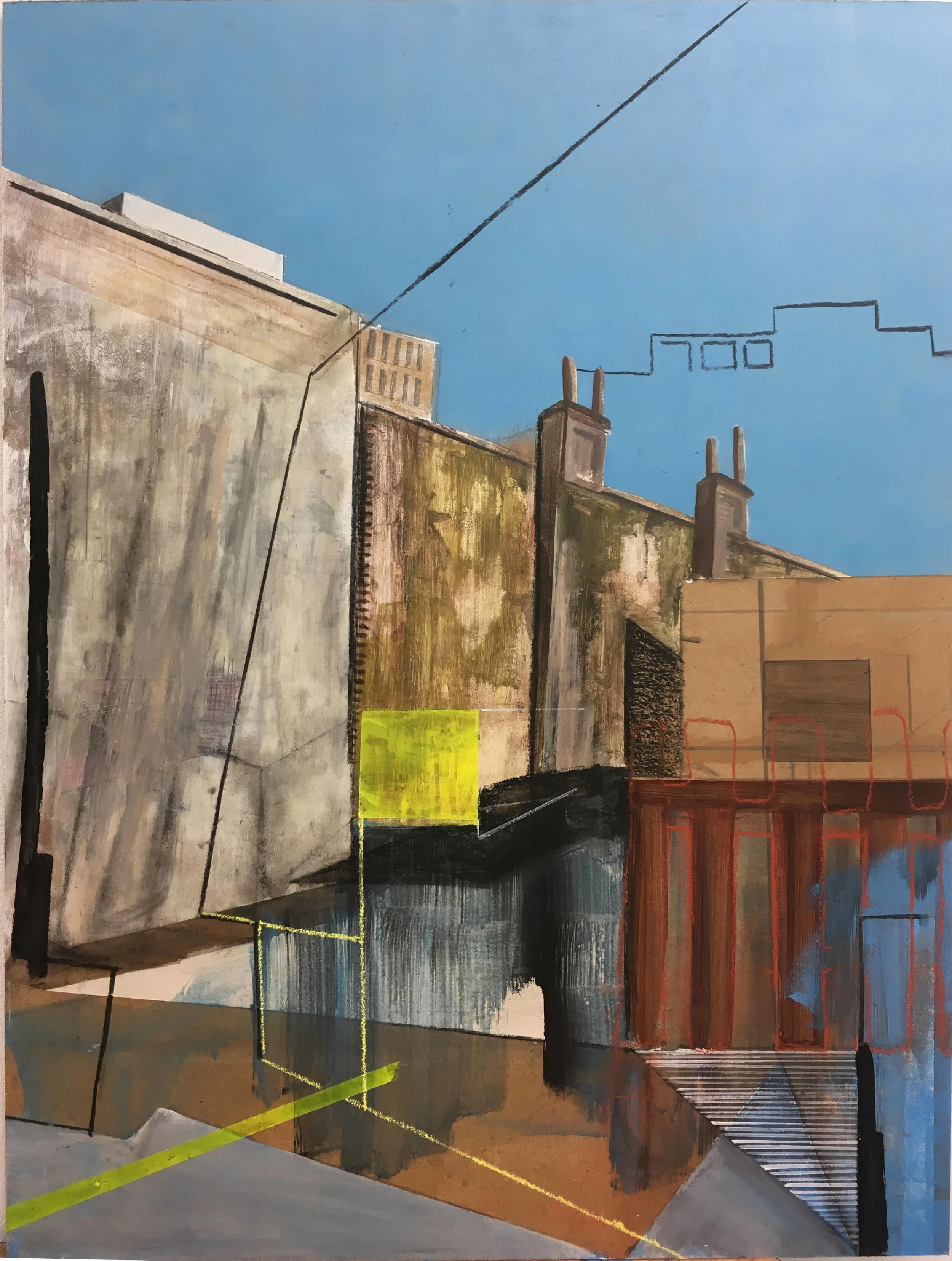
Look at the whole wall before deciding. A horizontal landscape, abstract composition or architectural photograph can echo the long line of a cover. For a narrow apartment wall in inner-city Sydney or Melbourne, a vertically oriented work may create height without spreading into a walkway.
Choose Frames That Can Handle The Position
A stable frame is generally a better choice than a delicate, highly ornamented one. Timber, powder-coated metal and sealed painted frames can suit a contemporary Australian interior, provided they are well finished and kept clear of direct heat. Avoid materials that soften, warp or release an odour when warmed.
Glazing deserves equal attention. Acrylic is lighter than glass and may be useful above a cover, especially in a rental or a home with children. UV-filtering acrylic or glass helps protect original art and saturated prints from strong Australian sunlight, particularly in north-facing rooms in Brisbane, Perth or Adelaide.
Select Art For The Room’s Atmosphere
Artwork above a radiator cover should connect with the room without matching every colour literally. Pull one quiet tone from the sofa, rug or curtains, then let the artwork introduce a contrasting shade or texture. Soft clay, eucalyptus, ochre and deep blue can sit comfortably within a relaxed Australian palette.
In a bedroom, restrained photography, line drawings and muted abstracts tend to support a calmer mood. A living room can accommodate stronger scale and contrast, while a hallway may benefit from a slim framed work that rewards close viewing. If the cover itself has strong detailing, choose simpler artwork so the wall does not become visually busy.
For ideas about balancing art, furniture and negative space, explore this guide to styling a gallery wall. The same principles apply to a single statement piece: establish a clear centre, keep the surrounding area edited and allow the wall to provide visual breathing room.
Consider A Small Gallery Arrangement
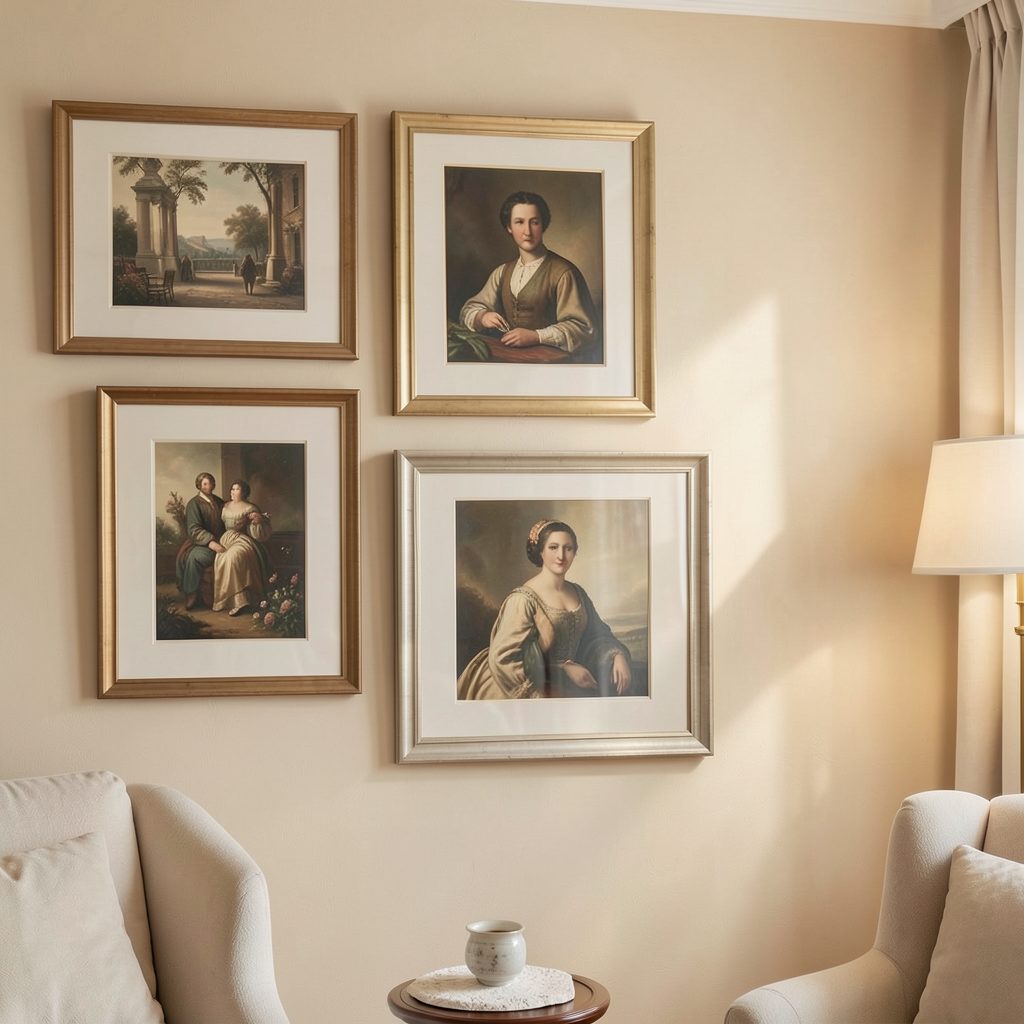
A compact gallery wall can work above a radiator cover when the arrangement remains shallow and orderly. Use two or three pieces with a consistent outer boundary rather than allowing frames to spread randomly across the wall. Aligning the bottom edges creates a visual relationship with the cover below.
Choose lightweight frames and secure every piece properly. French cleats, D-rings with suitable wall fixings or a professional hanging rail can provide greater stability than a single small hook. In older terraces and character homes, inspect the plaster and masonry before drilling, as walls may be uneven or fragile.
Keep the lowest frame high enough to maintain the required clearance and prevent heat from concentrating behind it. Test the arrangement with paper templates first. This makes it easier to judge scale from the sofa, bed or dining table before committing to holes in the wall.
Protect The Work And Keep The Look Intentional
Dust, dry air and temperature changes can gradually affect art, especially in rooms with frequent heating cycles. Use archival mounts for valuable works, avoid placing unsealed paper directly against glazing and inspect the frame occasionally for condensation or movement. Never use candles, dried foliage or flammable decorations on the cover beneath the artwork.
The display should also make practical sense. If the radiator cover is used as a shelf, leave space around vents and avoid leaning frames where they could fall. In a family home, mount valuable or glass-fronted pieces securely; in a rental, consider a lightweight print in a well-finished frame and removable hanging hardware where permitted.
A small label can add a gallery-like detail to a curated arrangement, especially when displaying travel photography or works by local artists. These gallery label ideas can help you add context without making the wall feel formal or crowded.
| Artwork choice | Best suited to | Main advantage | Watch carefully |
|---|---|---|---|
| Framed archival print | Bedrooms, living rooms and hallways | Flexible, polished and easy to replace | Use suitable glazing and clearance |
| Stretched canvas | Large, contemporary walls | Adds texture and visual scale | Heat may affect fibres and stretcher bars |
| Framed photograph | Minimalist interiors | Creates a crisp focal point | Protect from strong sunlight and fading |
| Small gallery arrangement | Wide radiator covers | Adds personality and layered interest | Keep spacing, weight and heat clearance consistent |
| Lightweight acrylic-fronted work | Rentals or family homes | Easier to hang and safer than glass | Acrylic can scratch and may need UV protection |
Choose the artwork as part of the entire heating zone rather than treating the wall as an isolated blank space. Measure the cover, check the heat pattern, test paper templates and select a frame that supports both the art and the room. With careful spacing and suitable materials, the area above a radiator cover can become a composed feature that feels at home in an Australian interior.