How to Style a Console Table Under a Gallery Wall
A console table beneath a gallery wall creates a natural focal point in an entryway, living room, landing, or bedroom. The furniture gives the artwork a visual base, while the arrangement above adds height, personality, and a sense of completion.
The most successful displays balance structure with breathing room. Your frames, objects, lighting, and table should feel connected without appearing overly matched. Start with the proportions of the wall and console, then build a composition that reflects the mood of the room.
Start With Proportion And Placement
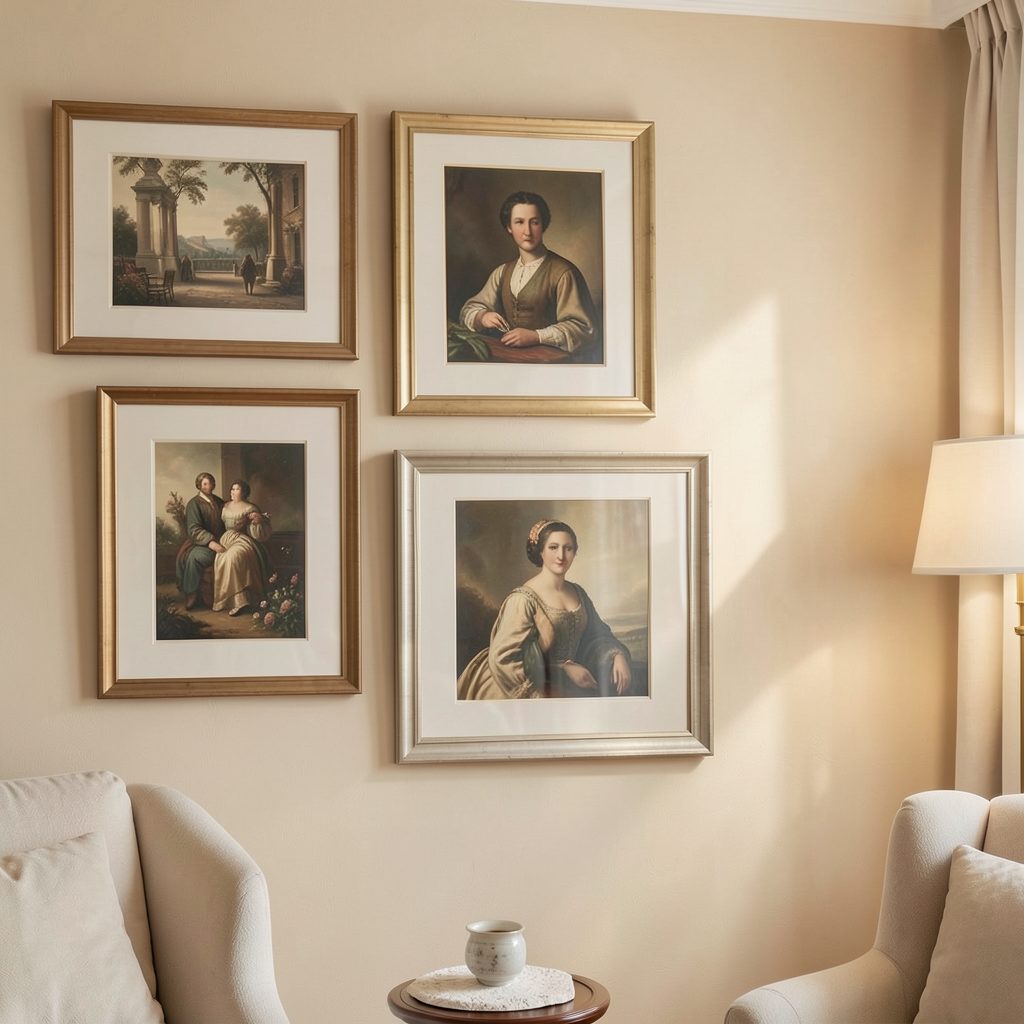
The console should usually be narrower than the gallery wall, leaving visible space at each side. A wall arrangement that extends slightly beyond the furniture can look generous and intentional, while a frame cluster that is much wider may make the table feel undersized.
Leave roughly 15 to 25 centimetres between the tabletop and the lowest artwork, depending on the height of the pieces. This gap allows the wall and furniture to read as one composition without making the frames appear crowded. In a narrow hallway, keep the installation shallow and avoid objects that obstruct the walkway.
Measure the wall, console, and frame group before making holes. Mark the outer edges with low-tack tape, then step back from several angles. This simple check reveals whether the gallery arrangement feels centred in relation to the furniture rather than merely centred on the wall.
Build A Gallery Wall With Rhythm
A console display benefits from artwork with varied scale. Combine one larger anchor piece with smaller prints, photographs, sketches, or decorative works. Repeating a colour across several frames can unify an eclectic mix, while differing subject matter keeps the arrangement personal.
For a calm, contemporary interior, use a consistent frame finish and even spacing. A more collected look can include wood, metal, and painted frames, provided there is a clear connection in colour, matting, or artwork style. Browse ideas for bringing a curated collection into a domestic setting through this guide to art at home.
Arrange the pieces on the floor first. Begin with the largest artwork, place supporting pieces around it, and keep the gaps close enough to create a group. Six to ten centimetres between frames often works well, though larger rooms can handle wider spacing.
Choose The Right Console Styling
The objects on the console should support the artwork rather than compete with it. Work with a mixture of heights: a tall vase, lamp, or branch arrangement can connect the tabletop to the lower edge of the gallery wall, while a stack of books or a small bowl adds a low horizontal layer.
Odd-numbered groupings tend to feel relaxed, but the more important principle is variation. Pair a sculptural object with something useful, such as a tray for keys or a lidded box for daily essentials. Keep a section of the tabletop clear so the display has visual pauses.
| Console element | Visual role | Styling approach |
|---|---|---|
| Table lamp | Adds height and warmth | Place to one side, ideally beneath a smaller frame |
| Large vase | Bridges wall and furniture | Use branches or simple foliage for an organic line |
| Books | Creates a low layer | Stack two or three with a small object on top |
| Tray or box | Controls clutter | Keep everyday items contained |
| Small sculpture | Adds personality | Use one distinctive piece rather than several tiny objects |
| Open tabletop | Provides breathing room | Leave 20–30% of the surface visually clear |
Use Lighting To Connect The Layers
Lighting can make a gallery wall and console feel intentionally designed, especially in an entryway that lacks natural light. A table lamp provides a soft pool of illumination and gives the furniture a practical purpose. Choose a shade that is proportional to the console and does not hide too much of the artwork.
Picture lights, directional wall lights, and discreet ceiling spots can highlight the artwork without flattening the room. Warm bulbs generally suit domestic interiors, particularly when the frames include wood, cream, ochre, or muted earth tones. Avoid placing a powerful light directly in front of glossy glass, as reflections may obscure the images.
If the console sits in a bedroom or dressing area, keep the lighting quiet and restrained. A pared-back approach inspired by minimalist bedroom design can help the artwork remain the main feature while preserving a restful atmosphere.
Match Materials Without Making Them Identical
Material repetition gives a console vignette cohesion. A black frame can relate to dark hardware, a walnut console can echo a wooden chair nearby, and brass details can connect a lamp with picture hooks or decorative accessories. These small links help separate pieces feel like part of the same room.
Texture is equally valuable. Mix smooth ceramic, woven baskets, aged wood, paper, and glass to prevent a neutral display from feeling flat. If the artwork is highly colourful or expressive, keep the tabletop quieter. If the gallery wall is monochrome, use the console to introduce warmth through natural materials and greenery.
Pay attention to the architecture around the display. A console under a gallery wall can define an empty landing, frame an entrance, or create a styled moment beside a staircase. The arrangement should respond to the room’s lines instead of floating independently from them.
Keep The Arrangement Edited And Livable
The best console styling leaves room for real life. Avoid filling every inch with decorative objects, since visual clutter can diminish the impact of the gallery wall. Start with fewer pieces than you think you need, live with the arrangement for a few days, and remove anything that feels repetitive or awkward.
Use the following checks when refining the display:
- Keep the largest artwork or strongest colour near the visual centre.
- Balance tall and low objects across the console without creating perfect symmetry.
- Hide cables, remote controls, and loose essentials inside a tray or box.
- Leave enough surface space for practical use, especially in an entryway.
- Reassess the display from seated, standing, and doorway viewpoints.
A seasonal branch, a new print, or a changed stack of books can refresh the arrangement without requiring a complete redesign. When choosing new artwork, consider visiting a local art gallery for pieces with texture and character that will give the wall a more individual feel.
A console table beneath framed art should feel collected rather than staged. Let the wall provide the visual energy, let the furniture ground it, and use accessories to create a bridge between the two. With careful proportions, considered lighting, and a few meaningful objects, even a small stretch of wall can become one of the room’s most memorable features.
Browse your available wall space, select one anchor piece, and begin building the display from there. A thoughtful arrangement will bring everyday function and gallery-style character together in a way that feels distinctly yours.