Choosing Art for a Low-Light Basement Guest Room
A basement guest room can feel calm, private and wonderfully cocooning, but limited daylight changes the way artwork behaves. Colours appear deeper, frames can look heavier, and small prints may disappear into shadow. The right wall art should add personality without making the room feel enclosed.
Think of the artwork as part of the room’s lighting scheme rather than a separate finishing touch. Soft contrast, reflective surfaces and carefully chosen placement can make a downstairs bedroom feel considered and welcoming, whether it is in a Melbourne terrace, a Sydney suburban home or a renovated Queenslander in Brisbane.
Begin With The Room’s Natural Conditions
Watch the room at different times of day before buying anything. A basement may receive a little cool light through a window well in the morning, then rely almost entirely on lamps by late afternoon. Hold sample prints against the wall and check them beside the bed, where guests will see them most often.
Warm off-whites, dusty greens, muted ochres and soft terracotta usually retain their character in dim conditions. Very dark navy, charcoal and black can be attractive in a bright room but may merge into the background downstairs. If you love moody artwork, choose a piece with a visible highlight, pale subject or generous border.
Australian basements can also feel cooler and damper than upstairs spaces, particularly in older homes around Hobart or Melbourne. Keep valuable originals away from external masonry walls, and use archival backing where possible. A small dehumidifier and steady ventilation will protect both the artwork and the room.
Match Scale To The Guest Bed
The wall above the bed is usually the natural focal point, but a large, busy canvas can dominate a low-ceilinged room. A horizontal work, a pair of related prints or three slim pieces often gives the wall enough presence without making the ceiling seem lower. Aim for artwork that is roughly two-thirds the width of the bed, leaving comfortable margins at both sides.
For a double bed, a framed print around 90 to 120 centimetres wide can work well. Above a queen bed, a wider composition or a balanced arrangement of smaller pieces is more convincing than one undersized picture floating in the centre. Leave about 15 to 25 centimetres between the top of the headboard and the bottom of the frame.
A no-headboard room gives you more freedom, but the artwork should still relate to the bedside tables and lamps. For practical bedroom styling ideas, look for arrangements that repeat a colour or shape from the bedding rather than matching every item exactly.
Select Artwork That Adds Light
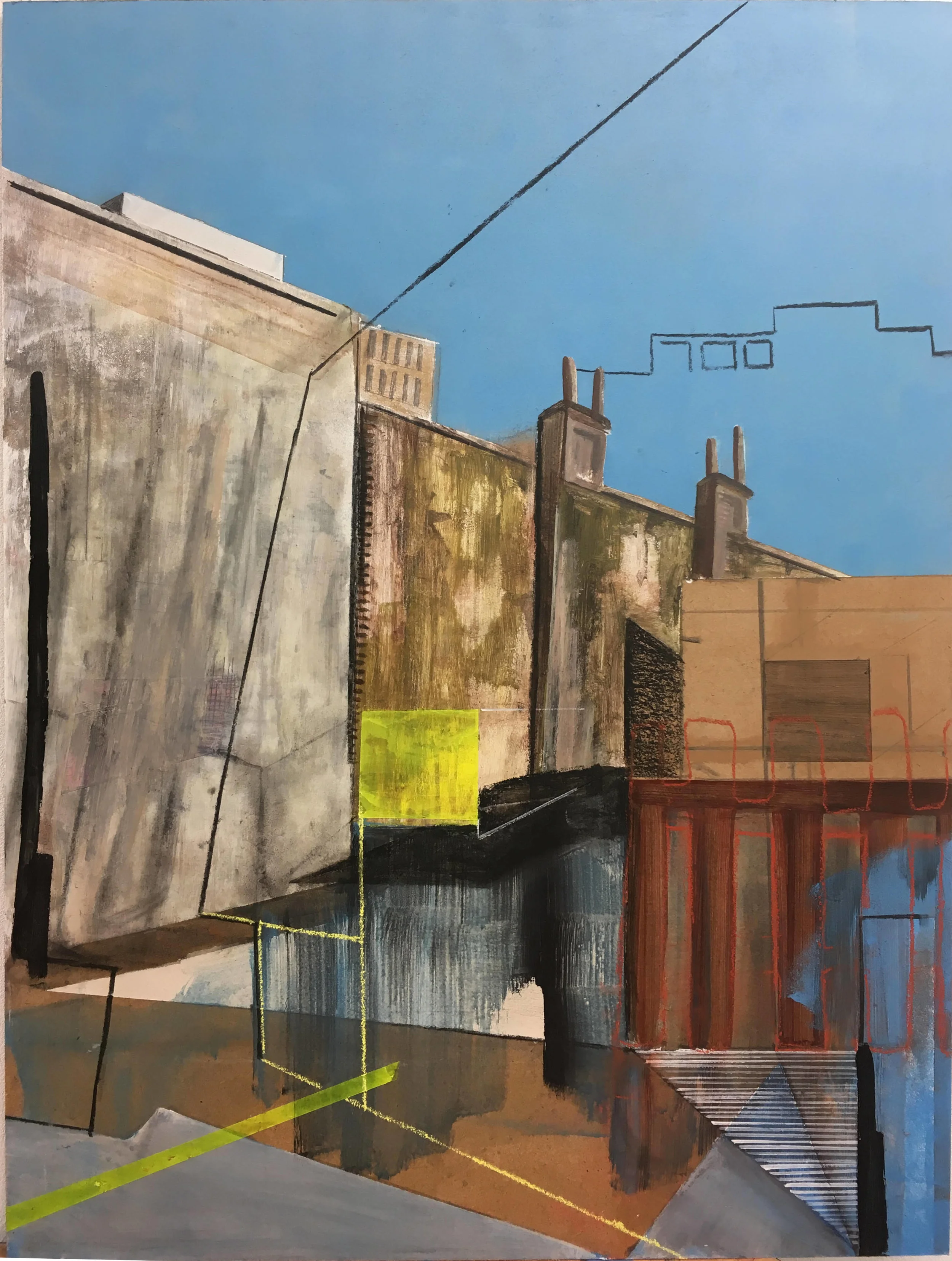
Artwork with open space can visually brighten a shadowy room. Coastal photography, pale botanical studies, abstract landscapes and line drawings are useful choices because their quieter areas allow the wall to breathe. A print featuring sky, water or a light-toned architectural detail can suggest a larger view beyond the basement.
Metallic touches are effective when used with restraint. A thin brass line, silver detail or pearlescent paper can catch light from a bedside lamp and create movement after sunset. Glass can provide a similar lift, although standard glazing may create glare. Museum acrylic is lighter and safer in a guest room, especially where luggage or furniture may be moved frequently.
If you prefer photography, avoid images that are so low contrast they become indistinct. A slightly lifted black point and a warm paper tone generally read better under Australian LED bulbs, which can otherwise make cool grey prints look flat.
Choose Frames For A Calm Finish
Frame colour has a major effect in a room with limited daylight. Pale oak, ash and natural timber bring warmth without closing in the wall. White frames blend into a light background and make the artwork feel airy, while slim black frames provide definition around a pale print. Chunky dark mouldings are best reserved for a large room with stronger illumination.
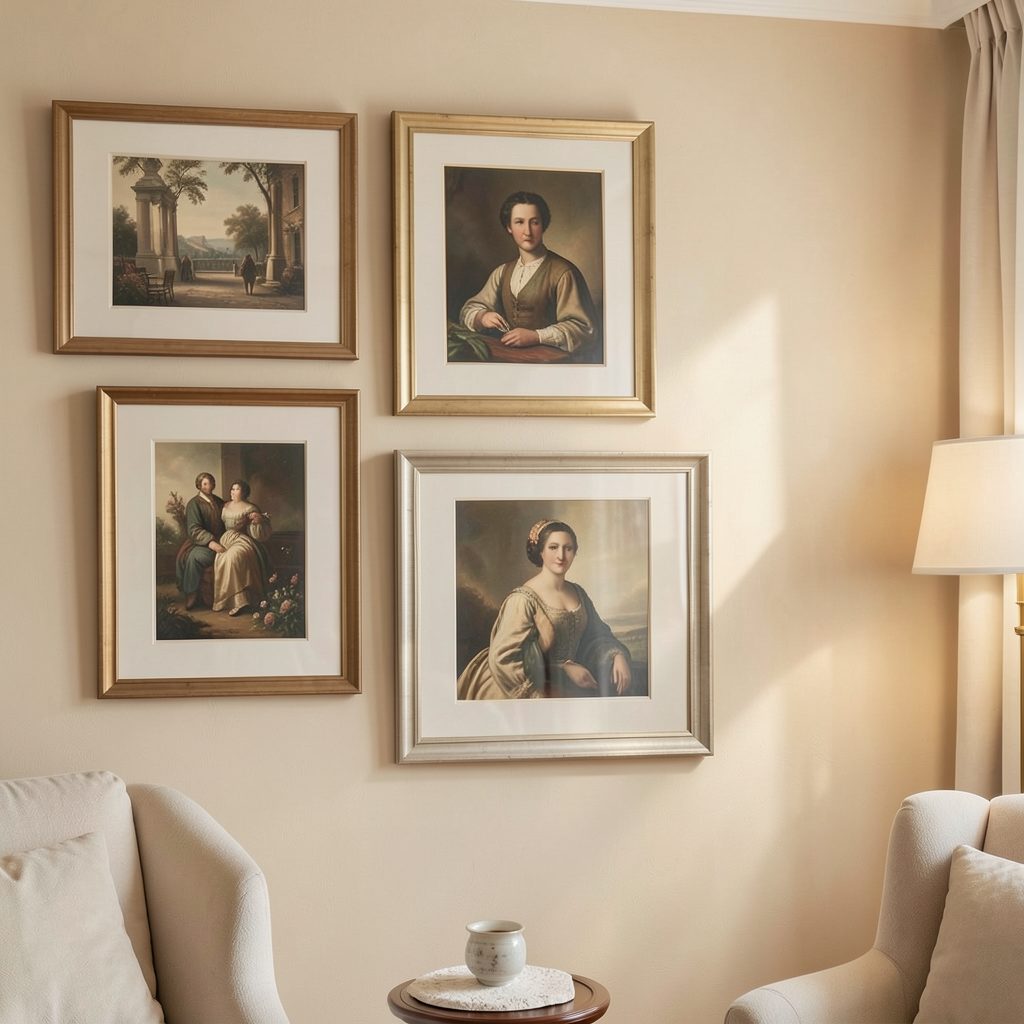
Mat boards are especially helpful in a basement bedroom. An off-white or warm grey mount creates a visual pause between the image and the wall, making a modest print appear more substantial. For a refined gallery-style arrangement, keep the frames consistent and vary the artwork within them.
Framing prices can vary widely across Australia, and custom work in inner Sydney or Melbourne may cost more than a ready-made frame from a national retailer. Compare acid-free mounts, glazing and hanging hardware rather than choosing solely by the lowest price. Local framers may also advise on humidity-resistant backing suited to a downstairs room.
| Artwork choice | Effect in low light | Best placement | Useful frame |
|---|---|---|---|
| Pale botanical print | Adds softness and brightness | Above a bedside table or dresser | Natural timber |
| Tonal landscape | Creates depth without visual noise | Above the bed | Slim oak or white |
| Abstract with warm accents | Links artwork to lamps and textiles | Main feature wall | Brass-toned or black |
| Line drawing | Keeps the room light and uncluttered | In a small reading corner | White with a wide mount |
| Textured textile art | Adds warmth and sound absorption | Opposite the bed | Simple timber stretcher |
Build A Small, Balanced Gallery Wall
A compact gallery wall can give guests something to discover without turning the room into a crowded display. Three to five works are usually enough. Start with one larger piece, then add smaller images that share a palette, subject or frame profile. Leave consistent gaps of around five to eight centimetres so the arrangement feels deliberate.
In a narrow basement room, a vertical grouping can draw the eye upwards. A horizontal row works better above a long dresser or queen bed. Use paper templates and low-tack tape before drilling, especially if the wall is concrete or lined with plasterboard over masonry.
Choose low-reflective glazing if the arrangement sits opposite a window or lamp. If you are selecting pieces inspired by current exhibitions, browsing online art sources can help you compare Australian independent artists, limited editions and print sizes before committing to a layout.
Add Lighting And Local Character
The best artwork will still struggle if the room has a single ceiling light. Add a pair of warm bedside lamps, ideally with shades that direct a gentle pool of light towards the wall. A small picture light can work above a key piece, provided it does not create harsh glare or heat. Aim for warm-white bulbs around 2700K to 3000K for an inviting guest-room atmosphere.
Consider artwork with a genuine connection to place. A restrained Sydney harbour study, a desert colour field, a photograph of the Mornington Peninsula or a print from a local Brisbane artist can make the room feel less generic. Australian galleries, makers’ markets and independent print studios often offer affordable editions, while local framing supports a finish suited to the property’s climate.
If the artwork is for a short-term rental, choose robust prints and secure hanging hardware rather than fragile glass or irreplaceable originals. Hosts can also take cues from the polished, relaxed dress codes discussed in gallery opening attire: a guest room benefits from the same balance of polish and ease, with a few distinctive details instead of visual overload.
Select the main artwork first, then coordinate lamps, bedding and accessories around its lightest and warmest tones. Check the finished arrangement after dark, when guests will actually use the room, and adjust the lamp position until the artwork remains visible without shining into the bed. With thoughtful scale, breathable colours and a little local character, a low-light basement can become one of the most memorable rooms in the home.