How to Arrange Art Around a Wall-Mounted Television
A wall-mounted television can make a living room feel streamlined, yet the large dark rectangle often becomes the only visual focus. Artwork helps soften that effect, connect the screen with surrounding furniture and turn an entertainment wall into a considered part of the home.
The best arrangement balances scale, viewing comfort and electrical practicalities. Whether you live in a compact Sydney apartment, a Melbourne terrace or a spacious Brisbane home, the same principles apply: protect the screen from visual clutter, leave enough breathing room and treat the television as one element within a broader composition.
Start With The Television’s Visual Weight
Begin by measuring the television, including its frame, and marking its position with painter’s tape. This simple step shows how much wall space remains before you commit to nails, hooks or a gallery layout. The screen should usually sit at a comfortable eye level when viewed from the sofa, rather than being pushed high like artwork in a formal room.
Consider the television’s black surface as a large piece of graphic art. A dark frame, charcoal print or deep-toned photograph nearby can make it feel intentional, while pale artworks can create a calmer contrast. Avoid placing a small, delicate print immediately beside a wide screen, as the scale difference will make the artwork appear lost.
Sunlight is another important factor in Australian homes. Strong afternoon glare in west-facing rooms, particularly during summer in Perth or Adelaide, can reduce screen visibility and fade works on paper. Use UV-filtering glazing where possible, position valuable pieces away from direct sun and choose low-reflective finishes for frames near windows.
Choose A Layout That Supports Viewing
A symmetrical arrangement works well when the television is centred above a low console. Place matching frames or similarly sized works on either side of the screen, keeping the outer edges balanced. This approach suits minimalist interiors and helps a television wall feel architectural rather than improvised.
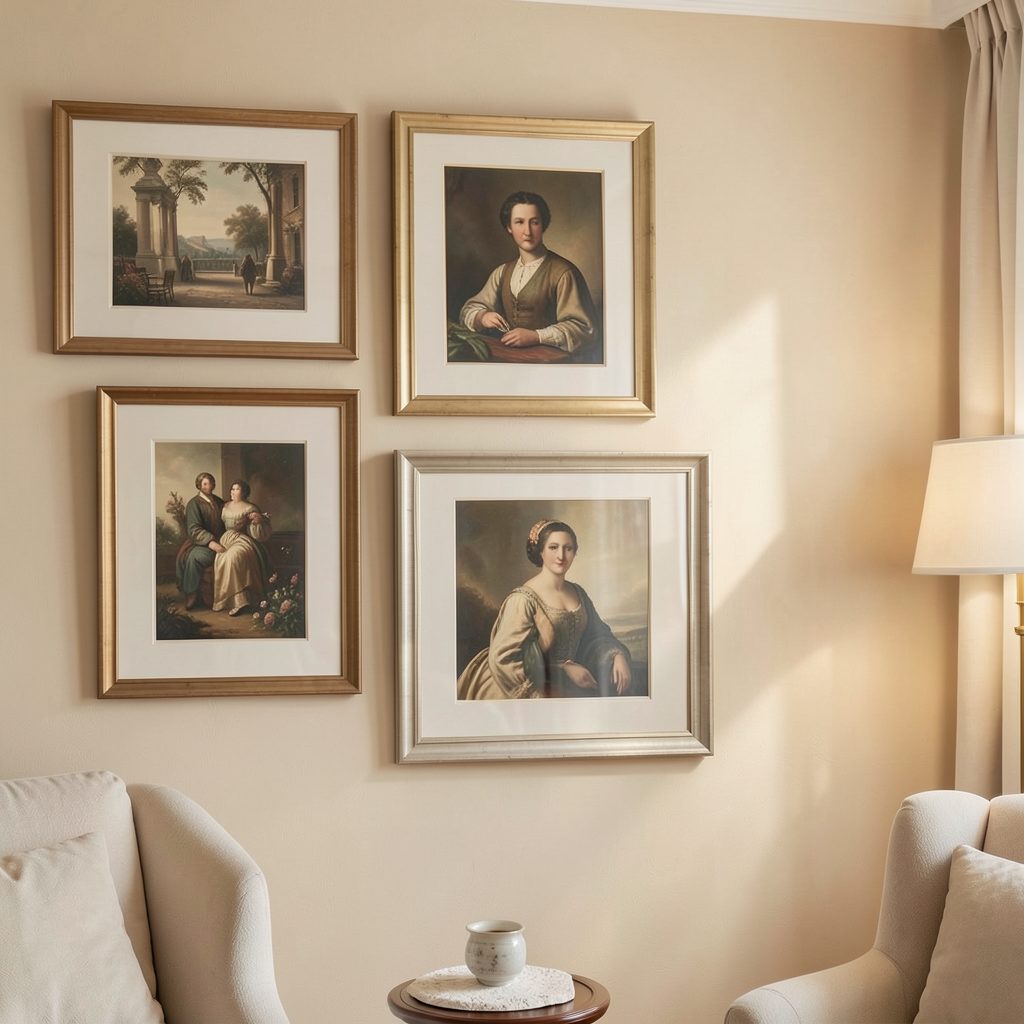
For a more relaxed gallery wall, vary the artwork while maintaining an invisible boundary around the screen. Keep the largest pieces lower and closer to the console, then build upwards with smaller works. Leave a clear margin around the television so the composition reads as a connected display rather than artwork colliding with the screen.
A useful starting distance is 10 to 20 centimetres between the screen and the nearest frame, though the right gap depends on the size of both objects. In a narrow Melbourne apartment, a vertical arrangement may use the wall height more effectively than a wide display. In an open-plan Queensland home, a broader horizontal grouping can help define the lounge zone.
Match Frames, Colour And Materials
Frames should relate to the room’s existing finishes. Black, walnut and dark-stained timber frames echo a television’s visual weight, while oak, ash and white frames create a lighter Scandinavian feel. Using one consistent frame colour gives a mixed collection cohesion, even when the artwork includes photographs, posters and original paintings.
Mat boards are particularly useful around a television because they add breathing room. A generous white or warm-neutral border separates the artwork from the screen’s dense shape. For a softer scheme, select cream, putty or pale grey mats instead of bright white, especially when the room has warm timber floors or natural linen upholstery.
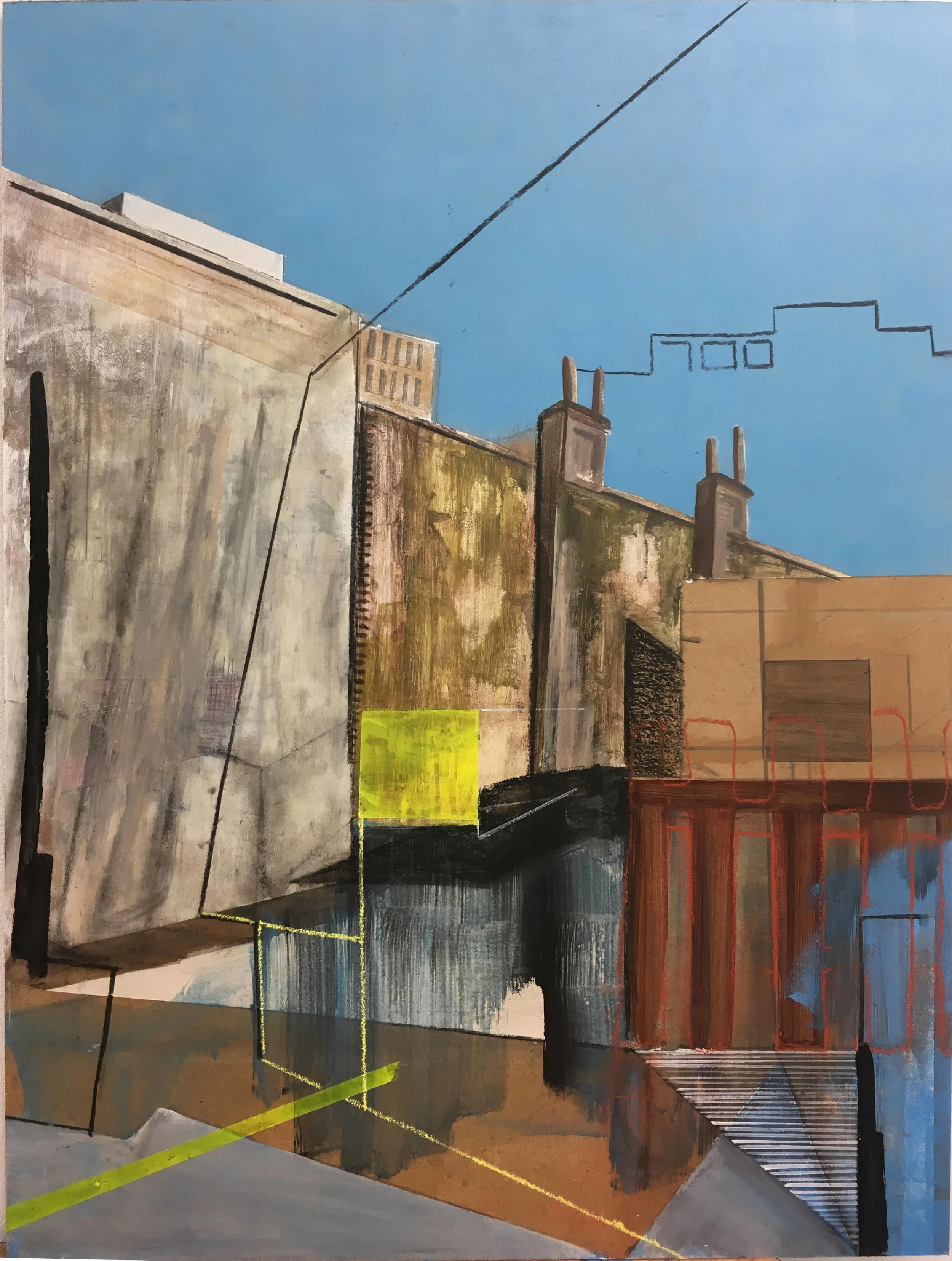
The artwork itself can repeat one or two colours from the room without matching the screen. Rust, ochre and eucalyptus green can connect a neutral Australian interior to its surroundings. Add texture through woven wall pieces, small canvases or ceramic works, while keeping fragile objects away from heat sources and areas where the television’s cables may be handled.
Plants can also soften the edges of an entertainment unit, particularly in rooms with timber, stone or woven finishes. Use the planting advice in this guide to plants to choose varieties suited to the available light, then keep leaves from blocking the screen or brushing against framed works.
Work Around Cables, Walls And Rental Rules
A clean gallery wall depends on concealed or neatly managed cables. Before drilling, locate studs, pipes and electrical wiring with an appropriate detector. Australian homes often use plasterboard internal walls, while brick walls are common in older terraces and apartment buildings, so the correct anchors will vary. Heavy framed art should be fixed according to the wall type and the manufacturer’s weight rating.
The television bracket must be securely installed, and any new power point or concealed electrical work should be completed by a licensed electrician. Electrical requirements differ between states and territories, but unlicensed fixed wiring can create safety and insurance problems. Keep ventilation space around the television and avoid covering air vents with art, fabric or decorative objects.
Renters should check the lease before creating a permanent gallery wall. In strata apartments, owners corporation rules may also affect drilling into shared walls, built-in cabinetry or services concealed behind a wall. Removable picture-hanging systems can work for lighter pieces, although they should be rated for the frame’s actual weight and tested discreetly before arranging a full display.
Create A Composed Display
Lay the artwork on the floor before transferring it to the wall. Arrange the pieces around a paper template representing the television, then photograph the layout from the sofa. This reveals awkward gaps and helps you judge whether the grouping feels balanced from the main viewing position rather than from close range.
Use a visual anchor, such as a large horizontal print beneath the screen or a tall work at one side. Smaller frames can then support that anchor without making the display look scattered. If the television sits above a console, leave enough surface space for a lamp, books or a vase, but avoid filling every available centimetre.
A gallery label beside a particularly meaningful work can add a refined, exhibition-like touch. Keep it small and aligned with the frame rather than placing several labels throughout a casual home display; these gallery label ideas can help you achieve a polished result without making the lounge feel like a museum.
| Arrangement | Best For | Visual Effect | Key Spacing |
|---|---|---|---|
| Symmetrical pairs | Minimalist rooms and centred consoles | Calm and ordered | 10–20 cm from the screen |
| Wide horizontal grouping | Large living rooms and open plans | Anchors the television wall | Keep outer edges balanced |
| Vertical stack | Narrow apartments and tall walls | Uses height efficiently | Align one side with the screen |
| Eclectic gallery wall | Collected, artistic interiors | Softens the screen’s dominance | Maintain a clear screen margin |
| Single statement work | Small rooms or restrained styling | Creates a strong focal point | Match the artwork to screen scale |
Before making the final holes, sit in the usual viewing spot and check the arrangement in daylight and at night. Confirm that artwork does not reflect lamps, windows or the television itself. Once the spacing works, install the heaviest pieces first, conceal cables neatly and add smaller objects gradually.
Turn the television wall into a deliberate part of your home by measuring first, choosing a clear visual structure and selecting art that reflects your room’s colour and character. Save the layout that works, source frames suited to your wall type and build the display one considered piece at a time.