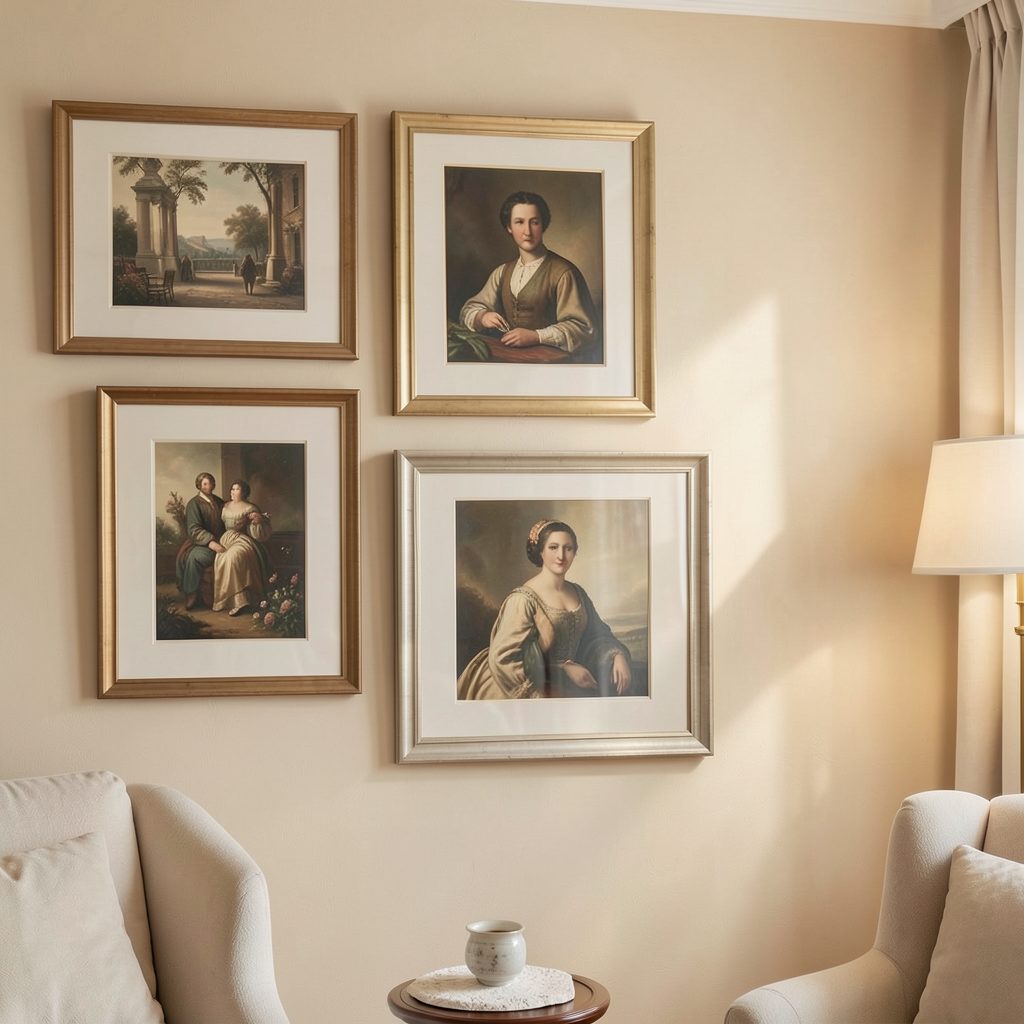
Plants that refine a minimalist interior
The best plants to complement a minimalist interior bring shape, texture, and quiet colour without making a room feel crowded. In a pared-back home, greenery works like a carefully chosen artwork: each leaf, stem, and pot has a visible role.
The right plant can soften hard lines around a gallery wall, add warmth beside neutral furniture, or create a calm focal point in a bedroom. The goal is not to fill every empty corner, but to use living foliage with the same restraint applied to frames, ceramics, and decorative objects.
Consider the room’s natural light, ceiling height, and existing palette before choosing a variety. A sculptural plant may suit a bright living room, while a delicate trailing plant can bring movement to a narrow shelf or bathroom ledge.
Start with form rather than colour
Minimalist interiors benefit from plants with a clear silhouette. Tall stems, broad leaves, and architectural shapes are easier to appreciate when the surrounding decor is simple. A fiddle-leaf fig, rubber plant, or bird of paradise can stand alone beside a sofa or console without needing a collection of accessories.
For smaller spaces, look for strong shapes at a lower scale. Snake plants have upright leaves that echo modern furniture, while pilea plants offer rounded foliage that gently contrasts with rectangular artwork. A single plant in a simple vessel often has greater impact than several mismatched pots.
Plant placement should also support the room’s visual rhythm. A tall variety can balance a large framed print, while a compact plant may occupy the space beneath a picture ledge. If you are still collecting artwork for a new home, these ideas for affordable apartment art can help create a display that feels considered rather than overfilled.
Sculptural choices for living rooms
The living room is usually the best place for a statement plant because it offers enough floor space and natural gathering points. A bird of paradise adds height and drama, especially in a room with high ceilings. Its large leaves create a relaxed contrast against clean-lined shelving and restrained artwork.
The rubber plant is another strong option. Its dark, glossy leaves introduce depth into a neutral scheme, and its upright growth looks polished in a cylindrical planter. For a more delicate effect, try an olive tree or a branching ficus, both of which create an airy outline instead of a dense block of green.
Avoid placing a large plant directly in front of a gallery wall. It can obscure the lower frames and weaken the arrangement. Instead, position it slightly to the side so the foliage overlaps the composition only at the edge, creating a natural transition between art and furniture.
Gentle greenery for bedrooms and bathrooms
Bedrooms benefit from plants that have a soft, restful presence. A calathea, maidenhair fern, or trailing heartleaf philodendron can introduce movement without competing with bedding or bedside lighting. Place one on a low stool, open shelf, or chest of drawers, leaving enough empty surface around it to preserve a sense of calm.
Snake plants and ZZ plants are practical choices for bedrooms because they tolerate less frequent watering and can handle moderate light. Their restrained form also suits minimalist interiors where visual clutter is kept to a minimum. Choose a pot in warm white, pale stone, or muted clay to complement linen and natural wood.
Bathrooms offer opportunities for moisture-loving greenery. Ferns, pothos, and orchids can thrive in bright, humid conditions, particularly near a window. A small plant on a vanity or wall shelf can make a functional room feel more finished, while a hanging variety adds height without taking up valuable floor space.
Let pots and artwork share the composition
The container is part of the decoration, so it should relate to the room’s materials and artwork. Matte ceramic works well with soft, tonal interiors; terracotta introduces warmth; and black or charcoal planters can echo dark picture frames. Keep the finish simple when the plant itself has dramatic leaves.
Think about scale when arranging plants near framed pieces. A tall plant beside a vertical print can create a balanced pairing, while a low planter below a horizontal arrangement helps ground the display. Leave visible breathing room between the leaves and the frames so both elements remain legible.
| Plant | Best setting | Visual quality | Care level |
|---|---|---|---|
| Snake plant | Bedroom, hallway, office | Upright and graphic | Easy |
| Rubber plant | Living room, reading corner | Glossy and sculptural | Moderate |
| Pothos | Bathroom, shelf, hanging display | Trailing and soft | Easy |
| Bird of paradise | Bright living room | Tall and dramatic | Moderate |
| ZZ plant | Low-light corner | Compact and polished | Easy |
| Olive tree | Bright room with open floor space | Airy and organic | Moderate |
Choose plants that suit your routine
A minimalist home looks best when plants remain healthy and well maintained. Before buying, check how much light reaches the chosen position throughout the day. A bright window may suit an olive tree or bird of paradise, while a shaded corner is better for a ZZ plant or snake plant.
Watering habits matter just as much. If your schedule is busy, select forgiving varieties and use pots with drainage holes. Place a saucer beneath indoor planters to protect floors and furniture, and wipe broad leaves occasionally so they retain their natural finish.
A short list of reliable choices can make the selection process easier:
- Choose a snake plant for a tall, low-maintenance accent.
- Use pothos to soften shelves, ledges, or bathroom corners.
- Select a rubber plant when the room needs richer green tones.
- Add a ZZ plant to a dimmer space with limited daily care.
- Reserve a bird of paradise for bright rooms with generous floor area.
Build a quiet gallery-style arrangement
Plants can become part of a larger display rather than sitting apart from the rest of the decor. Pair a small plant with a framed photograph, ceramic object, or sculptural candle on a console. Vary the heights while keeping the colour palette narrow, allowing the arrangement to feel layered but controlled.
A gallery wall can also benefit from greenery placed nearby. When planning your composition, use this guide to start an art gallery at home and consider how foliage might frame the edges. A trailing plant can lead the eye downward, while an upright variety can balance a dense cluster of smaller prints.
For a refined finishing touch, add small gallery labels to artwork when the display has a curated, exhibition-like character. Keep the labels and planters visually quiet so the room retains its residential warmth rather than feeling overly formal.
The most successful plant displays leave space around each object. Repeat one material, such as ceramic or wood, and limit the number of varieties in a single room. This creates continuity between the living greenery, the artwork, and the architecture.
Bring one well-chosen plant into your next room refresh and give it a deliberate position beside your art, furniture, or lighting. With the right shape, pot, and care routine, greenery can add life to a minimalist interior while preserving the calm that makes the style so appealing.