How to Arrange Art Around a Fireplace
A fireplace naturally attracts attention, so artwork placed nearby needs to support its presence rather than compete with it. The right arrangement can make a mantel feel intentional, connect the room’s colours and create a polished gallery-style interior.
The approach depends on the fireplace’s proportions, the height of the ceiling and the architecture surrounding it. A grand stone surround calls for a different composition from a compact contemporary hearth in a Melbourne terrace or a renovated Queenslander in Brisbane.
The most successful schemes balance scale, negative space and texture. Instead of filling every available wall, treat the fireplace as the anchor and use art to create a calm visual relationship around it.
Read The Fireplace’s Architecture
Begin by studying the fireplace before selecting artwork. Note the width of the mantel, the height from mantel to ceiling and the amount of wall visible on either side. A narrow mantel may suit one substantial piece, while a wide chimney breast can support a layered arrangement.
The material also affects the artwork choice. White-painted timber, common in many Australian period homes, works well with expressive colour or dark frames. Brick, marble and concrete usually benefit from art with softer tones, organic shapes or generous white space.
Avoid placing a delicate work directly above a working open fire unless it is properly protected and positioned at a safe distance. Heat, soot and sudden temperature changes can damage paper, canvas and timber frames, so always follow the fireplace manufacturer’s clearance guidance.
Establish Artwork Scale
A useful starting point is to choose a main artwork that spans roughly two-thirds to three-quarters of the mantel width. This proportion feels grounded without making the fireplace appear crowded. For a small surround, a vertical painting or medium-sized print can create height without overwhelming the room.
When the fireplace sits beneath a television, the composition requires extra restraint. A single framed work may look calmer than a crowded gallery wall, while matching frames can help the screen and artwork feel part of the same arrangement.
Consider the viewing distance as well. Large rooms in Sydney or Canberra can accommodate generous pieces with stronger contrast, whereas a compact apartment may need a smaller work with a quieter palette. Art should be legible from the main seating position, not just attractive when viewed close up.
Build A Balanced Composition
Symmetry is a reliable choice when the fireplace has a formal surround. Centre one artwork over the mantel, or place matching pieces on either side of a central object. This approach suits traditional rooms and creates an immediate sense of order.
A more relaxed interior can use asymmetry. Try a large framed print on one side of the mantel, balanced by a smaller artwork, ceramic vessel or sculptural object on the other. Keep the visual weight similar even when the shapes differ.
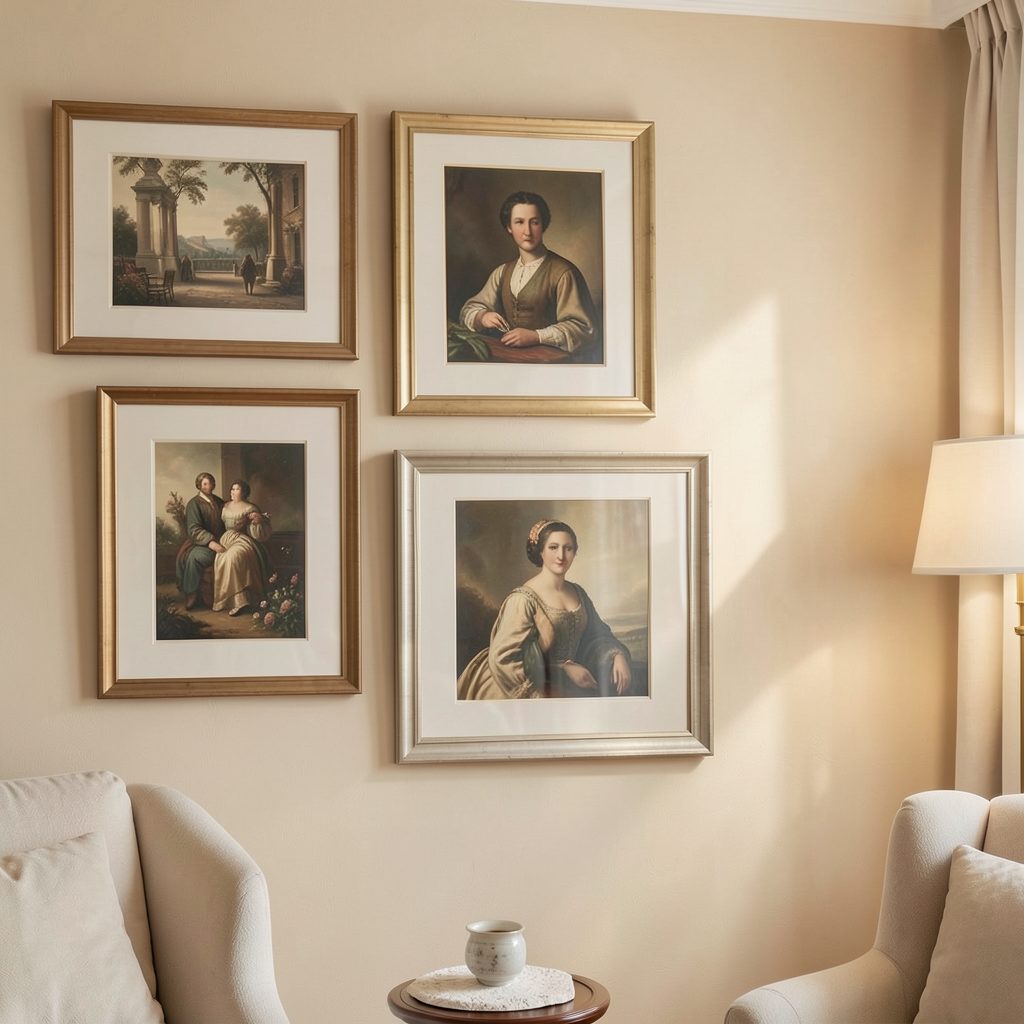
For a gallery wall, begin with the largest piece and arrange smaller works around it. Keep the lower edge of the composition visually connected to the mantel, leaving enough breathing room to avoid a cramped appearance. Test the layout on the floor before making holes in the wall.
Choose Frames And Materials
Frame selection can unify different artworks while keeping the fireplace central. Black frames create definition and suit modern interiors, while oak, walnut and light timber bring warmth to neutral rooms. Aged brass can complement heritage details without looking overly formal.
Use one repeated feature to create cohesion, such as the same frame colour, matting style or artwork palette. The pieces do not need to match exactly. A photograph, abstract print and small drawing can sit together successfully when their tones and proportions relate.
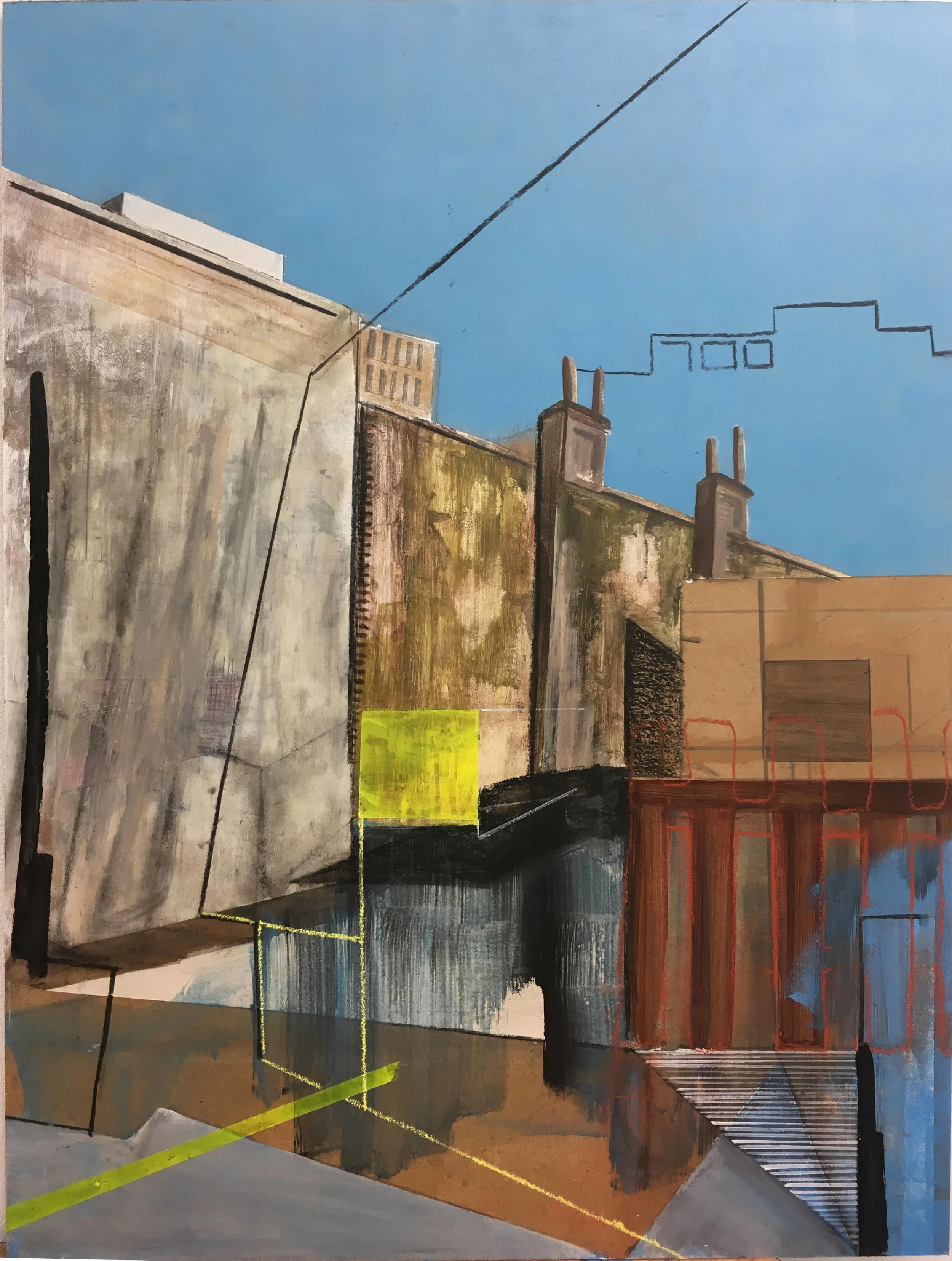
If your arrangement includes artwork bought at a local gallery or from an emerging Australian artist, let the work retain its individuality. Guides to gallery opening attire can also help when you are visiting exhibitions to find pieces that suit your home and personal style.
Work With Rugs And Surrounding Decor
The fireplace should connect visually with the furniture, floor and soft furnishings. A rug can define the seating zone and draw the eye towards the hearth, especially in open-plan homes. Choose a design that echoes one or two colours in the artwork rather than matching every shade; these rug decorating ideas can help balance pattern, texture and scale.
Keep decorative objects on the mantel deliberately edited. Two or three pieces are usually more effective than a crowded collection. Vary heights with a low bowl, a medium vase and one taller object, while keeping everything clear of the artwork’s sightline.
Plants can soften a hard surround, but avoid placing foliage where it obscures the art. In warmer Australian climates, hardy indoor varieties can add life, although direct heat from a fireplace may dry leaves quickly.
Adapt The Scheme Room By Room
In a living room, artwork above the fireplace can be expressive because the space is designed for gathering. A large abstract, landscape or photographic work often provides enough presence for a sofa, coffee table and lounge chairs. In a bedroom, choose quieter imagery and softer contrast to support rest.
A fireplace in a dining area can handle bolder colour, particularly when the room has darker joinery or strong lighting. For a bathroom with a decorative mantel or non-working fireplace, use moisture-resistant prints and sealed frames. Ideas for styling a bathroom are useful when combining art with mirrors, tiles and practical storage.
Australian light should also influence the palette. Strong northern exposure can make white walls and bright prints appear intense, while south-facing rooms in Melbourne may benefit from warm timber, cream mats and earthy artwork. Always observe a piece in the room at different times of day before committing to it.
A Practical Styling Checklist
Before hanging anything, make a paper template for each frame and attach the shapes to the wall with removable tape. Stand back from the sofa and doorway, checking whether the arrangement feels centred on the fireplace rather than on a single nearby wall.
Use lighting to complete the display. Adjustable picture lights, wall washers or directional ceiling fittings can highlight artwork without creating glare. In rental apartments, carefully positioned lamps may offer a safer alternative to hard-wired fixtures.
Before Hanging
- Measure the mantel, wall width and ceiling height
- Check heat and clearance requirements
- Test frame colours beside the fireplace material
- View the artwork from the main seating area
After Hanging
- Keep the lowest frame visually connected to the mantel
- Check that objects do not block the artwork
- Adjust lighting for glare and evening shadows
- Leave enough empty wall space around the composition
| Fireplace setting | Art arrangement | Frame direction | Overall effect |
|---|---|---|---|
| Narrow contemporary surround | One vertical artwork | Slim black or timber | Clean and focused |
| Wide traditional mantel | Centrepiece with symmetrical accents | Painted timber or brass | Formal and balanced |
| Brick or rustic hearth | Layered prints and objects | Natural timber | Warm and relaxed |
| Open-plan living area | Large horizontal work | Simple, consistent frames | Strong and spacious |
A well-arranged fireplace display should feel collected rather than decorated all at once. Measure carefully, live with the artwork temporarily and edit anything that distracts from the room’s natural focal point. Browse Focus LDN for more gallery-wall and home styling guidance, then create a fireplace composition that reflects your own Australian space.