Framing Techniques for Textured and Three-Dimensional Wall Art
Textured and three-dimensional artwork brings shadow, movement and tactile interest to an interior. Raised ceramics, woven pieces, sculptural paper, pressed botanicals and layered mixed-media works can turn a blank wall into a considered focal point, but they need more thoughtful framing than a flat print.
The right frame protects the artwork while leaving enough room for its depth, texture and visual character. In Australian homes, where bright sun, coastal humidity and compact apartment layouts can affect materials, framing also needs to be practical. A well-planned display will feel gallery-like without making the room appear crowded.
Measure The Artwork’s Full Depth
Start by measuring the artwork at its thickest point, including protruding fibres, ceramic edges, stretched materials or attached objects. Record the height, width and depth, then add clearance around the piece so it does not press against the glazing or backing. A three-dimensional work often needs a shadow box rather than a standard picture frame.
Allow extra space for irregular surfaces. A woven wall hanging may compress slightly, while a clay relief will remain rigid. If the artwork has loose threads, fragile paper or delicate found objects, the frame should provide protection without touching the raised areas.
Choose A Deep Shadow Box
A shadow box frame creates an enclosed space between the artwork and the glass. This gap gives the piece visual breathing room and produces a soft shadow around its edges, which can make the work feel more sculptural. The depth may be created with a deep rebate, spacers or a raised mount.
For Australian interiors, timber shadow boxes in pale oak, blackwood tones or painted white can suit both coastal and contemporary rooms. In a Melbourne apartment, a slim black profile can sharpen a textured monochrome piece, while a lighter timber frame may work well with relaxed Sydney or Brisbane styling.
Use Spacers And Archival Materials
Spacers keep artwork away from the glazing and reduce the risk of condensation, abrasion and trapped moisture. They are especially useful for textiles, natural fibres and works made from layered paper. Museum-grade or conservation framing materials are worthwhile when the artwork is valuable, fragile or exposed to strong daylight.
Use acid-free mounting board, archival hinges and a stable backing board wherever possible. Avoid permanently gluing original artwork to its mount. Reversible methods make future conservation easier and preserve the value of the piece, particularly if it has been purchased from an independent Australian artist or small gallery.
Select Glazing For Light And Texture
Regular glass is affordable and clear, but it can create distracting reflections and allow ultraviolet light to fade sensitive materials. UV-filtering glass or acrylic offers better protection for artworks displayed near north-facing windows. Low-reflective glazing is useful when the piece has subtle texture that could disappear beneath glare.
Acrylic is lighter than glass and safer for busy hallways, children’s rooms and rental apartments. It can scratch more easily, so it needs careful cleaning with a soft cloth. Keep framed textured art away from direct heat, steamy bathroom conditions and areas where cooking residue may settle on the surface.
Match The Frame To The Artwork
The frame should support the work rather than compete with it. A simple box profile is often the best choice for highly tactile pieces, while a wider frame can give a small relief artwork greater presence on a large wall. Choose a finish that relates to nearby furniture, shelving or flooring without matching every element exactly.
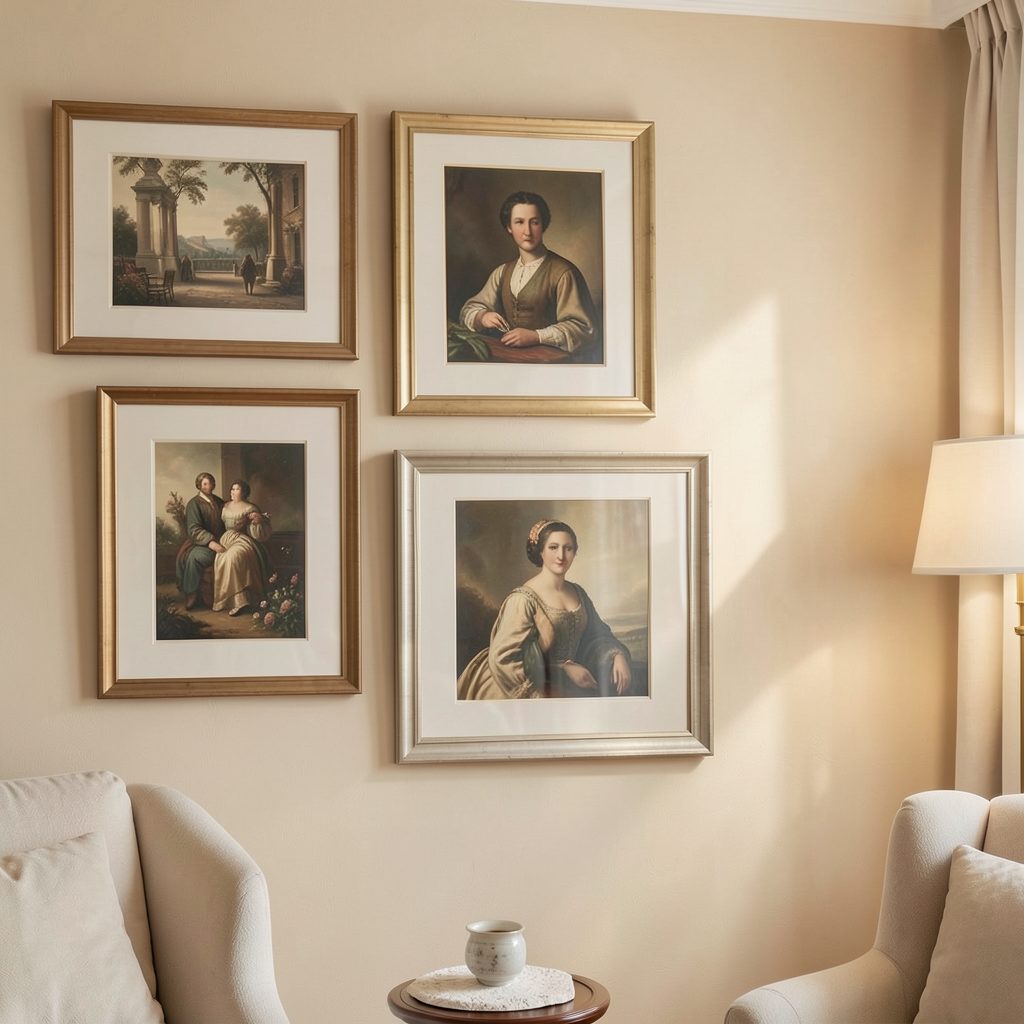
For a gallery wall, combine depth carefully. Flat photographs can sit beside shallow textile works, but the arrangement should have a consistent visual rhythm. Before drilling, lay the frames on the floor and test the spacing. When you are ready to arrange the wider display, these display artwork ideas can help balance scale and negative space.
Plan Mounting For Weight And Balance
Three-dimensional frames are often heavier than they look. Use wall plugs and fixings suited to the wall type, whether it is plasterboard, brick or concrete. In older terrace homes around Sydney or Adelaide, walls may be uneven, so a secure French cleat or two-point hanging system can help keep a deep frame level.
Check how far the frame projects into the room, especially above a sofa, bed or narrow console. A deep shadow box can catch on passing shoulders in a hallway. For rental homes, lightweight acrylic-fronted frames and strong removable hooks may be practical, though valuable pieces should still be mounted with properly rated hardware.
Build A Cohesive Display
Texture works best when it is repeated subtly around the room. A ribbed cushion, woven basket, ceramic lamp or tactile rug can echo the framed artwork without creating visual clutter. A carefully chosen textured rug can ground the display and connect a sculptural wall piece to the furniture below.
Keep the surrounding wall relatively calm if the artwork has strong relief or vivid material contrast. In a bathroom, select sealed materials and avoid placing unprotected paper, metal or fabric near regular steam. In a bedroom, softer textiles and warm timber frames can create a restful arrangement, while a crisp white box frame suits a minimalist gallery wall.
Quick Framing Checks
Before ordering a custom frame, confirm the practical details that affect fit, safety and presentation.
- Measure the artwork at its deepest point
- Leave an air gap beneath the glazing
- Choose UV protection for bright rooms
- Check the frame weight against the wall fixing
A final inspection also helps identify small problems before the artwork is sealed inside the frame. Photograph the piece, record its dimensions and keep any artist notes or provenance documents with your home records.
Use these finishing checks after installation:
- Clean glazing before placing the artwork inside
- Confirm the backing is secure and dust-free
- Test the frame for movement after hanging
- Keep the display away from direct heat and moisture
If you are an artist preparing a tactile piece for publication or exhibition, you can submit your artwork for consideration and share the work with a design-focused audience.
Thoughtful framing allows texture, depth and craftsmanship to remain visible while giving the artwork long-term protection. Choose the structure around the piece first, then refine the frame colour, glazing and placement so the final display feels intentional within the room. Explore tactile materials, test the arrangement in natural light and give your wall art the gallery-style setting it deserves.