Best ways to light a gallery wall without hardwiring
A well-lit gallery wall can give a room the polish of a small exhibition space, even when the artwork is displayed in a rental apartment or an older home with limited electrical access. The right lighting reveals texture, strengthens colour, and helps each frame feel intentional after sunset.
Hardwiring is rarely the only route. Plug-in picture lights, rechargeable fixtures, discreet track systems, and carefully placed lamps can all create focused illumination without opening the wall. The best choice depends on the size of the display, the artwork’s materials, and how permanent the arrangement needs to be.
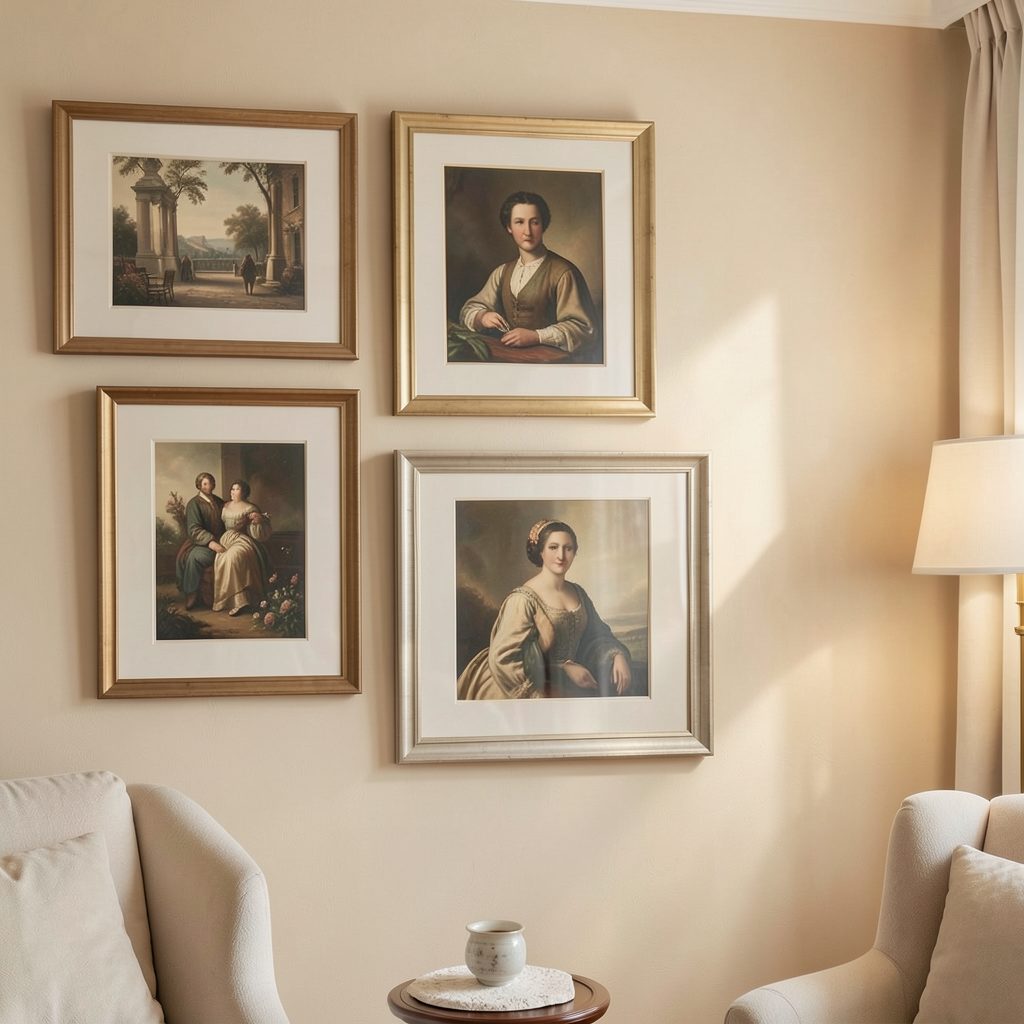
Good gallery lighting should support the art rather than compete with it. Aim for a gentle, even wash with minimal glare, and consider how the light will look from the sofa, doorway, and other main viewpoints. For further inspiration on arranging artwork and creating a refined display, explore these gallery-wall ideas.
Start with the wall and artwork
Before buying a light, assess the gallery wall as a complete composition. A compact arrangement above a console may need one central picture light, while a large salon-style display could benefit from several small sources. Measure the overall width, note the distance between frames, and identify where cables can travel without becoming visually distracting.
Artwork also affects the specification. Works behind glass reflect direct beams, while glossy prints may show bright hotspots. Oil paintings and heavily textured pieces often benefit from angled illumination that skims across the surface. Watercolours, photographs, and delicate prints usually look better under lower-intensity, diffused light.
Avoid placing a powerful fixture too close to the art. Excessive heat and ultraviolet exposure can contribute to fading over time, particularly with works on paper. Choose LED lighting with a high colour-rendering index, ideally a CRI of 90 or above, so colours remain natural and balanced.
Use plug-in picture lights for a classic look
Plug-in picture lights are the closest visual substitute for hardwired gallery fixtures. They attach above an individual frame or a group of smaller artworks and direct light downward across the display. Many models have adjustable arms, dimmers, and cord covers that can be painted to match the wall.
For a clean arrangement, centre the fixture over the artwork and let the cable descend vertically before guiding it toward the nearest socket. Adhesive cord channels or narrow paintable cable raceways can make the route nearly invisible. If the wall is colourful, matching the channel to the paint will help it recede.
A picture light does not have to sit directly on the frame. A slim battery-operated model mounted slightly above the artwork can create the same architectural effect without drilling into the frame or running a visible power cord. This is particularly useful for rented spaces and frequently changing displays.
Compare flexible lighting options
Several no-hardwire solutions can work well, but each creates a different balance between appearance, brightness, maintenance, and installation effort. Rechargeable lights are especially convenient when sockets are far away, while plug-in fixtures are usually better for long display periods.
| Lighting option | Best for | Main advantage | Watch for |
|---|---|---|---|
| Rechargeable picture light | Rentals and small displays | No visible cable or socket | Regular charging |
| Plug-in picture light | Permanent-looking arrangements | Strong, focused illumination | Cord management |
| Battery-powered puck lights | Individual frames or shelves | Low cost and simple placement | Can look less refined |
| Slim LED bar | Wide multi-frame compositions | Even horizontal coverage | Visible fixture depth |
| Plug-in track light | Large gallery walls | Adjustable multiple beams | More installation work |
| Nearby floor or table lamp | Casual, layered interiors | Adds ambient lighting too | Less direct artwork coverage |
Puck lights are best used selectively. Placing one behind every frame can create uneven brightness and a cluttered appearance, especially on a densely arranged wall. A few concealed lights aimed at key pieces can provide hierarchy without making the entire display feel over-lit.
Choose the right colour and beam
Colour temperature has a strong influence on the mood of the room. Warm white light between 2700K and 3000K suits bedrooms, living rooms, and interiors with timber, linen, or brass. A neutral white around 3500K can work well in a modern, gallery-inspired space where crisp whites and cooler materials need to stay clear.
Beam angle matters just as much. Narrow beams create drama and can highlight a single statement piece, while wider beams spread light more evenly across a group. For a typical gallery wall, adjustable fixtures with a medium beam are the safest choice because they can be redirected when frames move.
Test the light at night before committing to the final position. Stand across the room and look for reflections, dark corners, or distracting shadows between frames. A dimmer is valuable because the ideal brightness changes from daytime display lighting to evening ambience.
Hide cables without damaging the wall
Cable management determines whether a plug-in lighting system looks considered or improvised. Run cords along the least noticeable route, such as directly down from the light and behind a console, bookshelf, or curtain. Flat cables are easier to disguise than thick, round wires.
Removable adhesive clips can secure lightweight cords without leaving large holes, but check the manufacturer’s weight limit and use products designed for painted surfaces. Paintable cord covers offer a more architectural finish and can be removed later with care. Avoid pinching cables behind heavy furniture, which can damage insulation and create a safety risk.
For a gallery wall above a sideboard, route the cable down behind the furniture and connect it to a smart plug or foot-switch extension. This keeps the light easy to operate and avoids reaching behind the cabinet each evening. Keep adapters ventilated and use certified fixtures rather than improvised electrical components.
Layer the display with ambient light
A gallery wall rarely needs to carry the entire lighting scheme. Combining a focused picture light with existing ceiling illumination, a table lamp, or a floor lamp creates depth and prevents the artwork from appearing like a bright island in a dark room.
Place ambient sources to soften contrast. A floor lamp beside the display can illuminate the surrounding wall, while a lamp on a console can echo the warm glow of the picture light. In a bedroom, a dimmable wall-adjacent lamp may provide enough background light for the artwork without disturbing the calm atmosphere.
Smart bulbs and timers can make the arrangement more practical. Set the display lights to switch on before evening guests arrive, or reduce their brightness late at night. If the wall includes valuable or light-sensitive pieces, avoid leaving intense illumination running continuously.
A practical lighting checklist
The following decisions will help create a polished display while keeping installation simple:
- Select dimmable LED fixtures with a CRI of 90 or higher.
- Match the colour temperature to the room’s existing bulbs.
- Use adjustable lights to prevent glare on glass and glossy artwork.
- Plan the cable route before fixing any light to the wall.
- Test brightness and shadows after dark from several viewing angles.
When the display contains several frame sizes, light the composition rather than every individual object. A wide bar or two carefully spaced picture lights can create a calmer result than a row of separate battery fixtures. Keep the brightest emphasis on the pieces that anchor the arrangement, such as a large central print or a distinctive painting.
The final effect should feel integrated with the room’s decor. If the fixture is highly visible, choose a finish that relates to the frames, hardware, or nearby furniture. Black lights suit graphic modern interiors, aged brass complements warmer schemes, and white fixtures tend to disappear against a pale wall.
Bring the gallery wall to life after sunset by installing one flexible, dimmable light source first, then adding ambient layers as needed. A small adjustment to angle, brightness, or cable placement can transform the display, so take time to test the arrangement before making the final fixings.