Decorating a powder room with bold, unexpected art
Powder rooms are the smallest rooms in the house, which is exactly why they reward risk. Most Australian homes treat them as an afterthought, a white box for hand soap and a hand towel, but a few square metres of wall space can carry a single statement piece better than a living room twice the size. The trick is treating the loo as a private gallery rather than a utility cupboard, choosing work that surprises guests the moment they close the door.
Aussie powder rooms tend to be tight on ventilation, especially in older Queenslanders or fibro weekenders where summer humidity creeps through louvred windows. That reality shapes what you hang, and how you frame it. Skip anything that will warp, fade or sulk in steam, and lean into materials and compositions that thrive under fluorescent globes and the occasional whiff of eucalyptus cleaning spray.
Why a powder room is the bravest room in the house
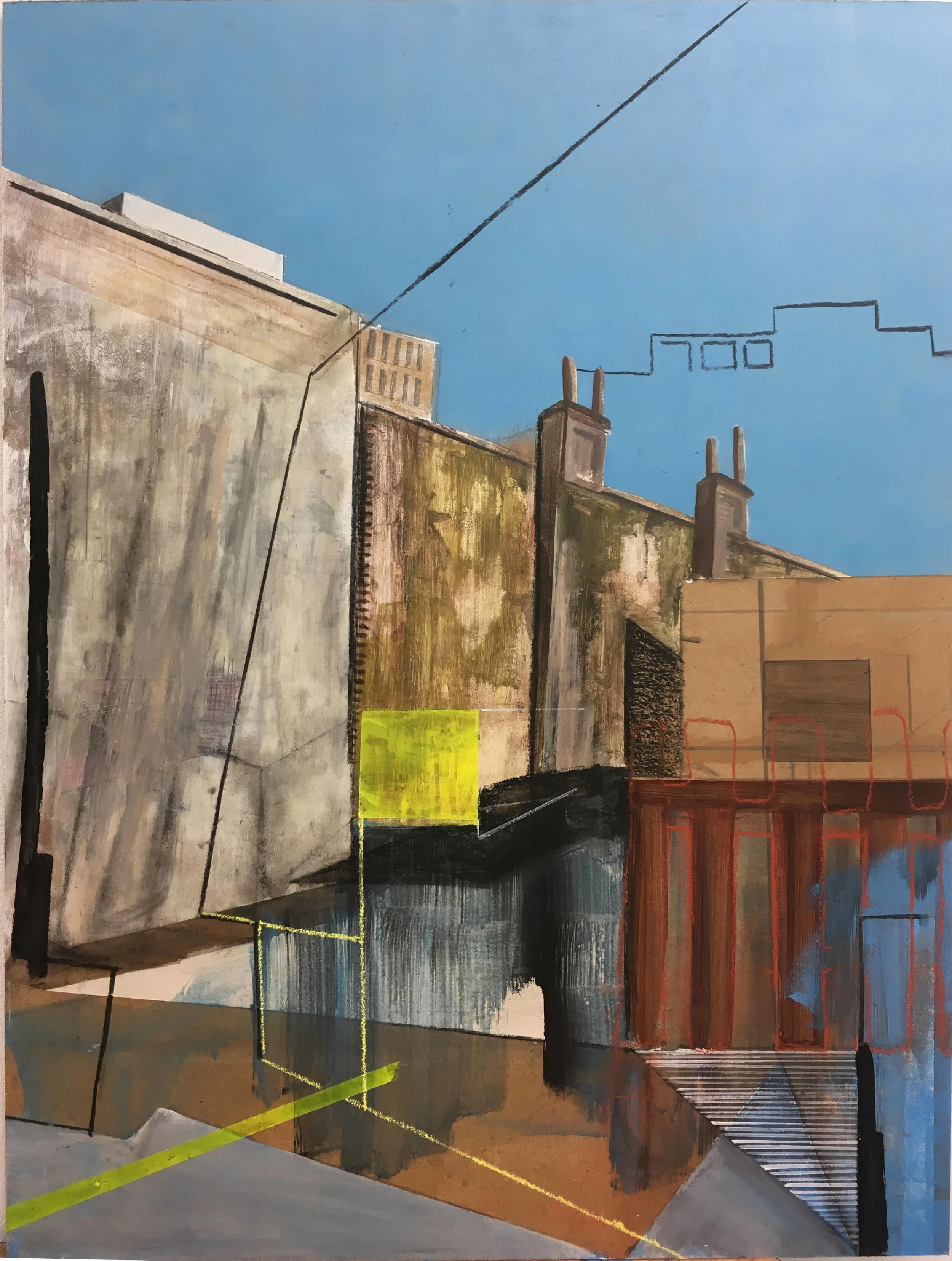
No guest lingers here, which is precisely the point. You can mount a neon-coloured abstraction or a found-object assemblage without committing your whole hallway to the look. Australian interior designers often call this the "powder moment", the chance to do something a little cheeky, a little off-script, that visitors remember long after they have forgotten the kitchen island.
It also helps that the foot traffic is low. Unlike a hallway where a child, a kelpie and a robotic vacuum will collide with your frame by morning, a powder room sees only occasional elbows and closed doors. That makes it the perfect home for delicate paper works, intricate textile pieces or anything framed behind glass. Pick art you genuinely love, even if your mother-in-law wouldn't, because the audience is small and the impact is concentrated.
Picking work that survives steam and shrugs off splashes
Humidity is the silent killer of art in Australian bathrooms. Anything hung above an unvented loo will cop a fine mist, particularly in coastal homes around Byron or the Mornington Peninsula where sea air already adds moisture to the mix. Stick to oils, acrylics and prints sealed behind acrylic glazing, and avoid original watercolours or loose charcoal unless the room has an extraction fan running each visit.
Material choice matters as much as medium. A piece on cotton rag will cockle in a steamy environment, while a work on aluminium composite or sealed plywood will hold its shape year after year. If you are shopping at a market like the Finders Keepers in Sydney or a weekend design fair in Collingwood, ask the artist directly about the substrate and any varnish they have used. Most studio artists will happily tell you whether their work is powder-room friendly, and many will offer a resin coat for a few extra dollars.
Sizing and placing the work in a tight footprint
A common mistake in Australian powder rooms is hanging something tiny above the basin, then wondering why the room still reads as a builder's white box. The opposite works better: one oversized piece, hung low and centred, will make the walls feel deliberate. Aim for art that fills between sixty and seventy per cent of the wall's width, which in most compact loos means a piece around 60 to 80 centimetres wide.
Eye level in a powder room is closer to seated eye level, so think about where someone actually looks when they sit down. Centring the work at roughly 130 to 140 centimetres from the floor tends to feel right, especially if you are pairing it with a mirror. If you have inherited a slightly crooked heritage home in Adelaide or Hobart, embrace the wonk, level the frame to the floorboards rather than to the skirting, and let the room feel loved rather than corrected.
Mixing unexpected mediums for personality
Bold art in a powder room does not have to mean loud colours, it means materials that guests do not expect. Try layering a black-and-white photograph against a hand-painted ceramic plate, or a vintage Australian poster above a small shelf of raku pottery. Textiles work too: a framed length of Indigenous-inspired fabric or a stretched woven panel from a maker like those in the Boom Gallery stable in Geelong brings warmth that paint alone cannot.
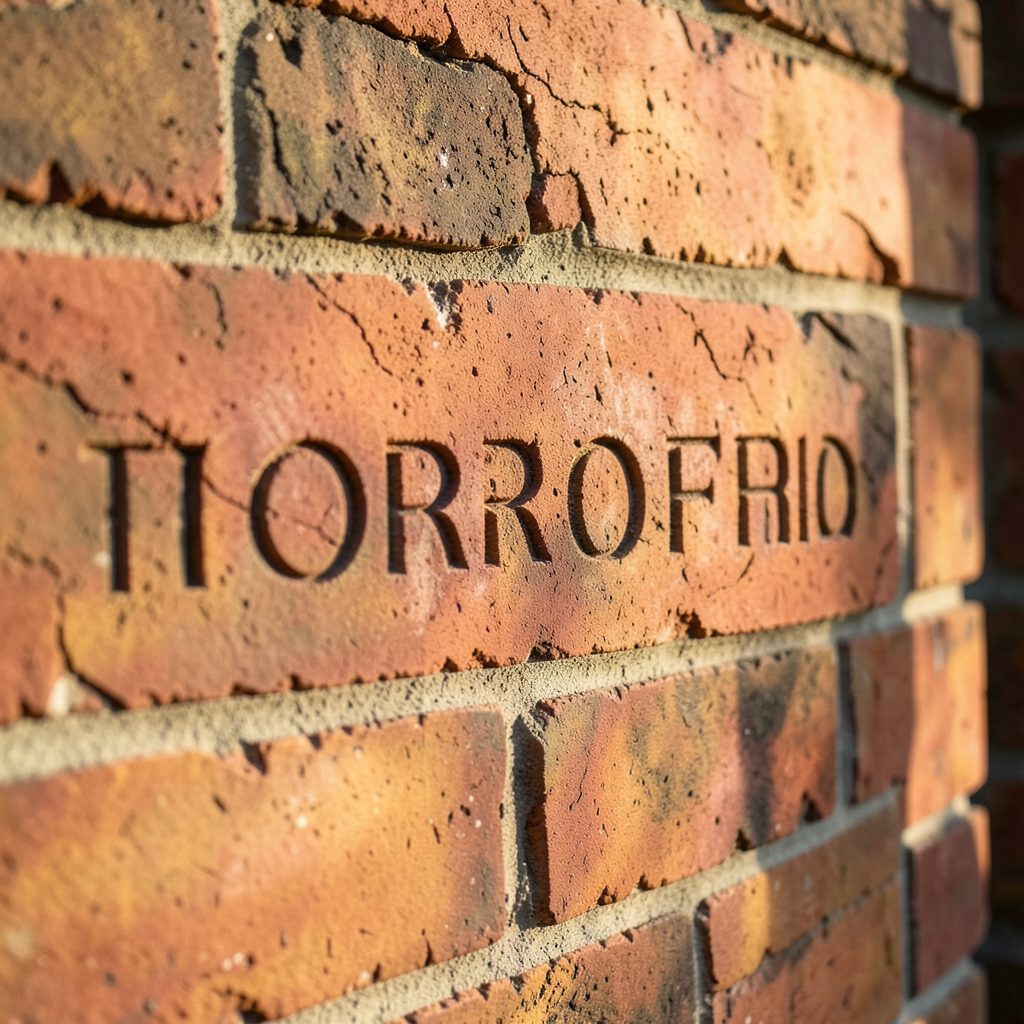
The fun comes from contrast: glossy next to raw, soft next to hard, geometric next to organic. A small concrete tile of a kookaburra above a polished brass towel hook, or a pressed botanical from a Tasmanian forager mounted on raw hessian, can carry more charm than a single expensive painting. If you are after something truly unusual, brick-engraving is having a quiet moment in Australian interiors, with artists etching detailed linework into recycled bricks that hold up beautifully in unconditioned spaces.
Sourcing work that feels local and lived-in
Australian art does not have to mean investment-grade canvas from the NGA shop or a print from the Sydney Contemporary circuit. The best powder-room pieces often come from independent makers at weekend markets in Newtown or design stalls at The Strand Arcade, where you can meet the artist, hear their story and negotiate a fair rate. Even chain stores like IKEA at Tempe and Marsden Park now stock limited-edition prints from local designers, often for under fifty Aussie dollars.
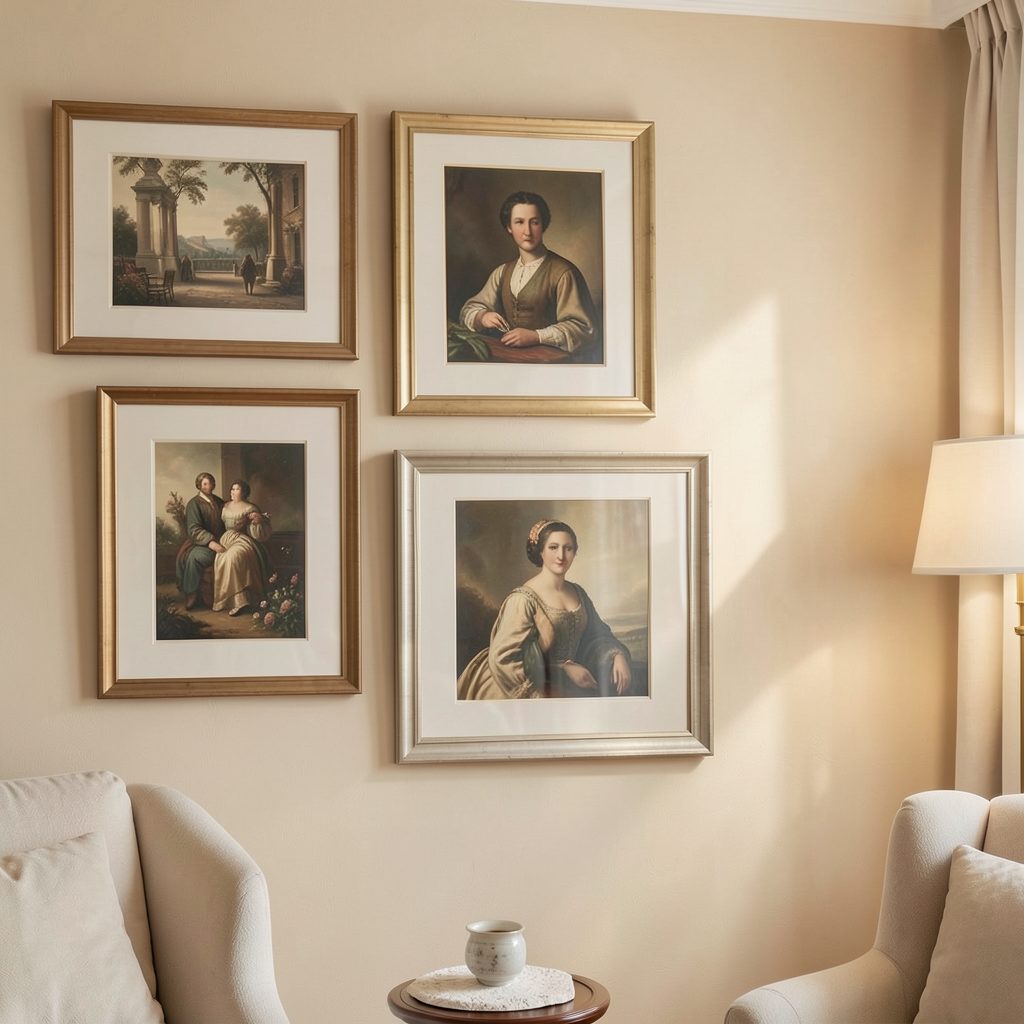
For a more curated route, browse smaller Australian galleries online and in person, particularly the ones that show emerging artists with works under a grand. Keep an eye out for pieces that carry their own gallery-labels when displayed, a reminder that the work came from somewhere real and travelled somewhere worth remembering. That provenance is what turns a powder room from decorated to considered.
Pulling the look together without overthinking it
Once the hero piece is hung, resist the urge to crowd the walls. A powder room reads best when one work anchors the space and everything else plays a quiet supporting role. Swap the standard chrome toilet roll holder for a matte black one, drape a small hand-loomed towel in a complementary tone, and let the bench hold a single vessel of hand wash rather than a cluttered tray of products.
If the rest of your home leans minimalist, treat the powder room as a tiny departure from that language, a place where the rules relax. The principles of styling-a-minimalist interior still apply, even when the art is loud: edit hard, anchor with one piece, and let negative space do its job. A powder room that makes guests actually smile when they close the door is the one they will remember long after they have forgotten the rest of the house.
When you are ready to make the swap, start with one piece that genuinely stops you in your tracks, measure twice, and let the rest of the room follow. Subscribe to Focus LDN for more ideas that turn small spaces into the most memorable rooms in the house.