Creating A Gallery Wall With Square Frames For A Clean Look
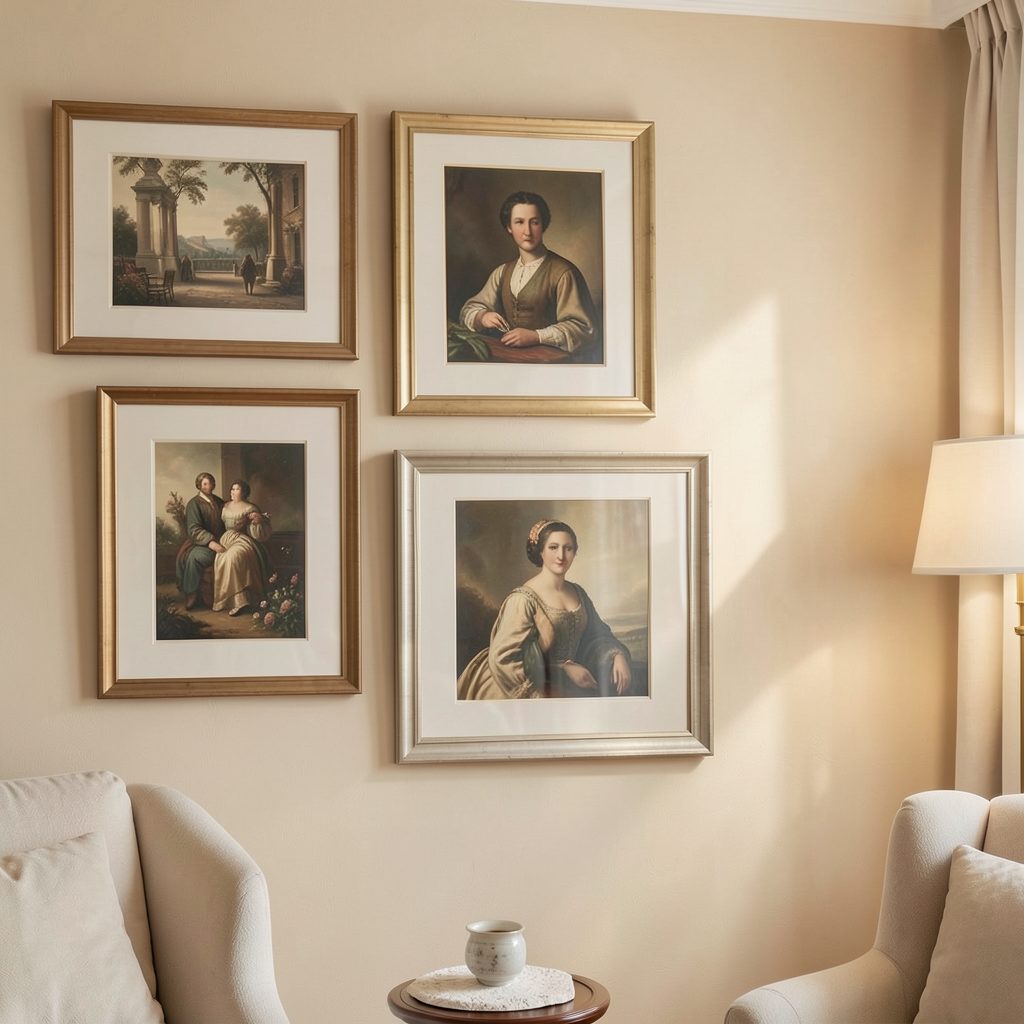
A gallery wall made entirely from square frames brings order to a room without making it feel bare. The repeated shape creates a calm visual rhythm, while the artwork inside each frame can add colour, personality and a sense of movement. This approach works especially well in apartments, where a clear arrangement can make a compact wall feel intentional rather than crowded.
Square frames are also practical for Australian homes. They suit narrow hallways in Melbourne terraces, open-plan living areas in Brisbane apartments and bright bedrooms in Perth homes. With careful spacing, suitable hardware and a restrained palette, the display can feel polished while still reflecting the people who live there.
Choose A Clear Visual System
The cleanest square-frame gallery walls usually rely on one consistent element: identical frames, a shared mat colour or a limited artwork palette. You do not need every print to match. Black-and-white photography, line drawings, abstract art and small paintings can sit together when their scale and presentation feel related.
Decide whether the wall should blend into the room or act as its focal point. Black frames create definition against white or pale walls, while oak and natural timber soften a minimalist interior. For a particularly quiet result, use matching white mats and leave generous space between the artworks. Browse this gallery wall inspiration for ways to balance repetition with personality.
Before buying art, photograph the wall and note nearby furniture, windows and lighting. A gallery wall should relate to the sofa, console or bed beneath it rather than float independently. In rental apartments, this early planning also helps reduce unnecessary holes.
Measure The Wall And Room
The ideal centre of a gallery wall is usually around eye level, with the midpoint sitting roughly 145 to 155 centimetres from the floor. Adjust this when the display hangs above a sofa or bed: leave approximately 15 to 25 centimetres between the furniture and the lower frames so the arrangement feels connected without becoming cramped.
Take account of Australian light. Strong north-facing windows can create glare on glass and fade delicate prints, particularly in sunny Sydney, Adelaide or Darwin rooms. Use UV-filtering glazing for valuable artwork, position reflective surfaces away from direct sun and consider blinds that soften afternoon brightness.
Scale matters as much as symmetry. A small wall may suit four or six square frames, while a long hallway can carry a wider grid. Keep the outer edges visually aligned with the furniture below. A display that is too narrow can look accidental, while one that extends far beyond the furniture may dominate the room.
Plan The Layout Before Hanging
Lay the frames on the floor and test several arrangements. A strict grid gives the most architectural effect, while a looser block retains the clean square format but feels more relaxed. Use paper templates taped to the wall to check proportions before drilling, especially when the wall is made from plasterboard.
Keep the gaps consistent, usually between five and ten centimetres. Smaller gaps create a dense, editorial appearance; wider gaps give each image more breathing room. Measure from the outer frame edges rather than the artwork, since frame profiles can vary by several millimetres.
| Arrangement | Best For | Suggested Spacing | Visual Effect |
|---|---|---|---|
| Four-square block | Small entry or bedroom wall | 6–8 cm | Compact and balanced |
| Two-by-three grid | Sofa wall or dining area | 7–10 cm | Structured and substantial |
| Wide horizontal row | Hallway or low console | 8–12 cm | Calm and architectural |
| Asymmetrical square cluster | Eclectic living room | 5–9 cm | Relaxed but cohesive |
If the wall needs extra function, consider combining framed art with a narrow ledge nearby rather than disrupting the grid. A floating shelf guide can help you add books, ceramics or a small plant while keeping the square frames as the main feature.
Select Frames And Artwork
Frame choice determines whether the display looks curated or improvised. Matching square frames are the safest option for a minimalist gallery wall, particularly when the artwork varies significantly. If you prefer subtle variation, keep the material consistent and change only the finish, such as matte black alongside soft charcoal.
Mat boards are useful when prints have different dimensions or visual weight. A wide white mat gives a small image presence inside a larger square frame, while a narrow mat produces a stronger, more graphic effect. For colour, select two or three recurring tones from the room rather than trying to match every cushion and accessory.
The local art market offers plenty of accessible options, from Australian photography and native botanical prints to affordable editions by emerging artists. Look at independent print studios, weekend design markets and gallery shops in cities such as Brisbane, Melbourne and Sydney. A considered mix of local imagery and personal photographs will feel more meaningful than a wall assembled from generic posters. For further guidance on proportions and materials, read this frame selection guide.
Install Securely And Respect The Home
Use picture hooks rated for the combined weight of the frame and glazing. Plasterboard anchors are suitable for many apartment walls, but masonry, brick and concrete require different fixings. When renting, check the tenancy agreement and applicable state or territory rules before making holes. In Australia, minor alterations and hanging fixtures can be treated differently across jurisdictions, so written permission may be worthwhile for heavier installations.
Apartments with strata or body-corporate rules may also restrict drilling into shared walls or areas affected by plumbing and electrical services. Avoid placing fixings close to power outlets, switches or concealed pipes. For lightweight frames, removable hanging strips can work on clean, sound surfaces, but test them carefully and follow the manufacturer’s weight limits.
A laser level makes a square grid much easier to align. Mark the centre line first, then work outward, checking both the horizontal and vertical gaps after every frame. Add felt pads to the lower corners to stop movement and protect painted walls. In humid coastal areas such as Cairns or the Gold Coast, choose corrosion-resistant hardware and keep artwork away from damp bathroom walls.
Finish The Display With Restraint
Once the frames are mounted, step back and assess the wall from the main entrance to the room. The arrangement should read as one shape before individual artworks draw attention. If one image feels too dominant, move it towards the centre or replace it with a quieter print rather than adding more decoration around it.
Lighting can make a major difference. Adjustable picture lights or directional ceiling spots highlight the artwork, while warm bulbs create a softer evening atmosphere. Avoid placing hot downlights too close to prints, and use glare-resistant glazing where the wall faces a television or large window.
Dust the frames with a dry microfibre cloth and check the fixings twice a year, particularly after moving furniture or during seasonal humidity changes. Replace a single print when your taste changes, but preserve the grid, spacing and frame finish. That stable structure allows the wall to evolve without losing its clean character.
Build your square-frame arrangement gradually, beginning with the wall, furniture and artwork you already own. Explore Focus LDN for practical display ideas, frame guidance and apartment-friendly styling, then create a gallery wall that feels considered, personal and made for your home.