Choosing artwork for a garden room with rattan furniture
A garden room sits between indoors and out, so its artwork needs to hold its own against woven rattan, changing daylight and the greenery beyond the glass. Rattan furniture already contributes texture, pattern and a relaxed character. Artwork can add the final layer, giving a compact sunroom a focal point and making it feel intentional rather than merely furnished.
Choosing artwork for a garden room with rattan furniture works best when colour, scale and framing respond to the room rather than to a rigid trend. Draw from the actual outlook, then consider how each piece looks from a cane chair, across the room and beside a busy garden. In Australia, strong sun, humidity and distinctive native planting offer useful cues for a selection that feels local.
Read the light before selecting pieces
Visit the room at several times of day and note where the glass creates glare, shadows and hot spots. A north-facing sunroom can be beautifully bright in winter yet fierce under the summer sun, while a verandah-style room may hold softer, filtered light. That variation affects both the mood of a print and the placement of a larger canvas.
Keep original works and valuable prints away from the brightest panes. Strong Australian sunlight can fade pigments and weaken paper, while humid conditions may encourage mould or warping. Use blinds or a clear screen during the hottest part of the day, and leave enough airflow around framed pieces so moisture does not linger.
Build a palette from the garden
Look outside before opening a catalogue. Silver-green eucalyptus, warm ochre earth, the pink of banksia and the red of bottlebrush can become a restrained palette without making the room feel themed. These locally familiar colours also sit comfortably beside honey-toned rattan and pale timber.
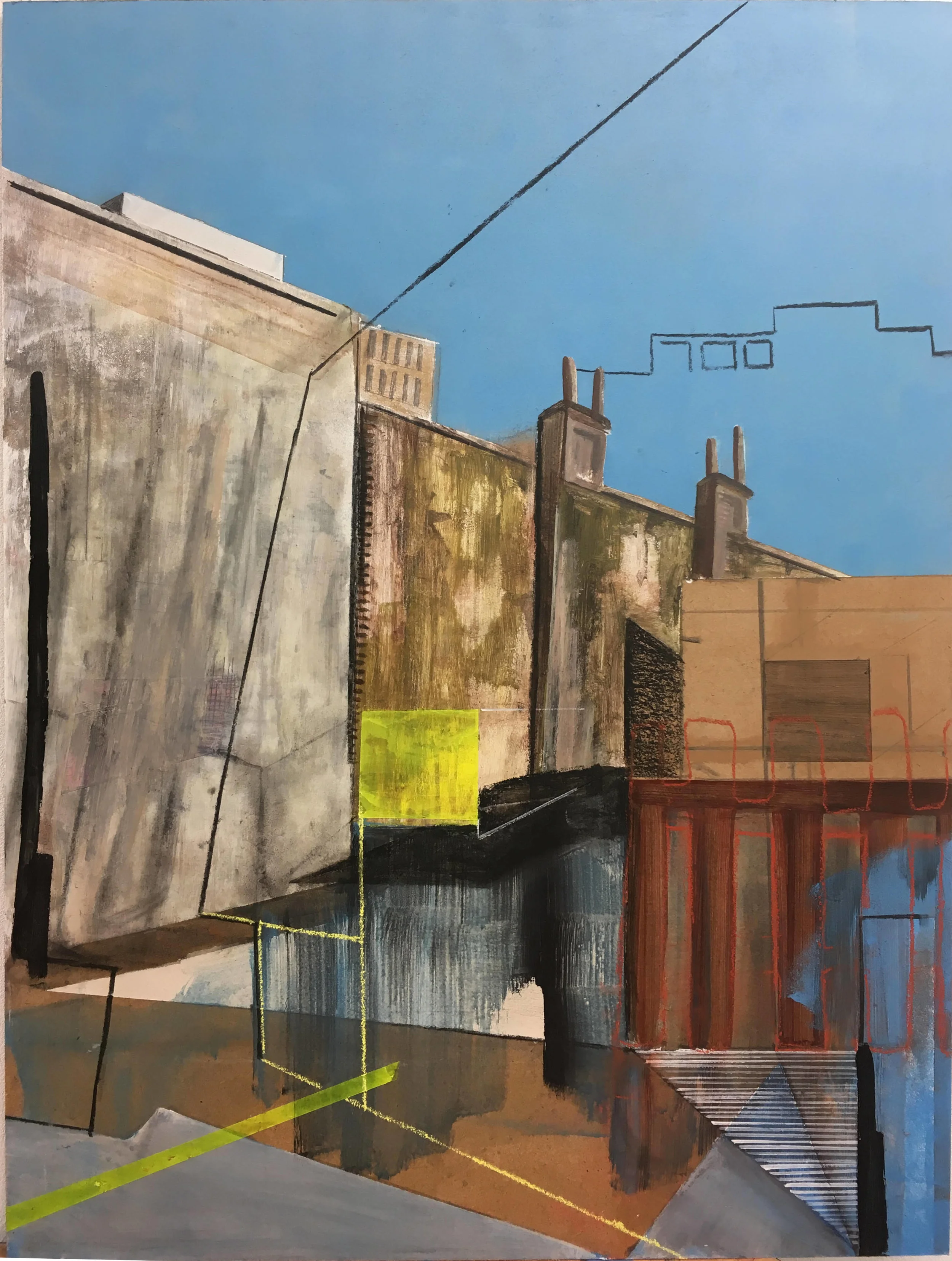
Translate the view rather than copying it. A minimalist art print built from soft sage, sand and charcoal may suggest a landscape without illustrating every plant, while a bold abstract can pull the eye away from a specific view. Test small colour samples against the chair, floor and walls in daylight, as artificial light can make warm neutrals look unexpectedly grey.
Balance woven texture with the frame
Rattan has plenty of visual detail, so frames should usually be calm and well proportioned. Natural timber continues the organic character; a slim black frame gives graphic contrast; an off-white moulding can brighten a dim room. Avoid ornate frames that compete with the furniture’s intricate weave.
The frame also needs to suit the artwork’s format. A broad white mat gives a small print breathing space, while a floating timber frame suits a clean photograph or minimal drawing. If you are working with inexpensive paper art, framing DIY prints offers practical options for sizes and materials.
Glazing matters in a sunroom. UV-filtering acrylic or museum glass reduces exposure to rays, and a good mount protects the paper from touching the glazing. In a humid Australian room, archival-quality materials, even spacing and careful cleaning help prevent spotting; leave the artwork’s location as a defence against direct heat as well.
Scale artwork to the furniture and walls
Measure before buying, using centimetres as Australian sellers generally do. For artwork above a sofa or console, a useful starting point is around two-thirds of the furniture’s width. Above a rattan lounge chair, a single portrait or small group can work better than a wide canvas that overwhelms the open frame.
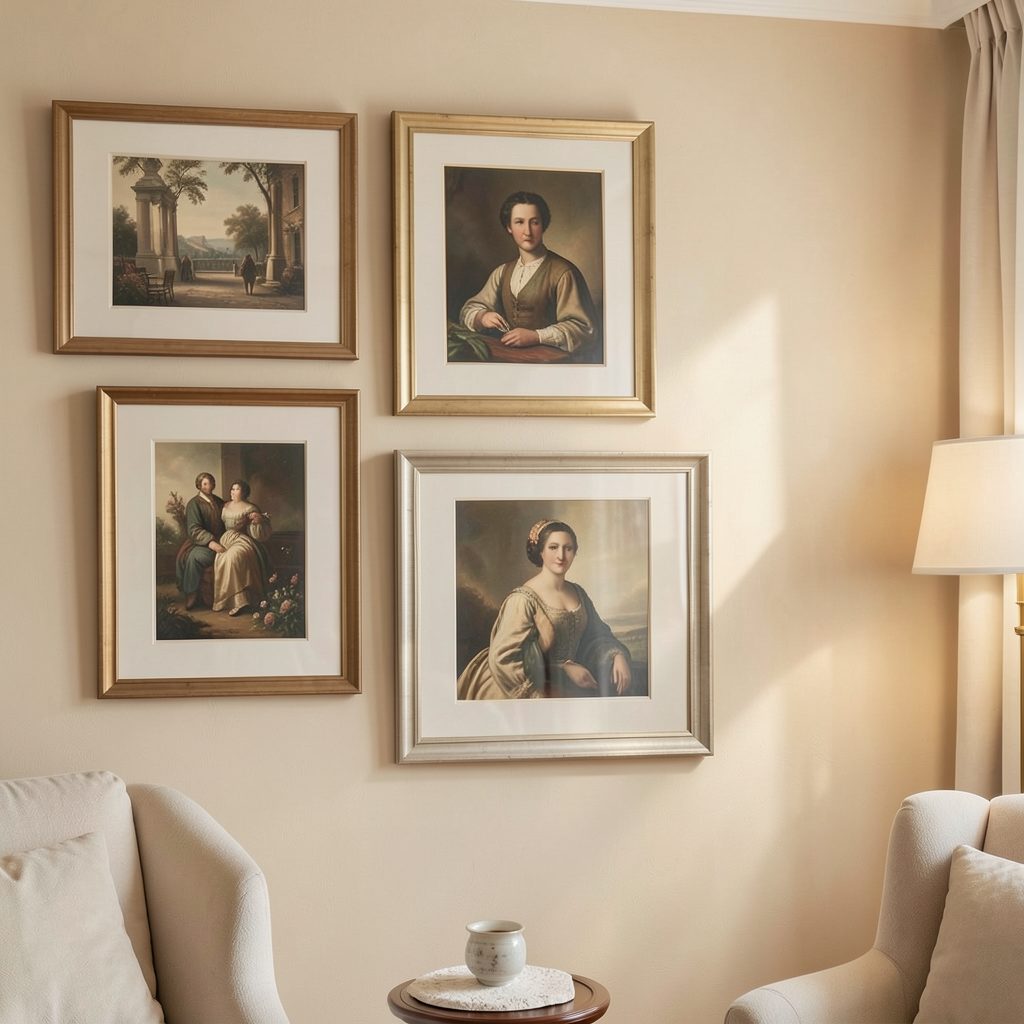
Set the bottom of the frame roughly 15 to 25 centimetres above the back of a sofa, adjusting for the sightline from the room. For a minimalist gallery wall, keep the edges about 5 to 8 centimetres apart and align the top or centre lines. A standard A2, A1 or A0 print is often easier to frame and move than an unusual size.
Choose a subject that rewards a second look
Botanical wall art is an obvious fit, but the best garden-room pieces are not always literal. Landscape photography can capture the changing light around a verandah; abstract forms can echo leaves and shadows; a quiet still life can bring calm to a small multipurpose space. The subject should give the rattan setting a new rhythm rather than repeat what is already outside.
Think about what you want the eye to do. A calm, pale piece can make a compact apartment sunroom feel larger, while one saturated artwork may work as the room’s unmistakable anchor. If several pieces share the wall, keep the frames related but vary their dimensions so the arrangement feels collected, not shop-floor uniform.
Buy art from Australian artists and local makers
Start with the strong local network of galleries, artist studios and weekend markets in Melbourne, Sydney, Brisbane and smaller regional towns. Many artists make prints specifically for domestic spaces, and gallery staff can advise on paper, framing and UV protection. Online Australian marketplaces are useful for comparing original work, limited editions and ready-to-frame sizes before visiting a gallery in person.
Budget for the whole display, including a mat, frame, glazing and delivery. A local op shop or auction may provide a vintage cane chair that inspires the colour scheme, while a modest print gives you freedom to experiment. If you already own the rattan, bring measurements or a photograph to the gallery; choosing the art first and fitting the furniture later can be expensive.
Layer the room and make it personal
A rug can anchor woven furniture and soften the transition from indoor flooring to the garden view. Choose a washable natural-fibre option for an enclosed sunroom, and let its pattern remain quieter than the artwork. This guide to choosing rugs explains how scale, pile and colour affect the final look.
Before the final hang, use this compact decorating checklist:
- Choose two or three colours already present in the garden or rattan.
- Make the largest piece the anchor, then add smaller works with balanced spacing.
- Protect paper art from direct sun and select UV-filtering glazing.
- Check every work in daylight and from the main seating position.
Bring one chosen piece into the room before committing to a group of five or more; scale and colour often shift under real light. Keep the arrangement generous enough for the furniture to remain part of the composition, and repeat one colour in the rug or cushion to make the display feel connected.
Subscribe to Focus LDN for fresh gallery-wall and home-decorating ideas, then choose an artwork you love and make the garden room unmistakably your own.