Quiet Walls: Best Art Subjects for a Calm Bathroom Retreat
Across Australia, the bathroom has quietly shifted from a purely functional space into a personal sanctuary. Renovated terraces in Fitzroy and Brunswick now feature freestanding tubs beside exposed brick, while new apartments in Bondi and Surfers Paradise layer stone, timber and soft linen to evoke a coastal day spa. This shift invites a question once reserved for living rooms and hallways—how should art be chosen for a room defined by steam, soap and quiet light?
The answer lies in selecting subjects that calm the eye and tolerate humidity. A gallery-style bathroom, with its restrained palette and considered placement, behaves almost like a meditation room. Below is a practical guide to restful subjects, along with framing, layout and care advice suited to Australian conditions.
Coastal horizons and soft seascapes
Few subjects settle the mind faster than a wide, washed horizon. When decorating a home, many Australian coastal residents draw the palette from the shoreline visible outside—soft creams, drifting greys and the palest seafoam. Prints that echo these tones work beautifully above a vanity or along a long wall, suggesting openness without imposing a busy focal point.
Local painters and photographers capture this atmosphere with restraint. Look for works that lean into negative space: a single breaking wave, an empty jetty, a horizon line drawn across the upper third of the frame. Avoid high-contrast beach scenes with saturated umbrellas; the eye keeps moving when it should rest. A muted coastal print invites the gaze to drift gently outward, the way a window might.
Native botanicals and earthy still life
Australian native flora brings a grounded, almost meditative quality to small rooms. Eucalyptus, banksia and wattle appear in everything from archival botanical studies to contemporary still-life paintings. When rendered in muted ochre, sage and stone, these subjects feel both familiar and quietly decorative—never loud, always tactile.
A heritage botanical study of a banksia pod or a soft watercolour of gum leaves pairs naturally with the matte tiles and timber vanities popular in renovated Queenslander bathrooms in Brisbane and Hawthorn. Botanical subjects also age well visually; the muted palette means you can refresh surrounding towels and fittings without clashing. Choose archival prints on cotton rag or sealed canvases to withstand the occasional splash.
Abstract washes and minimalist forms
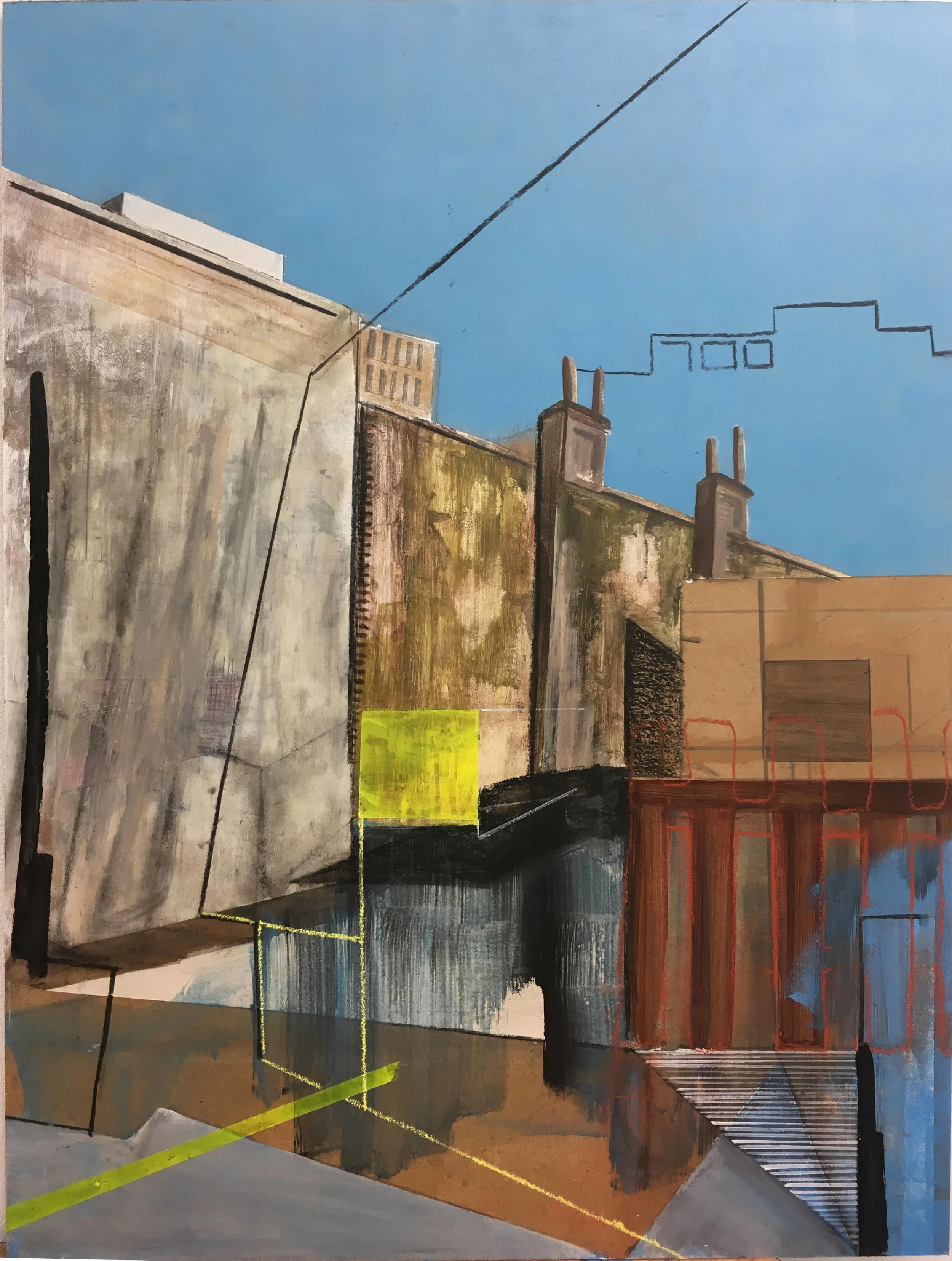
Abstract art, when stripped of dense detail, behaves like a soft exhale in a bathroom. Large-format pieces that dissolve into gradient washes—pale eucalyptus, faded clay, washed indigo—offer colour without narrative. These subjects suit minimalist interiors where every other surface is architectural, allowing the art to provide the only movement in the room.
For a clear comparison between popular subjects, the table below weighs mood, durability and styling considerations.
| Subject | Mood produced | Humidity care | Best frame | Light needs |
|---|---|---|---|---|
| Coastal seascapes | Open, airy, restful | Glass-fronted to protect paper | Pale timber or brushed brass | Bright, even light |
| Native botanicals | Grounded, earthy, warm | Sealed canvas or acrylic face | Walnut or natural oak | Soft ambient |
| Abstract washes | Calm, modern, minimal | Canvas or aluminium print | Thin black or white box | Directional spots |
| Monochrome photography | Reflective, sophisticated | Glass with UV filter | Slim black or chrome | Adjustable spots |
This comparison helps match subject to specific bathroom conditions. A north-facing ensuite in Perth may suit a brighter coastal print, while a windowless powder room benefits from the soft glow of an abstract gradient behind glass.
Photography with quiet light
Black and white photography belongs naturally in a calm bathroom. Long-exposure seascapes, soft-focus botanical studies and architectural abstracts all read as contemplative when stripped of colour. Australian photographers working in this style often favour coastal stone, eucalypt forest interiors and abstract shadows, subjects that echo the textures already present in a tiled room.
When hanging photography, treat the frame as part of the composition. A pale, slim frame lets the image breathe; a darker frame grounds the piece. For deeper insight into darker frame choices, Using black frames explains how slim black profiles sharpen photographic subjects without overwhelming them. Hang the photograph where it will not be splashed directly, ideally opposite the shower or above the toilet rather than beside the basin. If the room is small, a single oversized piece reads better than a cluster of small frames, keeping the wall calm and uncluttered.
Planning the layout and frame choices
The right frame does more than finish an artwork; it sets the tone of the entire room. Slim pale timbers suit coastal and botanical subjects, while a thin black box frame sharpens abstract washes and monochrome photography. Many Australian framers in Sydney and Melbourne offer sealed backing and UV-protective glass suited to humid rooms, and a quick conversation with a local framing workshop can prevent warping over time.
Before drilling any holes, planning your layout on paper saves both walls and artworks, particularly in tiled bathrooms where mistakes are costly. A few practical habits keep a bathroom gallery looking its best:
- Ventilate the room after showers by opening a window or running the extractor, as Queensland and northern NSW homes trap humidity that warps paper over time
- Choose sealed canvases, aluminium prints or works behind glass rather than raw paper prints
- Hang pieces on the wall opposite the shower rather than directly beside it
- Rotate prints seasonally if you prefer a fresh look, treating the bathroom like a small exhibition space
- Match the frame finish to existing tapware—brushed brass for warm palettes, chrome for cooler greys
The right subjects, hung thoughtfully, transform a bathroom from a place of routine into a true retreat. Start with one piece that genuinely calms you, give it space to breathe, and let the rest of the room follow. Explore Focus LDN's journal for more guidance on building a serene, gallery-inspired home from the front door to the ensuite.