Best Art Styles for a Mid-Century Modern Living Room
A mid-century modern living room thrives on balance: clean lines, warm timber, practical furniture and carefully chosen colour. Artwork gives this restrained setting its personality, whether you prefer an expressive abstract canvas, a quiet landscape or a sharply edited collection of prints.
For Australian homes, the right art style also responds to local light, room proportions and everyday living. A bright Sydney apartment, a leafy Melbourne terrace and an open-plan Brisbane home may share mid-century influences, yet each benefits from a different approach to scale, colour and display.
Abstract Art With Organic Movement
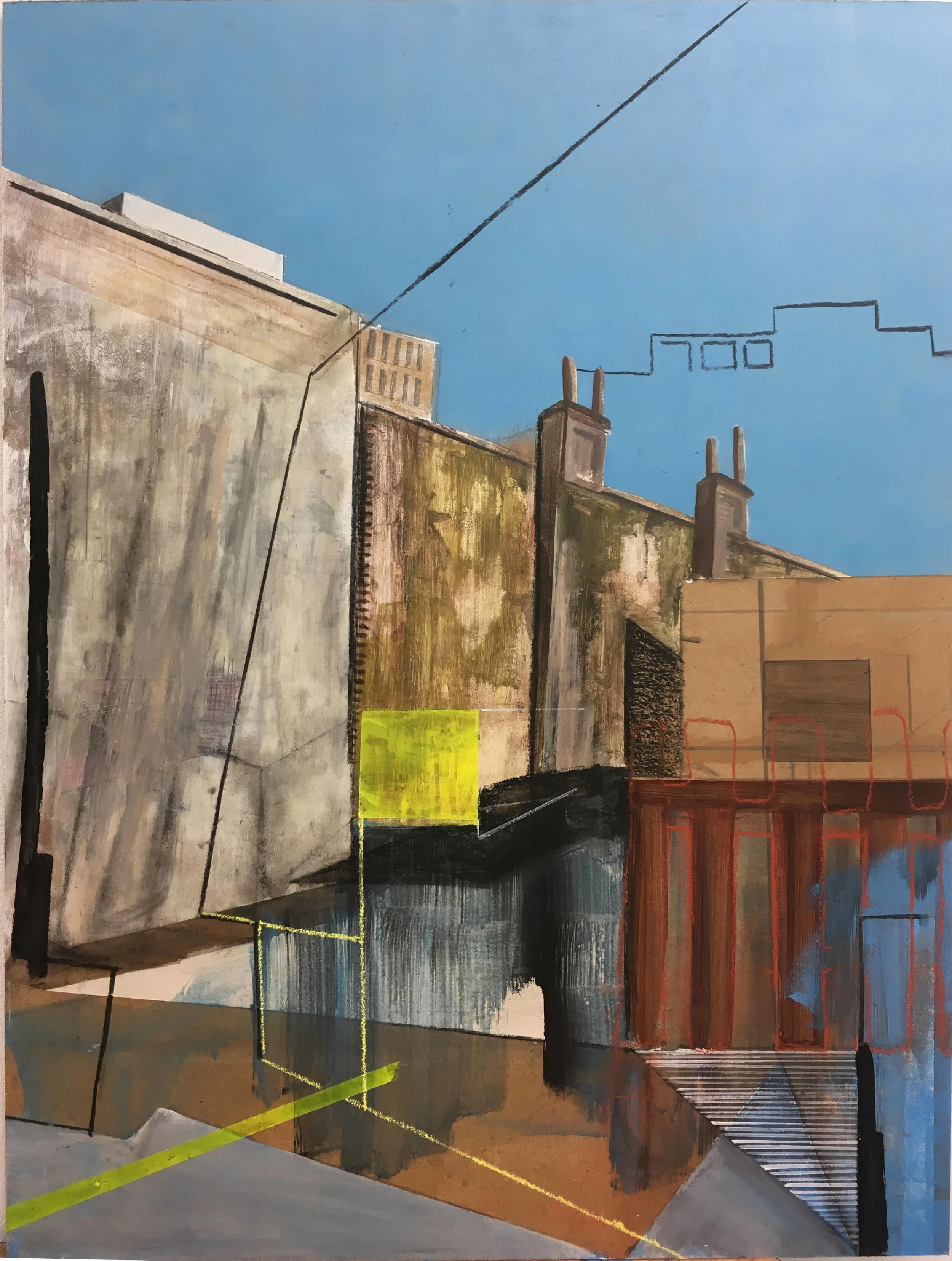
Abstract art is a natural match for mid-century interiors because it echoes the period’s interest in simplified shapes and expressive form. Look for paintings with curved lines, blocks of ochre, rust, olive, cream, black or muted blue. These colours complement teak, walnut, leather and boucle upholstery without making the room feel overly coordinated.
Choose a piece with some visual movement rather than a rigid geometric composition if your furniture already has strong angles. A loose brushstroke or layered shape can soften a boxy sofa, rectangular coffee table and linear shelving unit. For a quieter room, select a restrained abstract artwork with plenty of negative space.
Australian Landscapes And Coastal Scenes
Australian landscape art can bring a strong sense of place to a mid-century living area. Gum trees, dry grass, coastal cliffs and hazy horizons work especially well when represented with simplified forms and a limited palette. A contemporary interpretation will feel more integrated than a highly detailed traditional scene.
Consider the landscape visible from your own suburb. A pale coastal work may suit a Perth or Adelaide home, while eucalyptus greens and earthy browns can connect beautifully with a Canberra or Melbourne setting. Avoid matching the artwork too closely to the view outside; a slightly different season or colour temperature creates more depth.
Graphic Prints And Bauhaus Influences
Graphic art suits homeowners who enjoy order and visual clarity. Bauhaus-inspired compositions, modernist posters and typographic prints can reinforce a room’s architectural character, especially above a low sideboard or streamlined sofa. Their crisp lines pair well with Danish furniture, sculptural lighting and open shelving.
Use repetition carefully. Two or three related prints in varied sizes can create rhythm, while a single oversized graphic work feels more confident. If you rent in Australia, lightweight frames and removable hanging systems may be practical, although alterations to walls can require landlord approval under state or territory tenancy rules.
Line Drawings And Figurative Work
Minimal line drawings introduce human character without overwhelming a carefully edited room. Faces, hands, silhouettes and botanical forms add softness to the straight edges associated with mid-century design. Black ink on warm white paper is especially effective beside timber furniture and neutral upholstery.
For a more collected look, combine one figurative drawing with a small ceramic object or timber sculpture. Keep the surrounding wall relatively open so the artwork can breathe. In a compact Melbourne apartment, one large drawing may create greater impact than several small pieces competing for attention.
Photography With A Quiet Point Of View
Black-and-white photography, architectural studies and understated documentary images suit the thoughtful simplicity of mid-century interiors. Look for photographs featuring strong shadows, repeated windows, modern buildings or natural textures. A restrained image can act as a visual pause between bolder furniture and accessories.
Australian photography offers plenty of relevant material, from desert roads to suburban architecture and ocean pools. Check the paper finish before buying: matte surfaces reduce glare in rooms with large windows, a useful consideration in bright northern-facing spaces and sunny Queensland homes. Archival printing is worthwhile when the work will be exposed to intense daylight.
Sculptural And Textural Artwork
Art does not have to be flat. Ceramic wall pieces, woven fibre panels, carved timber, metal reliefs and small sculptural objects add dimension to a mid-century scheme. These materials work particularly well where the room already has a limited colour palette and needs texture rather than another pattern.
A sculptural piece can also bridge the gap between art and furniture. Place a low ceramic form on a credenza, or hang a textured panel above a reading chair. If your home has an open-plan layout, repeated natural materials can connect the living zone with the dining area without making both spaces look identical.
Gallery Walls With Mid-Century Discipline
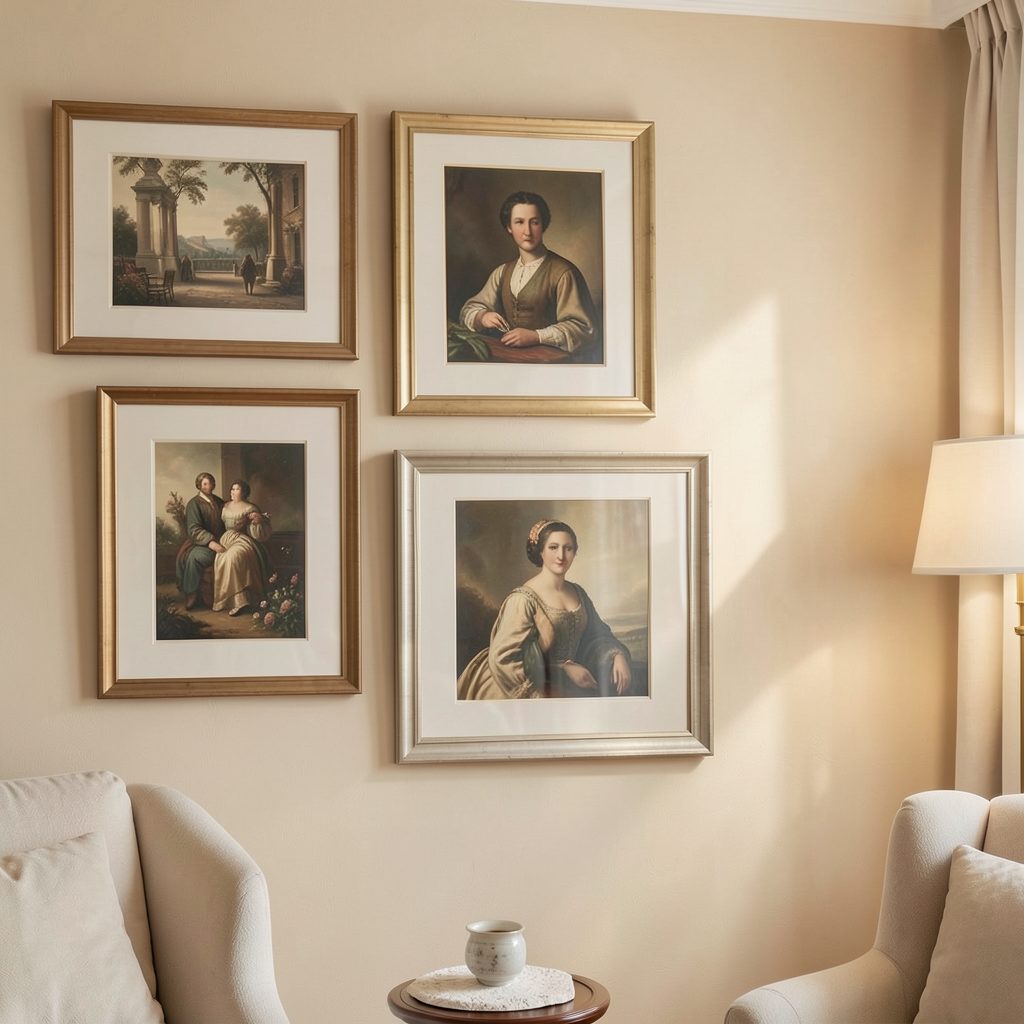
A gallery wall can work beautifully in this setting when it is edited rather than crowded. Start with one anchor piece, then add smaller works that share either a colour, subject or frame finish. A mixture of abstract art, photography and line work will feel cohesive when the spacing and outer edges are controlled.
Black, walnut, natural timber and slim brass frames are reliable choices, though using one frame style throughout creates the cleanest result. Before drilling, arrange paper templates on the wall and assess the composition from the sofa. For practical guidance on building a considered collection, this gallery wall guide offers a useful starting point.
Practical Choices For Australian Homes
Australian living rooms often combine strong sunlight, ceiling fans, air conditioning and informal entertaining. Choose glazing and paper suited to the conditions, and keep valuable works away from direct afternoon sun. In coastal areas, humidity and salt air make stable framing and sealed finishes especially sensible.
Local art fairs, independent galleries and online Australian print studios can make sourcing easier, while buying from emerging artists supports the local creative market. Remember that artworks and reproductions may involve copyright obligations under Australia’s Copyright Act 1968; buy authorised prints and do not scan or reproduce images without permission. When decorating a nearby bathroom or compact utility space, consider the practical guidance in this small bathroom vanity guide before extending your display into areas with moisture.
A Considered Selection For Your Room
- Choose one dominant artwork before adding smaller supporting pieces.
- Repeat two or three colours from the room’s timber, upholstery or rug.
- Prefer UV-protective glazing for works near bright windows.
- Check rental, strata or body-corporate rules before fixing art to walls.
- Leave enough empty wall space for each piece to remain legible.
The strongest mid-century living rooms feel collected over time rather than decorated in a single shopping trip. Begin with the artwork that gives you an emotional response, then build around its colours, scale and texture. Explore independent Australian artists, frame each work carefully and let your living room develop a display with character, balance and lasting appeal.