Small Bathroom Vanity Upgrades That Look Custom
A bathroom vanity often takes up more visual space than its footprint suggests. In a compact room, the cabinet, mirror, lighting, hardware, and countertop form one concentrated design moment, so small changes can have an unusually polished effect.
The goal is not to make the vanity look expensive for its own sake. A custom appearance comes from thoughtful proportions, consistent finishes, concealed clutter, and details that appear chosen for the room rather than added afterward.
You can create that impression without replacing every fixture. A refined faucet, better storage, a framed mirror, or a carefully selected wall color may be enough to turn a standard builder-grade vanity into a distinctive feature.
Start With Proportions
Before buying hardware or paint, assess the vanity’s scale against the room. A bulky mirror above a narrow basin can make the wall feel crowded, while a tiny mirror surrounded by empty space may appear accidental. The mirror should generally be wider than the sink bowl but comfortably narrower than the vanity or available wall section.
Pay attention to visual weight as well as measurements. A slim floating cabinet suits a minimalist bathroom, while a furniture-style vanity can bring warmth to a traditional or eclectic space. If the cabinet feels too plain, changing the legs, adding a recessed toe-kick, or fitting a thicker-looking countertop edge can make its proportions feel more deliberate.
Build A Better Base
Cabinet fronts create the strongest impression of quality. If replacement doors are within budget, choose simple slab, Shaker, or reeded fronts with consistent spacing. A fresh coat of moisture-resistant paint can achieve a similar transformation when the existing doors are structurally sound. Sand, prime, and seal carefully so the finish remains smooth around handles and edges.
A floating vanity can make a small bathroom feel larger by exposing more floor, while tapered legs give a freestanding cabinet a lighter furniture-like presence. For a quick upgrade, install a decorative filler panel on exposed sides. It hides unfinished gaps and gives the cabinet the appearance of having been built specifically for the wall.
Storage should receive equal attention. Use drawer dividers, narrow bins, and pull-out organizers to keep daily products contained. When countertops remain clear, even a modest vanity reads as more luxurious and intentional.
Coordinate Finishes
A custom-looking vanity rarely relies on a single dramatic material. It usually combines two or three finishes with enough contrast to create depth. Consider warm oak with brushed brass, painted navy with aged bronze, or pale stone with matte black hardware. Repeating one finish in the faucet, mirror frame, towel hooks, and light fixture helps the room feel connected.
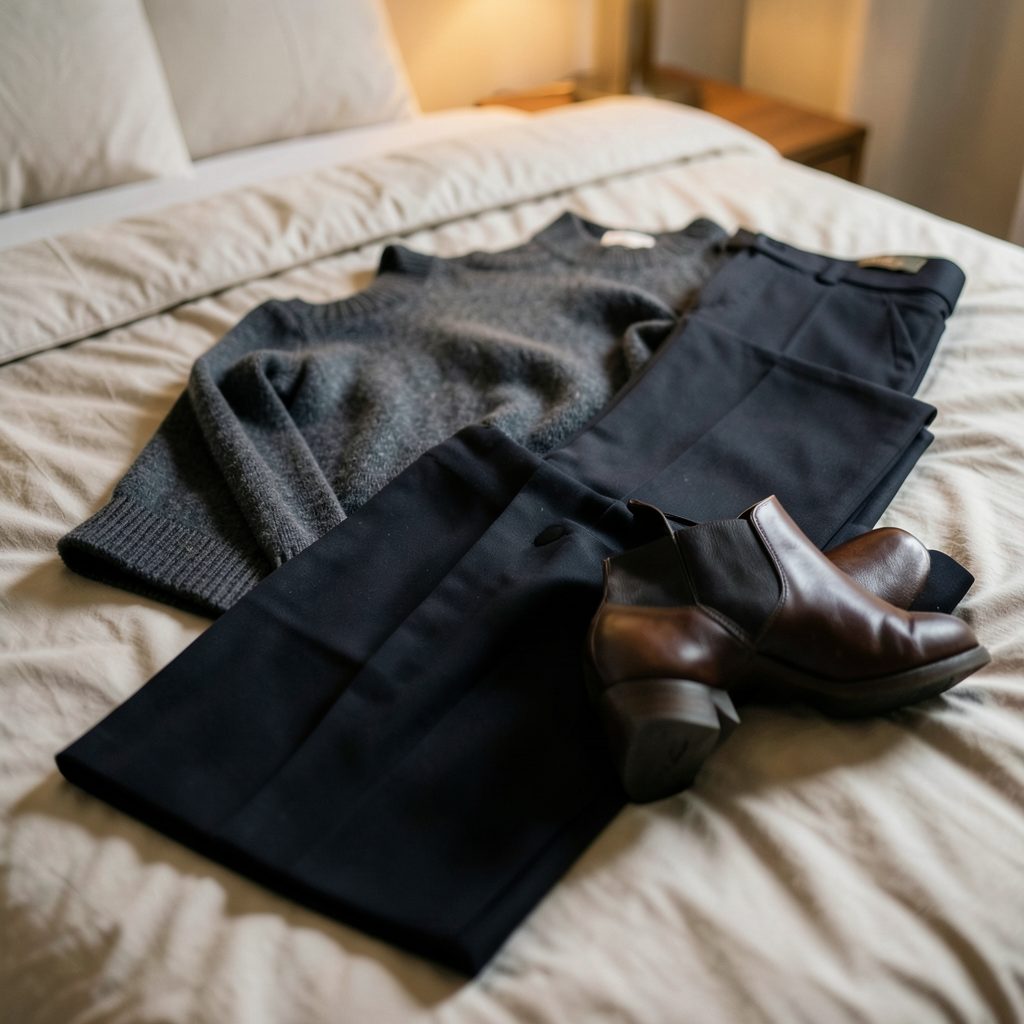
For a white bathroom, the mirror frame can add the color and texture the cabinet lacks. These white-wall frame colors offer useful direction when deciding between wood, black, metallic, or painted frames. The best option should relate to existing flooring, wall art, or cabinetry rather than stand alone.
Keep undertones consistent. Cool gray tile can clash with yellow-toned wood, while warm beige walls may make bright chrome feel stark. A small sample board with paint, tile, hardware, and countertop swatches can prevent expensive mismatches.
| Upgrade | Best for | Custom effect | Installation effort |
|---|---|---|---|
| New cabinet hardware | Fast visual change | Makes doors feel intentional | Low |
| Framed mirror | Blank or builder-grade walls | Adds furniture-like character | Low to medium |
| Floating shelf | Limited storage | Introduces styled vertical space | Medium |
| Integrated lighting | Dark vanity areas | Creates a tailored, architectural feel | Medium to high |
| Side panels or trim | Exposed cabinet edges | Hides gaps and adds structure | Medium |
| Stone or wood countertop | Worn or generic surfaces | Gives the vanity a finished focal point | High |
Bring In Light And Art
Lighting can make a standard vanity feel custom because it changes how every finish is perceived. Wall sconces placed at face height provide more flattering illumination than a single ceiling fixture. If wall wiring is impractical, a slim picture light or rechargeable fixture can add a decorative layer above a framed mirror.
Choose bulbs with a warm-neutral color temperature and strong color rendering. This keeps skin tones natural and allows paint, tile, and artwork to appear as intended. Frosted shades soften glare, while opal glass brings a classic architectural quality to a compact space.
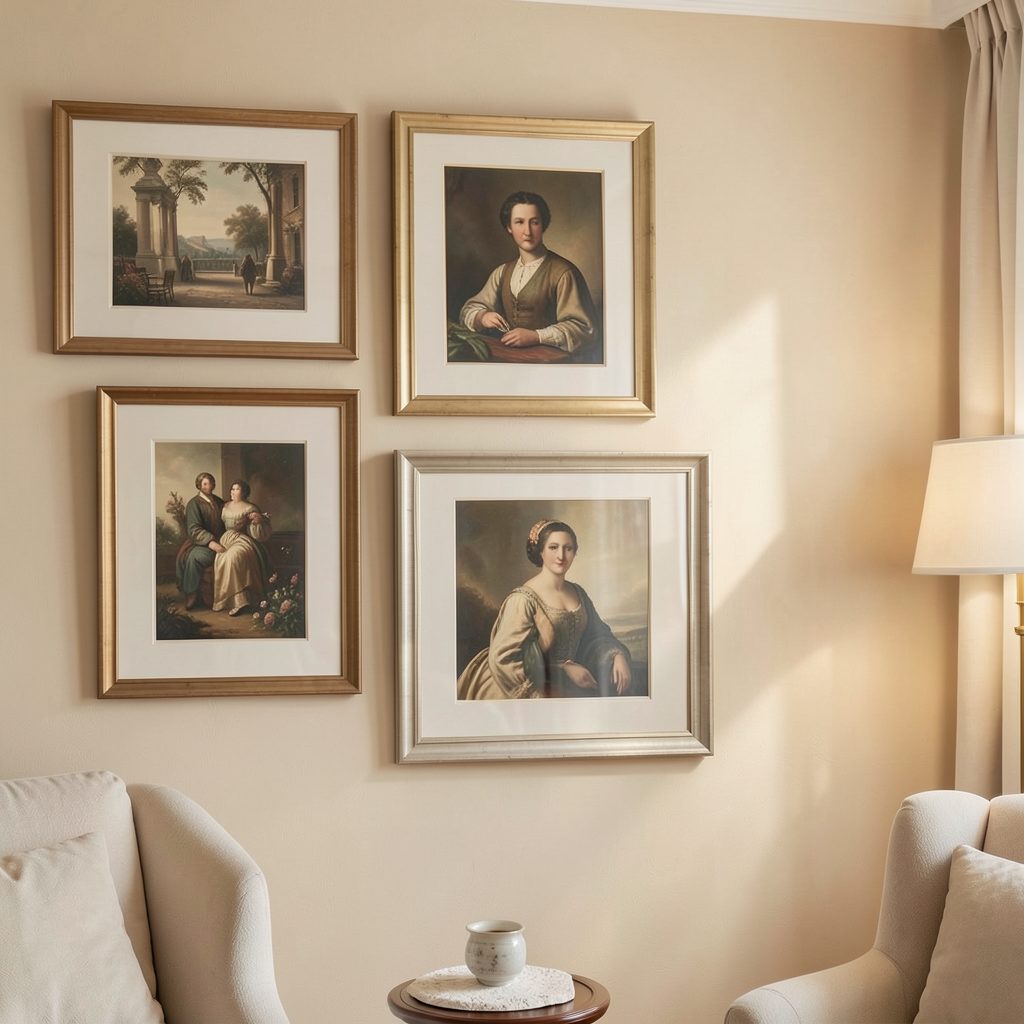
Small artwork can also elevate the vanity zone, provided it is protected from direct splashing and excessive humidity. A botanical print, abstract study, or small gallery-style arrangement works well above a shelf or on an adjacent wall. For a polished result, use an artwork matting guide to select a mat that gives the piece breathing room without overwhelming the room.
Use The Countertop Intentionally
The countertop should support the vanity’s character rather than compete with it. A pale quartz surface keeps a small bathroom bright, while honed stone adds softness and depth. Wood-look surfaces can warm a stark scheme, but they need appropriate sealing and careful protection around the faucet and basin.
If replacing the counter is not practical, focus on the edge and accessories. A thick cutting board-style tray, a ceramic soap dispenser, and a low-profile catchall can make the surface look composed. Choose containers in one material family, such as ribbed glass, stoneware, or metal, instead of collecting unrelated bottles.
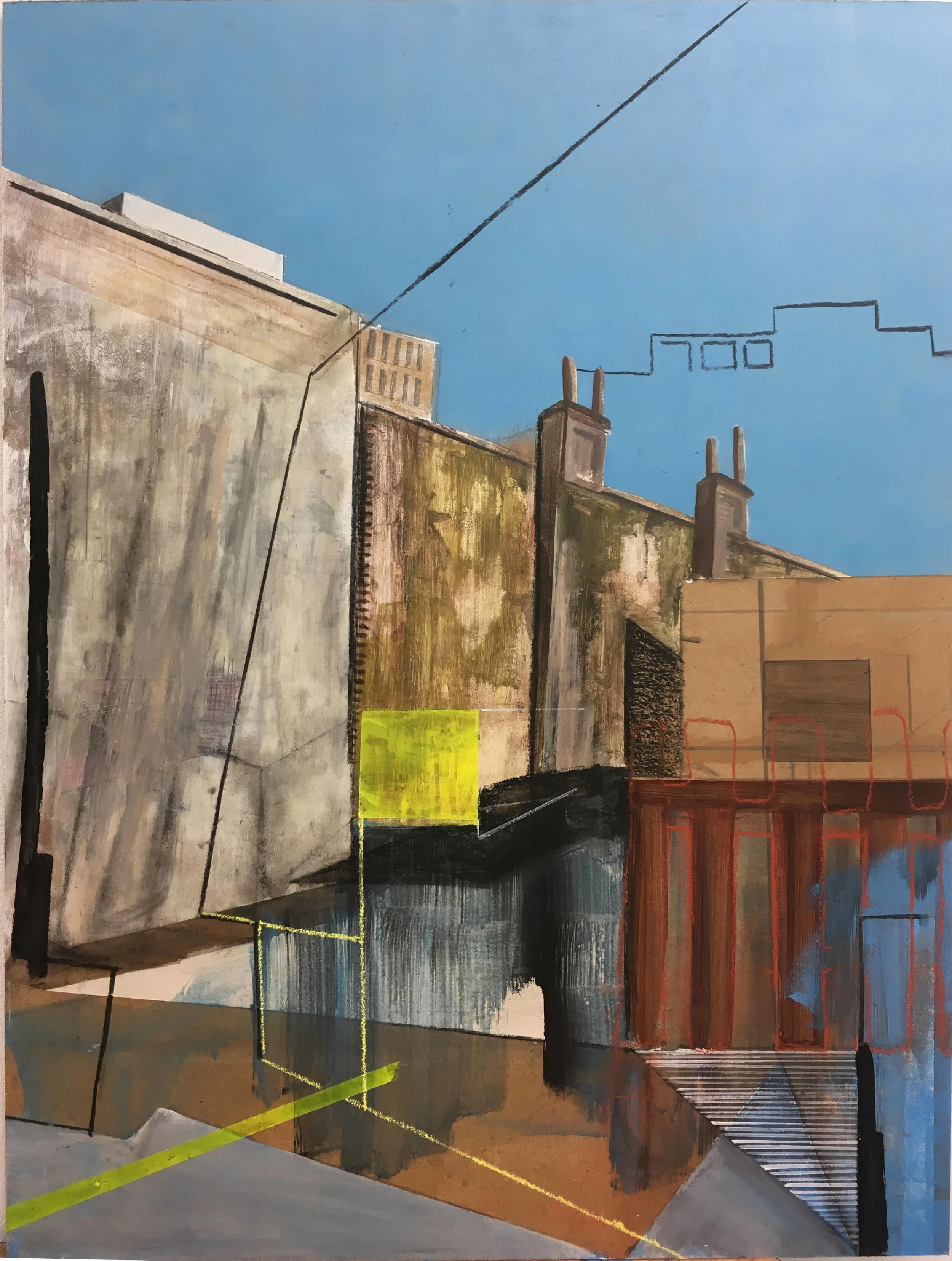
Color is especially important in a compact room because every visible element contributes to the overall palette. Use a cohesive color palette to connect the vanity with towels, wall paint, tile, and decorative objects. Repetition creates the impression of a planned installation even when the components were purchased separately.
Edit The Final Details
Hardware is a small investment with a major visual payoff. Longer pulls emphasize horizontal lines on wide drawers, while compact knobs suit narrow doors and traditional cabinetry. Replace all visible pieces at once so the spacing, shape, and finish remain consistent. Measure existing hole centers before ordering, especially if you want to avoid drilling new openings.
The faucet should relate to the cabinet hardware without needing to match perfectly. Mixing finishes can look sophisticated when one finish clearly leads and the other appears as an accent. For example, brushed nickel plumbing can sit comfortably with a dark-framed mirror and aged brass light if the color story is repeated elsewhere.
Finish the area with one practical decorative element: a folded hand towel, a small vase, or a simple framed print. Leaving some negative space is just as important as adding accessories. A quiet countertop and carefully edited wall make the vanity feel designed rather than decorated.
A Short Shopping List
Prioritize upgrades that improve both appearance and everyday use. The following pieces offer strong visual impact without requiring a complete bathroom renovation:
- Coordinated cabinet pulls or knobs
- A framed mirror scaled to the vanity
- A narrow tray for soap and daily essentials
- Warm-neutral LED bulbs or a decorative wall light
- One moisture-resistant artwork or sculptural accent
Purchase samples whenever possible, especially for paint, metal finishes, and countertop materials. View them in morning and evening light before committing, since bathroom lighting can change colors dramatically.
A custom effect comes from restraint. Select a few upgrades that reinforce the same style, then give each one enough space to be noticed. Begin with the vanity’s proportions, layer in useful improvements, and finish with details that reflect the rest of your home.
Choose one visible change today—new hardware, a better mirror, or a more considered light—and use it to shape the rest of the room. For more apartment-friendly decorating ideas and artwork display inspiration, subscribe to Focus LDN’s email updates.