Artwork Ideas for the Wall Behind a Freestanding Bathtub
The wall above a freestanding tub does more work than almost any other surface in an apartment. It is the one thing you look at while you soak, from a position lower than anywhere else in the house, half a metre or so below the eye line of someone standing at the basin. Art hung there has to hold up at an unusual angle: foreshortened, tilted back, lit from the side rather than front-on, and often the only thing catching the eye while bubbles and steam do the rest.
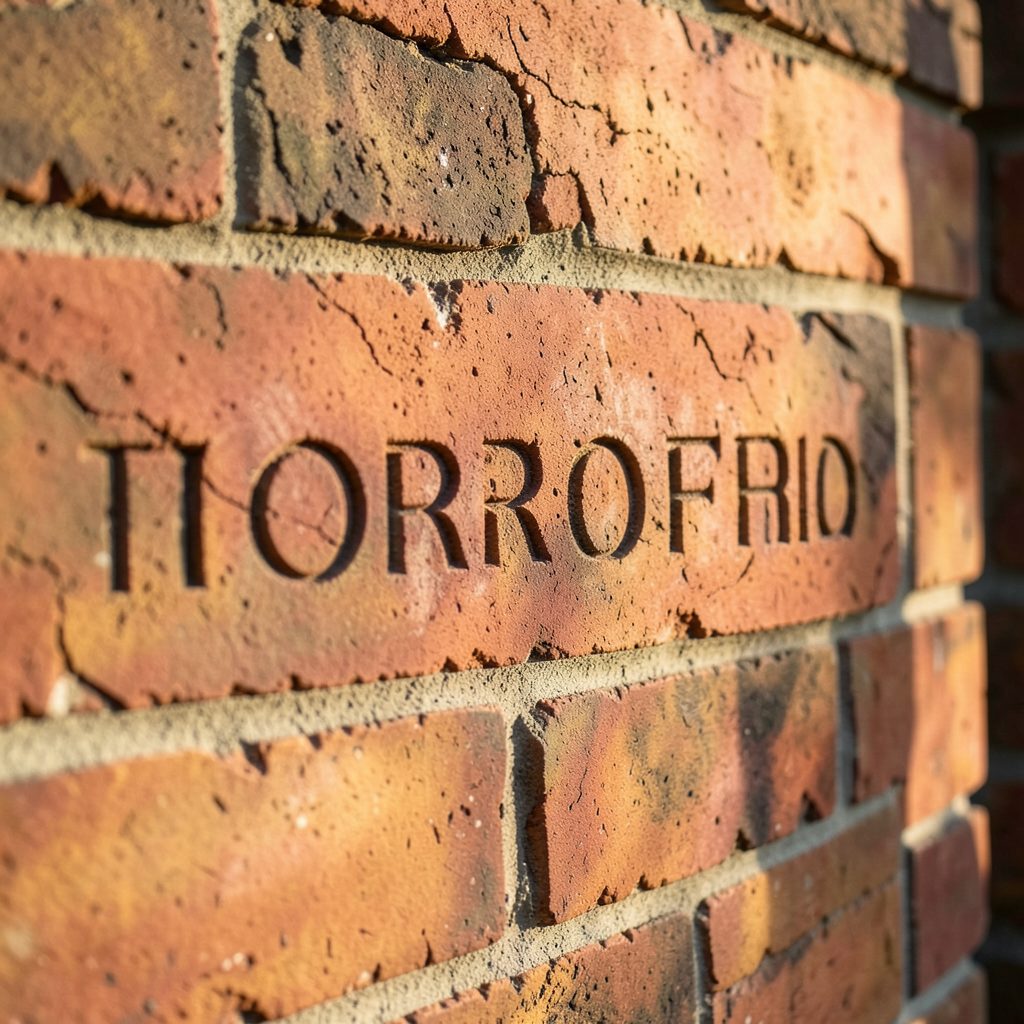
Australian apartments complicate the picture further. A tub in a converted Melbourne warehouse might sit against original brick and a black steel window; a Brisbane new-build often pairs a white oval with a full-height porcelain stack; a Sydney harbour flat may have floor-to-ceiling glass a metre behind the tub's edge. What reads as a blank wall in the listing is usually a specific colour, a specific grout and a specific tapware finish.
Humidity is the other factor people underestimate. Steam, salt and hard water leave their mark, and the wrong frame choice shows up within a year as cockling paper, rust blooms or a mouldy backing board. Plenty of pieces survive a wet bathroom because they were chosen with that room in mind from the start.
The good news is that a feature wall over a tub is genuinely forgiving. It is one of the few places where a single large canvas can carry a room alone, where a small series can look deliberate rather than busy, and where an oversized botanical print reads as a mural instead of a reproduction. What follows covers proportions, materials, local sourcing, and the small practical and legal realities of fixing art to a wall in a body corporate apartment.
Reading the tile, the grout and the tapware
Start with the surface you already own, because it sets the palette before you spend a dollar. Glossy handmade-look subway tile in warm off-white asks for something with soft edges — a watercolour, a line drawing, a botanical study. A single slab of veined marble competes with any busy composition, so a calm, tonal piece sits better. Vertical stacking draws the eye upward, useful when the tub is low and the ceiling high; horizontal tile makes a narrow ensuite feel wider.
Tapware is the tie-breaker. Brushed brass and unlacquered copper lean warm. Matte black and brushed nickel lean cool and industrial. Matching the frame finish to the tap finish is the fastest way to make an affordable print look considered, and it costs nothing beyond a trip to a local framing studio in a city you already live in.
Account for what interrupts the wall: a niche, a mixer plate, a towel rail, a window or a ledge. A triptych or a pair of diptych panels can wrap around a mixer and read as one work. A tall, narrow piece fits the strip of wall between a niche and a corner, and in a tight apartment bathroom that verticality is often the only sensible option.
Choosing a format that suits the room
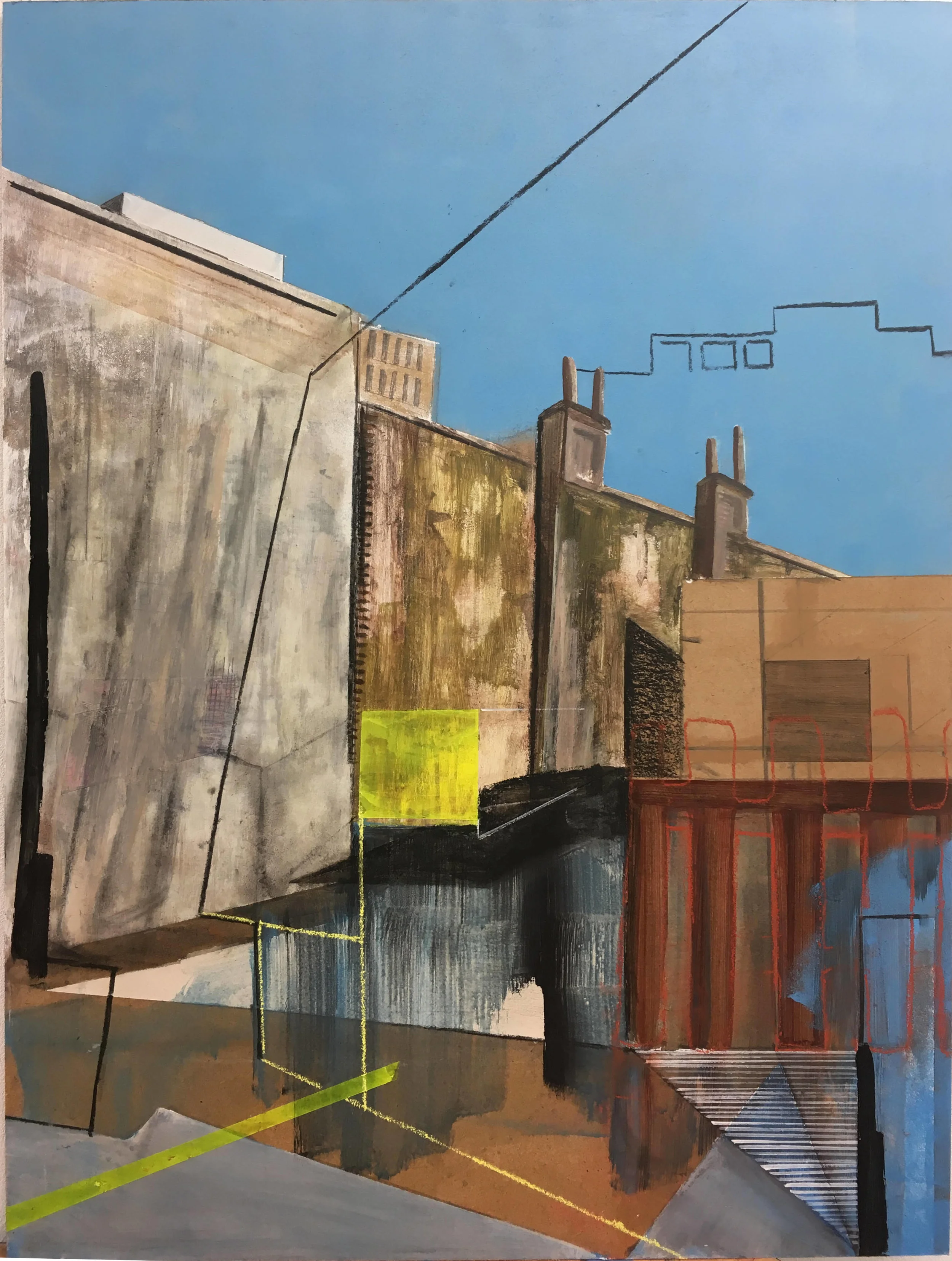
The reclined viewpoint changes the rules of composition. Fine detail disappears at that angle, so a piece needs enough contrast, colour weight or scale to register from a metre and a half away. A single oversized canvas — 90 by 120 centimetres or larger — reads with confidence from the bath and anchors a small room without any fuss.
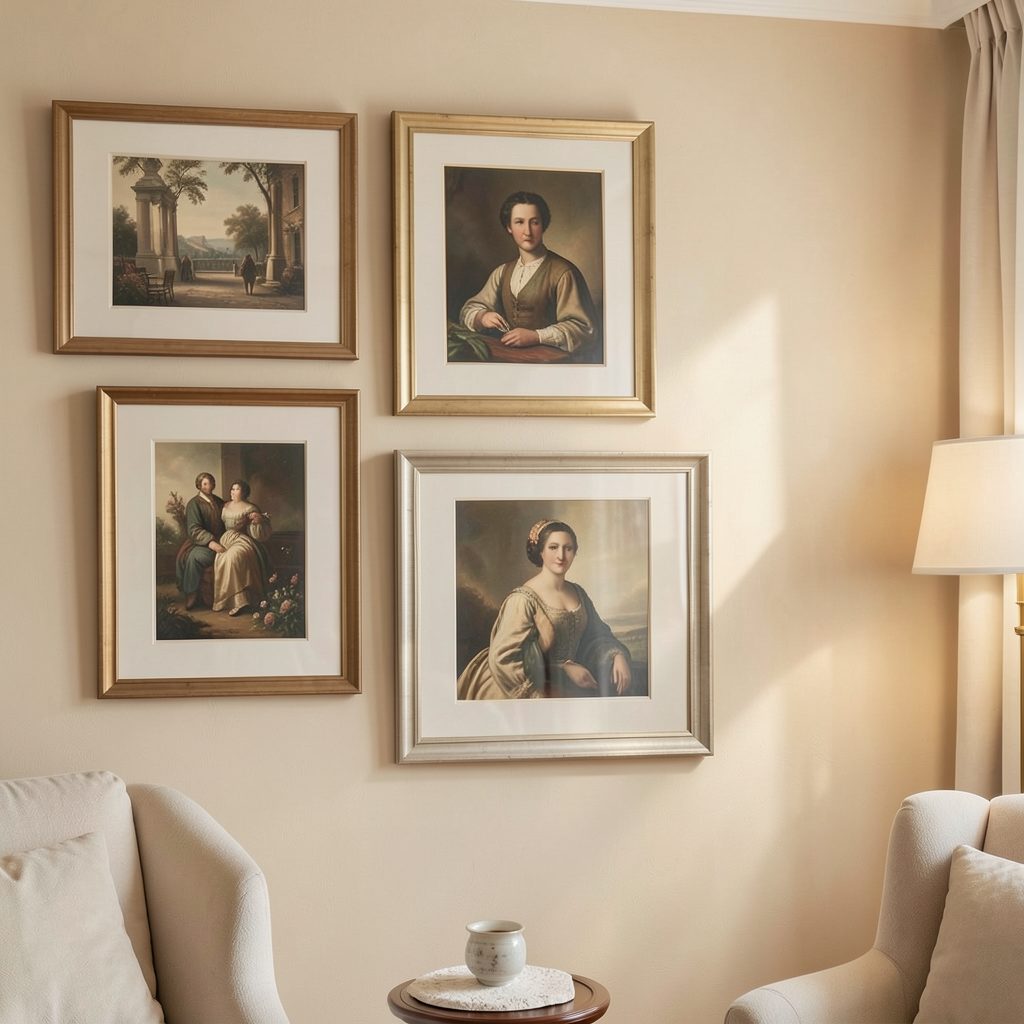
Where the wall is genuinely wide, a salon-style hang of six or eight smaller works creates rhythm and a sense of curation. Keep the gaps consistent, roughly five centimetres for a tight grid and closer to eight for a relaxed one, and align the bottom edges rather than the centres. A triptych sharing a horizon, or a diptych of related landscapes, reads as one artwork while giving you room to change your mind later.
Monochrome photographs of Australian coastline — Sydney's sandstone coves, the Great Ocean Road, the ochre of Uluru — work unusually well here, because tonal contrast survives steam, glare and a tilted viewing position. Hold the palette to three colours and let one dominate, and resist the urge to add a fourth accent that has no relationship to the tile.
Prints and materials that survive a wet room
Steam is the first filter. Paper, even heavy cotton rag, will cockle and lift in a permanently humid room, so choose a giclée print on canvas, a stretched cotton or linen canvas, a metal panel print, or a mounted print behind acrylic glazing. Acrylic also blocks UV, which matters in a west-facing Perth or Melbourne bathroom that takes the full afternoon sun and pushes surface temperatures up sharply.
Frames need sealed joins, a solid back board and a moisture-resistant finish. A simple timber frame with a painted or stained surface is perfectly fine and will not be harmed by condensation the way untreated MDF edges can swell and shed. Skip anything unfinished, and skip very deep frames that trap air against the wall.
Watercolour and line art are the safest subjects for a humid room; dense oils and heavy black pigment can bloom. If you are ordering prints, we have written about the best online places to buy affordable editions and Australian prints — worth reading before checkout, particularly to check the paper weight, whether the work arrives stretched or rolled, and how returns work under Australian consumer law when a rolled print turns up creased.
Lighting, mirrors and the clutter worth removing
Lighting does for a feature wall what a choker does for a plain one. A warm LED strip at 2700K, housed in an IP-rated profile and run behind a lip or a pelmet, grazes the surface and washes the texture. Avoid a downlight directly overhead; it creates a hard reflection on acrylic glazing and a hot spot that flattens the work. Dimmers let you run the room at two levels — task lighting for a shave, low glow for a soak.
In a small ensuite, consider replacing a full-width mirror with the art and relocating the mirror to the opposite wall or the side of the basin. If the mirror stays, keep it small and offset it so it competes less. Remove or relocate the towel shelf above the tub, since towels stacked on a shelf break the line of the wall and catch damp.
Australian bathroom builds are regulated under the National Construction Code and the wet area standard AS 3740, with defined waterproofing zones behind the shower screen and around the bath spout. Keep the art clear of required splashback, do not cover or interrupt a waterproofing junction, and avoid fixing anything that penetrates the membrane in a tiled wall. If you are renting, check the body corporate by-laws as well: drilling and fixing into a tiled wall in strata-titled apartments can need written approval, and rules in NSW and Queensland differ on how works are assessed.
Sourcing work by Australian artists
Local subjects carry a tiled bathroom better than anything generic. Native botanicals — banksia, eucalyptus, waratah, a single waratah stem in charcoal — have a natural affinity with white porcelain and warm grout. Painted studies of Australian light on a linen banker or a bare beach are endlessly reprintable in compatible palettes, which makes them a practical choice if you want to swap the print in a few years. Melbourne's print studios and framing workshops, the artist-run spaces that appear around Adelaide's Fringe season, and the small editions released at Sydney Contemporary all produce work suited to this kind of commission, often sold directly.
Where a piece involves Aboriginal and Torres Strait Islander designs, buy through an authorised source: community art centres in the Northern Territory and the South West of Western Australia, or galleries that work under the Indigenous Art Code. Ask about provenance and the artist's permitted reproduction rights, and treat a canvas that reproduces a design without the family's knowledge as what it is.
Independent makers are easy to find, and if you make or sell your own work you can submit your artwork for consideration in the journal. Featuring a local artist is also the quickest way to make a rental feel like yours. A single canvas over the tub in a Bondi or New Farm flat does more for a sense of place than almost any other purchase, and it photographs well for a listing.
A practical checklist before you hang
- Measure the wall rather than the tub, and note the floor-to-tile height, the mixer position, and any window, niche or ledge.
- Photograph the wall from the bath rim with your phone and judge the piece from that image, not from standing height.
- Confirm the work is stretched or mounted and glazed, rather than a rolled sheet of paper.
- Match the frame finish to the tapware and pull one colour from the tile for the mat or background.
- Ask the framer about acrylic glazing, UV filtering and a moisture-resistant backing board; it is a modest addition to the total.
- Check the body corporate by-laws and any renovation approval requirements before you drill.
- Plan the lighting in the same conversation as the art, so you do not end up bouncing a strip light straight off the glazing.
Treat the mounting as a weekend job, the way most Aussies treat a Saturday at the hardware store, and do the measuring twice. A level, centred hang with clean edges will do more than an expensive frame ever could.
Make the bathroom the room guests remember
Choose the wall, choose the piece, choose the framer, and book the installer for the same week. Most of the work takes a single morning, and the change is immediate: the tub stops reading as a leftover fixture and starts reading as the reason the apartment works. If you want more ideas for spaces like this, browse our guides to gallery walls and minimalist interiors, or send in a photograph of your own bathroom and the wall you are trying to solve. We publish the best submissions, and readers are always welcome to share their own arrangements.