Art for a Dark, Low-Ceilinged Hallway
Choosing art for a hallway with no natural light and low ceilings calls for restraint, proportion and a carefully planned glow. Vertical artwork, pale walls and slim frames can make a narrow passage feel taller, while dark tones can absorb what little light reaches the space.
Australian entry halls often double as the first impression of a home, displaying keys, mail and everyday objects alongside a carefully chosen picture. The aim is to create a warm, gallery-like passage without making the limited wall area feel crowded.
Start with the hallway's proportions
In Sydney and Melbourne, compact apartments and narrow converted terraces often have hallways that feel longer than they are wide. Measure the ceiling height, wall length and available hanging space in centimetres, then mark the positions of doors, consoles and light switches before buying anything.
Photograph the corridor from the entrance and view the photograph on a phone. This reveals where the eye naturally travels, whether a feature wall exists and how much space remains around furniture. A large artwork that looks modest on screen may dominate a short hallway.
Aim for one vertical focal point rather than several competing pieces. Leave enough clearance for people to pass without brushing the artwork, and avoid pushing the frame too close to the ceiling, where it can make an already low overhead feel even lower.
Create a lighter visual base
A matte, pale wall colour can reflect the warm glow from picture lights and visually lift the ceiling. Soft white or a lightly tinted neutral works well in a dim corridor, while a satin finish offers a subtle glow without the harsh shine of gloss paint.
Continue the wall colour onto the ceiling where practical. The uninterrupted surface removes visual breaks and creates the impression of greater height. A narrow mirror placed opposite the artwork can introduce reflected light, but keep its shape simple so it supports rather than competes with the display.
For more practical decorating guidance, explore Focus LDN's practical decorating guides. Their approach to minimalist galleries is particularly useful for making restrained hallways feel polished rather than empty.
Select art that draws the eye upward
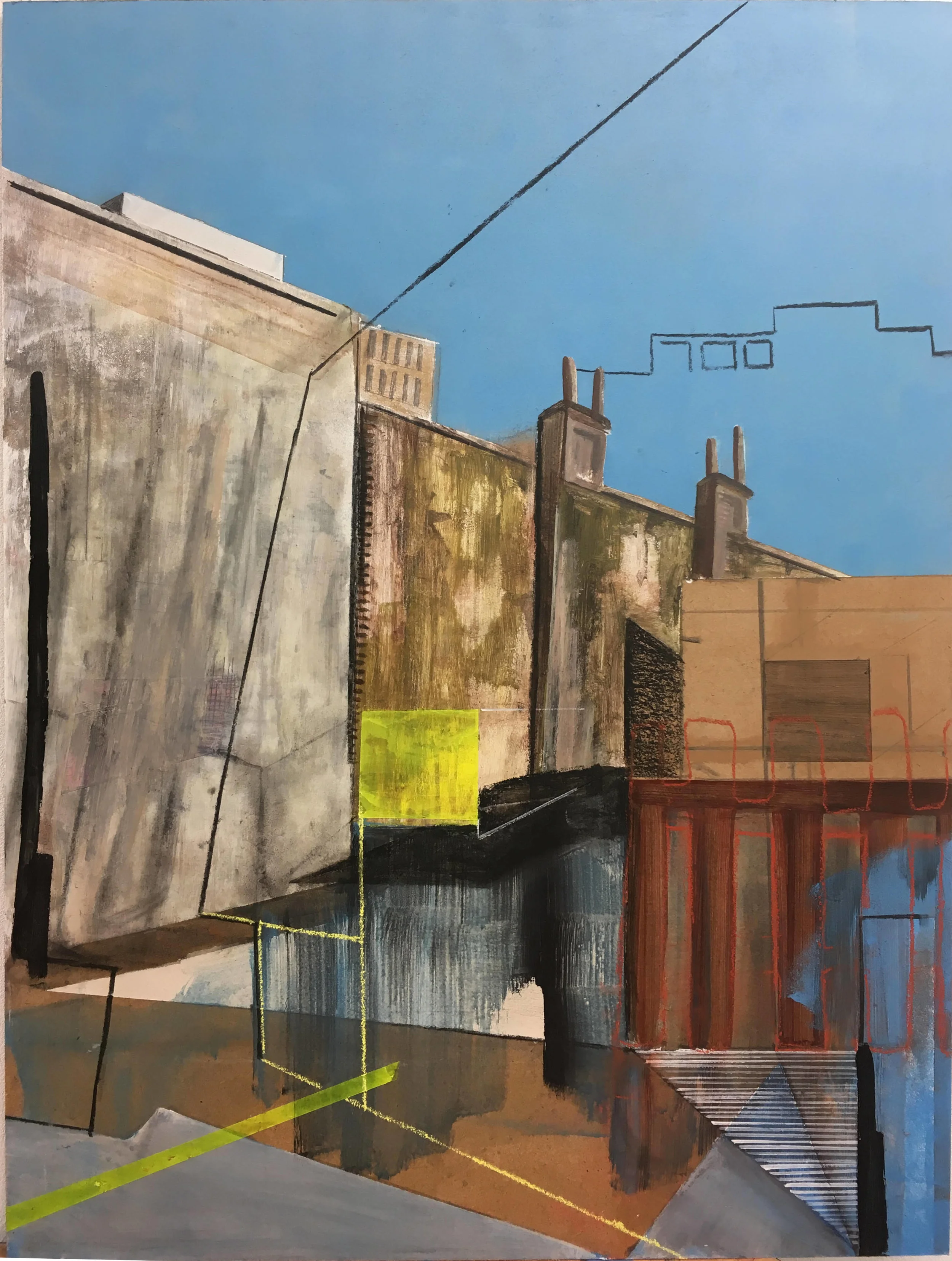
Portrait-format artwork suits low ceilings because its taller proportions reinforce the vertical lines of the corridor. A single tall print, diptych or stacked pair can guide the eye from floor level towards the ceiling, provided the arrangement remains balanced and leaves breathing room around it.
Choose colours that hold their clarity under artificial light. Warm reds, ochres, muted blues and leafy greens remain richer in a dim hallway than pale, washed-out shades. High-contrast linework or a clearly defined central subject also reads better than fine detail that disappears in low illumination.
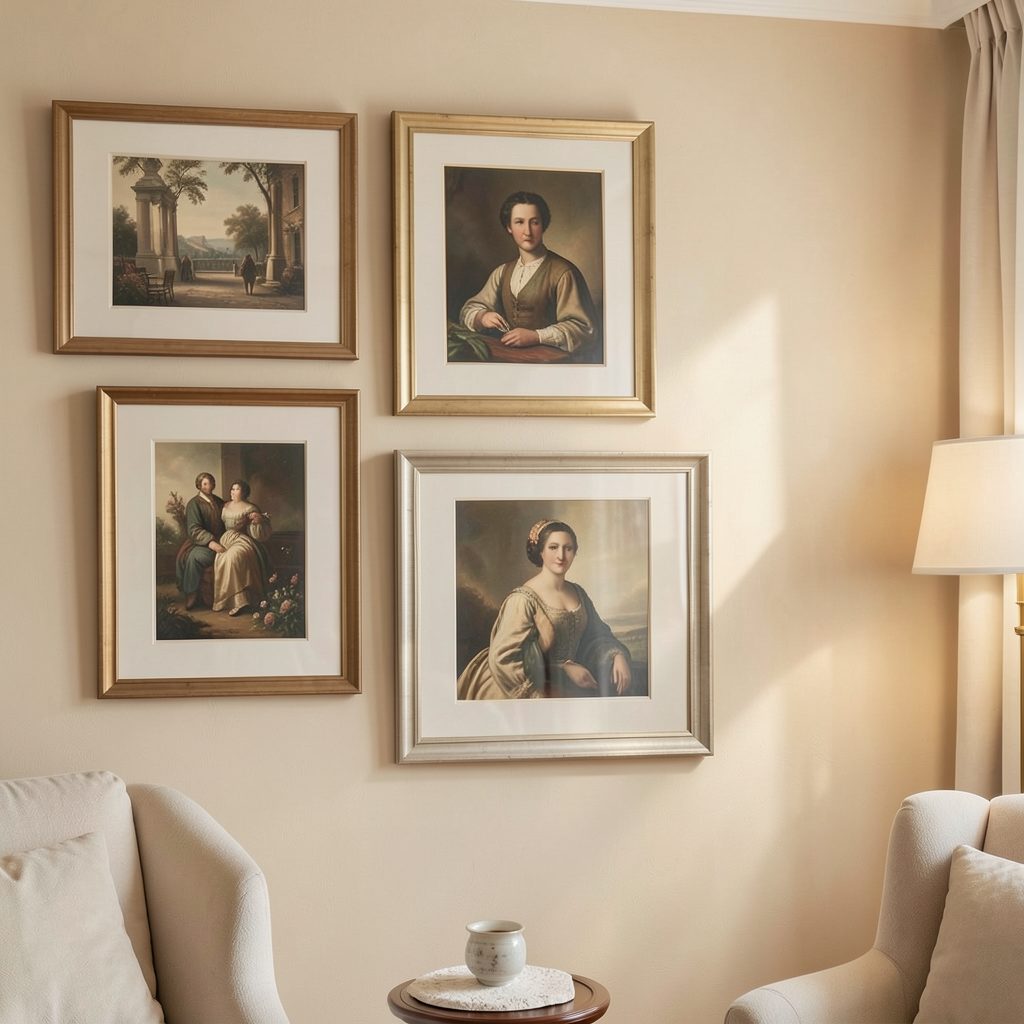
The artwork does not need to fill the wall. A narrower piece with a generous border can create an elegant pause between the entrance and living spaces, while a restrained group of smaller works works well for a minimalist gallery-style display.
Light the artwork with purpose
Warm-white LED lighting between 2700K and 3000K gives skin tones and artwork a welcoming tone without adding a harsh yellow cast. Select bulbs with a high colour-rendering index, ideally CRI 90 or above, so colours remain accurate when the hallway is lit after dark.
Position a picture light around 30 to 45 centimetres above the frame, angling it towards the centre of the work. This reduces glare on glazing and prevents the light from creating a strong shadow underneath. Dimmable fittings give you control between a bright arrival and a softer evening setting.
Many Australian households use the hallway as the route home after sunset and as a drop zone for keys and bags. A switch near the entrance, a remote-controlled dimmer or a smart bulb makes it easier to illuminate the artwork without leaving the rest of the house brightly lit.
Frame the work for depth and scale
A slim frame preserves the sense of height, particularly in a narrow corridor. Pale timber, matte black and warm metallic finishes can each work, but the profile should remain light and the glazing should not create a heavy, boxed-in appearance. Float mounting gives some works an airy, shadowed edge.
Mat boards can introduce contrast and protect the image from the frame. For a punch of colour, the Focus LDN journal's guide to colourful mat ideas shows how borders can enliven a dim display when used selectively rather than everywhere.
Australian framers commonly work in standard metric sizes and quote prices in Australian dollars, while bespoke widths add to the final cost. Ask about acid-free matboard, UV-resistant glazing and conservation-grade adhesives, especially for prints, works on paper or pieces purchased from local artist-run exhibitions.
A practical hallway art checklist
Use the first list before visiting a gallery or placing an order, as measurements often determine which pieces are practical.
Before you buy
- Measure the ceiling, wall width and walking clearance.
- Photograph the hallway from the entrance.
- Record the positions of doors, furniture and sockets.
- Set a total budget, including framing and lighting.
Then compare possible pieces against the actual space rather than relying only on their dimensions online.
While choosing artwork
- View larger work at the size it will appear.
- Check colours under warm LED lighting.
- Compare the finished dimensions with the wall.
- Confirm the framing and glazing quote.
Bring your hallway gallery to life
A display can still feel homely when it includes practical objects. Place a narrow console beneath a single artwork, add a small ceramic vessel or lamp and introduce one textured runner to soften the hard surfaces common in apartment hallways. In a very narrow passage, a slim ledge may work better than floor-standing furniture.
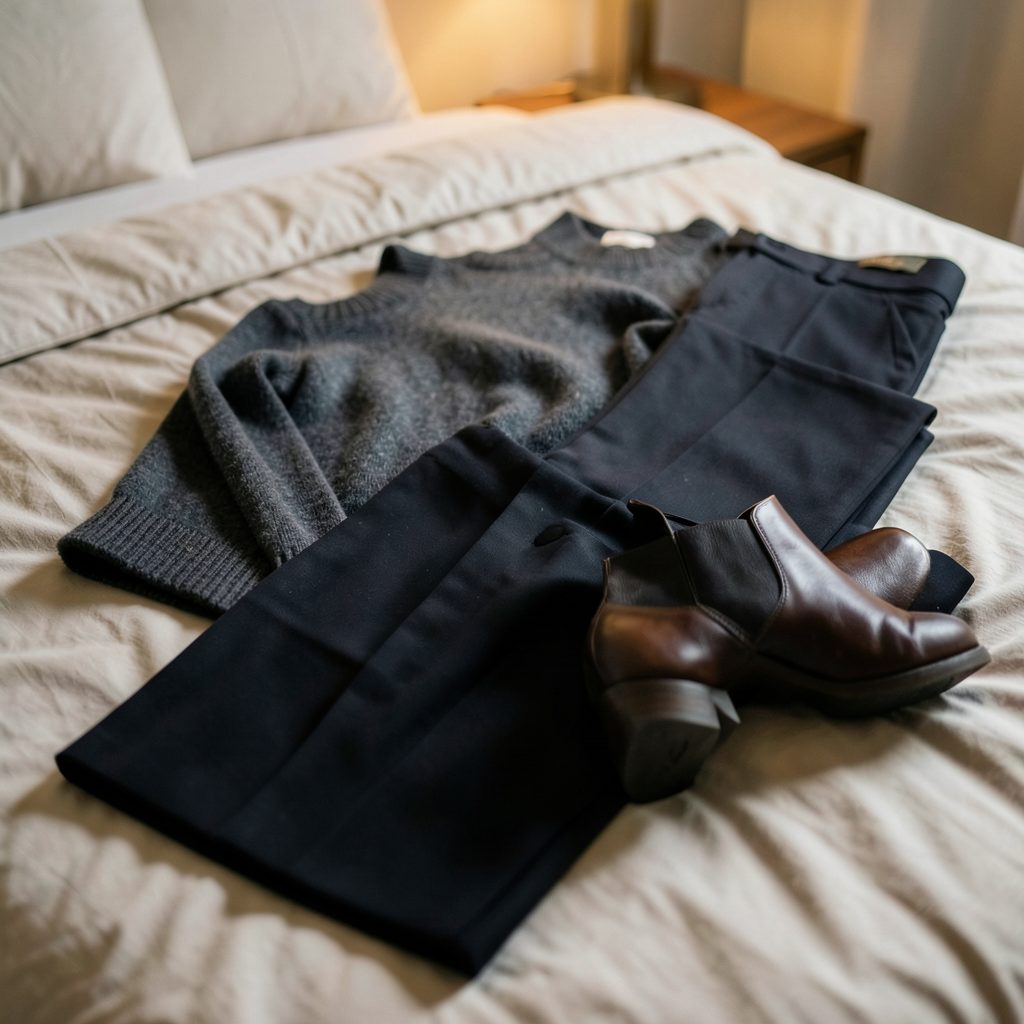
Australian artist-run spaces in Melbourne, Sydney and Brisbane offer useful opportunities to see original work and compare scales before buying. If you are heading to an exhibition opening, our guide to gallery opening attire covers the social side of collecting and attending local events.
Subscribe to Focus LDN for fresh decorating ideas, choose one vertical artwork for your hallway and add a warm LED light to reveal it. Build the rest of the arrangement gradually, keeping the corridor clear, calm and welcoming.