Where to Source Affordable Art for Your First Apartment
Decorating a first apartment often means balancing limited funds with the desire for a home that feels personal. Blank walls can make even a well-furnished room seem unfinished, yet original artwork and professionally framed prints can appear out of reach when rent, deposits, and moving costs take priority.
Affordable art is easier to find when you look beyond traditional galleries. Open-edition prints, student work, vintage pieces, handmade textiles, and carefully chosen photographs can all create a polished interior without requiring a large budget.
The key is to shop with your rooms, color palette, and display plans in mind. A small collection gathered gradually will usually feel more distinctive than several rushed purchases made at once.
Set A Realistic Art Budget
Begin by deciding how much you can spend on artwork over the first few months rather than treating decoration as a single shopping trip. A modest monthly amount can cover one print, a secondhand frame, or a small original from a local artist. This approach makes it easier to buy pieces with intention.
Separate the cost of the artwork from framing, mounting, and delivery. A £20 print can become a £60 purchase once custom materials are added, while an inexpensive frame may need new backing or glass. Measuring your wall before shopping helps prevent waste and keeps proportions practical.
Think about visual impact as well as price. One large poster above a sofa may create a stronger focal point than several tiny works scattered across the room. In a bedroom, a pair of coordinated prints can bring balance to the wall above a bed without making the space feel crowded.
Explore Online Art Marketplaces
Online print shops are a useful starting point for affordable wall art. Search for terms such as open-edition prints, archival posters, risograph art, downloadable artwork, and artist proofs. Independent illustrators often sell directly through their own stores, allowing you to find unusual work at accessible prices.
Digital downloads can be especially economical for a first apartment. After purchasing a file, you can print it locally in the size and paper finish that suit your frame. Choose reputable artwork with clear licensing terms and a sufficiently high resolution, then compare local print shops before ordering.
Online marketplaces also make it easier to filter by palette, subject, format, and price. Save images that appeal to you before buying, then review them together. This prevents a collection of attractive but unrelated pieces from developing without a clear visual direction.
Find Original Work Close to Home
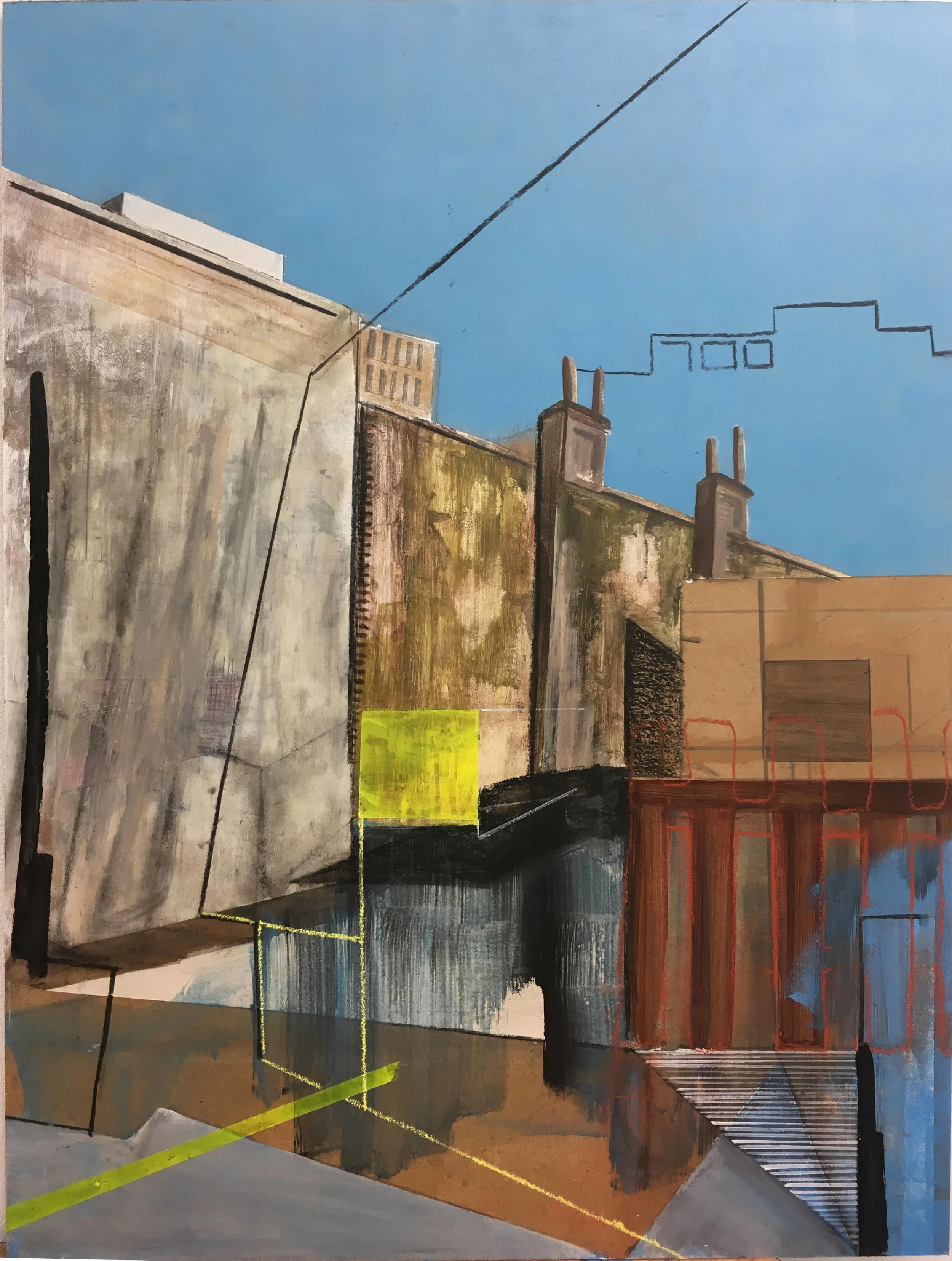
Local art schools, university degree shows, and graduate exhibitions are excellent places to discover emerging artists. Students and recent graduates may offer affordable paintings, photography, ceramics, or works on paper, often with a story that gives the piece more meaning.
Craft markets and independent design fairs can provide another route to original art. Look for small-scale paintings, linocut prints, collage, and textile pieces that can be displayed in a rental without extensive installation. Buying directly from the maker also gives you a better understanding of the materials and process.
Charity shops, flea markets, and vintage stores are valuable for frames and older artwork. You may find a plain landscape, botanical illustration, or architectural drawing that becomes more stylish with a fresh mount. Inspect the paper for stains, fading, or foxing, but remember that slight age can add character.
Compare Sources Before You Buy
Different sources suit different decorating goals. A digital print may be the most practical choice for a temporary rental, while a local original can become a lasting part of your collection. Consider the total cost, the uniqueness of the piece, and how easily it can be framed before making a decision.
| Source | Typical Cost | Best For | Watch For |
|---|---|---|---|
| Digital download | Low | Flexible sizing and quick updates | Print quality and usage rights |
| Independent print shop | Low to medium | Graphic art and illustrations | Paper, shipping, and edition details |
| Student exhibition | Medium | Original emerging-artist work | Availability and framing |
| Charity or vintage shop | Low | Characterful art and frames | Damage, fading, and odd sizes |
| Local gallery sale | Medium to high | Distinctive original pieces | Framing and commission costs |
| Craft or design market | Low to medium | Handmade prints and textiles | Limited stock and impulse buying |
Use the comparison as a guide rather than a strict pricing rule. Costs vary by artist, format, edition size, and location. A small original from an emerging artist may cost less than a large mass-produced canvas, while a vintage frame can make a simple print feel considerably more elevated.
Choose Art That Works With Your Interior
Affordable artwork looks intentional when it connects with the room around it. Pick up one or two colors from your rug, cushions, bedding, or curtains, then allow the artwork to introduce a contrasting tone. Neutral interiors benefit from richer shades, while colorful rooms may suit monochrome photography or simple line drawings.
Scale is just as important as subject matter. Artwork above furniture should generally relate to the width of the piece beneath it, while narrow walls often suit vertical prints or stacked frames. If you are uncertain, cut paper templates in the size of potential purchases and attach them to the wall with removable tape.
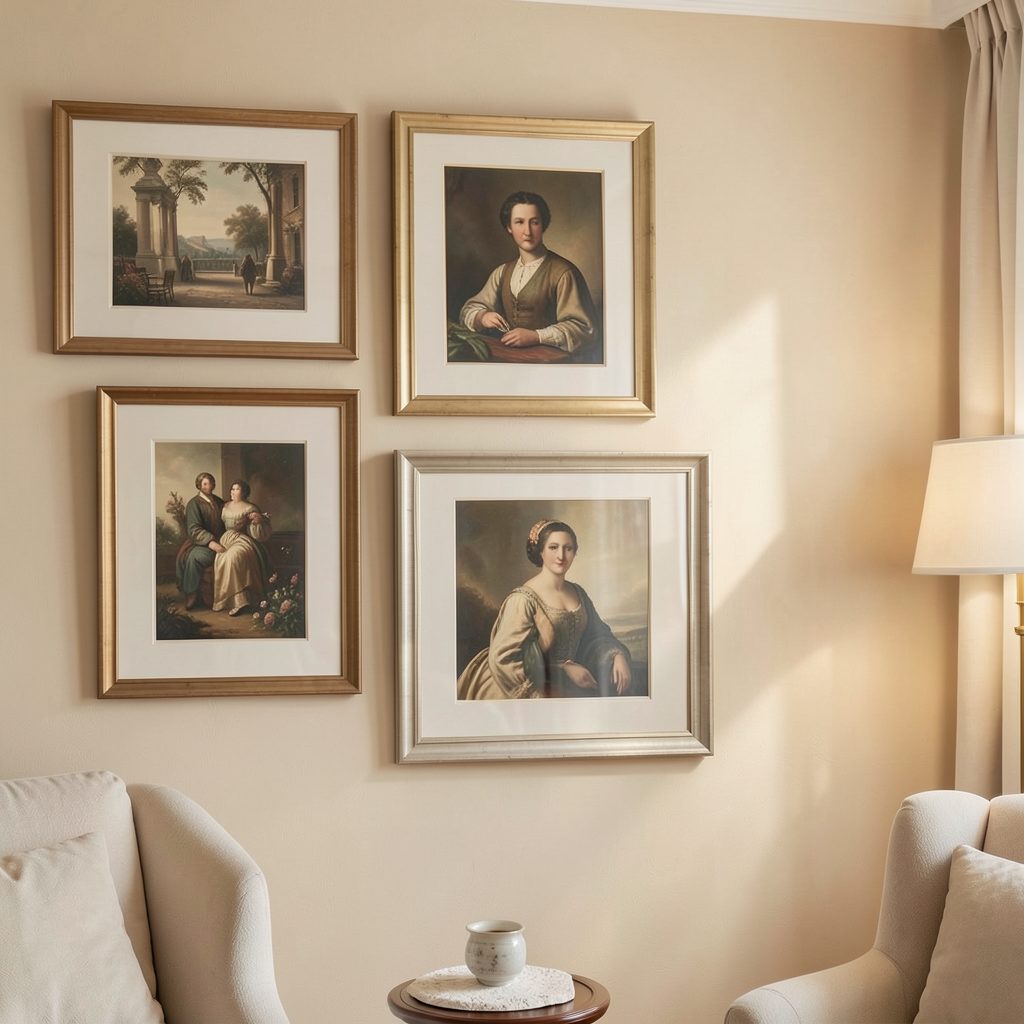
A gallery wall can combine different prices and styles successfully when one element creates consistency. Repeat a frame finish, mat color, subject, or dominant hue across the arrangement. For a more curated display, add small gallery labels with the artist’s name, title, or date.
Build a Collection Gradually
A first apartment does not need to look fully decorated on moving day. Start with one anchor piece for the living room or bedroom, then add smaller works as you discover them. Leaving some wall space open gives each item room to breathe and allows your taste to develop naturally.
Choose a simple frame strategy to keep mixed artwork cohesive. Black, white, natural wood, and slim metal frames are versatile choices, while matching mounts can unify pieces with different dimensions. Standard sizes are usually cheaper to frame than unusual measurements, so check common frame formats before buying prints.
Use these practical guidelines when selecting your first pieces:
- Buy the largest affordable work for the wall that needs the strongest focal point.
- Compare the full price, including printing, framing, mounting, and delivery.
- Keep digital downloads and original artwork in separate budget categories.
- Photograph each piece beside your furniture before committing to a purchase.
- Save a small reserve for frames, hanging hardware, and future additions.
Display Affordable Art With Confidence
Good placement can make inexpensive art feel considered. Hang pieces at a comfortable viewing height, align frames along a shared center line, and avoid placing every work at the same distance from the furniture below. In small apartments, a narrow picture ledge or leaning arrangement can provide flexibility without filling the wall with holes.
Lighting also affects how artwork is perceived. Keep valuable or delicate pieces away from strong direct sunlight, radiators, and damp bathroom areas. For darker rooms, use soft ambient lighting rather than harsh overhead bulbs, which can flatten colors and create reflections on glass.
For more inspiration on arranging artwork, framing choices, and stylish home displays, explore gallery wall ideas. A thoughtful art collection grows from curiosity, patience, and a willingness to mix accessible finds with pieces that carry personal meaning.
Start with one wall, set a clear spending limit, and visit a local market, print shop, or secondhand store this week. The right artwork for your first apartment may be inexpensive, but it should still make the space feel distinctly yours.