What to Look for When Buying Affordable Original Art Online
Buying original artwork online can make a home feel more personal without requiring a gallery-sized budget. A small painting, signed print, ceramic piece, or drawing can introduce colour, texture, and a sense of discovery to an otherwise restrained room.
The challenge is knowing what you are actually purchasing. Product photographs can hide scale, materials, surface detail, and framing quality, while terms such as “limited edition” and “original” are sometimes used loosely. A careful buyer looks beyond the image and assesses the artwork, the artist, and the seller together.
Affordable art should still feel considered. Whether the piece is destined for a bedroom, hallway, bathroom, or a developing gallery wall, the best purchase combines visual appeal with clear information, sensible shipping, and a realistic understanding of how the work will live in your space.
Understand what “original” means
An original artwork is generally a one-of-a-kind piece made directly by the artist, such as an oil painting, watercolour, collage, drawing, or mixed-media work. However, some artists use “original” to describe a signed print or a work produced from an original image. Read the product description carefully and look for precise language about the process.
A giclée print, screen print, or photograph can be a valuable work of art, particularly when it belongs to a small, numbered edition. It is simply different from a unique painting. The listing should state whether the work is unique, part of an edition, or an open-edition reproduction, along with the number of copies available.
Check whether the artwork is signed and where the signature appears. A pencil signature, artist’s mark, or handwritten edition number can add useful context, but it should be supported by details about the artist and production method rather than treated as proof by itself.
Investigate the artist and seller
A trustworthy online art shop provides a biography, studio details, exhibition history, or a link to the artist’s wider portfolio. This does not mean an emerging artist needs an impressive list of institutions. Consistent information across a personal website, gallery profile, and social channels is often more valuable than prestige.
Look for clear contact details, delivery terms, accepted payment methods, and a written returns policy. Reviews can reveal whether colours were accurate, packaging was secure, and customer service responded well when a work arrived damaged. Be cautious when a listing uses urgency, vague descriptions, or unusually low prices to encourage an immediate purchase.
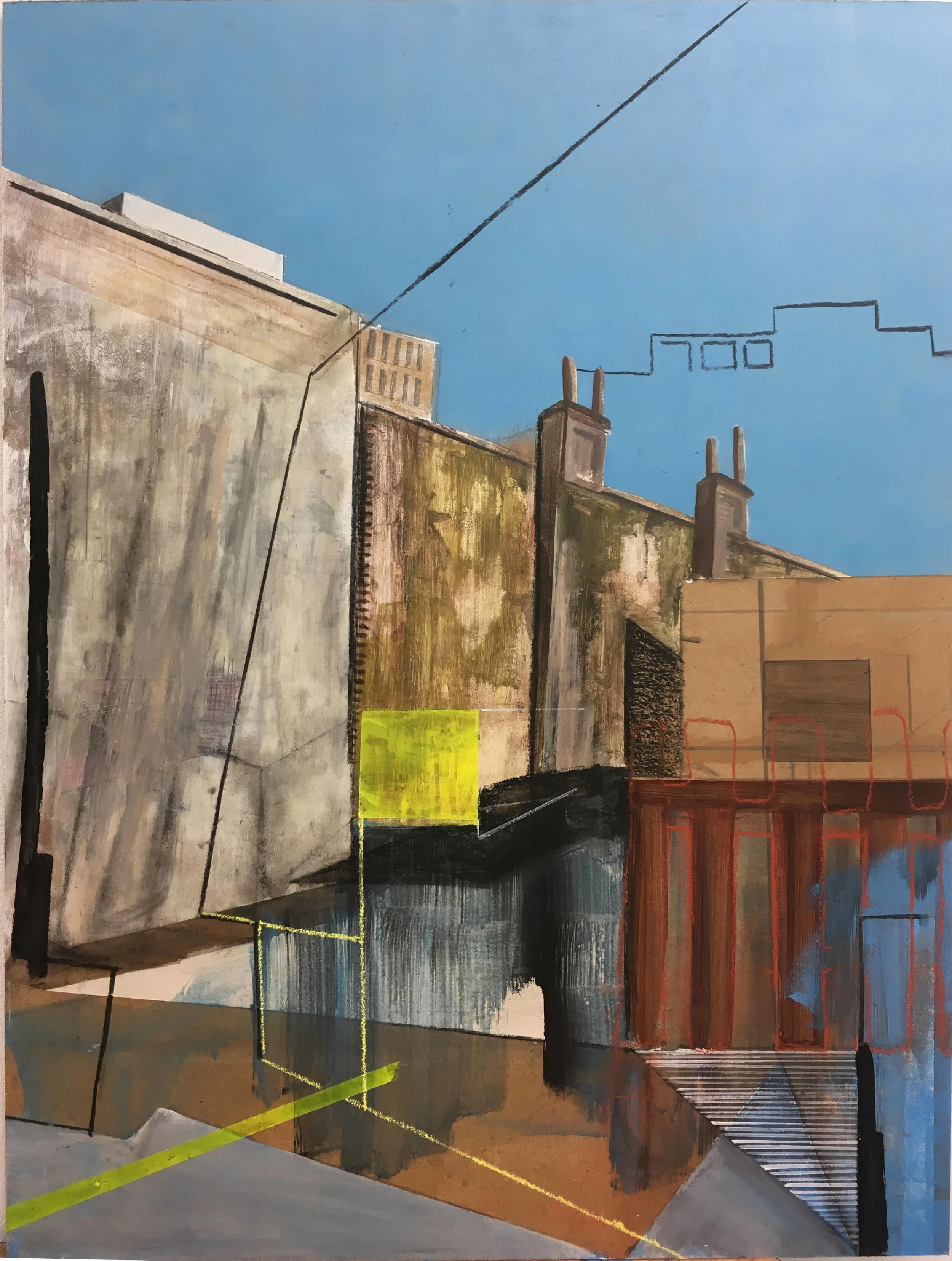
Images should show the artwork from more than one angle. Close-up photographs are especially useful for identifying brushwork, paper grain, raised texture, deckled edges, or intentional imperfections. If every image is heavily styled and the artwork itself is difficult to inspect, ask for additional photographs before buying.
Check scale, materials, and condition
Dimensions are easy to underestimate on a screen. Compare the listed measurements with a sheet of paper, a shelf, or a piece of existing furniture. A 20-centimetre drawing may look substantial in a styled photograph but appear delicate above a sofa, while a bold abstract work may overwhelm a narrow wall.
The medium affects both appearance and care. Paper may need glazing and a protective mount, canvas may arrive unframed or stretched, and works containing natural materials can be sensitive to humidity or direct sunlight. For a bathroom or kitchen, avoid assuming that any artwork is suitable for a damp environment; ventilation and protective framing matter.
Use this quick comparison to assess the practical differences between common affordable art purchases:
| Type of artwork | What to verify | Typical display needs | Useful question |
|---|---|---|---|
| Unique painting | Medium, surface, signature, condition | Frame or stretched canvas | Is it ready to hang? |
| Limited-edition print | Edition size, number, paper, printer | Archival mount and glazing | Is the edition documented? |
| Open-edition print | Paper, ink, image size | Standard frame | Will it be reprinted indefinitely? |
| Original drawing | Paper quality, fading risk, marks | UV-protective glazing | Has it been stored flat? |
| Photograph | Process, edition, paper, handling | Glazing and stable light | Is the print signed or certified? |
Think about framing and placement
Framing can change the character and final cost of an affordable artwork. Ask whether the price includes a frame, mount, hanging hardware, or protective glazing. A framed work may be convenient, but an inexpensive frame can add visual noise or arrive with fragile glass. An unframed piece gives you more control over the finish, especially if you already have a minimalist interior scheme.
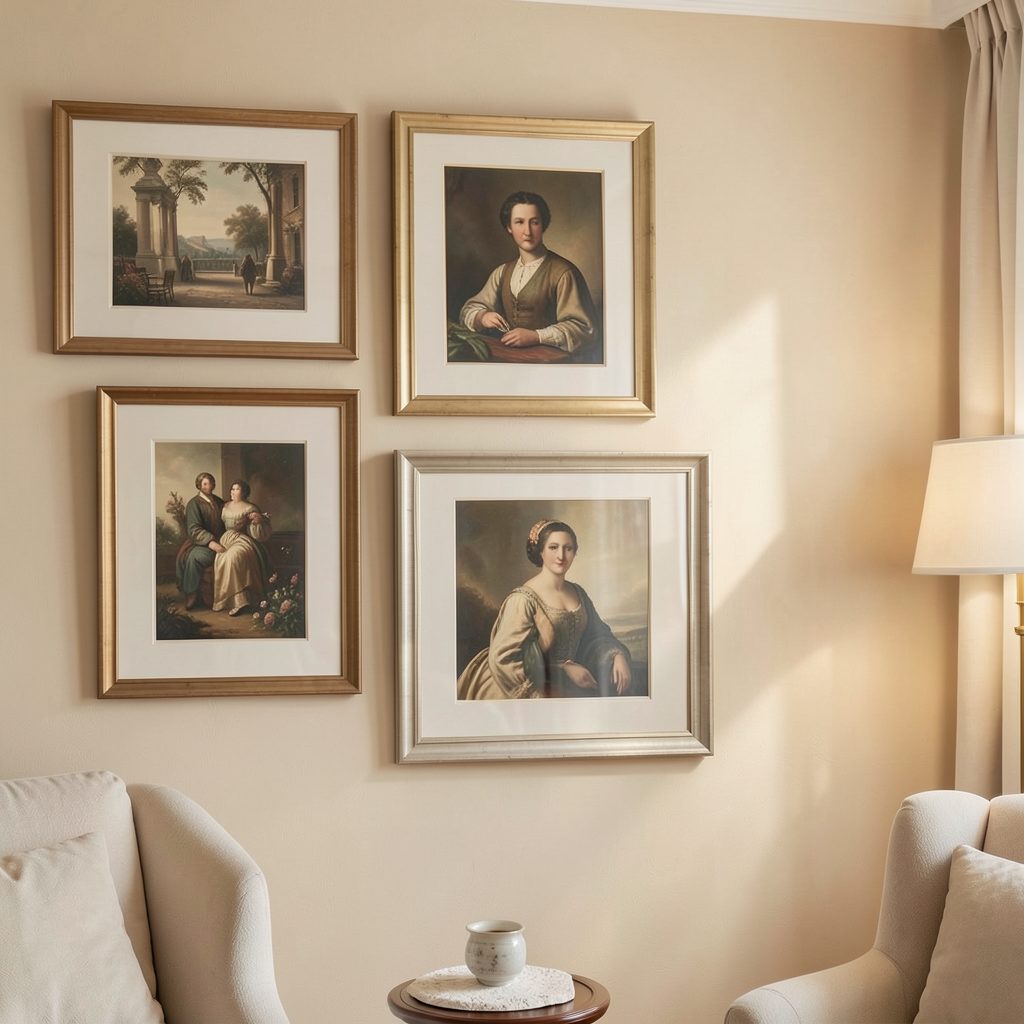
Measure the wall before ordering and consider the surrounding negative space. For a collection of small pieces, shelves can provide flexibility and help vary height; these ideas for breaking up a large gallery wall are useful when a single arrangement feels too rigid.
Plan the artwork in relation to furniture rather than treating the wall as an isolated surface. A painting above a bedside table should leave enough breathing room, while a work above a console usually looks more grounded when its width relates to the furniture below. Before drilling, use paper templates to test the arrangement.
Assess colour, lighting, and authenticity
Online colour can vary between screens, so pay attention to written descriptions as well as photographs. Terms such as muted ochre, cool grey, or warm white can help establish expectations, but natural-light images are more informative than dramatic, heavily edited interiors. Ask whether the work has a glossy, matte, textured, or reflective finish.
Lighting also affects the art’s long-term appearance. Strong direct sunlight can fade paper, pigments, and photographic prints, while a dark hallway may need a picture light or adjustable spotlight. Before finalising the position, review practical advice on hanging art at the right height so the work feels connected to the room rather than awkwardly elevated.
For provenance, keep the invoice, certificate of authenticity, edition details, and any correspondence with the artist. A certificate is helpful when it identifies the artist, title, date, medium, dimensions, and edition number, although its presence alone does not guarantee quality. If you are building a collection, consistent gallery labels can make these details easier to record and display.
Set a complete and realistic budget
The listed price is only part of the cost. Add shipping, insurance, import duties, framing, mounting, and possible conservation work before deciding whether a piece is affordable. International delivery can be particularly expensive for framed artwork because of size, weight, and breakage risk.
Read the packaging policy carefully. Artwork should usually be protected with archival tissue, rigid backing, corner guards, and a strong outer box. Photograph the unopened package and the work immediately if damage occurs, then follow the seller’s claims process within the stated timeframe.
A simple buying checklist can keep enthusiasm balanced with due diligence:
- Confirm whether the work is unique, limited, or open edition.
- Record the dimensions of the artwork, mount, and frame separately.
- Check the medium, condition, signature, and certificate details.
- Calculate delivery, duties, framing, and insurance before paying.
- Save the listing, receipt, and artist information for your records.
Affordable original art becomes a stronger purchase when it has a clear story, reliable documentation, and a natural place in your home. Browse slowly, compare several artists, and choose the piece that continues to hold your attention after the first visual impression. When the artwork arrives, give it the space, framing, and light it deserves so it can become a lasting part of your interior.