Using Shelves to Break Up a Large Gallery Wall
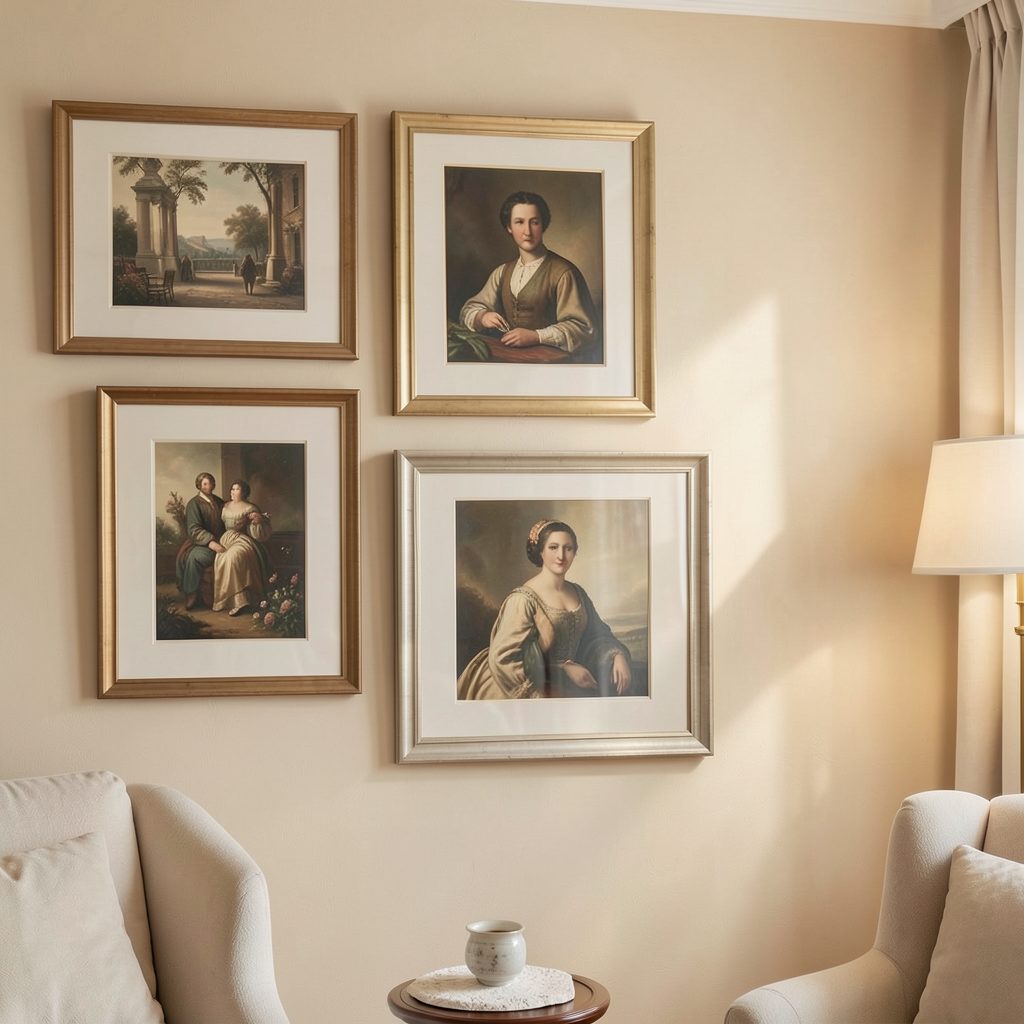
A large gallery wall can bring scale, personality, and colour to a room, but an uninterrupted arrangement of frames may eventually feel dense. Shelves offer a practical visual pause without taking away the impact of the artwork. They create horizontal lines, display space, and a chance to introduce objects with different shapes and textures.
This approach works especially well in living rooms, stairwells, bedrooms, and dining areas where a collection of art needs to feel considered rather than crowded. A slim picture ledge can divide a tall arrangement, while a deeper floating shelf can become a functional focal point.
The goal is not to make the artwork compete with books, ceramics, or plants. It is to create a rhythm in which every element has enough room to be noticed. The styling principles shared by Focus LDN can help you balance personal expression with a clean, gallery-inspired finish.
Why a Long Art Arrangement Needs Breathing Room
A large collection of pictures often has plenty of vertical energy but very little horizontal interruption. When every frame sits at a similar distance from its neighbours, the eye may struggle to find a resting point. A shelf breaks that repeated pattern and gives the composition a strong architectural line.
Shelves can also help connect artwork to the furniture below it. A ledge positioned above a sofa, console, or sideboard makes the wall feel anchored to the room instead of floating independently. This is particularly useful when the wall is wide, high, or lacking other defining features.
Choose Shelf Style and Placement
Picture ledges are usually the easiest option for an art display because their shallow profile keeps the emphasis on the frames. Choose a finish that relates to the room’s existing materials, such as pale oak in a soft neutral interior or painted timber against a bold colour-drenched wall.
For a more substantial look, consider a floating shelf with enough depth for small sculptures, stacked books, or a vase. Avoid placing it so high that the objects become difficult to see. In most rooms, the shelf should relate to eye level, nearby furniture, and the centre of the artwork arrangement rather than being positioned at a random midpoint.
Measure the full wall before deciding how many shelves to use. One long ledge may create a calm break, while two shorter shelves can introduce asymmetry. Leave visible wall space at the ends so the shelf does not appear squeezed between the room’s corners.
Build a Visual Rhythm
A shelf does not have to run through the centre of the entire artwork collection. Placing it slightly above or below the midpoint can make the arrangement feel more relaxed and less mechanically divided. It can also align with a strong feature, such as the top of a sofa or a nearby doorway.
Use the shelf to vary the scale of the gallery wall. Large framed works can sit above it, while smaller pieces lean on the ledge or hang below it. If the room has unusual angles or a sloping ceiling, these sloped ceiling ideas can help you adapt the arrangement without forcing every frame into a rigid grid.
A useful rule is to repeat one or two details across the wall. Black frames, warm wood, a shared mat colour, or a repeated accent tone can hold the composition together while the shelf introduces a welcome change in direction.
Match the Shelf to the Gallery Wall
The proportions of the shelf should support the collection rather than overpower it. Use the following guide as a starting point, then adjust it according to the wall width, furniture scale, and weight of the frames.
| Wall situation | Suitable shelf approach | Styling direction |
|---|---|---|
| Wide wall above a sofa | One long, shallow ledge | Keep objects low and let larger art rise above it |
| Tall, narrow wall | Two short staggered shelves | Pair with vertically oriented frames |
| Dense salon-style display | One shelf through the lower third | Use the ledge as a breathing space |
| Minimal frame arrangement | Deeper floating shelf | Add books, ceramics, or one sculptural object |
| Small room with limited floor space | Slim picture ledge | Keep accessories sparse and visually light |
Consider the visual weight of the frames when selecting brackets and fixings. A shelf that bows or pulls away from the wall will undermine an otherwise polished display. Use suitable anchors for plasterboard, masonry, or stud walls, and check the manufacturer’s weight limit before adding heavy objects.
Style Objects Without Creating Clutter
Begin with one taller object, one horizontal element, and one small accent. A ceramic vessel, a pair of art books, and a low bowl can create variation without filling every inch. Lean a framed print against the wall for a layered effect, but keep it low enough that it does not obscure the artwork behind it.
Negative space matters just as much as the objects themselves. Leave gaps between groups and allow some areas of the shelf to remain empty. A single meaningful object can provide more impact than a collection of unrelated accessories competing for attention.
Think about texture as well as colour. Matte ceramics, woven covers, brushed metal, and natural timber can soften a wall dominated by glass and paper. For more ideas on creating depth with layered artwork, explore this mantelpiece layering guide, which uses similar principles of overlap and visual balance.
Install the Arrangement with Confidence
Lay the artwork and shelf positions out on the floor first. Use paper templates for larger frames and mark the proposed ledge with low-tack tape. Step back from different parts of the room to check whether the arrangement feels balanced from the sofa, doorway, and main circulation route.
Install the shelf before finalising every picture position, especially if the ledge will determine the spacing of the lower frames. Keep the distance between the shelf and surrounding artwork consistent enough to feel deliberate, but do not force identical gaps when the frame sizes vary.
- Select a shelf depth that suits the objects you genuinely want to display.
- Use a shared colour or material to connect the shelf with the frames.
- Keep the heaviest artwork close to the visual centre of the arrangement.
- Leave clear areas of wall and shelf to prevent a crowded appearance.
- Secure every fixing properly before styling delicate or valuable pieces.
Take photographs during the process and review them in black and white if the colour feels distracting. This makes it easier to judge balance, contrast, and visual weight. Small adjustments to frame spacing or object placement can transform the overall effect.
Let the Wall Evolve
A shelf gives a gallery wall flexibility that a fixed grid often lacks. Seasonal branches, newly acquired ceramics, or a different stack of books can refresh the display without requiring new artwork. This makes the arrangement feel lived-in while preserving its curated character.
Start with fewer pieces than you think you need. Live with the composition for several days, then add only what improves the balance or tells a meaningful story. With a carefully placed shelf and a restrained selection of objects, a large artwork collection can feel spacious, layered, and distinctly your own.
Bring your frames, ledges, and treasured objects together this week, then refine the arrangement until the wall feels both expressive and easy to live with.